


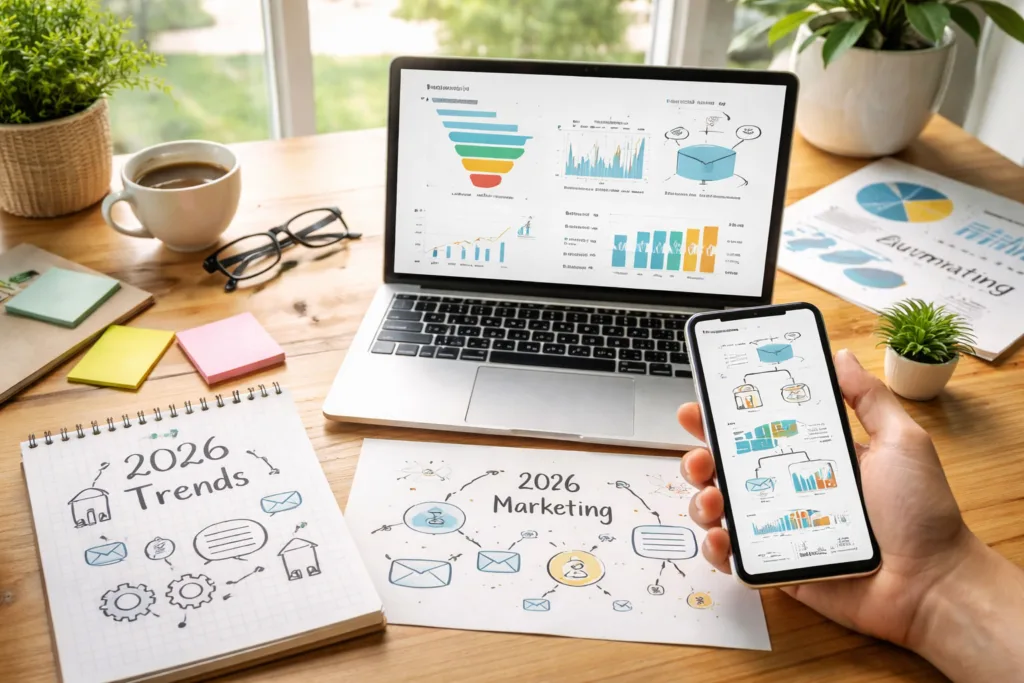
The landscape of digital marketing and email automation is in constant flux, a dynamic interplay of technological advancements and evolving consumer behaviors. By 2026, the integration of Artificial Intelligence (AI) will not merely be an advantage but a foundational necessity. This article explores the dominant trends shaping this future, providing a pragmatic outlook on what you can expect and how you should adapt.
Traditional personalization, often a glorified form of segmentation, is rapidly becoming outdated. You are no longer simply grouping customers; you are engaging with each customer as a distinct entity. AI is the engine driving this profound shift. You will observe a move beyond surface-level demographics towards a deep understanding of individual intent and real-time needs.
Hyper-Personalized Content Generation
Your marketing messages will cease to be one-size-fits-all. AI algorithms are already adept at generating diverse content variations, and by 2026, this capability will be significantly enhanced. Imagine an AI that not only understands your customer’s preferred product categories but also their specific communication style, their engagement history with your brand, and even their current emotional state based on recent online activity. This allows for the generation of email subject lines, body copy, and calls to action that are uniquely tailored to each individual, increasing the likelihood of engagement. You’ll be able to scale content creation without sacrificing relevance.
Dynamic Pricing and Offer Optimization
The days of static pricing models are numbered. AI will enable dynamic pricing strategies that respond to real-time market conditions, competitor activities, and individual customer behavior. For you, this means leveraging algorithms that can predict a customer’s willingness to pay based on their browsing history, past purchases, and even their location. Similarly, offer optimization will become more sophisticated. Instead of generic discounts, AI will present each customer with the most compelling incentive, whether it’s a specific product recommendation, a limited-time offer, or a loyalty reward, precisely when they are most receptive. Your goal is to maximize conversion without unnecessary margin erosion.
Predictive Behavior Analysis
You will move beyond reactive marketing to proactive engagement. AI’s ability to analyze vast datasets allows for the prediction of future customer behavior with increasing accuracy. This includes predicting churn risk, identifying potential upsell or cross-sell opportunities, and even anticipating product demand shifts. For email automation, this means triggering campaigns not just after a specific action, but before a customer even realizes they have a need. For example, if AI predicts a customer is likely to purchase a complementary product within the next week, you can initiate a targeted email sequence to nurture that potential sale, positioning your brand as a helpful solution provider.
As businesses increasingly turn to AI-driven digital marketing strategies, the importance of personalized communication becomes paramount. A related article that delves into the significance of authentic storytelling in email marketing is available at Building Brand Loyalty Through Authentic Email Storytelling. This piece explores how brands can leverage storytelling techniques to foster deeper connections with their audience, a trend that is expected to gain momentum in 2026 as email automation tools become more sophisticated and data-driven insights enhance customer engagement.
AI-Powered Email Automation Workflows
Email automation, once a relatively simple series of triggers and responses, is undergoing a profound transformation. AI is injecting intelligence into every stage of the workflow, making it more adaptive, efficient, and ultimately, more effective for you.
Intelligent Journey Orchestration
Your customer journeys will become less linear and more fluid. AI will analyze individual customer interactions across various touchpoints – website visits, social media engagement, previous email responses – to dynamically adjust the email sequence they receive. This means that if a customer opens an email but doesn’t click, the AI might branch them into a different sequence than if they had clicked, or if they hadn’t opened at all. You will be able to create truly personalized paths for each customer, adapting to their unique pace and preferences in real-time. This reduces the likelihood of sending irrelevant emails and improves the overall customer experience.
Automated A/B Testing and Optimization
Manual A/B testing is often resource-intensive and limited in scope. By 2026, AI will automate and scale this process significantly. You will benefit from AI algorithms that continuously test variations of subject lines, email layouts, call-to-action buttons, and even send times across millions of customer interactions. The AI will learn and adapt in real-time, automatically deploying the most effective variations to maximize open rates, click-through rates, and conversions. This frees up your marketing team to focus on strategic initiatives rather than iterative testing.
Smart Send Time Optimization
You are no longer guessing the best time to send an email. AI will analyze individual customer data – including past open times, peak online activity, and geographical location – to determine the optimal send time for each recipient. This goes beyond simple time zone adjustments, considering individual behavioral patterns to ensure your email arrives when the customer is most likely to engage with it. This nuanced approach will significantly impact open and click-through rates, delivering your message at precisely the moment it is most relevant to the recipient.
Data-Driven Segmentation and Audience Intelligence

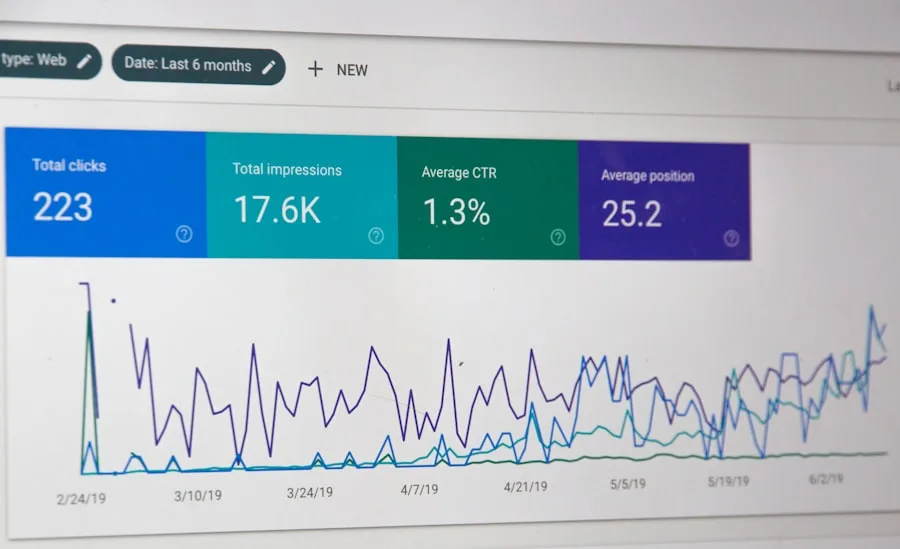
Effective marketing hinges on understanding your audience. AI is revolutionizing how you segment your customer base and gain deeper insights into their motivations and behaviors. This moves beyond demographic data to encompass psychographic insights and behavioral patterns.
Micro-Segment Creation
Traditional segmentation often relies on broad categories. AI enables you to create hyper-specific micro-segments based on a multitude of data points. Imagine segments based on specific product preferences, recent purchase history, browsing patterns, engagement with particular content types, and even sentiment analysis from customer support interactions. This level of granularity allows you to craft highly relevant messages for niche groups within your broader customer base. You can target with precision, leading to higher engagement and more efficient ad spend.
Look-alike Audience Expansion
You know your best customers, and AI will help you find more of them. By analyzing the characteristics of your high-value customers, AI algorithms can identify potential new customers who share similar attributes and behaviors. This goes beyond basic demographic matching, allowing you to expand your reach to genuinely promising prospects. For email marketing, this means more effective lead generation strategies and a higher quality of subscribers entering your funnels.
Customer Lifetime Value (CLV) Prediction
Understanding the long-term value of your customers is critical for strategic decision-making. AI models will provide robust predictions of Customer Lifetime Value (CLV), allowing you to allocate your resources more effectively. You can identify customers with high CLV potential at an early stage and tailor your marketing efforts to nurture those relationships. Conversely, you can identify customers at risk of churn and implement targeted retention campaigns. This data-driven approach ensures your marketing investment delivers maximum returns over time.
Conversational AI and Interactive Experiences

The rise of conversational AI is fundamentally altering how you interact with your customers, moving beyond static content to dynamic, two-way communication. This will integrate seamlessly into your email marketing efforts.
AI-Powered Chatbots for Pre-Sale and Post-Sale Support
Chatbots are already prevalent, but by 2026, their capabilities will be significantly advanced. These AI-powered assistants will integrate directly into your email campaigns. Imagine a customer receiving an email about a new product and being able to immediately engage a chatbot within the email itself to ask questions, check availability, or even initiate a purchase. Post-sale, these chatbots can handle routine inquiries, track orders, and even troubleshoot minor issues, freeing up your human support team for more complex tasks. You are providing instant gratification and seamless support.
Interactive Email Content
Your emails will become more than just static messages. AI will drive the creation of interactive email experiences. This could include interactive polls, quizzes, product configurators, or even mini-games embedded directly within the email. By engaging customers directly within their inbox, you increase dwell time, gather valuable first-party data, and create a more memorable brand experience. The AI can then use the data from these interactions to further personalize future communications.
Voice-Activated Marketing Integration
With the proliferation of smart speakers and voice assistants, voice-activated marketing will become an important consideration. While direct email delivery via voice is still evolving, AI will enable you to optimize your content for voice search and provide voice-activated calls to action within your email campaigns. For instance, an email might prompt a customer to “Ask Alexa about our latest discount,” leading to a voice-enabled interaction that ultimately drives a sale. You must consider how your message translates across different input methods.
As businesses increasingly rely on AI-driven digital marketing strategies, the importance of understanding human emotions and authentic leadership becomes paramount. A recent article highlights how embracing vulnerability can enhance leadership in a hybrid workplace, which is crucial for fostering a culture that supports innovative marketing approaches. For more insights on this topic, you can read the full article on embracing vulnerability in leadership here. This connection between emotional intelligence and effective marketing strategies will be vital as we move towards 2026.
Ethical AI and Data Privacy in Marketing
| Metrics | 2026 |
|---|---|
| AI-Driven Digital Marketing Spending | Projected to reach 25 billion |
| Email Automation Penetration | Expected to be over 80% |
| AI-Powered Personalization | Anticipated to increase by 30% |
| Effectiveness of AI-Driven Campaigns | Predicted to improve by 25% |
As AI integration deepens, so do the complexities surrounding ethics and data privacy. You must navigate this terrain carefully, ensuring your practices are transparent, compliant, and build customer trust.
Prioritizing Consent and Transparency
By 2026, consumers will be more acutely aware of how their data is being used. You must prioritize explicit consent for data collection and processing. AI-driven personalization should be a transparent process, with clear explanations of how data is being utilized to enhance the customer experience. This builds trust and reduces the likelihood of brand backlash. Non-compliance is no longer merely a legal risk but a significant reputational one for you.
Robust Data Security and Anonymization
The increasing volume of data processed by AI demands even more robust security measures. You must invest in advanced encryption, access controls, and data anonymization techniques to protect customer information. AI’s capacity to identify patterns can inadvertently lead to re-identification of anonymized data, so your security protocols must anticipate and mitigate such risks. A data breach, particularly one involving AI-processed data, can have catastrophic consequences for your brand.
Algorithmic Bias Detection and Mitigation

AI algorithms are trained on data, and if that data contains biases, the AI will perpetuate and even amplify them. You must implement robust processes for algorithmic bias detection and mitigation, particularly in areas like targeting and offer generation. For instance, an algorithm could inadvertently exclude certain demographics from receiving specific offers if the training data was not representative. Regular audits and diverse training data sets will be crucial for ensuring fairness and avoiding discriminatory practices in your AI-driven marketing campaigns.
Conclusion
The future of digital marketing and email automation is intrinsically linked with AI. You are not merely witnessing a technological upgrade; you are experiencing a fundamental shift in how you understand, engage with, and serve your customers. The trends outlined above – from hyper-personalization and intelligent automation to conversational AI and ethical considerations – represent both opportunities and challenges. Your ability to integrate these AI capabilities thoughtfully, while maintaining a strong ethical framework, will be the determining factor in your success as you navigate the evolving digital landscape of 2026 and beyond. Adapting now is not an option, but a strategic imperative.
FAQs
What is AI-driven digital marketing?
AI-driven digital marketing refers to the use of artificial intelligence technologies to analyze consumer behavior, automate marketing processes, and personalize marketing campaigns. AI can help businesses make data-driven decisions, optimize ad targeting, and improve customer engagement.
What are the trends in email automation for 2026?
In 2026, the trends in email automation include increased personalization through AI, advanced segmentation and targeting, interactive email content, improved deliverability through AI-driven analytics, and the integration of email automation with other marketing channels for a seamless customer experience.
How does AI impact digital marketing strategies?
AI impacts digital marketing strategies by enabling more accurate audience targeting, personalized content recommendations, predictive analytics for campaign optimization, chatbot and virtual assistant integration for customer service, and automation of repetitive marketing tasks.
What are the benefits of AI-driven digital marketing?
The benefits of AI-driven digital marketing include improved targeting and personalization, increased efficiency and productivity, better customer insights and analytics, enhanced customer experience, and the ability to adapt to changing market trends in real-time.
How can businesses leverage AI for email automation?
Businesses can leverage AI for email automation by using AI-powered tools for predictive analytics, content personalization, automated A/B testing, dynamic email content generation, and real-time optimization of email campaigns based on customer behavior and preferences.