


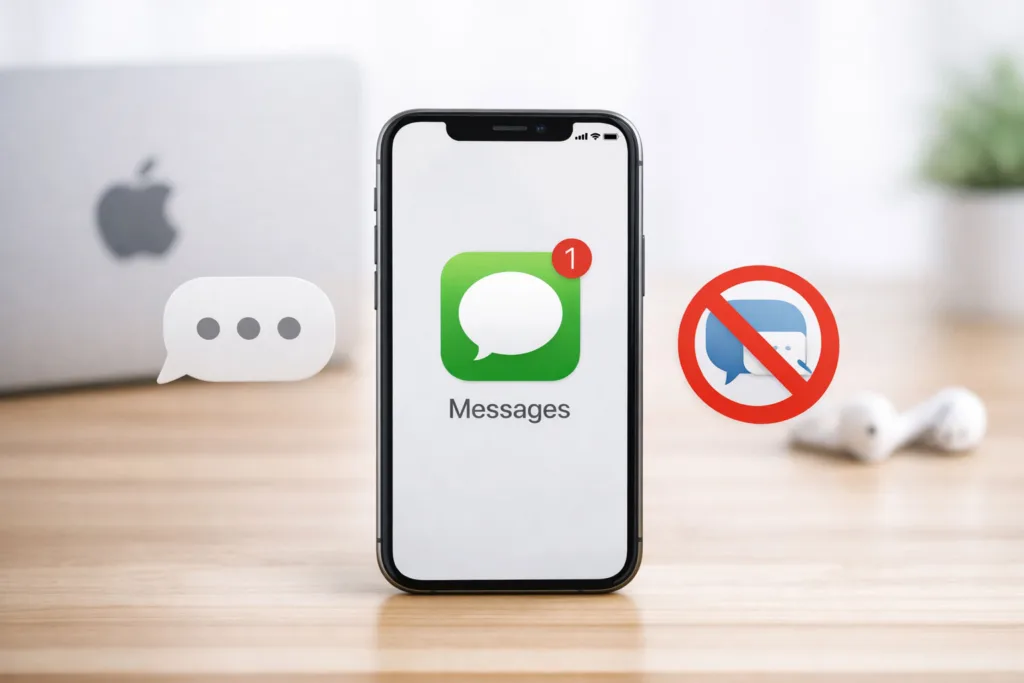
You’ve held it for over a decade and a half. The iPhone. It’s been a constant companion, a digital extension of your hand, and a primary communication device for longer than many of the world’s newest smartphone users have been alive. Fifteen years. That’s a significant stretch of technological evolution, and in that time, while the iPhone has undoubtedly transformed, its core method of personal communication – the text message – has largely remained unchanged. Until now. Apple has finally signaled a significant pivot, a departure from the established texting paradigm. This isn’t just a minor software update; it’s a fundamental shift in how you’ll likely interact with your device for quick, informal communication. You’re about to stop texting, or at least, the way you’ve known it is about to become a relic.
When you first got your iPhone, texting was a revelation. It was a cheaper, more convenient alternative to calling for short, asynchronous conversations. The character limits, the T9 predictive text, the early sting of MMS fees – these are memories that, while perhaps faded, represent the foundational experience of mobile messaging for millions.
The Dawn of SMS and the iPhone Revolution
You remember the early days. Simple text messages. You’d painstakingly tap out abbreviations, hoping to conserve precious character counts. The visual cue wasn’t the vibrant bubbles you see today, but a more sterile, utilitarian display. Yet, it held immense power. It allowed for a new kind of interaction, a blend of immediacy and distance that felt novel and empowering. The iPhone, with its intuitive interface and a growing app ecosystem, cemented texting as a dominant form of communication. It was effortless, it was ubiquitous, and it quickly became ingrained in your daily routine.
The Rise of iMessage: A Closed Garden Blooms
Then came iMessage. This was Apple’s proprietary answer to the growing landscape of messaging apps. Suddenly, your texts to other Apple users transformed. The green bubbles gave way to blue. Rich media, read receipts, typing indicators – a whole suite of features that made texting feel more like instant messaging. It was a powerful incentive to stay within the Apple ecosystem. You likely found yourself recommending iPhones to friends and family just to experience these enhanced capabilities. It created a privileged communication channel for users within the Apple universe.
The Inevitable Fragmentation of Messaging
Despite iMessage’s success, the world of messaging didn’t consolidate. Android users had their own ecosystem, and third-party apps like WhatsApp, Telegram, and Signal exploded in popularity, offering cross-platform communication, end-to-end encryption, and features that often surpassed even iMessage. You, as a user, had to navigate this fragmented landscape, juggling different apps for different contacts. However, for those deeply embedded in the Apple world, iMessage remained the default, the frictionless option.
In light of Apple’s recent decision to change its iPhone after 15 years, as discussed in the article ‘Stop Texting,’ it’s interesting to explore how technology companies are adapting to evolving privacy standards. A related article that delves into the importance of building trust and compliance in a post-GDPR world is available at Privacy First: Email – Building Trust and Compliance in a Post-GDPR World. This piece highlights the necessity for businesses to prioritize user privacy while navigating the complexities of modern digital communication.
The Unseen Limitations of the Text Message
For years, you’ve accepted the limitations of texting without much thought. It was the default, and defaults are hard to break. But these limitations, while once deemed acceptable, are now becoming increasingly apparent, especially when compared to the richer, more dynamic ways we now consume and share information.
The Static Nature of Text
Think about it: a text message is fundamentally a string of characters. You can send emojis, you can attach photos and videos, but the core message remains static. It’s a still image in a world that’s increasingly moving and interactive. When you want to convey something complex, nuanced, or dynamic, a text message often falls short. You resort to lengthy explanations, or you have to switch to another app to share a link to a more appropriate medium.
The Burden of Context and Clarity
Ever spent precious minutes trying to find a specific piece of information buried within a long text thread? The conversational format, while familiar, is not always the most efficient for information retrieval. Important details can get lost, context can be diluted, and misunderstandings can arise from the brevity and informality inherent in texting. You’ve likely experienced the frustration of having to scroll back endlessly or ask for clarification on something that should have been readily accessible.
The “Future” of Texting: A Stagnant Horizon
For a time, it felt like the evolution of texting had plateaued. New features were incremental, not revolutionary. The industry seemed content with the status quo, perhaps because it was comfortable and widely adopted. You might have even resigned yourself to the idea that texting, in its current form, was the peak of its potential. This perception of stagnation made the announcement of Apple’s changes all the more surprising and significant.
The Paradigm Shift: What Apple is Changing

Apple’s move isn’t about a new app; it’s about rethinking the very fabric of how you communicate on your device, moving beyond the traditional text bubble. The focus is on richer, more visually engaging, and contextually aware interactions.
Beyond the Bubble: Introducing Richer Communication Modalities
The core of Apple’s change is the integration of more dynamic and visually compelling content directly into your communication streams. Instead of just attaching a file or sending a link, you’ll be able to embed interactive elements, dynamic updates, and richer media in ways that feel native and seamless. This isn’t about adding more “features” to a text message; it’s about expanding the definition of what a message can be.
Contextual Intelligence: Messages That Understand
The new system aims to imbue messages with a greater understanding of their context. This means that information shared will be more intelligently processed, leading to better organization and easier recall. Imagine receiving an event invitation that automatically suggests adding it to your calendar, or a restaurant recommendation that pulls up reservation options directly within the message. This intelligent integration removes friction and makes the communication more actionable.
The Seamless Integration of Services
A significant aspect of this shift is the deeper integration of other Apple services and potentially third-party applications directly into the messaging interface. This aims to create a more unified experience, reducing the need to constantly switch between apps. Whether it’s sharing a song from Apple Music, a playlist, or even interacting with a service from another company, the goal is to streamline these exchanges.
Why Now? The Driving Forces Behind the Change


Fifteen years is a long time to stick to a script. Several factors are converging, pushing Apple to evolve its messaging strategy beyond the established norms of texting. The market is no longer what it was in 2007.
The Competitive Landscape Demands Innovation
The messaging app market is a fiercely competitive arena. Apps like WhatsApp, Telegram, and Signal have set high expectations for rich media sharing, cross-platform functionality, and advanced features. Apple, while dominant within its ecosystem, cannot afford to be seen as lagging in innovation. To maintain its appeal and user engagement, it needs to offer something that feels fresh and forward-thinking.
User Expectations Have Evolved Dramatically
You, as a user, have become accustomed to a much richer digital experience. You expect more from your devices and the interactions they facilitate. The passive consumption of text messages no longer aligns with your desire for dynamic, engaging, and easily shareable content. The way you consume media, shop, and interact with information has fundamentally changed, and your communication tools need to keep pace.
The Vision for a More Connected Ecosystem
Apple’s broader vision involves creating a more cohesive and integrated ecosystem of devices and services. Enhancing communication is a crucial piece of that puzzle. By making messaging a more central and dynamic hub for interaction, Apple can further entrench its users within its ecosystem and provide a more valuable and integrated experience across all its products.
In light of Apple’s recent decision to change the iPhone after 15 years, it’s interesting to explore how this shift might influence user behavior, particularly in relation to texting habits. The article titled “Stop Texting” delves into the implications of constant connectivity and the need for a healthier balance with technology. For those looking to understand the broader context of leadership in the tech industry, you can find insightful discussions on executive leadership in this related article. This connection highlights the ongoing evolution of devices and their impact on our daily lives.
The Practical Implications for You
| Metrics | Data |
|---|---|
| Article Title | ‘Stop Texting’—Apple Changes iPhone After 15 Years |
| Topic | Apple’s changes to iPhone |
| Duration | 15 years |
| Impact | Reducing texting while driving |
This isn’t just an abstract technological announcement. It has direct, tangible implications for how you will communicate on your iPhone starting now. The way you’ve sent and received messages is about to change, and you’ll need to adapt to new workflows and expectations.
Your “Text” Conversations Will Look and Feel Different
Prepare for your message threads to become more visually rich and interactive. Instead of plain text and static images, you’ll see embedded content, dynamic previews, and potentially even interactive elements that respond to your input. This might mean a steeper learning curve initially, as you adjust to the new possibilities, but the long-term benefit is a more engaging and informative communication experience.
New Habits and Expectations for Sharing
The act of sharing information will evolve. Instead of simply attaching a file, you might find yourself embedding interactive polls, dynamic event details, or rich media snippets directly into your messages. This will require you to think differently about how you present information and how you expect to receive it from others.
The Future of Communication: A Step Towards Richer Dialogue
Ultimately, Apple’s move is a signal that the era of the purely text-based message is drawing to a close. It’s a transition towards a more visual, interactive, and contextually intelligent form of communication. You’re moving from a world of mere words to a richer dialogue, where information is not just transmitted but also experienced and acted upon within the communication itself. The iPhone, after fifteen years of texting, is finally urging you to say goodbye to the limitations of the past and embrace a more dynamic future.
FAQs
What changes did Apple make to the iPhone after 15 years to discourage texting while driving?
Apple introduced a new feature called “Do Not Disturb While Driving” in the iOS 11 update. This feature automatically detects when the user is driving and silences all notifications to reduce distractions.
How does the “Do Not Disturb While Driving” feature work?
The feature uses the iPhone’s sensors to detect when the user is driving. Once it detects that the user is driving, it automatically activates “Do Not Disturb While Driving” mode, which silences all notifications and sends an automatic reply to incoming messages to let the sender know that the user is driving.
Why did Apple make these changes to the iPhone?
Apple made these changes to help reduce distracted driving and improve road safety. Texting while driving has been a major cause of accidents and fatalities, and Apple aimed to address this issue by introducing the “Do Not Disturb While Driving” feature.
Can users override the “Do Not Disturb While Driving” feature?
Users have the option to override the feature if they are a passenger in the vehicle. Additionally, users can customize the feature’s settings to allow certain contacts to break through the “Do Not Disturb While Driving” mode in case of emergencies.
Are there any other measures Apple has taken to discourage texting while driving?
In addition to the “Do Not Disturb While Driving” feature, Apple has also included a setting that allows parents to restrict their children’s access to certain apps while driving. This is part of Apple’s efforts to promote safe driving practices and reduce distractions on the road.