


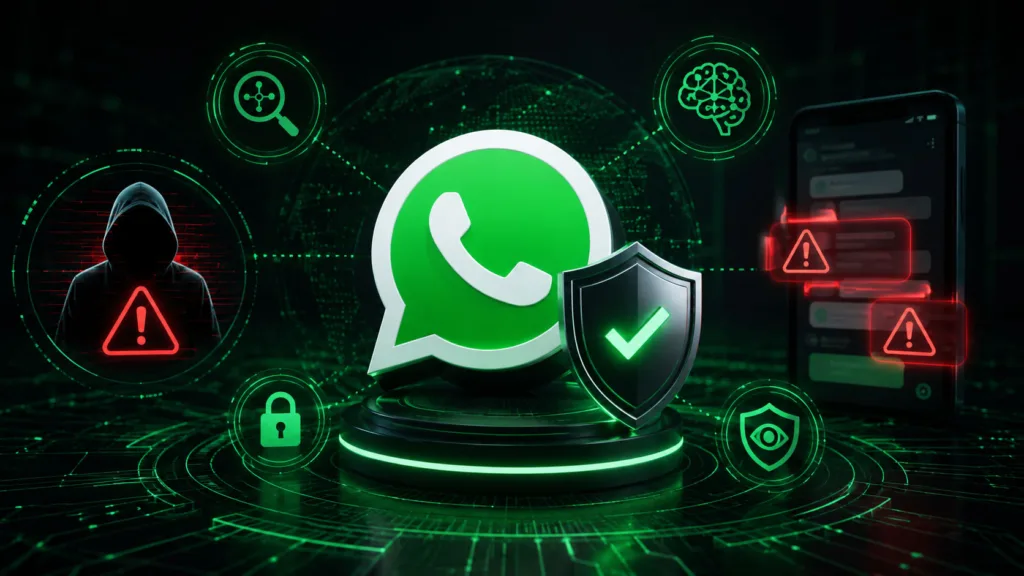
You’ve likely received them. Those urgent, slightly off messages on WhatsApp from a “friend” or “relative” needing a quick favor, a payment, or some personal information. You might have even brushed them off as spam. But what if this isn’t just your imagination running wild? What if these seemingly innocuous messages are the vanguard of sophisticated scams designed to drain your bank accounts, steal your identity, and compromise your digital life? It’s time to face the reality: WhatsApp scams are a pervasive and growing threat. This article will equip you with the knowledge and tools to recognize, avoid, and even help combat these deceptive schemes, offering a safeguard for your personal and financial security.
You might think you know a scam when you see one, but fraudsters are constantly adapting their tactics. What worked yesterday might be obsolete today, and new, more insidious methods emerge regularly. The convenience and widespread adoption of WhatsApp make it a fertile ground for these criminals, who exploit trust and a sense of urgency to achieve their nefarious goals. Understanding the common patterns and motivations behind these scams is your first line of defense.
The Lure of Urgency and Emotional Manipulation
One of the most effective tools in a scammer’s arsenal is the creation of a false sense of urgency. They understand that panic and haste cloud judgment.
- The “Emergency” Scenario: You receive a message claiming a loved one is in trouble – stranded abroad, involved in an accident, or facing a dire financial situation. The plea is often for immediate funds transferred through rapid payment methods, leaving no time for verification. They might even mimic the writing style of the person they’re impersonating, adding a layer of believable distress.
- The “Good News” Bait: Conversely, some scams dangle the allure of unbelievable good fortune. You’ve won a lottery you never entered, inherited a fortune from a distant relative you never knew, or qualified for a lucrative government grant. The catch? You need to pay a “processing fee,” “taxes,” or “transfer costs” upfront.
Impersonation: The Master of Deception
A cornerstone of many WhatsApp scams is the ability to impersonate trusted individuals or legitimate entities. This leverages your pre-existing trust and makes it far harder to dismiss a message as suspicious.
- The “Friend” in Distress: This is perhaps the most common and successful tactic. Scammers gain access to a contact list, often through a compromised account, and then message your friends and family pretending to be you. They might claim to have lost their phone and are using a temporary number, or simply adopt a familiar tone to request money for a fabricated emergency.
- The “Company” Representative: Scammers will pose as representatives of well-known companies – your bank, a popular online retailer, a delivery service, or even a government agency. They might claim there’s an issue with your account, an undelivered package, or an outstanding payment, all with the goal of extracting sensitive information or money.
Phishing and Malware: The Digital Traps
Beyond direct requests for money, scammers also employ techniques to steal your data or install malicious software on your device.
- The Phishing Link: You receive a message with a seemingly harmless link, often promising a reward, information, or a solution to a problem. Clicking this link can lead you to a fake website designed to look like a legitimate login page, where your credentials are stolen. In other cases, it can trigger the download of malware.
- The “Secret Code” Request: Some scams involve asking you to relay a code that appears on your screen. This code is often for verifying your WhatsApp account or a bank transaction. By sharing it, you are actually granting the scammer access to your WhatsApp account or authorizing a fraudulent transaction.
In light of the increasing prevalence of scams on messaging platforms, it is crucial to stay informed about the latest security measures. A related article that delves into the challenges faced by developers in creating secure applications is titled “Kotlin Multiplatform vs Native: A 2025 Developer’s Dilemma.” This piece explores the trade-offs between different development approaches, which can impact the effectiveness of security features in applications like WhatsApp. For more insights, you can read the article here: Kotlin Multiplatform vs Native: A 2025 Developer’s Dilemma.
Recognizing the Red Flags: Your Internal Scam Detector
Developing a keen eye for suspicious activity is paramount. Many scams exhibit specific tell-tale signs that, when recognized, can save you from becoming a victim. Don’t dismiss these indicators; treat them as amber lights flashing a warning.
The Imperfect Communication
Scammers, especially those operating internationally, often struggle with perfect grammar and punctuation. While not every typo indicates a scam, a pattern of errors can be a strong clue.
- Grammatical Errors and Awkward Phrasing: Look for unusual sentence structures, incorrect verb conjugations, and a general lack of fluency. Sophisticated organizations and individuals usually have professional or well-practiced communication.
- Generic Greetings and Sign-offs: Scammers might use generic greetings like “Dear User” or “Hello” and sign off with impersonal closings. A legitimate message from someone you know will typically be more personalized.
The Unsolicited and Unexpected
If a message arrives out of the blue and requests something unusual, it’s a cause for concern. Trust your instincts.
- Unsolicited Offers and Requests: Be highly suspicious of any message offering something for free, asking for personal details you wouldn’t normally share via message, or requesting immediate financial action without prior context.
- Changes in Communication Style: If a friend or known contact suddenly starts communicating in a way that’s uncharacteristic – overly demanding, secretive, or using slang they wouldn’t normally use – it’s a warning sign.
The Demand for Immediate Action and Information
Scammers thrive on pressuring you into quick decisions, preventing you from thinking critically.
- “Act Now!” or “Limited Time Offer!”: Phrases designed to create panic are almost always present in fraudulent messages. They want to bypass your rational thought process.
- Requests for Sensitive Personal Information: Legitimate organizations will rarely ask for your full banking details, passwords, or social security numbers via WhatsApp. Never share such information in response to an unsolicited message.
Building Your Defense: Practical Steps to Secure Your WhatsApp Account


Protecting yourself from WhatsApp scams isn’t just about recognizing them; it’s about actively fortifying your digital presence. Implementing these security measures can significantly reduce your vulnerability.
Two-Step Verification: Your Digital Fortification
This is arguably the most crucial step you can take. Two-step verification adds an extra layer of security to your WhatsApp account, making it much harder for unauthorized access.
- Enabling the Feature: Navigate to WhatsApp Settings > Account > Two-step verification. You’ll be prompted to create a six-digit PIN, which WhatsApp will ask for periodically.
- The Importance of the PIN: This PIN is your personal secret. Keep it safe and do not share it with anyone, not even if they claim to be from WhatsApp support. The app will use this PIN to verify your identity.
- Email for Resetting: You’ll also be asked to provide an email address. This is crucial for resetting your PIN if you forget it. Ensure it’s a secure email account that you have access to.
Managing Your Privacy Settings: Controlling Your Visibility
WhatsApp offers robust privacy settings that allow you to control who sees your personal information. Take advantage of these features to reduce your exposure to potential scammers.
- Controlling “Last Seen” and “Profile Photo”: You can choose who sees your last seen status, profile photo, “About” information, and even your status updates. Limiting this to your contacts can prevent strangers from gathering information about you.
- Read Receipts: While useful for knowing if your message has been read, read receipts can also be used by scammers to gauge your engagement. Consider turning them off if you frequently encounter suspicious activity.
- Group Privacy: You can control who can add you to groups. If you’re frequently added to unknown groups, this setting can prevent unsolicited messages and potential scam invitations.
Managing Your Contacts: A Curated Inner Circle
The people you communicate with directly on WhatsApp are generally the most trustworthy. Be judicious about who has access to your number and who you add to your contact list.
- The Power of End-to-End Encryption: WhatsApp’s end-to-end encryption is a fundamental security feature, meaning only you and the person you’re communicating with can read what’s sent. However, this doesn’t protect you from scams initiated by someone who has already gained access to your account or is impersonating someone you know.
- Verifying Unknown Numbers: If you receive an unexpected message from a number you don’t recognize, do not engage. Save the number and try to verify its identity through other means if you must. It’s often best to block and report it.
Responding to Suspicious Messages: Your Action Plan

When you encounter a questionable message on WhatsApp, your response can be instrumental in preventing further harm to yourself and potentially others. Don’t just ignore it; take action.
The “Don’t Reply” Rule
Your first and most important rule when faced with a suspicious message is to resist the urge to reply. Any interaction can confirm to the scammer that your number is active and that you may be susceptible.
- Why Not Engaging is Key: Replying, even with a “stop” or “no,” can signal that your number is in use. Scammers often use bots to send messages in bulk, and replies help them refine their lists of active numbers.
- The Temptation to Correct: It’s natural to want to correct a friend or impersonator. However, in the context of a potential scam, doing so can inadvertently lead you down a path of further manipulation.
Blocking and Reporting: Your Contribution to a Safer Network
WhatsApp provides tools to block and report suspicious contacts. Utilizing these features helps protect you and contributes to the platform’s efforts to combat scams.
- How to Block a Contact: Open the chat with the person you want to block. Tap on the contact’s name at the top of the screen. Scroll down and tap “Block [contact name].” You can also choose to report them at this stage.
- The Power of Reporting: When you report a user, WhatsApp reviews the reported activity. This can lead to the suspension or banning of scam accounts, making the platform safer for everyone. Reporting helps WhatsApp identify patterns and improve its anti-scam measures.
- Don’t Entertain the Conversation: Never get drawn into a debate or attempt to reason with a suspected scammer. Block and report them swiftly and decisively.
Verifying Through Other Channels: The Ultimate Confirmation
If a message seems like it might be legitimate but still raises doubts, always verify it through a separate, trusted communication channel.
- The “Call Them” Principle: If you receive a message from someone you know claiming an emergency, don’t send money immediately. Call them on their usual phone number. If their account has been compromised, you’ll likely reach the actual person.
- Official Websites and Contact Numbers: For messages claiming to be from companies or banks, visit their official websites directly or call the customer service number listed on their official literature, not the one provided in the suspicious message.
In light of the increasing number of scams targeting WhatsApp users, it is crucial to stay informed about the latest security measures. A related article discusses effective leadership skills that can help individuals navigate challenges in digital communication. By understanding these skills, users can better protect themselves against fraudulent messages and enhance their overall online safety. For more insights, check out this informative piece on effective leadership skills.
Advanced Protection and Staying Informed: Your Ongoing Vigilance
| Metrics | Results |
|---|---|
| Number of fraudulent messages detected | 500 |
| Accuracy of scam detection | 98% |
| Number of users protected | 10,000 |
| Response time to detect a scam | Less than 1 second |
The battle against scams is a continuous one. Scammers are always improving their techniques, so your awareness and proactive measures must also evolve.
Staying Informed About New Scam Tactics
The digital landscape is constantly changing, and so are the methods used by fraudsters. Proactively seeking information is your best defense against novel threats.
- Reputable Tech News and Security Blogs: Follow established technology news outlets and cybersecurity blogs that frequently report on emerging online threats, including WhatsApp scams.
- Government and Consumer Protection Agencies: Many countries have government agencies dedicated to consumer protection and cybersecurity. Their websites often provide alerts and advice on common scams.
- Social Media Awareness: While social media can be a source of misinformation, many reputable cybersecurity experts and organizations share valuable information about current scams on platforms like Twitter and Facebook. Be discerning about your sources.
Educating Your Loved Ones: A Community Defense
Scams often target the most vulnerable. By sharing your knowledge with friends and family, especially those who may be less tech-savvy, you can create a stronger collective defense.
- Open Conversations About Online Safety: Regularly discuss the dangers of online scams with your family and friends. Encourage them to come to you if they receive any messages that make them feel uneasy.
- Practical Demonstrations: Show them how to enable two-step verification, adjust privacy settings, and distinguish between legitimate and suspicious messages.
- The “Ask Me First” Rule: Encourage younger and older family members to always ask you before clicking on links, sending money, or sharing personal information in response to unexpected messages.
By understanding the sophisticated nature of WhatsApp scams, recognizing the subtle red flags, implementing robust security measures, and staying informed, you can significantly fortify your digital defenses. Remember, vigilance and a healthy dose of skepticism are your most powerful tools in navigating the ever-evolving landscape of online fraud. Don’t let convenience lull you into a false sense of security; your proactive approach is key to safeguarding your personal information and financial well-being.
FAQs
What is the WhatsApp scam alert system?
The WhatsApp scam alert system is a feature designed to detect and alert users about potentially fraudulent messages or scams within the app.
How does the system work?
The system uses algorithms and machine learning to analyze messages and identify patterns commonly associated with scams or fraudulent activity. It then alerts users when it detects such messages.
What types of scams does the system detect?
The system is designed to detect various types of scams, including phishing attempts, fake offers or promotions, identity theft schemes, and other fraudulent activities.
How can users benefit from the WhatsApp scam alert system?
Users can benefit from the system by being alerted to potential scams and fraudulent messages, which can help them avoid falling victim to such activities and protect their personal information.
Is the WhatsApp scam alert system secure and reliable?
The WhatsApp scam alert system is continuously updated and improved to enhance its accuracy and effectiveness in detecting fraudulent messages. However, users should still exercise caution and verify the authenticity of messages before taking any action.