



In the rapidly evolving field of genetics, information technology (IT) plays a pivotal role in gene sequencing. As you delve into the complexities of DNA analysis, you will find that IT systems are essential for managing the vast amounts of data generated during sequencing processes. High-throughput sequencing technologies produce terabytes of data, and without robust IT infrastructure, it would be nearly impossible to store, process, and analyze this information effectively.
You may appreciate how IT facilitates the automation of sequencing processes, allowing for faster and more accurate results. This automation not only enhances efficiency but also reduces the potential for human error, which is crucial in a field where precision is paramount. Moreover, IT enables the integration of various sequencing technologies and platforms, creating a seamless workflow from sample collection to data interpretation.
You might find it fascinating that cloud computing has emerged as a game-changer in this domain, providing scalable storage solutions and powerful computational resources. This allows researchers and clinicians to access and analyze genomic data from anywhere in the world, fostering collaboration and innovation. As you explore the role of IT in gene sequencing, consider how these technological advancements are not just tools but essential components that drive the future of genetic research and personalized medicine.
Key Takeaways
- IT plays a crucial role in advancing gene sequencing and personalized medicine through data management and computational analysis.
- Integration of bioinformatics and computational biology enhances the accuracy and efficiency of genetic research.
- Personalized medicine benefits from IT solutions that enable tailored treatments based on individual genetic profiles.
- Interdisciplinary collaboration is essential to address challenges and ethical considerations in bio-tech integration.
- The future of gene sequencing relies on continued innovation at the intersection of IT and genetics to unlock new medical possibilities.
Advancements in Bio-Tech Integration
As you navigate the landscape of biotechnology, you will encounter remarkable advancements that have transformed the integration of IT and biological sciences. The convergence of these fields has led to innovative solutions that enhance research capabilities and improve patient outcomes. For instance, the development of sophisticated laboratory information management systems (LIMS) has streamlined workflows in genetic laboratories.
These systems allow for real-time tracking of samples, ensuring that data integrity is maintained throughout the sequencing process. You may find it intriguing how these advancements have not only improved efficiency but also facilitated compliance with regulatory standards. In addition to LIMS, advancements in artificial intelligence (AI) and machine learning are revolutionizing bio-tech integration.
You might be surprised to learn how AI algorithms can analyze genomic data at unprecedented speeds, identifying patterns and correlations that would be impossible for humans to discern. This capability is particularly valuable in drug discovery and development, where AI can predict how different genetic profiles will respond to specific treatments. As you consider the implications of these advancements, reflect on how they are reshaping the future of healthcare by enabling more targeted and effective therapies.
The Impact of Personalized Medicine
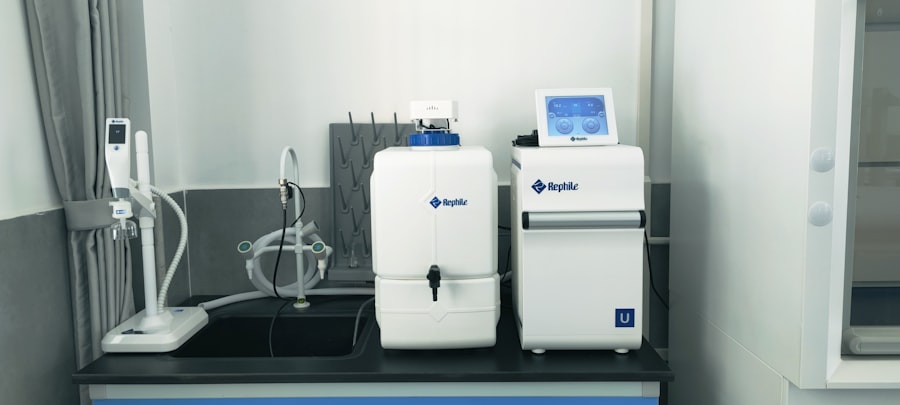

Personalized medicine represents a paradigm shift in healthcare, and its impact is profound. As you explore this concept, you will discover that it tailors medical treatment to the individual characteristics of each patient, particularly their genetic makeup. This approach contrasts sharply with the traditional “one-size-fits-all” model, which often fails to account for the unique genetic variations among individuals.
You may find it compelling how personalized medicine leverages genetic information to predict disease risk, optimize treatment plans, and improve overall patient outcomes. The implications of personalized medicine extend beyond individual patients; they also influence public health strategies. By understanding genetic predispositions to certain diseases, healthcare providers can implement preventive measures tailored to specific populations.
This proactive approach not only enhances patient care but also reduces healthcare costs by minimizing the need for more extensive treatments later on. As you reflect on the impact of personalized medicine, consider how it represents a significant step toward a more precise and effective healthcare system that prioritizes individual needs.
Data Management and Analysis in Gene Sequencing
| Metric | Description | Typical Value/Range | Unit |
|---|---|---|---|
| Read Length | Average length of DNA fragments sequenced | 50 – 300 | Base Pairs (bp) |
| Sequencing Depth | Number of times a nucleotide is read during sequencing | 30 – 100 | Coverage (X) |
| Data Output per Run | Amount of raw sequencing data generated per sequencing run | 10 – 600 | Gigabases (Gb) |
| Alignment Rate | Percentage of reads successfully aligned to reference genome | 70 – 99 | Percent (%) |
| Variant Calling Accuracy | Proportion of correctly identified genetic variants | 95 – 99.9 | Percent (%) |
| Data Storage Requirement | Storage needed for raw and processed sequencing data | 100 – 1000 | Gigabytes (GB) per genome |
| Processing Time | Time required for data analysis pipeline per genome | 4 – 48 | Hours |
| Error Rate | Frequency of sequencing errors per base | 0.1 – 1 | Percent (%) |
Data management and analysis are critical components of gene sequencing that cannot be overlooked. As you engage with this topic, you will recognize that effective data management ensures that genomic information is organized, accessible, and secure. The sheer volume of data generated by sequencing technologies necessitates sophisticated data storage solutions and management practices.
You may find it interesting that many organizations are adopting big data technologies to handle this influx of information, allowing for efficient storage and retrieval while maintaining data integrity. In addition to storage, data analysis plays a crucial role in interpreting genomic information. You might be intrigued by the various bioinformatics tools available that assist researchers in analyzing complex datasets.
These tools enable the identification of genetic variants associated with diseases, paving the way for new therapeutic strategies. As you consider the importance of data management and analysis in gene sequencing, reflect on how these processes are integral to translating raw genomic data into actionable insights that can ultimately improve patient care.
Bioinformatics and Computational Biology
Bioinformatics and computational biology are at the forefront of modern genetics, providing essential tools for analyzing biological data. As you delve into this field, you will discover that bioinformatics combines biology, computer science, and mathematics to interpret complex genomic information. You may find it fascinating how bioinformaticians develop algorithms and software applications that facilitate the analysis of large-scale genomic datasets.
This interdisciplinary approach allows researchers to uncover insights into gene function, regulation, and interaction. Computational biology complements bioinformatics by focusing on modeling biological processes through computational methods. You might appreciate how these models can simulate genetic interactions or predict the effects of mutations on protein function.
This predictive capability is invaluable in drug development and personalized medicine, as it enables researchers to identify potential therapeutic targets based on genetic profiles. As you explore bioinformatics and computational biology further, consider how these fields are revolutionizing our understanding of genetics and paving the way for innovative medical solutions.
IT Solutions for Personalized Medicine
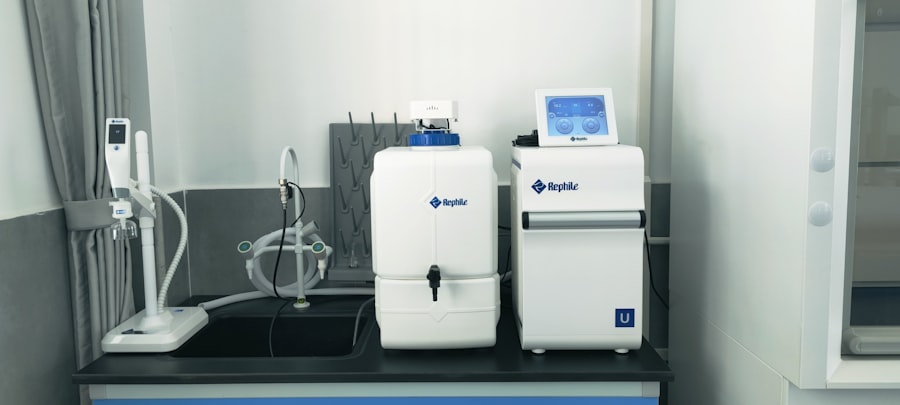
The integration of IT solutions into personalized medicine is transforming how healthcare providers approach patient care. As you examine this intersection, you will find that electronic health records (EHRs) play a crucial role in facilitating personalized treatment plans. EHRs can store comprehensive patient information, including genetic data, which allows healthcare providers to make informed decisions based on an individual’s unique genetic profile.
You may find it compelling how this integration enhances communication among healthcare teams and ensures that all relevant information is readily available when making treatment decisions. Furthermore, IT solutions such as telemedicine platforms are expanding access to personalized medicine. You might be intrigued by how these platforms enable patients to consult with specialists remotely, ensuring that they receive tailored care regardless of their geographical location.
This accessibility is particularly important for individuals with rare genetic conditions who may require specialized expertise not available in their local area. As you consider the role of IT solutions in personalized medicine, reflect on how they are not only improving patient outcomes but also democratizing access to advanced healthcare services.
The Future of Gene Sequencing and Personalized Medicine
Looking ahead, the future of gene sequencing and personalized medicine appears promising yet complex. As you contemplate this future, you will likely encounter advancements in sequencing technologies that continue to reduce costs and increase accuracy. Innovations such as nanopore sequencing are making it possible to sequence entire genomes quickly and affordably, which could revolutionize routine clinical practice.
You may find it exciting to think about a time when whole-genome sequencing becomes standard for all patients, allowing for more comprehensive assessments of health risks. Moreover, as personalized medicine evolves, you will see an increasing emphasis on integrating genomic data with other health information sources, such as lifestyle factors and environmental influences. This holistic approach could lead to more precise predictions about disease risk and treatment responses.
As you envision the future landscape of gene sequencing and personalized medicine, consider how these advancements will not only enhance individual patient care but also contribute to a deeper understanding of human health at a population level.
Challenges and Opportunities in Bio-Tech Integration
While the integration of IT into biotechnology presents numerous opportunities, it also comes with its share of challenges. As you explore this dynamic landscape, you will encounter issues related to data privacy and security that must be addressed as genomic data becomes increasingly accessible. You may find it concerning that breaches in data security could compromise sensitive patient information or undermine public trust in genetic research.
It is essential for organizations to implement robust cybersecurity measures to protect this valuable data while ensuring compliance with regulations such as HIPAA. On the other hand, these challenges also present opportunities for innovation within the bio-tech sector. You might be inspired by how companies are developing advanced encryption techniques and secure data-sharing platforms to safeguard genomic information while promoting collaboration among researchers.
Additionally, as public awareness of genetic testing grows, there is an opportunity for educational initiatives that empower patients to understand their genetic information better. As you reflect on the challenges and opportunities in bio-tech integration, consider how navigating this complex landscape will shape the future of healthcare.
Ethical Considerations in Personalized Medicine
As personalized medicine continues to advance, ethical considerations become increasingly important. You may find yourself grappling with questions surrounding consent, privacy, and equity in access to genetic testing and treatments. For instance, obtaining informed consent from patients before conducting genetic tests is crucial; however, many individuals may not fully understand the implications of sharing their genetic information.
This lack of understanding raises ethical concerns about whether patients can truly provide informed consent. Additionally, disparities in access to personalized medicine pose significant ethical challenges. You might be concerned about how socioeconomic factors can influence an individual’s ability to access advanced genetic testing or targeted therapies.
Ensuring equitable access to these innovations is essential for promoting fairness in healthcare delivery. As you contemplate the ethical considerations surrounding personalized medicine, reflect on how addressing these issues will be vital for fostering trust between patients and healthcare providers while ensuring that advancements benefit all members of society.
The Intersection of IT and Genetics
The intersection of IT and genetics is a fascinating area that continues to evolve rapidly. As you explore this intersection further, you will discover how advancements in IT have enabled unprecedented progress in genetic research and clinical applications. For example, cloud computing has revolutionized data storage and analysis capabilities, allowing researchers to collaborate across borders while accessing vast genomic datasets with ease.
You may find it remarkable how this collaborative environment fosters innovation and accelerates discoveries in genetics. Moreover, IT solutions such as blockchain technology are emerging as potential tools for enhancing data security and integrity in genetic research. By providing a decentralized ledger for tracking genomic data transactions, blockchain can ensure transparency while protecting sensitive information from unauthorized access.
As you consider the implications of these technological advancements at the intersection of IT and genetics, reflect on how they are shaping not only research practices but also clinical applications that have the potential to transform patient care.
The Importance of Interdisciplinary Collaboration in Bio-Tech Integration
Interdisciplinary collaboration is essential for successful bio-tech integration as it brings together diverse expertise from various fields such as genetics, computer science, engineering, and ethics. As you engage with this concept, you will recognize that collaboration fosters innovation by combining different perspectives and skill sets to address complex challenges in biotechnology. For instance, bioinformaticians working alongside geneticists can develop more effective algorithms for analyzing genomic data while ensuring biological relevance.
Furthermore, interdisciplinary collaboration extends beyond research teams; it also involves partnerships between academia, industry, and healthcare providers. You might appreciate how these collaborations can lead to the development of new technologies or therapies that directly benefit patients. By fostering an environment where diverse disciplines converge, organizations can accelerate progress in bio-tech integration while addressing ethical considerations and ensuring equitable access to advancements in personalized medicine.
As you reflect on the importance of interdisciplinary collaboration in this field, consider how it will shape the future landscape of healthcare innovation.
In the rapidly evolving field of personalized medicine, the integration of IT in gene sequencing plays a crucial role in enhancing patient care and treatment outcomes. For further insights into how technology is reshaping various industries, you might find the article on unlocking tech brand success with generative engine optimization particularly interesting, as it explores innovative approaches that can be applied across different sectors, including healthcare.
FAQs
What is bio-tech integration?
Bio-tech integration refers to the combination of biotechnology with information technology (IT) to enhance research, development, and application in fields such as gene sequencing and personalized medicine.
How does IT contribute to gene sequencing?
IT plays a crucial role in gene sequencing by providing computational power for processing large volumes of genetic data, enabling faster and more accurate analysis, storage, and interpretation of sequencing results.
What is personalized medicine?
Personalized medicine is a medical approach that tailors treatment and healthcare decisions to an individual’s genetic makeup, lifestyle, and environment, often using data derived from gene sequencing.
Why is gene sequencing important for personalized medicine?
Gene sequencing identifies genetic variations that influence how patients respond to treatments, allowing healthcare providers to customize therapies for better efficacy and reduced side effects.
What types of IT tools are used in gene sequencing?
Common IT tools include bioinformatics software, data analytics platforms, cloud computing, machine learning algorithms, and databases that manage and analyze genetic information.
How does data security factor into bio-tech integration?
Data security is critical because genetic information is sensitive and personal. IT systems must implement robust encryption, access controls, and compliance with privacy regulations to protect patient data.
What challenges exist in integrating IT with biotechnology?
Challenges include managing vast amounts of data, ensuring data accuracy, maintaining privacy, integrating diverse data sources, and developing standardized protocols for analysis and interpretation.
How does bio-tech integration impact healthcare outcomes?
By enabling precise genetic analysis and personalized treatment plans, bio-tech integration improves diagnosis accuracy, treatment effectiveness, and patient outcomes while potentially reducing healthcare costs.
Can bio-tech integration accelerate drug development?
Yes, integrating IT with biotechnology accelerates drug discovery by analyzing genetic data to identify targets, predict drug responses, and streamline clinical trials through better patient stratification.
What future trends are expected in bio-tech integration?
Future trends include increased use of artificial intelligence, real-time genetic data analysis, expanded use of wearable health devices, and greater collaboration between IT and biotech sectors to advance personalized medicine.