



By 2026, data analytics and emerging technologies are not just tools; they are the tectonic plates shifting the very foundations of your business. You’re not just observing these transformations; you are navigating them, and your ability to adapt today will determine your standing tomorrow. The digital landscape, once a navigable river, has become an ocean, and understanding its currents – powered by data and innovation – is paramount to survival and prosperity.
You stand at a pivotal moment where data is your most valuable currency, and its intelligent analysis is the compass guiding your strategic decisions. By 2026, the raw materials of information have been refined into actionable intelligence, allowing you to anticipate market shifts, customer needs, and operational bottlenecks with unprecedented accuracy. This is not about reacting to the past; it’s about proactively shaping the future.
Demystifying Predictive Analytics: From Hindsight to Foresight
You’ve likely moved beyond descriptive analytics, the reports that tell you what happened. By 2026, your focus sharpens on predictive analytics. This involves utilizing historical data, statistical algorithms, and machine learning techniques to forecast future outcomes. Think of it as peering into a crystal ball, but one crafted from hard data and rigorous statistical models.
Forecasting Customer Behavior: The Art of Anticipation
You are no longer guessing what your customers want. Predictive models analyze past purchase patterns, browsing history, demographic information, and even social media sentiment to predict future buying preferences and potential churn. This allows you to personalize marketing campaigns, optimize inventory levels, and proactively address customer concerns before they even arise, transforming customer retention from a defensive strategy into an offensive one.
Supply Chain Optimization: Building Resilience Through Prediction
Your supply chain is a complex organism, and by 2026, predictive analytics allows you to understand its heartbeat. You can forecast demand fluctuations with greater precision, allowing for optimized stock management, reduced waste, and proactive identification of potential disruptions – be it geopolitical events, natural disasters, or supplier issues. This foresight builds a more resilient and agile supply chain, capable of weathering unforeseen storms.
Financial Forecasting and Risk Management: Navigating the Economic Tides
The financial landscape is perpetually in flux. Predictive analytics empowers you to model revenue streams, forecast market trends, and identify potential financial risks. This allows for more informed investment decisions, proactive hedging strategies, and a robust framework for managing financial volatility, ensuring your business remains solvent and competitive.
Prescriptive Analytics: Turning Insights into Actions
You’re not content with simply knowing what might happen; you want to know what you should do about it. Prescriptive analytics builds upon predictive capabilities by recommending specific actions to achieve desired outcomes. It’s the navigation system that not only tells you where to go but also plots the most efficient route, considering all available variables.
Resource Allocation: Directing Your Efforts with Precision
You need to ensure your resources – be it human capital, budget, or equipment – are deployed optimally. Prescriptive models can suggest the best allocation strategies to maximize return on investment, minimize costs, and achieve specific business objectives. This prevents the wasteful scattering of effort and directs your energies like a laser beam.
Operational Efficiency Improvements: Streamlining Your Engine
Your internal operations are your business’s engine. Prescriptive analytics can identify bottlenecks, inefficiencies, and areas for process improvement. It can recommend the precise adjustments needed to streamline workflows, reduce cycle times, and enhance overall productivity, making your operational engine run smoother and faster.
As businesses increasingly rely on data analytics and emerging technology trends to drive their strategies, understanding the tools available becomes essential. For instance, cloud storage solutions are pivotal in managing and analyzing vast amounts of data efficiently. A related article that explores this topic in depth is titled “The Best Cloud Storage Solutions for Small Businesses: A 2025 Review,” which discusses various options that can help small businesses leverage data analytics effectively. You can read more about it by visiting this link: The Best Cloud Storage Solutions for Small Businesses: A 2025 Review.
The Algorithmic Alchemist: Emerging Technologies Shaping Your Business Landscape
Emerging technologies are the catalysts transforming raw data into gold. By 2026, you are witnessing the widespread integration of technologies that were once the domain of science fiction, now becoming integral to your operational fabric. These innovations are not just adding bells and whistles; they are fundamentally altering how you operate, innovate, and compete.
Artificial Intelligence and Machine Learning: The Intelligent Core
AI and ML are no longer buzzwords; they are the intelligent core of your business operations. You are leveraging their power to automate complex tasks, derive deeper insights from data, and create entirely new customer experiences. Think of AI as your most sophisticated and tireless employee, capable of learning, adapting, and performing at scales previously unimaginable.
Enhanced Customer Service: The Empathetic Digital Assistant
You are deploying AI-powered chatbots and virtual assistants to handle customer inquiries, provide instant support, and personalize interactions. These intelligent agents are learning and evolving, offering increasingly sophisticated and empathetic customer service, freeing up human agents for more complex and nuanced issues.
Automated Decision-Making: Delegating the Mundane
AI is increasingly capable of making routine decisions, from approving loan applications to managing inventory reorders. This automation not only improves efficiency but also reduces human error, allowing your teams to focus on strategic thinking and creative problem-solving.
Personalized Product Development: Crafting for the Individual
By analyzing vast datasets on user behavior and preferences, AI can inform the development of highly personalized products and services. This means creating offerings that resonate deeply with individual customer needs, fostering loyalty and driving market differentiation.
Internet of Things (IoT): The Connected Nervous System
The IoT is weaving a web of interconnected devices, creating a vast network of data-generating sensors. For your business, this translates into a hyper-connected environment where real-time data streams offer unparalleled visibility into operations, assets, and customer environments. Consider IoT as providing your business with a thousand eyes and ears, constantly feeding you vital information.
Real-time Asset Tracking and Management: Knowing Where Everything Is
You can now track assets in real-time, from delivery trucks on the road to machinery on the factory floor. This enables optimized logistics, proactive maintenance, and improved security, ensuring your valuable assets are always accounted for and performing optimally.
Predictive Maintenance: Preventing Downtime Before It Strikes
IoT sensors embedded in your equipment can monitor performance metrics and predict potential failures. This allows for maintenance to be scheduled proactively, preventing costly downtime and ensuring uninterrupted operations – a critical advantage in maintaining business continuity.
Smart Environments and Operations: Optimizing Every Space
From smart warehouses that manage inventory autonomously to smart offices that optimize energy consumption, IoT is transforming physical spaces into intelligent environments. This leads to greater efficiency, reduced operational costs, and improved working conditions.
Blockchain Technology: The Immutable Ledger of Trust
Blockchain, once predominantly associated with cryptocurrencies, is now proving its worth as an immutable ledger for secure and transparent data management. For your business, it offers a new paradigm for trust, transparency, and efficiency in transactions and record-keeping. Imagine blockchain as a tamper-proof notary, recording every transaction with absolute certainty.
Secure Supply Chain Transparency: Tracking Products with Confidence
You can use blockchain to create an auditable and transparent record of a product’s journey from origin to consumer. This enhances trust, combats counterfeiting, and provides consumers with verifiable information about the products they purchase.
Streamlined Transactional Processes: Eliminating Intermediaries
Blockchain can facilitate peer-to-peer transactions, reducing the need for intermediaries and associated fees. This can streamline processes such as payments, contract execution, and credential verification, leading to significant cost savings and increased speed.
Enhanced Data Security and Integrity: A Fortress for Your Information
The distributed and cryptographic nature of blockchain makes it incredibly resistant to tampering and fraud. This offers a robust solution for securing sensitive business data, ensuring its integrity and compliance with regulatory requirements.
The Augmented Workforce: How AI and Data are Reshaping Human Roles


The integration of data analytics and emerging technologies is not about replacing humans; it’s about augmenting their capabilities. By 2026, you are likely to see a shift towards a more collaborative model, where humans and intelligent systems work in tandem, each leveraging their unique strengths. Your workforce is evolving, becoming more skilled, more strategic, and more adaptable.
AI as a Co-Pilot: Supercharging Human Potential
AI is increasingly serving as a “co-pilot” for your employees, assisting with complex tasks, providing insights, and automating repetitive processes. This frees up human workers to focus on higher-level cognitive functions such as critical thinking, creativity, and strategic planning.
Data-Driven Decision Support for Employees
By providing employees with real-time access to relevant data and AI-powered insights, you empower them to make more informed decisions at all levels of the organization. This democratizes data and fosters a culture of informed action.
Personalized Learning and Development for the Workforce
Emerging technologies can be used to create personalized learning pathways for your employees, identifying skill gaps and recommending tailored training programs. This ensures your workforce remains agile and equipped with the skills needed to navigate the evolving technological landscape.
The Rise of New Roles: Data Scientists, AI Ethicists, and Beyond
As your business embraces these new technologies, new job roles are emerging. You’re likely to see an increasing demand for data scientists, AI ethicists, machine learning engineers, and IoT specialists. These roles are crucial for managing, interpreting, and ethically deploying the new technological capabilities.
Navigating the Ethical Landscape of AI
The increasing power of AI necessitates careful consideration of ethical implications. You will need individuals who can help establish guidelines for responsible AI development and deployment, ensuring fairness, transparency, and accountability.
The Human Element in a Data-Driven World
Despite the rise of automation, the human element remains critical. Your focus will be on cultivating roles that require empathy, creativity, complex problem-solving, and strategic thinking – areas where human intelligence excels.
The Data-Driven Ecosystem: Building Interconnected Business Networks

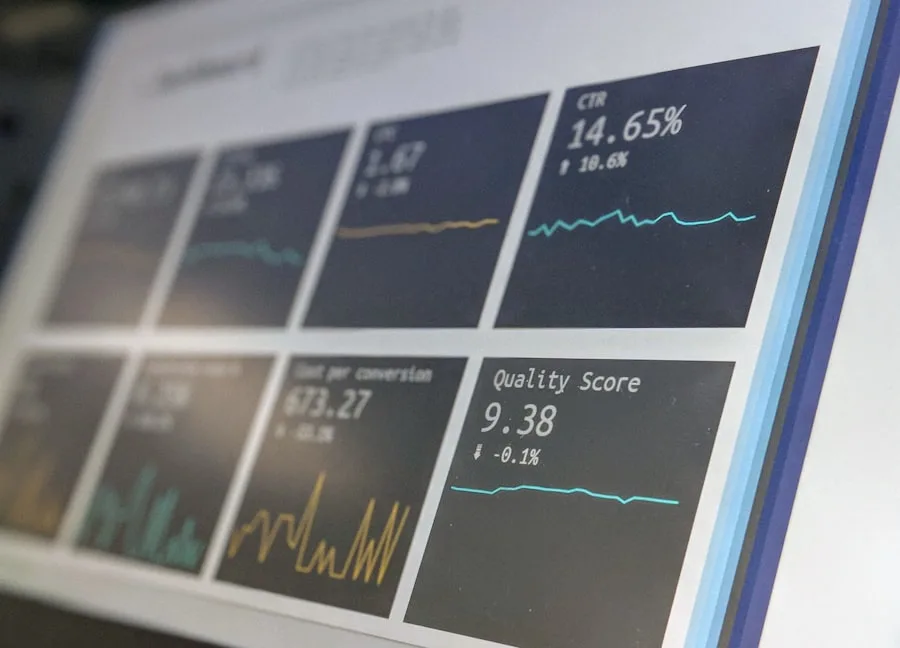
By 2026, you are likely to be operating within a more interconnected business ecosystem, where data flows seamlessly between partner organizations, suppliers, and customers. This interconnectedness, powered by advanced data analytics and emerging technologies, offers new avenues for collaboration, innovation, and market expansion. Think of your business as a node in a vast, intelligent network, sharing and generating value.
Interoperability and Data Sharing: Breaking Down Silos
The ability to share data securely and efficiently across different platforms and organizations is becoming paramount. You are moving towards a future where data silos are dismantled, allowing for a more holistic view of operations and market dynamics.
Collaborative Innovation Platforms
Emerging technologies facilitate the creation of collaborative platforms where different organizations can share data, insights, and resources to drive innovation. This can lead to faster development cycles and more impactful solutions.
Enhanced Visibility Across the Value Chain
By enabling data sharing across your entire value chain, you gain unprecedented visibility into every stage of production, distribution, and customer engagement. This allows for more efficient coordination and optimization of resources.
Real-time Collaboration and Co-creation: Working Together, Smarter
Data analytics, combined with emerging communication and collaboration tools, enables real-time collaboration and co-creation with partners and customers. This fosters agility and allows for rapid adaptation to market changes.
Co-creating Products and Services with Customers
Leveraging data on customer preferences and feedback, you can engage in co-creation processes, developing products and services that are precisely tailored to their needs and desires.
Dynamic Supply Chain Adjustments
Real-time data sharing enables your supply chain partners to react collaboratively to disruptions or changing demand patterns, making the entire chain more resilient and responsive.
As businesses increasingly leverage data analytics and emerging technologies, the landscape is rapidly evolving, particularly with innovations like augmented reality. A fascinating example of this transformation can be found in the way companies are enhancing customer experiences through immersive technologies. For instance, the View in My Room feature by Crate & Barrel has revolutionized e-commerce by allowing customers to visualize products in their own spaces before making a purchase. This trend not only highlights the importance of data analytics in understanding consumer behavior but also showcases how emerging technologies are reshaping business strategies in 2026 and beyond.
The Future-Proof Business: Adapting to Constant Evolution
| Trend | Key Metric | Impact on Business | Adoption Rate in 2026 | Example Use Case |
|---|---|---|---|---|
| AI-Driven Data Analytics | Accuracy Improvement: 35% | Enhanced decision-making and predictive insights | 78% | Customer behavior prediction in retail |
| Edge Computing | Latency Reduction: 50ms to 5ms | Real-time data processing and faster response times | 62% | IoT device data processing in manufacturing |
| Quantum Computing | Processing Speed Increase: 100x | Solving complex optimization problems | 15% | Supply chain optimization |
| Augmented Analytics | Time to Insight Reduction: 40% | Automated data preparation and insight generation | 55% | Financial risk assessment |
| Blockchain for Data Security | Data Breach Reduction: 30% | Improved data integrity and transparency | 48% | Secure transaction records in finance |
| 5G Connectivity | Data Transfer Speed: Up to 10 Gbps | Supports massive IoT and real-time analytics | 70% | Smart city infrastructure monitoring |
| Natural Language Processing (NLP) | Sentiment Analysis Accuracy: 90% | Enhanced customer interaction and feedback analysis | 65% | Chatbots and virtual assistants |
The landscape of business is no longer static; by 2026, you are operating in an environment of constant evolution. Your ability to future-proof your business hinges on your agility, your willingness to embrace change, and your capacity to leverage data analytics and emerging technologies as engines of continuous adaptation. You are not building a fortress; you are building a chameleon, capable of changing its colors to match its surroundings.
Cultivating a Culture of Adaptability and Innovation
The most successful businesses in 2026 will be those that foster a culture of continuous learning, experimentation, and adaptation. This means encouraging employees to embrace new technologies, explore new data-driven approaches, and challenge existing paradigms.
Embracing a Growth Mindset
You need to instill a growth mindset throughout your organization, where challenges are seen as opportunities for learning and development, rather than obstacles. This is crucial for navigating the rapid pace of technological change.
Fostering Experimentation and Iteration
You must create environments where experimentation is encouraged and where failures are seen as valuable learning experiences. This iterative approach is key to unlocking the full potential of data analytics and emerging technologies.
Strategic Investment in Data and Technology Infrastructure
Your commitment to data analytics and emerging technologies must be reflected in strategic investments in your infrastructure. This includes ensuring you have the necessary hardware, software, and skilled personnel to effectively capture, store, analyze, and deploy data.
Scalable Data Platforms
You will need to invest in scalable data platforms that can handle the ever-increasing volume and variety of data your business generates and consumes. This ensures your analytics capabilities can grow with your business.
Cybersecurity in a Connected World
As your business becomes more interconnected and data-rich, cybersecurity becomes an even more critical consideration. You must invest in robust security measures to protect your valuable data and systems from evolving threats.
By embracing the power of data analytics and strategically integrating emerging technologies, you are not just keeping pace with change in 2026; you are actively shaping the future of your business. The digital horizon is vast, and with the right tools and foresight, you are positioned not just to navigate it, but to chart its course.
FAQs
What are the key emerging technology trends impacting businesses in 2026?
Key emerging technology trends in 2026 include artificial intelligence (AI) advancements, edge computing, 5G connectivity, blockchain integration, and the expansion of the Internet of Things (IoT). These technologies are driving innovation, improving operational efficiency, and enabling new business models.
How is data analytics transforming business decision-making in 2026?
Data analytics in 2026 enables businesses to make more informed, data-driven decisions by leveraging real-time data processing, predictive analytics, and machine learning algorithms. This transformation helps companies optimize operations, enhance customer experiences, and identify new market opportunities.
What role does AI play in reshaping businesses according to 2026 trends?
AI plays a central role by automating routine tasks, providing advanced insights through data analysis, enhancing customer interactions with chatbots and virtual assistants, and enabling personalized marketing strategies. AI integration is crucial for maintaining competitive advantage in 2026.
How are businesses leveraging IoT and edge computing together in 2026?
Businesses combine IoT devices with edge computing to process data closer to the source, reducing latency and bandwidth use. This approach supports real-time analytics, improves operational efficiency, and enhances security, particularly in manufacturing, logistics, and smart city applications.
What challenges do businesses face when adopting these emerging technologies in 2026?
Challenges include data privacy and security concerns, the need for skilled talent, high implementation costs, integration with legacy systems, and managing the ethical implications of AI. Addressing these challenges is essential for successful technology adoption and maximizing business benefits.