


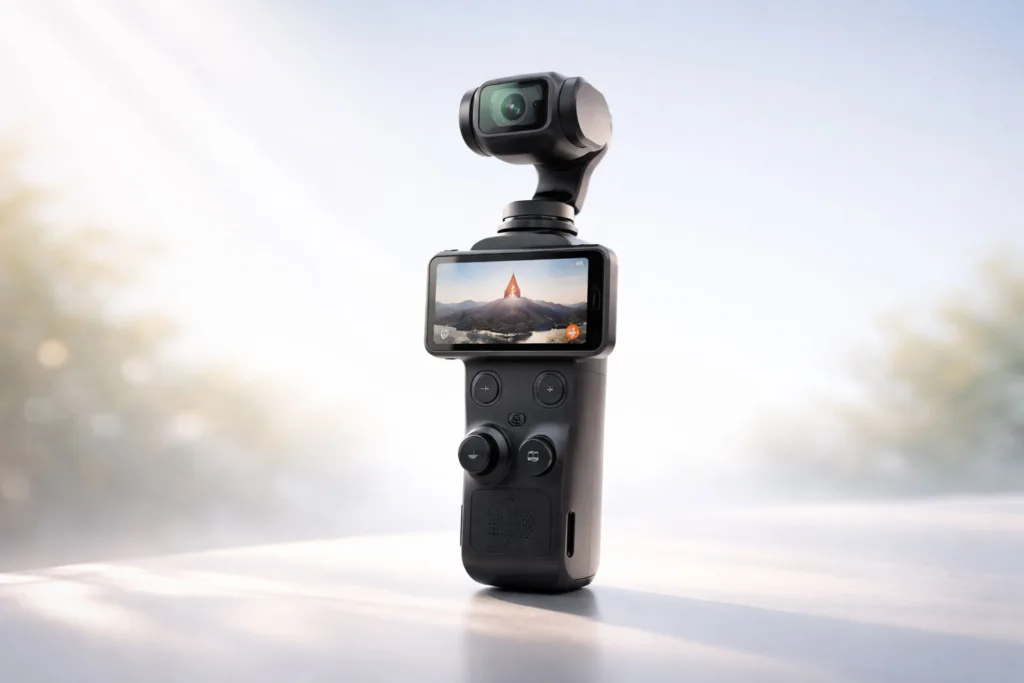
You’re looking for a vlogging camera. Specifically, you’re drawn to the DJI Osmo Pocket series. Its compact size, gimbal stabilization, and intuitive controls have made it a favorite among creators who prioritize portability and ease of use. The latest iteration, the Osmo Pocket 4, is no exception. It promises further refinements, sharper visuals, and enhanced functionality. You’ve seen the reviews, you’ve watched the sample footage, and on paper, it appears to tick all the boxes for your vlogging needs. You envision yourself effortlessly capturing smooth, cinematic shots on the fly, all without the bulk and setup required by more traditional camera rigs. This camera, you think, is the one.
However, as you delve deeper, a crucial distinction emerges. While the Osmo Pocket 4 might be a phenomenal vlogging camera in many respects, its suitability for your specific vlogging context, especially if you’re based in the United States, becomes a point of contention. It’s not about a lack of quality or capability, but rather a confluence of technical specifications, regional regulations, and market positioning that might leave you, the American vlogger, feeling somewhat underserved.
This article aims to explore why the DJI Osmo Pocket 4, despite its undeniable vlogging prowess, may not be the perfect fit for you, the discerning vlogger operating within the United States. We will dissect its strengths, examine its limitations, and ultimately assess its value proposition specifically for the American market.
Let’s not mince words: the Osmo Pocket 4 is a marvel of miniaturization and intelligent design. When you consider the core requirements of vlogging – portability, stable footage, and ease of operation – this camera shines. Its successor, the Osmo Pocket 3, already set a high bar, and the Pocket 4 builds upon that foundation with notable improvements that will undoubtedly appeal to you.
Unparalleled Portability and One-Handed Operation
The fundamental appeal of the Osmo Pocket series lies in its form factor. You can slip it into your pocket, a small bag, or even a large jacket pocket with remarkable ease. This is a profound advantage for vloggers who are constantly on the move, capturing spontaneous moments, or navigating bustling urban environments.
Integrated Gimbal Stabilization: Your Steady Hand
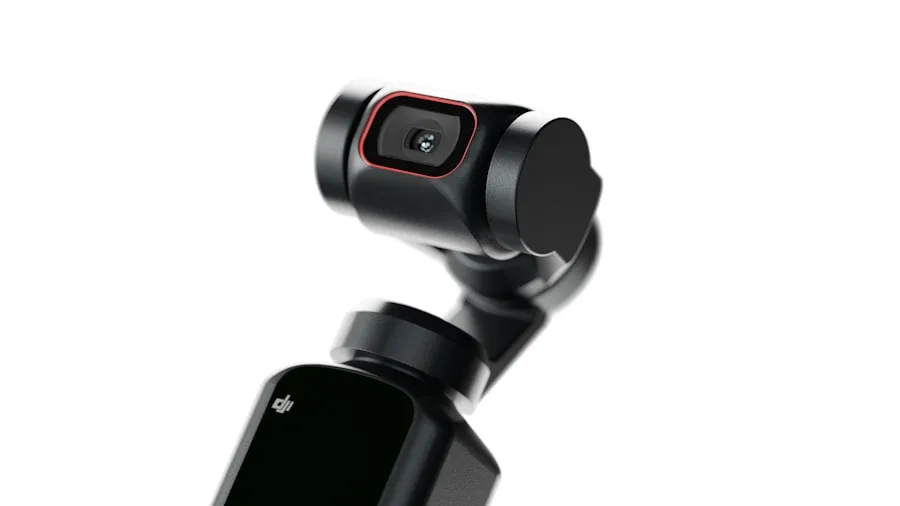
You’ve likely experienced the frustration of shaky footage. Whether you’re walking, biking, or simply trying to maintain a steady shot while speaking directly to the camera, the built-in three-axis gimbal on the Osmo Pocket 4 is a game-changer. This technology actively counteracts your movements, resulting in buttery-smooth footage that would otherwise require a dedicated gimbal or extensive post-production stabilization. For you, this means less time editing and more time creating.
Intuitive Touchscreen Interface
Navigating camera settings can sometimes be a cumbersome affair, especially when you’re in the middle of a recording. The Osmo Pocket 4 features a responsive touchscreen that makes adjusting settings, framing your shots, and switching between modes incredibly straightforward. You can quickly access features like resolution, frame rate, exposure compensation, and focus without fumbling with complex button arrays. This direct interaction is crucial for maintaining your flow as a vlogger.
Capturing High-Quality Visuals
Beyond its form factor, the Osmo Pocket 4 delivers impressive image quality. You’re not just getting a portable device; you’re getting a tool that can produce professional-looking content.
Enhanced Sensor and Lens Capabilities
DJI has consistently pushed the boundaries of image quality in their compact devices, and the Osmo Pocket 4 is expected to continue this trend. You can anticipate a larger sensor and a superior lens that translates to better low-light performance, improved dynamic range, and sharper details. This means your vlogs will look more polished, even in challenging lighting conditions.
Versatile Shooting Modes
From cinematic slow-motion to high-frame-rate captures for dynamic action shots, the Osmo Pocket 4 offers a range of shooting modes designed to meet your creative needs. You can experiment with different perspectives and storytelling techniques, knowing the camera has the flexibility to accommodate your vision.
The DJI Osmo Pocket 4 has garnered attention for its impressive features tailored for vlogging, yet it faces challenges in the US market. For those interested in exploring more about the intricacies of tech products and their market dynamics, a related article can be found at this link, which delves into problem-solving in technology and how various devices adapt to consumer needs.
The Crucial Limitation: Region-Specific Features and Performance
Now, let’s address the elephant in the room. While the Osmo Pocket 4 is a technically capable vlogging camera, its “perfection” for you, the American vlogger, is significantly hampered by certain region-specific limitations. These aren’t minor quibbles; they can fundamentally impact your user experience and the camera’s utility in your daily workflow.
Understanding the 30fps Ceiling: A Regulatory Hurdle
This is arguably the most significant point of contention for an American vlogger considering the Osmo Pocket 4. In many regions, including the United States, a common frame rate for television broadcasting and digital video is 60 frames per second (fps). This allows for smoother playback, especially for fast-moving subjects or when the viewer intends to slow down footage for specific effect. However, the Osmo Pocket 4, in its current iteration, appears to be capped at 30fps for certain resolutions or under specific operating conditions within regions like the US.
The Impact of Reduced Frame Rate on Vlogging
You might wonder why 30fps is such a dealbreaker. While acceptable for many forms of content, for vlogging, it can lead to a less fluid visual experience. Imagine you’re excitedly reacting to something, or you’re navigating a busy street. A 30fps capture, while stable, might still exhibit a slight choppiness compared to its 60fps counterpart. This is particularly noticeable when viewing content on displays that are designed for higher refresh rates. For you, who likely wants your vlogs to look as polished and professional as possible, this limitation can be quite frustrating. It can make your content feel less “cinematic” and more “standard,” which might not align with your aspirations.
Why the 30fps Cap? Exploring the Technical and Legal Factors
The reasons behind frame rate limitations are often complex, involving a mix of technical design choices and regional regulations.
NTSC vs. PAL: An Echo of the Past
Historically, frame rates have been tied to broadcast television standards: NTSC (National Television System Committee) prevalent in North America and Japan, and PAL (Phase Alternating Line) used in most of Europe, Australia, and parts of Asia. NTSC traditionally operated at approximately 29.97 fps (often rounded to 30fps), while PAL used 25fps. While digital video has moved beyond these strict broadcast constraints, the underlying infrastructure and consumer expectations can still influence hardware design. It’s possible that for regulatory or compatibility reasons within the NTSC-influenced region, DJI has chosen to prioritize a robust and well-tested 30fps implementation, potentially at the expense of higher frame rates in certain modes.
Power Consumption and Thermal Management
Higher frame rates, especially at higher resolutions, demand more processing power and consequently consume more energy. They also generate more heat. For a compact device like the Osmo Pocket 4, managing power and thermal dissipation is a critical engineering challenge. DJI might have determined that achieving consistent and reliable performance at higher frame rates while maintaining pocketability and battery life is not feasible for the US market without significant compromises elsewhere. Therefore, they may have opted for a conservative approach to ensure a stable user experience within the designated frame rate.
The 4K/60fps Discrepancy: A Missed Opportunity for Dynamic Shots
Following on from the general frame rate limitation, the absence of 4K resolution at a fluid 60fps for the US market is a significant drawback. When you’re vlogging, flexibility in post-production is key. The ability to crop, zoom slightly, or create slow-motion effects without losing significant quality is invaluable.
The Advantage of Higher Frame Rates at 4K
Imagine you’re filming a fast-moving subject, like a street performer or a busy market scene. If you capture this at 4K/30fps, and then decide you want to slow it down to half speed in editing, the result will be a choppy, unwatchable mess at 15fps. However, if you had captured it at 4K/60fps, you could then slow it down to 30fps in editing, maintaining a smooth and watchable playback. This capability is standard in many other vlogging cameras and even previous or concurrent DJI products in other regions. For you, this means your ability to manipulate action sequences and create dynamic edits is severely curtailed.
Why This Matters for Your Audience
Your audience expects a certain level of visual fidelity. When they watch your vlogs, they want to be immersed in your experience. If your footage feels less polished due to frame rate limitations, it can detract from the overall viewing experience. This can impact engagement, watch time, and ultimately, the perception of your channel’s professionalism.
The DJI Osmo Pocket 4 has garnered attention for its impressive features tailored for vlogging, yet it faces challenges in the US market. For those interested in enhancing their content creation skills, an insightful article on transforming customer case studies into engaging presentations can provide valuable tips. You can explore this resource further by visiting this link.
The Question of Future Updates and Regional Support
Another consideration for you is the long-term support and potential for future updates. DJI has a history of iterating on its products, but the specific nature of region-locked features raises questions.
Will Future Firmware Address These Limitations?
It’s a legitimate question: will DJI release firmware updates that unlock higher frame rates or other features for the US market on the Osmo Pocket 4? While it’s not impossible, the fact that these limitations appear to be in place from launch suggests they might be more deeply embedded, potentially related to hardware design or even licensing. You shouldn’t rely on future updates to rectify fundamental limitations. Planning your purchase based on its current capabilities is prudent.
DJI’s Global Product Strategy and Market Segmentation
DJI, like any global technology company, segments its markets and tailors its product offerings accordingly. The Osmo Pocket 4’s feature set for the US market might be intentionally different from other regions due to a variety of factors, including:
Competitive Landscape in the US
The US vlogging camera market is highly competitive. Competitors may offer certain features at specific price points that influence DJI’s decision-making for the American market. They might be strategically positioning the Osmo Pocket 4 to avoid direct competition with their own higher-end professional cameras or to appeal to a slightly different user segment.
Localized Compliance and Certification
In addition to broadcast standards, there are numerous certifications and compliance requirements for electronic devices sold in the US. These can sometimes lead to design modifications that affect feature sets. While speculative, it’s a factor to consider in the broader context of product development and release.
Alternatives You Should Consider as a US Vlogger

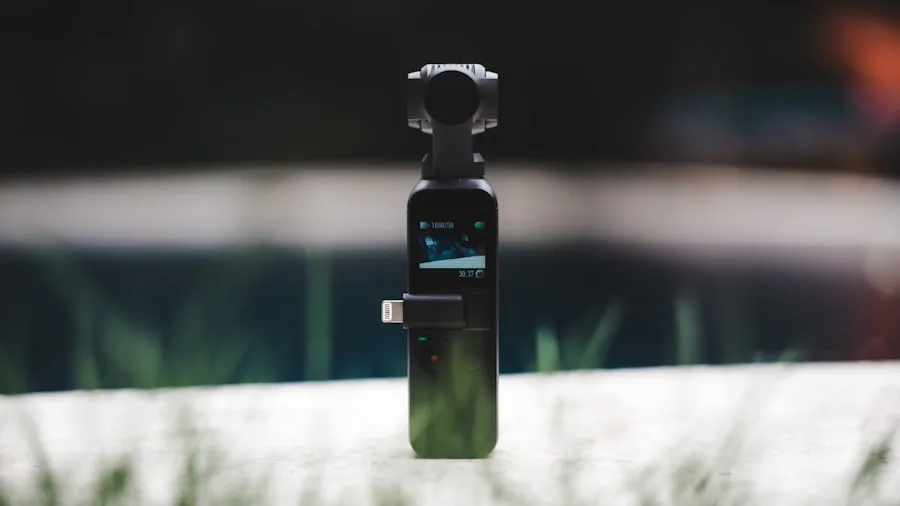
Given that the Osmo Pocket 4, despite its excellent core functionality, presents significant frame rate limitations for the US market, it’s wise for you to explore alternatives that offer a more complete vlogging experience within your region. The market is rich with devices that can meet your needs without these specific drawbacks.
Other DJI Products: The Natural Next Step
While the Osmo Pocket 4 might not be the ideal choice, DJI itself offers other products that could be superior for your vlogging needs in the US.
The Osmo Action Series: Powerhouse for Dynamic Content
If you’re seeking robust stabilization and high-quality capture, the DJI Osmo Action series is a strong contender. These cameras are typically designed with higher frame rates and resolutions in mind, catering to more action-oriented content. You can often find 4K/120fps capabilities, offering immense flexibility for slow-motion effects. Their ruggedness also makes them suitable for a wider range of vlogging scenarios.
DJI Drone Integration: Expanding Your Creative Canvas
If your vlogging extends to aerial perspectives, integrating one of DJI’s mini-drones with your setup can be a powerful option. While not a direct vlogging camera, the ability to seamlessly capture breathtaking drone footage to complement your handheld shots opens up a new dimension for your content.
Competitors Offering Uncompromised Frame Rates
Beyond DJI, several other manufacturers produce excellent vlogging cameras that do not appear to have the same frame rate restrictions for the US market.
GoPro HERO Series: The Vlogging Staple
The GoPro HERO series has long been a favorite among vloggers for its durability, wide-angle lens, and impressive video capabilities. You can expect high frame rates at various resolutions, including 4K/60fps and even higher for specialized slow-motion. The ecosystem of accessories is also vast, providing endless possibilities for mounting and customization.
Sony ZV-1 / ZV-E10: Designed for Content Creators
Sony has specifically targeted the vlogging market with its ZV series. The ZV-1, a compact point-and-shoot, and the ZV-E10, an interchangeable lens camera, offer features like excellent autofocus, flip-out screens, and good image quality. Crucially, they generally support higher frame rates at 4K for the US market, providing the flexibility you need for dynamic editing.
Insta360 Series: For Immersive and Versatile Vlogging
Insta360 offers a unique approach with its 360-degree cameras. While requiring a different workflow, these cameras provide the ultimate flexibility in post-production, allowing you to reframe shots and create dynamic perspectives from a single recording. Even their more traditional action cameras often boast impressive frame rate options.
The Verdict for the US Vlogger: A Question of Priorities and Compromises
When you weigh the pros and cons of the DJI Osmo Pocket 4 for your vlogging endeavors in the United States, a clear picture emerges. It’s a camera that excels in portability, stabilization, and ease of use. If these are your absolute paramount concerns, and you are willing to accept a significant compromise in frame rate flexibility, then it might still hold some appeal. However, for the vast majority of aspiring and established vloggers in the US, the limitations at 4K/60fps and general higher frame rate availability present a substantial obstacle.
Is It “Perfect” for Vlogging? Yes, in Some Aspects.
On a global scale, the Osmo Pocket 4’s core vlogging features are undeniably impressive. Its integrated gimbal provides unparalleled fluidity, eliminating the need for external stabilization. The compact design ensures you can capture authentic moments without feeling encumbered. The intuitive interface allows for quick adjustments, keeping you in the moment of creation. Thus, in terms of inherent vlogging capabilities – portability, stabilization, and ease of operation – it is indeed a highly capable device.
Is It “Perfect” for Your Vlogging in the US? Likely Not.
The critical nuance here is “for your vlogging in the US.” The frame rate limitations at 4K resolution, a feature that has become increasingly standard and expected for dynamic vlogging content, represent a significant compromise. This limitation directly impacts your ability to create polished, professional-looking videos, especially if you intend to incorporate slow-motion effects or want the flexibility to reframe footage in post-production. This is not a minor inconvenience; it can be a fundamental barrier to achieving the visual quality you desire and that your audience expects.
Making the Trade-off: Portability vs. Frame Rate Flexibility
You are faced with a direct trade-off. Do you prioritize the absolute smallest form factor and the smoothest inherent stabilization, even if it means sacrificing frame rate flexibility at higher resolutions? Or do you opt for a slightly larger, perhaps less pocketable, but ultimately more versatile camera that offers the higher frame rates essential for dynamic editing? For many in the US market, the latter will be the more practical and ultimately more rewarding choice.
The Importance of Researching Regional Specifications
This situation underscores the vital importance of thoroughly researching regional specifications for any electronic device you intend to purchase, especially cameras. What might be a standard feature in one part of the world could be absent or limited in another due to a confluence of technical, regulatory, and market-driven factors. You must be diligent in verifying that the features you require are indeed available in your specific geographic region.
Moving Forward: Informed Decisions for Content Creators
Ultimately, the DJI Osmo Pocket 4 serves as a valuable case study. It highlights how even exceptionally well-designed technology can have specific limitations when viewed through a regional lens. For you, the US-based vlogger, this means looking beyond the general acclaim and diving into the details that directly impact your creative output. By understanding these nuances, you can make informed decisions, explore suitable alternatives, and ensure you invest in a tool that truly empowers your vlogging journey, rather than one that imposes unnecessary creative constraints.
FAQs
What is the DJI Osmo Pocket 4?
The DJI Osmo Pocket 4 is a compact and portable vlogging camera designed for capturing high-quality video and audio for vloggers and content creators.
What are the features of the DJI Osmo Pocket 4?
The DJI Osmo Pocket 4 features a 3-axis gimbal for smooth and stable footage, 4K video recording at 60fps, a built-in microphone, and a variety of shooting modes including timelapse, motionlapse, and panorama.
Why is the DJI Osmo Pocket 4 not available in the US?
The DJI Osmo Pocket 4 is not available in the US due to regulatory restrictions and compliance issues. DJI has stated that they are working to resolve these issues and make the Osmo Pocket 4 available in the US in the future.
Can the DJI Osmo Pocket 4 be used for vlogging outside of the US?
Yes, the DJI Osmo Pocket 4 can be used for vlogging outside of the US in countries where it is available for purchase. It offers a compact and convenient solution for capturing high-quality vlogs and content on the go.
Are there alternative vlogging cameras available in the US?
Yes, there are several alternative vlogging cameras available in the US that offer similar features and capabilities to the DJI Osmo Pocket 4. Some popular options include the Sony ZV-1, Canon G7X Mark III, and GoPro Hero 9 Black.