


You’ve been a PlayStation fan for years. You remember the thrill of the PS1, the groundbreaking power of the PS2, and the innovative leaps of the PS3 and PS4. Now, as the PS5 dominates the console market, you’re witnessing a subtle but significant shift in Sony’s strategy: an aggressive expansion of PlayStation advertising. It’s no longer enough to rely on word-of-mouth or brand loyalty. Sony wants PlayStation to be ubiquitous, a household name even for those who’ve never picked up a controller. This isn’t just about selling more consoles; it’s about cementing PlayStation as a global entertainment powerhouse, and you’re seeing the evidence unfold right before your eyes.
You might think PlayStation’s marketing has always been global, and in a sense, you’d be right. But the scale and scope of the current expansion are unprecedented. Sony is no longer content with just reaching dedicated gamers in established markets. They’re casting a wider net, targeting new demographics and venturing into previously untapped regions. This is about establishing PlayStation as a truly global brand, transcending cultural and linguistic barriers.
Emerging Markets: The Untapped Potential
You’ve probably noticed the increased presence of PlayStation in regions like India, Brazil, and Southeast Asia. These aren’t just new markets; they’re burgeoning economies with a growing middle class and a huge appetite for entertainment. Sony understands that these markets represent the future of gaming, and they’re investing heavily in localized advertising campaigns. You’ll see ads tailored to specific cultural nuances, featuring local celebrities and incorporating regional humor. It’s a smart move, recognizing that a one-size-fits-all approach simply won’t cut it.
The Casual Gamer: Expanding the Tent
You might consider yourself a hardcore gamer, but Sony knows that’s not enough to sustain their growth trajectory. They’re actively targeting the casual gamer, the person who might only play a few hours a week, or perhaps only buys a game once or twice a year. This means you’re seeing PlayStation ads in places you wouldn’t expect: during primetime TV shows, on social media platforms frequented by non-gamers, and even in lifestyle magazines. The messaging is often less about technical specs and more about the emotional experience of gaming – the fun, the connection, the escapism.
Demographic Diversification: Beyond the Young Male
You’ve always known that gaming is becoming more diverse, and Sony is reflecting that in their advertising. You’re seeing more women and older individuals featured in PlayStation ads, challenging outdated stereotypes. This isn’t just about inclusivity; it’s a recognition that gaming appeals to a much broader audience than traditional marketing often assumes. You’ll find ads showcasing families playing together, or older adults engaging with accessible games, demonstrating PlayStation’s appeal across all age groups and genders.
Sony is scaling up its PlayStation advertising ambitions, aiming to enhance its market presence and engage a broader audience. This strategic move comes at a time when the gaming industry is witnessing significant growth, prompting companies to invest heavily in marketing initiatives. For insights on how businesses can effectively utilize feedback loops to refine their strategies, you can refer to a related article that discusses the importance of continuous improvement in marketing efforts. Check it out here: Using Feedback Loops to Improve Your Email Strategy.
Digital Domination: Mastering the Online Landscape
You live in a digital world, and so does Sony. Their advertising expansion is heavily reliant on a sophisticated digital strategy, leveraging data and analytics to target potential customers with unprecedented precision. This isn’t just about banner ads; it’s a multi-faceted approach that spans social media, streaming platforms, and influencer marketing.
Social Media Blitz: Engaging Where Your Audience Lives
You can’t scroll through your social media feeds without encountering PlayStation content. From viral memes and engaging short-form videos to interactive polls and community challenges, Sony is leveraging platforms like TikTok, Instagram, and X (formerly Twitter) to connect directly with their audience. You’ll see hyper-targeted ads based on your interests and online behavior, ensuring that PlayStation content is always front and center. This isn’t just about pushing products; it’s about building a vibrant online community around the PlayStation brand.
Influencer Marketing: Trusting the Voices You Value
You’ve probably seen your favorite streamers and YouTubers playing the latest PlayStation exclusive. This isn’t a coincidence. Sony is investing heavily in influencer marketing, partnering with popular content creators to showcase their games and consoles. You trust these individuals, and Sony knows that their authentic endorsements can be incredibly powerful. It’s a more organic and relatable form of advertising, allowing you to see games played by people you admire, fostering a sense of community and excitement.
Programmatic Advertising: Precision Targeting at Scale
You might not even realize it, but you’re constantly being exposed to programmatic advertising from PlayStation. This sophisticated technology uses algorithms to deliver highly relevant ads to specific users across a vast network of websites and apps. Sony is using data about your browsing history, demographics, and interests to serve you tailored PlayStation ads, ensuring maximum impact and efficiency. It’s a powerful tool that allows them to reach the right person with the right message at the right time.
Experiential Marketing: Beyond the Screen

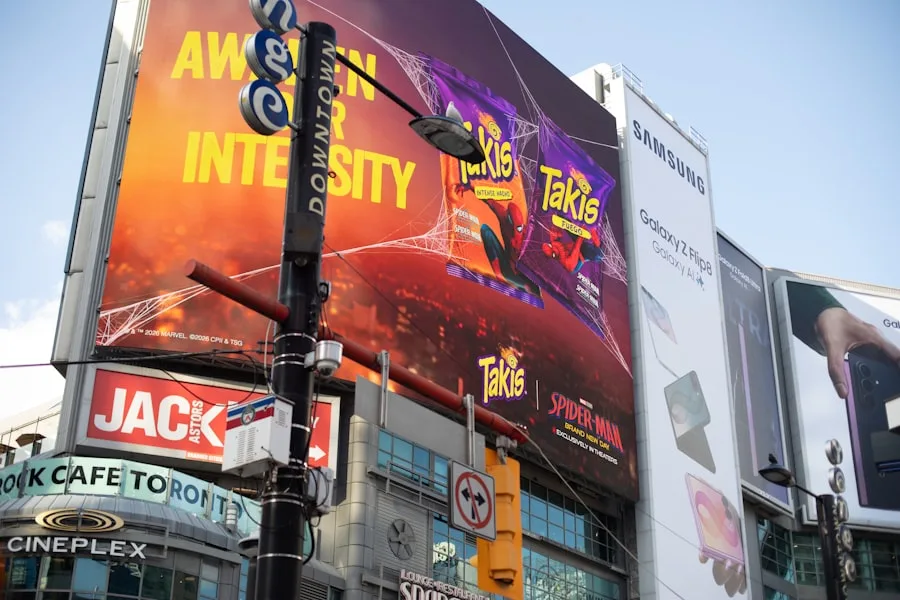
You’ve likely heard the saying “experience is everything,” and Sony is taking that to heart with its expanded advertising. They’re not just showing you games; they’re inviting you to experience the PlayStation lifestyle firsthand through immersive events and collaborations. This is about creating memorable moments and fostering a deeper connection with the brand.
Pop-Up Experiences: Bringing the Game to You
You might stumble upon a PlayStation pop-up store in a bustling city center, or an interactive gaming lounge at a major music festival. These temporary installations are designed to provide a hands-on experience with the latest PlayStation games and hardware. You can try out new titles, compete against friends, and even meet game developers. It’s an engaging way to introduce new audiences to the PlayStation ecosystem and reinforce the brand’s presence in unexpected places.
Brand Collaborations: Extending PlayStation’s Cultural Footprint
You’ve probably seen PlayStation branding on unexpected items – fashion collaborations, limited-edition merchandise, or even co-branded food and beverage products. Sony is strategically partnering with other popular brands to expand PlayStation’s cultural footprint beyond the gaming world. This isn’t just about selling more products; it’s about making PlayStation a part of your broader lifestyle, a recognizable and desirable brand in various spheres of your life.
Esports Sponsorships: Connecting with Competitive Gaming
You’re a fan of esports, and so is PlayStation. They’re investing heavily in sponsorships of major esports tournaments and teams, recognizing the immense popularity and growing influence of competitive gaming. You’ll see PlayStation logos prominently displayed, and their consoles used in high-stakes competitions. This connects PlayStation with a passionate and engaged audience, showcasing the performance and excitement of their platform in a highly visible arena.
Content Creation: Beyond the Traditional Ad Spot

You know that traditional 30-second TV commercials are just one piece of the advertising puzzle. Sony is actively engaging in long-form content creation, producing documentaries, short films, and behind-the-scenes glimpses that delve deeper into the PlayStation universe. This isn’t just about selling a product; it’s about telling a story and building an emotional connection with their audience.
Documentaries and Developer Diaries: The Story Behind the Games
You’re fascinated by the creative process behind your favorite games, and Sony is capitalizing on that curiosity. They’re producing documentaries and “developer diaries” that offer an intimate look at the making of PlayStation titles, from concept to release. You get to hear from the artists, designers, and programmers who pour their hearts into these projects, fostering a greater appreciation for the artistry and effort involved. It’s a powerful way to build excitement and anticipation for upcoming releases.
Short Films and Animated Series: Expanding the Lore
You love the rich narratives and compelling characters within PlayStation games, and Sony is extending those stories beyond the console. They’re producing short films and animated series inspired by their popular franchises, providing new avenues for fans to engage with their beloved universes. You can delve deeper into the lore, explore new facets of characters, and experience familiar worlds in fresh and exciting ways. This strategy helps to solidify PlayStation’s position as a creator of captivating intellectual property.
User-Generated Content Campaigns: Empowering the Community
You’re a creative individual, and Sony is giving you a platform to showcase your talents. They’re actively encouraging and promoting user-generated content campaigns, inviting players to share their own fan art, videos, and stories inspired by PlayStation games. This not only generates authentic and engaging content but also fosters a strong sense of community and ownership among players. You become an active participant in the PlayStation narrative, rather than just a passive consumer.
As Sony is scaling up its PlayStation advertising ambitions, it is essential to consider how innovative technologies can enhance user engagement and experience. A related article discusses the significance of event-driven APIs in enabling real-time communication for distributed systems, which can be pivotal for gaming platforms looking to improve their connectivity and responsiveness. For more insights on this topic, you can read the article on event-driven APIs. This approach could play a crucial role in shaping the future of gaming interactions and advertising strategies.
The Future of PlayStation Advertising: What’s Next for You?
| Metrics | Data |
|---|---|
| Advertising Platform | Playstation |
| Scaling Up | Ambitions |
| Company | Sony |
You’ve seen how much PlayStation advertising has evolved, but what does the future hold? Sony’s ambitions are only growing, and you can expect even more innovative and pervasive advertising strategies in the years to come. This isn’t just about staying competitive; it’s about redefining what a gaming brand can be.
Metaverse Integration: Gaming in a New Dimension
You’ve heard about the metaverse, and so has Sony. Expect PlayStation to play a significant role in this emerging virtual world. Their advertising will likely extend into metaverse environments, offering immersive experiences and virtual product placements. You might attend a virtual concert within a PlayStation-themed world, or try on virtual PlayStation apparel for your avatar. It’s an exciting new frontier for advertising, blurring the lines between gaming and reality.
AI-Powered Personalization: Hyper-Tailored Experiences
You’re already experiencing personalized advertising, but it’s about to get even more sophisticated. Sony will leverage advanced AI to analyze your gaming habits, preferences, and even emotional responses to tailor advertising content with unparalleled precision. You might receive recommendations for games based on your in-game choices, or see ads featuring characters and storylines that resonate most deeply with you. It’s about making every ad feel like it was created just for you.
Sustainable and Ethical Advertising: A Conscious Approach

You care about corporate responsibility, and Sony knows that. Expect a greater emphasis on sustainable and ethical advertising practices. This could involve promoting eco-friendly gaming initiatives, partnering with diverse and inclusive content creators, and ensuring transparency in their data usage. As consumers become more conscious, companies like Sony will need to align their advertising with strong ethical principles to maintain your trust and loyalty.
You’re not just a passive observer in this advertising expansion; you’re an integral part of it. Your engagement, your preferences, and your evolving digital footprint are all contributing to how Sony shapes its advertising strategies. As PlayStation continues to grow its global presence, you can expect a continuous stream of innovative, engaging, and increasingly personalized advertising that will undoubtedly shape your perception of the brand for years to come. The future of PlayStation advertising is as dynamic and exciting as the games themselves, and you’re right in the middle of it.
FAQs
What is Sony’s new advertising strategy for Playstation?
Sony is scaling up its advertising ambitions for Playstation by increasing its marketing budget and focusing on a wider range of advertising channels, including digital and social media platforms.
Why is Sony increasing its advertising efforts for Playstation?
Sony is increasing its advertising efforts for Playstation to maintain its competitive edge in the gaming industry and to capitalize on the growing demand for gaming products and services.
How will Sony’s increased advertising impact the gaming industry?
Sony’s increased advertising efforts are expected to have a significant impact on the gaming industry by increasing brand awareness, driving sales, and expanding the reach of Playstation to new audiences.
What advertising channels will Sony focus on for Playstation?
Sony will focus on a wider range of advertising channels for Playstation, including digital and social media platforms, as well as traditional advertising mediums such as television and print.
What are the potential benefits of Sony’s increased advertising for Playstation?
The potential benefits of Sony’s increased advertising for Playstation include increased brand visibility, higher sales, and a stronger competitive position in the gaming market.