



In recent years, organizations have increasingly recognized the importance of a decision-centric analytics strategy. This shift is driven by the need to make informed decisions in an environment characterized by rapid change and complexity. Traditional analytics approaches often focused on descriptive statistics and historical data analysis, which provided insights into what had happened in the past.
However, as businesses face unprecedented challenges, such as market volatility, technological disruption, and evolving consumer preferences, there is a pressing need for analytics that not only describes past performance but also predicts future outcomes and prescribes actionable strategies. A decision-centric analytics strategy emphasizes the role of data in guiding strategic choices. It involves integrating analytics into the decision-making process at all levels of the organization, from operational decisions to high-level strategic planning.
This approach requires a cultural shift within organizations, where data is viewed not merely as a byproduct of operations but as a critical asset that can drive competitive advantage. By focusing on decision-making, organizations can leverage analytics to identify opportunities, mitigate risks, and enhance overall performance.
Key Takeaways
- Shifting to a decision-centric analytics strategy requires a fundamental change in mindset and approach towards data analysis.
- Identifying key stakeholders and decision makers is crucial for aligning analytics efforts with organizational goals and objectives.
- Leveraging data for strategic decision making involves using insights to drive business outcomes and competitive advantage.
- Implementing advanced analytics tools and technologies is essential for gaining deeper insights and making more informed decisions.
- Building a culture of data-driven decision making involves fostering a mindset of using data to inform and validate decisions at all levels of the organization.
Identifying Key Stakeholders and Decision Makers
The successful implementation of a decision-centric analytics strategy hinges on identifying key stakeholders and decision-makers within the organization. Stakeholders can include executives, department heads, data analysts, and even frontline employees who interact with data daily. Each group plays a unique role in the decision-making process and has different needs and expectations regarding analytics.
For instance, executives may require high-level dashboards that summarize performance metrics, while operational managers might need detailed reports that inform day-to-day decisions.
Engaging these stakeholders early in the process is crucial for ensuring that the analytics strategy aligns with organizational goals.
Conducting interviews or workshops can help uncover their specific needs and pain points.
Additionally, it is essential to establish clear lines of communication between data teams and decision-makers to facilitate collaboration. By fostering an environment where stakeholders feel empowered to contribute to the analytics strategy, organizations can create a more inclusive approach that enhances buy-in and ultimately leads to better decision-making outcomes.
Leveraging Data for Strategic Decision Making
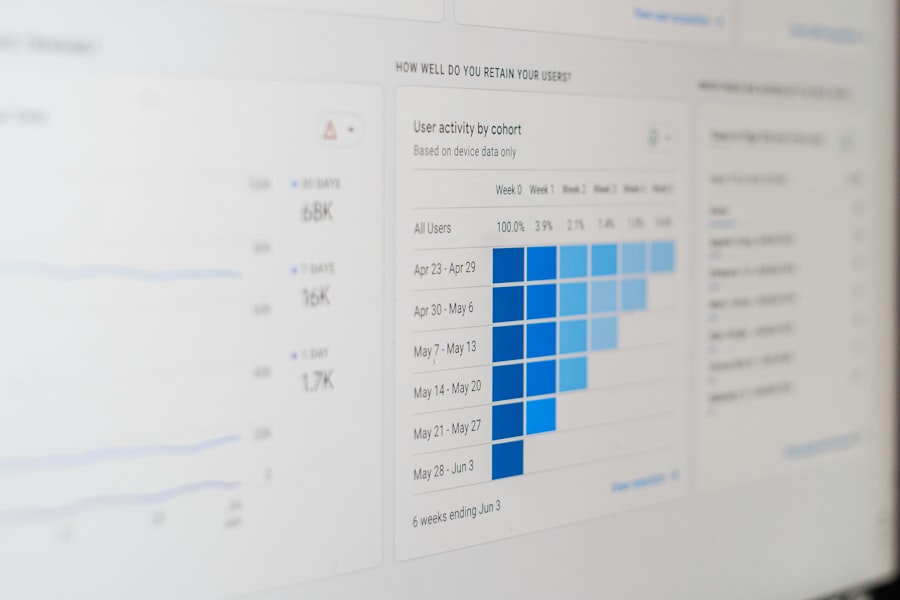

Data is often referred to as the new oil, and for good reason; it has the potential to fuel strategic decision-making across various sectors. Organizations can leverage data to gain insights into customer behavior, market trends, and operational efficiencies. For example, retail companies can analyze purchasing patterns to optimize inventory management and tailor marketing campaigns to specific customer segments.
By utilizing advanced analytics techniques such as predictive modeling and machine learning, businesses can forecast demand more accurately and make proactive decisions that enhance profitability. Moreover, leveraging data for strategic decision-making involves not only analyzing internal data but also incorporating external data sources. For instance, economic indicators, social media sentiment, and competitive intelligence can provide valuable context for decision-making.
By integrating diverse data sources, organizations can develop a more comprehensive understanding of their operating environment. This holistic view enables leaders to make informed decisions that are responsive to both internal capabilities and external market dynamics.
Implementing Advanced Analytics Tools and Technologies
The implementation of advanced analytics tools and technologies is a critical component of a decision-centric analytics strategy. Organizations must invest in the right technology stack to support their analytical needs. This may include business intelligence platforms, data visualization tools, and machine learning frameworks that enable sophisticated analysis of large datasets.
For example, tools like Tableau or Power BI allow users to create interactive dashboards that visualize key performance indicators in real-time, making it easier for decision-makers to grasp complex information quickly. Furthermore, organizations should consider adopting cloud-based solutions that offer scalability and flexibility. Cloud platforms enable businesses to store vast amounts of data securely while providing access to advanced analytics capabilities without the need for significant upfront investment in infrastructure.
Additionally, integrating artificial intelligence (AI) into analytics processes can enhance predictive capabilities and automate routine tasks, freeing up analysts to focus on more strategic initiatives. The right combination of tools and technologies can empower organizations to harness the full potential of their data for informed decision-making.
Building a Culture of Data-Driven Decision Making
Creating a culture of data-driven decision-making is essential for the long-term success of any analytics strategy. This cultural shift requires leadership commitment and a clear vision for how data will be used within the organization. Leaders must model data-driven behaviors by using analytics in their own decision-making processes and encouraging their teams to do the same.
When employees see their leaders valuing data insights, they are more likely to embrace a similar mindset. Training programs play a vital role in fostering this culture. Organizations should invest in training initiatives that equip employees with the skills needed to interpret data effectively and use analytical tools confidently.
Workshops, online courses, and mentorship programs can help demystify analytics for non-technical staff, empowering them to leverage data in their roles. Additionally, celebrating successes that arise from data-driven decisions can reinforce the value of analytics within the organization and motivate employees to continue embracing this approach.
Measuring and Evaluating the Impact of Analytics on Decision Making

Defining Key Performance Indicators (KPIs)
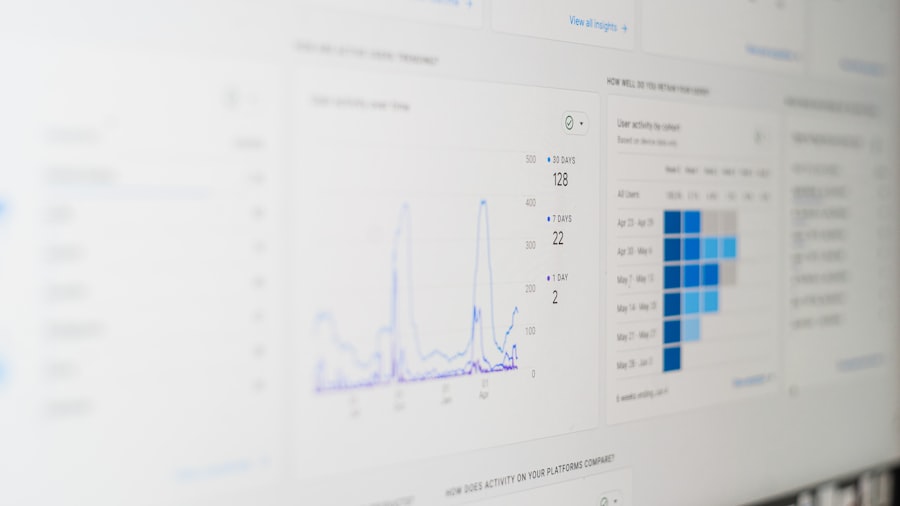
Key performance indicators (KPIs) should be defined to assess how analytics influences outcomes such as revenue growth, cost reduction, customer satisfaction, and operational efficiency. For instance, if an organization implements predictive analytics to optimize its supply chain, it should track metrics related to inventory turnover rates and fulfillment accuracy before and after implementation.
Evaluating and Refining the Analytics Strategy
Regular evaluation of these metrics allows organizations to identify areas for improvement and refine their analytics strategies accordingly. This enables organizations to make data-driven decisions and optimize their analytics approach over time.
Establishing Feedback Loops
Additionally, feedback loops should be established where decision-makers can share their experiences with analytics tools and insights gained from data analysis. This feedback can inform future iterations of the analytics strategy and ensure that it remains aligned with organizational goals.
Overcoming Challenges in Adopting a Decision-Centric Analytics Strategy
Despite the clear benefits of a decision-centric analytics strategy, organizations often face challenges during its adoption. One significant hurdle is resistance to change among employees who may be accustomed to traditional decision-making processes that rely on intuition rather than data. To address this resistance, organizations must communicate the value of analytics clearly and demonstrate how it can enhance decision-making rather than replace human judgment.
Another challenge is ensuring that employees have access to high-quality data. Data silos can hinder effective analysis if different departments maintain separate datasets without proper integration. Organizations should prioritize breaking down these silos by implementing centralized data management systems that provide a single source of truth for all stakeholders.
Additionally, investing in data governance practices can help ensure that data is accurate, consistent, and accessible across the organization.
Creating a Roadmap for Integrating Analytics into Decision Making Processes
Developing a roadmap for integrating analytics into decision-making processes is crucial for guiding organizations through this transformation. The roadmap should outline specific goals, timelines, and milestones for implementing analytics initiatives across various departments. It should also identify key resources required for successful execution, including technology investments, personnel training, and stakeholder engagement strategies.
A phased approach can be beneficial when creating this roadmap. Organizations might start with pilot projects in specific departments or functions before scaling up their efforts across the entire organization. This allows teams to test different analytical approaches and refine their strategies based on real-world feedback before broader implementation.
Regularly revisiting and updating the roadmap ensures that it remains relevant as organizational needs evolve.
Ensuring Data Quality and Governance for Effective Decision Making
Data quality is paramount for effective decision-making; poor-quality data can lead to misguided conclusions and detrimental business outcomes. Organizations must implement robust data governance frameworks that establish standards for data collection, storage, processing, and usage. This includes defining roles and responsibilities for data stewardship within the organization to ensure accountability for maintaining data integrity.
Regular audits of data quality should be conducted to identify inaccuracies or inconsistencies within datasets. Organizations can employ automated tools that flag anomalies or errors in real-time, allowing teams to address issues promptly before they impact decision-making processes. Furthermore, fostering a culture of accountability around data usage encourages employees to take ownership of the quality of the information they work with.
Training and Developing Talent for Data-Driven Decision Making
The success of a decision-centric analytics strategy relies heavily on having skilled personnel who can interpret data effectively and derive actionable insights from it. Organizations must prioritize training and development initiatives aimed at enhancing employees’ analytical skills across all levels of the organization. This includes not only technical training on specific tools but also education on how to think critically about data and its implications for decision-making.
Mentorship programs can be particularly effective in developing talent within organizations. Pairing less experienced employees with seasoned analysts or data scientists fosters knowledge transfer and encourages collaboration on analytical projects. Additionally, organizations should consider offering incentives for employees who pursue further education or certifications in analytics-related fields, thereby cultivating a workforce that is well-equipped to leverage data in their decision-making processes.
Case Studies and Best Practices in Decision-Centric Analytics Strategy
Examining case studies of organizations that have successfully implemented decision-centric analytics strategies provides valuable insights into best practices that others can adopt. For instance, Netflix has leveraged advanced analytics extensively to inform its content creation decisions based on viewer preferences and engagement metrics. By analyzing vast amounts of viewing data, Netflix has been able to tailor its programming offerings effectively, resulting in increased subscriber retention rates.
Another example is General Electric (GE), which has integrated predictive analytics into its manufacturing processes through its Industrial Internet initiative. By utilizing sensors embedded in machinery to collect real-time performance data, GE has been able to predict equipment failures before they occur, significantly reducing downtime and maintenance costs. These case studies illustrate how organizations across various industries are harnessing the power of analytics to drive strategic decisions that enhance operational efficiency and customer satisfaction.
In conclusion, adopting a decision-centric analytics strategy requires a multifaceted approach involving stakeholder engagement, technology implementation, cultural transformation, quality assurance, talent development, and continuous evaluation of outcomes. By learning from successful case studies and best practices while addressing challenges head-on, organizations can position themselves to thrive in an increasingly data-driven world.
For more insights on how technology is shaping business strategies, check out the article Unlocking Tech Brand Success with Generative Engine Optimization. This article delves into how companies can leverage generative engine optimization to enhance their brand presence and drive success in the digital landscape. It provides valuable insights into the latest trends and techniques that tech brands can adopt to stay ahead of the competition.