


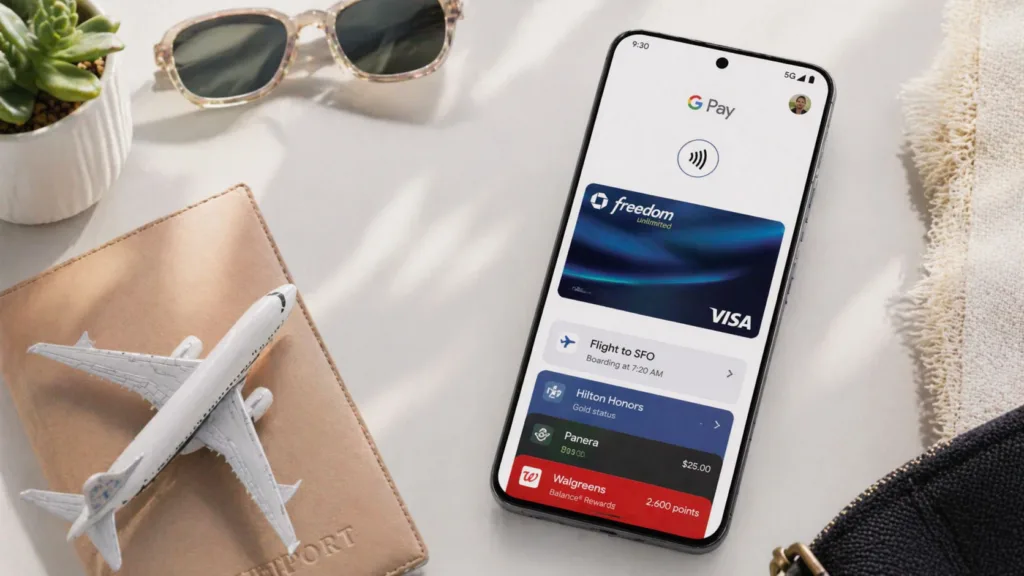
You are likely aware of Google Wallet’s established utility for storing payment methods and digital passes. The platform has consistently aimed to simplify your digital interactions. However, recent updates have significantly expanded its capabilities, particularly in the realm of travel. These enhancements are not merely superficial; they represent a fundamental shift in how Google Wallet positions itself within your travel ecosystem, moving beyond a simple digital repository to a more integrated travel companion.
One of the most immediate benefits you will notice is the improved integration of boarding passes and flight information. This is not a novel concept; other platforms have offered similar functionalities. What distinguishes Google Wallet’s latest iteration is the depth of information and the proactive nature of its delivery.
Automated Import and Storage
No longer are you solely reliant on manual uploads or email foraging. When you link your Gmail account or participate in specific airline loyalty programs, Google Wallet can automatically detect and import your flight details. This means that as soon as your booking confirmation arrives in your inbox, your boarding pass, along with pertinent flight information, can be seamlessly added to your digital wallet. This automation reduces the potential for oversight and ensures your travel documents are readily accessible. You can confirm the accuracy of information post-import, but the initial heavy lifting is performed for you.
Real-Time Gate and Delay Updates
A significant improvement is the ability of Google Wallet to provide real-time updates regarding your flight. Imagine arriving at the airport, and instead of constantly checking airline apps or airport screens, you receive a notification directly from Google Wallet about a gate change. Or perhaps your flight is experiencing a delay; this information is now pushed to your device, often before airport announcements. This proactive approach aims to minimize stress and give you more accurate information at your fingertips, reducing the need to navigate multiple information sources. This is not an infallible system, but it significantly enhances your information access.
Enhanced Boarding Pass Display
The visual presentation of boarding passes has also been refined. You can expect a clean, intuitive layout that prioritizes essential information such as your flight number, gate, seat assignment, and boarding time. QR codes for scanning are prominently displayed, ensuring a quick and efficient boarding process. The design principles applied here focus on readability and immediate accessibility, minimizing the need to zoom or scroll excessively on your device. The goal is to provide a user experience that mirrors the simplicity of a physical boarding pass but with the added benefits of digital integration.
Google Wallet’s latest update lands just in time for travel season, enhancing the user experience with new features designed to streamline payments and manage travel itineraries efficiently. As travelers prepare for their adventures, the importance of maintaining focus and organization becomes paramount. For tips on creating a distraction-free environment, both physically and digitally, you can check out this insightful article: A Guide to Creating a Distraction-Free Physical and Digital Workspace.
Simplified Public Transportation and Ticketing

Beyond air travel, Google Wallet has made considerable strides in simplifying your public transportation experience. This is particularly beneficial if you frequently utilize buses, trains, or subways in urban environments, both domestically and internationally.
Tap-to-Pay for Transit Networks
You can now utilize your Google Wallet for tap-to-pay functionality on a growing number of public transit networks worldwide. This eliminates the need for physical tickets or fumbling for exact change. By simply tapping your compatible device on the transit reader, your fare is automatically deducted. This system relies on near-field communication (NFC) technology, which you may already be familiar with for contactless payments. The convenience here lies in consolidating your payment and transit passes within a single digital interface.
Integrated Transit Passes and Cards
For transit systems that utilize specific digital passes or smart cards, Google Wallet is increasingly supporting their integration. Instead of carrying a separate card for each city’s transit system, you can store these digital versions within your Google Wallet. This not only reduces the physical clutter in your purse or wallet but also centralizes your transit credentials. The process for adding these passes often involves scanning a QR code or entering a unique identifier, making the setup relatively straightforward. You maintain control over which passes are active and accessible.
Real-Time Transit Schedules and Alerts
Some integrations extend to providing real-time transit schedules and service alerts directly within Google Wallet. This means that when you are planning a journey, you can view upcoming bus or train times for a specific route. If there are disruptions, such as unexpected delays or route changes, these alerts can be pushed to your device. This functionality aims to provide a comprehensive transit planning tool, allowing you to make informed decisions about your travel without needing to switch between different apps. This is contingent on the availability of real-time data from respective transit authorities.
Enhanced Car Rental and Hotel Key Integration


Your travel experience is not limited to getting to your destination; it also encompasses your stay. Google Wallet is expanding its utility to address aspects of land travel logistics and accommodation.
Digital Car Rental Keys
A nascent but significant feature is the integration of digital car rental keys. With participating rental companies, you can now add a digital key to your Google Wallet, allowing you to unlock, lock, and even start your rental car using your smartphone. This eliminates the need for physical keys, which simplifies the pick-up and drop-off process. This technology leverages secure element chips within your device to ensure the integrity of the digital key. Adoption of this feature is currently expanding, and its availability depends on partnerships with car rental providers.
Digital Hotel Room Keys
Similar to car rentals, Google Wallet is facilitating the use of digital hotel room keys. When you check in at a participating hotel, you can receive a digital key directly to your Wallet, allowing you to access your room by tapping your phone on the door’s sensor. This can expedite your check-in process by bypassing the front desk in some cases. The security protocols for these digital keys are designed to be robust, utilizing encryption and other measures to protect your access credentials. This functionality is being progressively rolled out in collaboration with various hotel chains.
Streamlined Rental Car Information Display
Beyond the key itself, Google Wallet can store and display pertinent information about your rental car reservation. This includes details such as your booking reference, pick-up and drop-off locations, rental duration, and any pre-paid extras. Having this information readily available in a centralized location can be useful, reducing the need to consult paper documents or navigate through email confirmations. This aims to provide a single point of reference for your car rental details.
Digital Identity and Access Management

The concept of digital identity is increasingly important in many aspects of your life, and travel is no exception. Google Wallet is beginning to explore how it can securely house and present certain forms of digital identification.
Secure Storage of Digital IDs
In certain regions, Google Wallet is now enabling the secure storage of digital versions of government-issued IDs, such as driver’s licenses. These digital IDs are protected by encryption and require authentication, such as a PIN or biometric scan, to be accessed. The intent is to provide a convenient and secure way to present identification when required, without needing to carry the physical card. The legal acceptance of digital IDs varies by jurisdiction, and you should always check local regulations.
Streamlined Airport Security and Check-in
The future vision for digital IDs in Google Wallet includes their potential use for streamlined airport security and check-in processes. Imagine presenting your digital ID at a TSA checkpoint, reducing the need to physically hand over your driver’s license. This has the potential to accelerate the security screening process. While this functionality is not yet universally implemented, it represents a strategic direction for Google Wallet in enhancing the efficiency of travel. The underlying technology focuses on data privacy and authenticated access to ensure secure identification.
Integration with Loyalty Programs and Membership Cards
While not strictly identity documents, loyalty programs and membership cards often serve to identify you within specific contexts. Google Wallet has long supported the storage of these cards, and the ongoing enhancements aim to improve their accessibility and utility. This means that when checking in for a flight or making a purchase with a travel-related vendor, your relevant loyalty cards can be surfaced more prominently, ensuring you collect points or avail of benefits without extra effort. This aims to minimize missed opportunities for loyalty accrual.
Google Wallet’s latest update lands just in time for travel season, enhancing the user experience with new features designed to streamline payments and improve convenience for travelers. As people prepare for their adventures, this update offers a timely solution to manage expenses effortlessly. For those interested in optimizing their communication strategies while on the go, you might find insights in a related article about boosting email recall with animated GIFs and visual storytelling strategies. Check it out here.
Enhanced Security and Privacy Controls
| Metrics | Data |
|---|---|
| Number of new features | 5 |
| Enhanced security measures | Yes |
| Supported platforms | iOS and Android |
| Integration with travel apps | Yes |
| Improved user interface | Yes |
With the expansion of Google Wallet’s capabilities, particularly in storing sensitive travel and identity information, the importance of robust security and privacy controls cannot be overstated. Google has implemented several measures to protect your data.
Biometric and PIN Authentication
Access to your Google Wallet, and in particular to sensitive items like payment methods, digital IDs, and some boarding passes, is protected by biometric authentication (fingerprint or facial recognition) or a PIN. This multi-layered security ensures that even if your device is compromised, unauthorized access to your Wallet contents is significantly restricted. You have the ability to configure these security settings to your personal preferences, offering a degree of control over your data’s accessibility.
End-to-End Encryption
Many of the sensitive data points stored within Google Wallet are protected by end-to-end encryption. This means that your information is encrypted on your device and remains encrypted as it travels to Google’s servers. Only you, with your authenticated device, can decrypt and access this information. This architecture aims to safeguard your data from potential eavesdropping or unauthorized access during transmission and storage. Understanding the implications of this encryption is important for your data security.
Data Minimization Practices
Google’s approach to data storage within Wallet emphasizes data minimization. This means that only the necessary information for a specific pass or transaction is stored. Unneeded personal details are not retained, reducing the overall attack surface in the event of a data breach. This principle aligns with broader privacy paradigms that advocate for collecting and retaining no more data than is absolutely required for a service to function. You have the ability to review and remove individual passes or cards from your Wallet whenever you deem it appropriate.
Granular Privacy Settings
You have granular control over certain privacy settings within Google Wallet. For example, you can choose which accounts are linked, which notifications you receive, and how your data is used for personalization. This empowers you to tailor the Wallet experience to your comfort level regarding data sharing and usage. Regularly reviewing these settings can help you maintain control over your digital footprint within the platform. The objective is to provide transparency and user agency in managing privacy preferences.
In essence, Google Wallet is evolving beyond a payment application into a more comprehensive travel assistant. The new features aim to consolidate various aspects of your travel journey into a single, accessible platform on your smartphone. This integration simplifies processes, provides timely information, and enhances convenience, ultimately aiming to improve your overall travel experience.
FAQs
What is Google Wallet’s latest update?
The latest update for Google Wallet includes new features such as the ability to easily split expenses with friends, track spending, and receive personalized recommendations for saving money.
How does the latest update benefit travelers?
The latest update to Google Wallet is particularly beneficial for travelers as it allows them to easily split travel expenses with friends or family, track their spending while on the go, and receive personalized recommendations for saving money on travel-related expenses.
Can Google Wallet be used internationally?
Yes, Google Wallet can be used internationally in many countries. However, it’s important to check with the specific country’s regulations and compatibility with Google Wallet before traveling.
Is Google Wallet secure for travel transactions?
Google Wallet uses multiple layers of security to protect users’ payment information, including encryption and secure tokenization. It also allows users to remotely disable their Google Wallet app if their device is lost or stolen.
How can travelers get the latest update for Google Wallet?
Travelers can get the latest update for Google Wallet by visiting the Google Play Store on their Android device or the App Store on their iOS device and downloading the latest version of the Google Wallet app.