


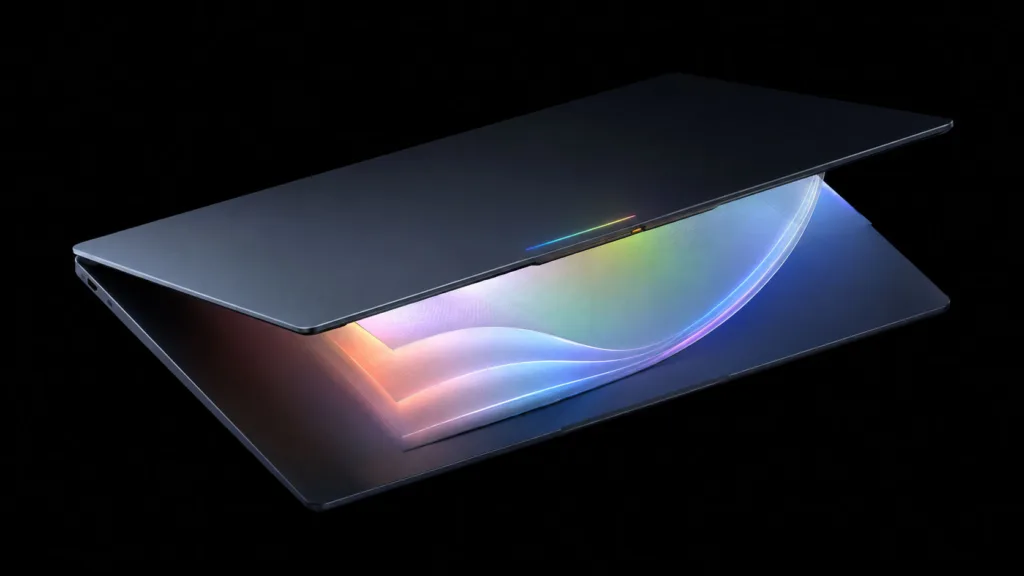
You’re about to embark on a journey through the most significant literary event of the year. Get ready to mark your calendars, because September 15th isn’t just another day – it’s the day Googlebooks unveils its groundbreaking new platform. Imagine a world where the vast ocean of human knowledge is not only digitized but made more accessible, more interactive, and more enriching than ever before. That world is about to become a reality, and you, dear reader, are invited to be among the first to witness its dawn. This isn’t just an update; it’s a revolution in how you discover, engage with, and utilize books.
Prepare yourself for an unparalleled experience as Googlebooks redefines what a digital library can be. You might think you know Googlebooks, but September 15th will demonstrate just how much potential was waiting to be unlocked. This isn’t merely a cosmetic refresh; it’s a fundamental reimagining of the platform, built with your needs and desires at its core.
A Seamless, Intuitive Interface
Forget clunky navigation and confusing menus. Googlebooks has invested heavily in user experience design, creating an interface that feels as natural and intuitive as turning the page of a physical book. From the moment you land on the new homepage, you’ll notice a sleek, modern aesthetic that prioritizes readability and ease of access. Search bars are more prominent, categorization is clearer, and personalized recommendations are intelligently integrated. You’ll spend less time figuring out how to use the platform and more time immersing yourself in its vast collection.
Enhanced Search and Discovery Tools
You know the frustration of knowing a book exists but struggling to find it. Googlebooks is putting an end to that. Their advanced search algorithms have been significantly upgraded, allowing for more nuanced and powerful queries. You’ll be able to search not just by title or author, but also by themes, characters, literary periods, and even specific concepts within the text itself. Imagine searching for all instances of “metamorphosis” across an entire literary genre, or finding books that discuss “the ethics of artificial intelligence” published within the last five years.
- Semantic Search Capabilities: Moving beyond keyword matching, Googlebooks will now understand the meaning and context of your queries, providing more relevant results.
- Visual Search Integration: Have a picture of a book cover but can’t remember the title? Snap a photo, and Googlebooks will identify it for you.
- “Explore by Mood” Feature: Feeling like a poignant drama or a lighthearted comedy? Browse books categorized by emotional resonance, making discovery more serendipitous and personal.
Personalized Reading Journeys
No two readers are alike, and Googlebooks understands this. Your new digital library will be a truly personalized space, adapting to your preferences and guiding you through tailored reading journeys. The platform will learn from your interactions – the books you browse, the genres you favor, even the sections you highlight – to offer increasingly accurate and exciting recommendations.
- Intelligent Recommendation Engine: This isn’t just about suggesting books similar to what you’ve read. The new engine will proactively introduce you to new authors, unexpected genres, and complementary non-fiction, expanding your literary horizons.
- Customizable Reading Lists: Create and manage your own public or private reading lists, sharing your curated collections with friends, study groups, or the wider Googlebooks community.
- Reading Progress Tracking: Keep tabs on your reading habits, set goals, and visualize your literary journey with insightful analytics. How many pages have you read this month? What’s your average reading speed? All this data will be at your fingertips.
As anticipation builds for the big reveal of Google Books on September 15, many are reflecting on the evolving landscape of digital content and its management. A related article that delves into the future of digital products is titled “API as a Product: How to Design, Manage, and Monetize Your APIs in 2025.” This insightful piece explores the strategies for effectively managing digital assets, which could be particularly relevant in the context of Google Books’ upcoming developments. You can read the article [here](https://www.wasifahmad.com/api-as-a-product-how-to-design-manage-and-monetize-your-apis-in-2025/).
Beyond the Page: Interactive Reading Experiences
You might think reading a digital book is inherently a solitary act. Googlebooks challenges that notion by introducing a suite of interactive features that will transform your engagement with literature. This isn’t just about consuming content; it’s about actively participating in the world of books.
Collaborative Annotations and Discussions
Imagine reading a complex philosophical text and being able to see the highlights and notes of other scholars, or engaging in a lively discussion about a plot twist directly within the digital margins of a novel. Googlebooks is making this a reality, fostering a vibrant, intellectual community around every book.
- Public and Private Notes: You’ll have the option to make your annotations public, contributing to a collective understanding, or keep them private for your own reflection.
- In-Text Comment Threads: Engage in real-time discussions with other readers directly on specific passages, sharing insights, asking questions, and deepening your comprehension.
- Author Q&A Sessions: Select authors will host live Q&A sessions within their books, allowing you to interact directly with the creators of the stories you love.
Immersive Multimedia Integration
Books are no longer confined to static text. Googlebooks is breaking down barriers, weaving in multimedia elements that enrich the reading experience and bring stories to life in unprecedented ways.
- Embedded Audio and Video: Imagine reading a historical account and being able to click on a link to hear a historical speech, or watching a short documentary related to the events unfolding on the page. Poetry collections might feature audio recordings of the author reading their work.
- Interactive Maps and Infographics: Non-fiction books, especially those dealing with geography, history, or science, will come alive with interactive maps, zoomable diagrams, and animated infographics that clarify complex concepts.
- Augmented Reality (AR) Experiences: For select titles, Googlebooks will offer AR features that allow you to bring elements of the book into your physical space. Imagine viewing 3D models of ancient artifacts mentioned in an archaeology text, or seeing characters from a novel appear in your living room through your smartphone camera.
Accessibility for All: A Commitment to Inclusivity

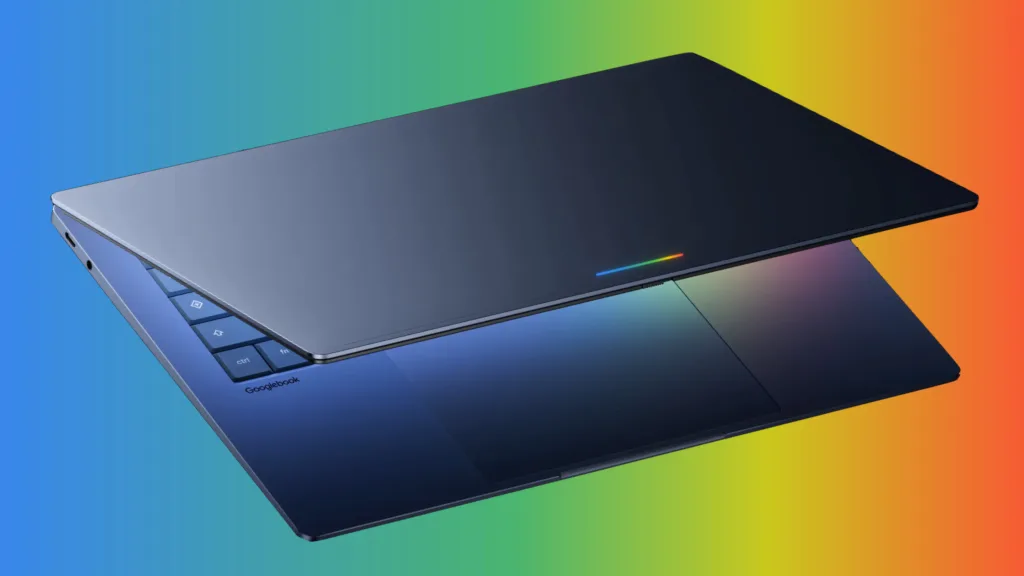
Googlebooks has always strived to make knowledge universally accessible, and this new unveiling doubles down on that commitment. They understand that a truly great digital library must cater to the diverse needs of all readers, regardless of their physical abilities or location.
Enhanced Readability Features
Reading on a screen can sometimes be strenuous. Googlebooks addresses this with a suite of customizable readability options designed to make the experience comfortable and enjoyable for everyone.
- Dynamic Font Adjustments: Beyond simple font size, you’ll be able to adjust font weight, line spacing, and even character spacing to suit your preferences.
- Dyslexia-Friendly Fonts: Integration of specialized fonts designed to improve readability for individuals with dyslexia.
- High Contrast Modes and Color Filters: Tailor the display to reduce eye strain or cater to specific visual impairments.
- Night Mode and Sepia Tones: Reduce blue light exposure and create a more comfortable reading environment in low-light conditions.
Advanced Text-to-Speech and Translation
The power of Google’s AI is being fully leveraged to provide robust text-to-speech and translation capabilities, opening up books to an even wider audience.
- Natural-Sounding Narration: Experience books read aloud with highly realistic, AI-generated voices that mimic human intonation and rhythm, making them ideal for individuals with visual impairments or those who prefer to listen while multitasking.
- Real-time Translation: Instantly translate text passages, chapters, or even entire books into multiple languages, breaking down language barriers and fostering global literary exchange. Imagine reading a classic novel in its original language while simultaneously seeing a translated version in a sidebar.
- Customizable Narration Speed and Voice: Control the pace of narration and choose from a selection of voices to find one that best suits your listening preferences.
Offline Access and Mobile Optimization
You shouldn’t need an internet connection to enjoy your books. Googlebooks understands the importance of flexibility and mobility in today’s world.
- Downloadable Content: Download your purchased or borrowed books to your device for offline reading, perfect for commutes, flights, or areas with limited connectivity.
- Seamless Cross-Device Syncing: Pick up exactly where you left off, whether you’re reading on your laptop, tablet, or smartphone. Your progress, highlights, and notes will sync automatically across all your devices.
- Optimized Mobile Experience: The Googlebooks app has been completely redesigned for mobile-first interaction, ensuring a smooth, responsive, and intuitive reading experience on smaller screens.
A New Era for Authors and Publishers: Empowering Creativity
The Googlebooks unveiling on September 15th isn’t just for readers; it’s a monumental shift for authors and publishers too. Google is committed to fostering a more equitable and dynamic literary ecosystem, providing new avenues for creation, discovery, and revenue.
Streamlined Publishing Tools
For independent authors and small publishers, the path to getting their work seen can be daunting. Googlebooks is simplifying this process with an array of user-friendly tools.
- Simplified Submission Process: Uploading and formatting your manuscript will be more straightforward than ever, with clear guidelines and automated checks.
- Enhanced Metadata Management: Easily add rich metadata to your books, improving their discoverability through Google’s advanced search algorithms.
- Royalty Tracking and Analytics: Gain detailed insights into your sales, reader engagement, and geographical distribution, empowering you to make informed decisions about your work.
New Monetization Opportunities
Beyond traditional sales, Googlebooks is exploring innovative ways for authors and publishers to generate income and reach a broader audience.
- Subscription Models: Authors will have the option to offer their work as part of Googlebooks’ subscription service, providing a steady revenue stream based on reader engagement.
- Chapter-by-Chapter Sales: For certain genres, authors might choose to offer individual chapters for purchase, allowing readers to sample content before committing to the entire book.
- In-Book Sponsorships (Opt-in): Imagine contextual, non-intrusive sponsorships relevant to the book’s content, offering new revenue streams for authors who choose to opt in.
Direct Reader Engagement
The new platform will facilitate unprecedented direct interaction between authors and their readers, building stronger communities and fostering deeper appreciation for literature.
- Author Profiles and Updates: Maintain a robust author profile where you can share news, upcoming projects, and engage directly with your fanbase.
- Live Reading Events: Host virtual book launches, Q&A sessions, or intimate reading groups directly within the Googlebooks platform, reaching a global audience.
- Reader Feedback and Reviews: Easily solicit and respond to reader reviews and feedback, fostering a two-way dialogue that can inform future writing.
As anticipation builds for the big reveal of Google Books on September 15, many are eager to see how this update will enhance the user experience and expand access to literature. In a related article, the importance of effective leadership skills in guiding teams through technological changes is explored, highlighting how leaders can adapt to new tools and foster innovation. For more insights on this topic, you can read the article on effective leadership skills.
The Future of Books: Your Invitation to Innovate
| Metrics | Data |
|---|---|
| Release Date | September 15 |
| Reveal Event | Googlebooks |
September 15th isn’t just about a new platform; it’s about a new vision for the future of books. You, as a reader, an author, a student, a scholar, or simply a curious mind, are at the heart of this transformation. Googlebooks is not merely digitizing existing literature; it’s paving the way for entirely new forms of storytelling and knowledge dissemination.
Imagine a world where learning is more immersive, where discovery is more serendipitous, and where the act of reading is a richer, more connected experience. This is the promise of the Googlebooks unveiling. You’ll have the power to explore the collective wisdom of humanity with unprecedented ease, to engage with texts in ways previously unimaginable, and to contribute to a growing global community of readers and writers.
So, mark your calendars. Set your reminders. On September 15th, you’ll be able to step into a new era of literary exploration. Prepare to redefine your relationship with books, because Googlebooks is about to open a world of possibilities, and you are cordially invited to be among the first to explore it. Get ready to turn the page on a new chapter in the history of human knowledge.
FAQs
What is the big reveal for Googlebooks on September 15?
The big reveal for Googlebooks on September 15 is the unveiling of new features and updates to the Googlebooks platform.
What can users expect from the new features and updates to Googlebooks?
Users can expect improvements to the user interface, enhanced search capabilities, and potentially new tools for organizing and managing their digital book collections.
Will there be any changes to the way Googlebooks operates after the big reveal?
It is likely that there will be changes to the way Googlebooks operates after the big reveal, as the new features and updates are expected to enhance the overall user experience.
How will the big reveal impact authors and publishers who use Googlebooks?
The big reveal may impact authors and publishers who use Googlebooks by providing them with new opportunities to reach and engage with readers, as well as potentially offering new marketing and promotional tools.
Where can users find more information about the big reveal and updates to Googlebooks?
Users can find more information about the big reveal and updates to Googlebooks on the official Googlebooks website, as well as through official announcements and press releases from Google.