


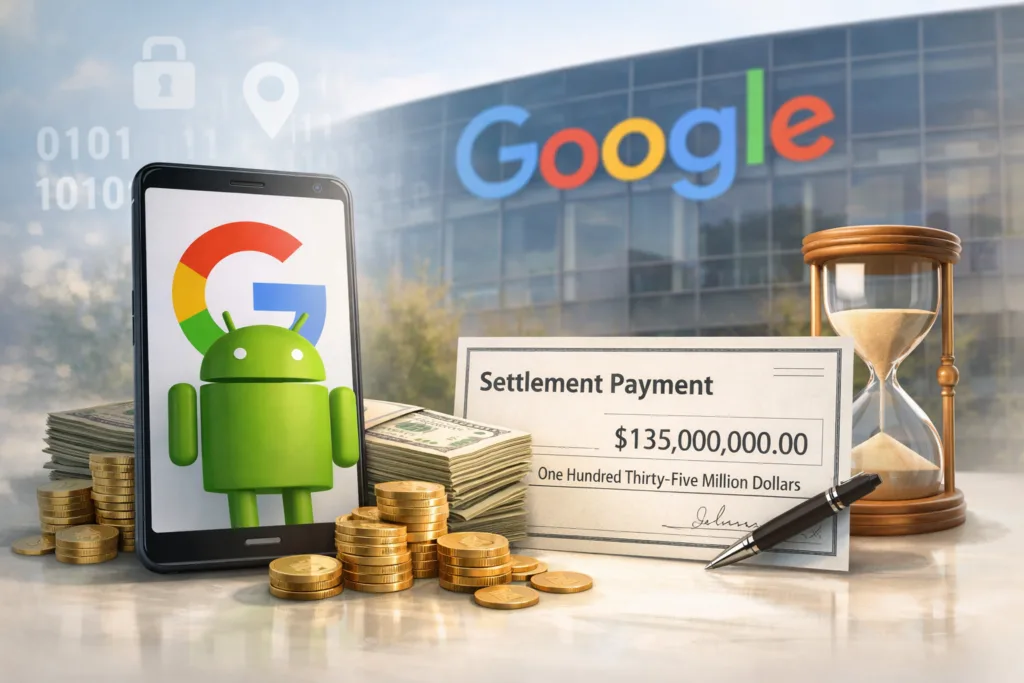
You might be eligible for a payout from Google’s $135 million Android data settlement. This legal action addresses concerns about how Google collected and used data from Android users. Understanding the details of this settlement is crucial to determining if you qualify for compensation and how to proceed with your claim. This article will guide you through the process, outlining the eligibility criteria, the nature of the claims, and the steps you can take to ensure you don’t miss out on this opportunity.
The $135 million settlement stems from allegations that Google engaged in certain data collection practices with its Android devices that may have violated user privacy or led to unfair advantages in the market. While the specifics of the legal arguments are complex, the core of the issue revolves around how certain data was gathered, stored, and potentially utilized by Google. This settlement offers a resolution to these disputes, providing a financial remedy to affected individuals.
The Allegations at the Heart of the Lawsuit
At its foundation, the lawsuit questioned Google’s transparency and practices regarding user data collected through Android devices. The plaintiffs argued that Google’s data collection methods, particularly in relation to certain applications and services bundled with Android, were either not fully disclosed or were conducted in a manner that infringed upon user expectations of privacy. This could involve data gathered for advertising purposes, app functionality, or even broader analytical insights.
What Constitutes “Data Collection” in this Context?
When the settlement refers to “data collection,” it encompasses a wide range of information that an Android device can generate and transmit. This includes, but is not limited to:
- App usage data: Which apps you download, how often you use them, and for how long.
- Location data: Your geographical position, often collected for navigation, local search results, and targeted advertising.
- Search history: The queries you enter into Google Search.
- Browsing history: Websites you visit through Google Chrome or other browsers when logged into your Google account.
- Voice and audio activity: If you have Google Assistant enabled, recordings of your voice commands and interactions.
The Role of Third-Party Apps
A significant aspect of the allegations often involves the data shared or collected by third-party applications that operate on the Android platform. The lawsuit may have scrutinized how Google’s own data practices influenced or were intertwined with the data practices of other apps available through the Google Play Store. This could extend to concerns about data portability and the ability of users to control the flow of their information across different applications.
The Purpose of the Settlement
Settlements like this are designed to provide financial compensation to individuals who are deemed to have been harmed by the alleged practices. It also serves as a resolution that avoids prolonged and potentially costly litigation for both parties. For consumers, it offers a tangible benefit as a consequence of perceived privacy infringements or anti-competitive behavior.
What Does the $135 Million Cover?
The $135 million represents the total amount Google has agreed to pay to resolve the claims made in this lawsuit. This sum will be distributed among eligible class members. The actual amount each individual receives will depend on various factors, including the number of valid claims submitted and the specific provisions of the settlement agreement.
Legal Precedents and Consumer Protection
This settlement is not an isolated incident within the tech industry. Numerous lawsuits and regulatory actions have targeted large technology companies regarding their data handling practices. These cases often set precedents for how similar issues are addressed in the future, reinforcing consumer protection laws and encouraging greater transparency from corporations.
If you’re looking to understand more about Google’s $135 Android data settlement and how to qualify for payment before the deadline, you might find this related article helpful. It provides detailed insights into the eligibility criteria and the steps you need to take to ensure you receive your compensation. For more information, check out the article here: How to Qualify for Payment before the Deadline.
Identifying Your Eligibility for a Claim
To qualify for a payment from the $135 million Android data settlement, you must meet specific criteria established by the court overseeing the case. These criteria are designed to identify individuals who were directly affected by the practices in question. Thoroughly reviewing these requirements is the first step in determining your potential eligibility.
Key Eligibility Requirements
The primary factor for eligibility usually revolves around your usage of Android devices during a defined period. The settlement will specify a timeframe within which you must have owned or used an Android device and potentially engaged with certain Google services.
The Defined Class Period
Every class-action settlement has a specific “class period.” This is the timeframe during which the alleged misconduct occurred, and individuals who were affected during this period are considered part of the class. For this Android data settlement, you will need to ascertain the exact dates for this class period. If your Android device usage falls within these dates, you are a strong candidate for eligibility.
Geographic Limitations
Settlements may also have geographic limitations, meaning that only residents of certain countries, states, or regions are eligible to participate. You need to confirm if the settlement’s geographic scope includes your current or past residence during the class period.
Specific Service Usage (If Applicable)
In some instances, eligibility might be tied to the usage of particular Google services on your Android device. For example, the settlement might focus on data collected from Google Maps, Google Search, or specific bundled applications. If the lawsuit’s focus was on a particular type of data collection, using those services during the class period will be a strong indicator of your eligibility.
Who is Likely Included in the Class?
Generally, anyone who owned or used an Android phone or tablet manufactured and sold during the class period is likely to be considered part of the class. This is especially true if you also utilized Google services on that device. The settlement aims to compensate a broad group of Android users.
The “Named Plaintiffs” vs. The “Class Members”
It’s important to understand the distinction between “named plaintiffs” and “class members.” The named plaintiffs are the individuals who initiated the lawsuit. The class members are all the other individuals who are similarly situated and who can benefit from the settlement if they meet the eligibility criteria. You are seeking to join the settlement as a class member.
What If You Used Google Services on Other Devices?
If you used Google services on devices other than Android (e.g., an iPhone, a desktop computer), your eligibility might depend on whether the lawsuit specifically addressed data collection practices related to those platforms. However, the core of this settlement appears to be focused on the Android ecosystem.
How to File a Claim and Receive Your Payment

If you believe you meet the eligibility requirements, the next crucial step is to file a claim. This process typically involves submitting a claim form online or by mail. The settlement administrator will then review your claim and, if approved, you will receive a portion of the settlement funds.
Navigating the Claim Filing Process
When the settlement was officially announced, a dedicated website was established to manage claims. This website is your primary resource for obtaining the necessary claim forms and instructions. It’s imperative to visit this official site to avoid fraudulent websites.
The Settlement Website and Claim Form
The official settlement website will provide all the details about the claims process. You will find the claim form, which you can usually fill out electronically. This form will ask for information to verify your eligibility, such as your name, address, and details about your Android device usage during the class period.
Required Documentation and Information
While direct proof of data collection might not be required for every claim, you may need to provide information that helps verify your identity and your presence within the defined class. This could include:
- Your contact information (current and possibly past).
- Details about your Android device(s) owned and used during the class period.
- Potentially, information about the Google accounts you used.
The Importance of Timeliness
Claim filing deadlines are strict. Missing the deadline means forfeiting your right to any payment from the settlement. Make sure to note the claim filing deadline and submit your claim well in advance to avoid any last-minute issues.
What to Expect After Filing a Claim
Submitting your claim is just the first part of the process. There are further steps and potential timelines involved before any payment is distributed.
Claim Review and Approval
Once submitted, your claim will be reviewed by the settlement administrator. They will verify your eligibility based on the information you provided and the terms of the settlement. If your claim is approved, you will be notified.
How Payments Are Distributed
Payments are typically distributed in one of several ways:
- Direct Deposit: If you provide your bank account details, the payment can be directly deposited.
- Check: A physical check may be mailed to your provided address.
- Other Electronic Methods: Depending on the settlement administrator’s capabilities, other electronic payment methods might be available.
Potential for Partial Payments or Denied Claims
It’s important to be aware that the amount you receive may not be substantial. The $135 million is distributed among potentially millions of eligible individuals. Therefore, individual payouts can be relatively small. Furthermore, claims can be denied if they do not meet the eligibility criteria or if there are issues with the submitted information.
Understanding the Scope of the Claims

The allegations leading to this settlement are varied, encompassing concerns about both user privacy and potential anti-competitive practices. Understanding the nature of these claims helps to clarify why Google is making this payment and what aspects of its operations are under scrutiny.
Privacy Concerns and Data Transparency
A significant part of the allegations centers on how Google collected and handled user data on Android devices. This often involves questions about whether users were adequately informed about the extent of data collection and if they had sufficient control over their personal information.
Location Tracking and Advertising
One prevalent concern relates to location tracking. Lawsuits have frequently questioned how Google uses location data from Android devices for targeted advertising and other services. Allegations might include that this tracking was more pervasive than users understood, or that data was shared in ways that users did not explicitly consent to.
Default Settings and User Choice
The lawsuit may have also examined the default settings on Android devices and applications. If certain data collection settings were activated by default, and users were not clearly informed or given a simple mechanism to opt out, this could form the basis of a claim. The aim is to ensure users have genuine choice and control over their data.
Anti-Competitive Practices Allegations
Beyond privacy, some settlements involving large tech companies also address alleged anti-competitive practices. These allegations suggest that the company used its dominant position in the market to unfairly disadvantage competitors or to steer users towards its own products and services.
App Store Policies and Developer Agreements
When it comes to Android, the Google Play Store is a central point. Allegations could involve policies related to app distribution, developer fees, or agreements that might have favored Google’s own apps over those of third-party developers. This can influence the competitive landscape within the Android ecosystem.
Bundling of Services
The practice of bundling Google’s own services with the Android operating system is another area that has faced scrutiny. If this bundling was perceived as an unfair tactic to limit competition or to promote Google’s services at the expense of alternatives, it could form part of the basis for the settlement.
If you’re looking to qualify for the payment from Google’s $135 Android data settlement, it’s important to stay informed about the requirements and deadlines. To help you navigate this process, you can refer to a related article that outlines how to qualify for payment before the deadline. This resource provides valuable insights and tips that can assist you in ensuring you meet all necessary criteria. For more information, check out this helpful guide on how to qualify for payment.
What You Should Do Now
| Settlement Amount | Qualification Criteria | Deadline |
|---|---|---|
| 135 million | Own or have owned an Android device that ran Android 2.3 or higher | October 8, 2021 |
Given that you might be eligible for a payment, taking proactive steps is essential. The settlement is an opportunity to receive compensation for potential past infringements. Acting promptly and accurately will ensure you do not miss out.
Visit the Official Settlement Website
Your first and most critical action is to find and visit the official website for the Google Android Data Settlement. This website will contain all the accurate and up-to-date information you need, including the claim form, deadlines, and frequently asked questions. Be wary of unofficial sites or solicitations that claim to represent the settlement but are not endorsed by the court.
Bookmark the Site for Future Reference
Once you have found the official website, bookmark it. You might need to revisit it for updates or to track the status of your claim. Having the direct link readily available will save you time and ensure you are accessing the correct information.
Review the Eligibility Criteria Carefully
Before filling out any forms, take the time to thoroughly read and understand the eligibility criteria outlined on the settlement website. Ensure that your experience with Android devices and Google services during the specified class period aligns with these requirements. Don’t file a claim if you are not confident you meet the criteria, as this can sometimes lead to complications.
Understand the Class Period and Geographic Scope
Pay close attention to the defined class period and any geographic limitations. These are core components of eligibility. If you owned or used an Android device outside of the class period or in a region not covered by the settlement, you will likely not qualify.
Complete the Claim Form Accurately and Honestly
If you are eligible, fill out the claim form with as much accuracy and honesty as possible. Provide all requested information truthfully. Inaccurate or misleading information could lead to your claim being denied.
Double-Check All Information Before Submission
Before you submit your claim form, take a moment to review all the information you have entered. Check for any typos, incorrect dates, or missing fields. A small error could potentially cause your claim to be rejected.
Mark Your Calendars for Important Dates
The claim filing deadline is not the only important date. There may be other deadlines related to post-submission inquiries or appeals. Make sure you are aware of all such dates and mark them on your calendar. This will help you stay organized and responsive throughout the settlement process.
Be Patient with the Process
Class-action settlements can take a considerable amount of time from the initial announcement to the final distribution of funds. There are legal processes, claim reviews, and administrative procedures that must be followed. Be patient, and avoid repeatedly contacting the settlement administrator unless you have a specific reason to do so. Updates will usually be posted on the official website.
FAQs
What is the Google Android data settlement about?
The Google Android data settlement is a result of a class-action lawsuit that alleged Google unlawfully collected and stored users’ location data even when the location history setting was turned off.
Who is eligible to receive payment from the settlement?
To qualify for payment from the settlement, you must have had an Android device and had the location history setting turned off between April 11, 2011, and February 25, 2020.
How much can eligible individuals expect to receive from the settlement?
Eligible individuals can expect to receive a payment of up to $12 from the settlement.
What is the deadline for filing a claim to receive payment from the settlement?
The deadline for filing a claim to receive payment from the settlement is October 8, 2021.
How can eligible individuals file a claim for payment from the settlement?
Eligible individuals can file a claim for payment from the settlement by visiting the settlement website and submitting a claim form online.