


In today’s fast-paced world, the ability to focus has become a rare commodity. A distraction-free workspace is not merely a luxury; it is a necessity for anyone looking to enhance productivity and creativity. The modern work environment is rife with interruptions, from incessant notifications on our devices to the chatter of colleagues in open-plan offices.
These distractions can lead to decreased efficiency, increased stress levels, and a general sense of overwhelm. Research has shown that it can take an average of 23 minutes to regain focus after an interruption, which underscores the importance of creating an environment conducive to concentration. Moreover, a distraction-free workspace fosters a sense of mental clarity and well-being.
When individuals are able to immerse themselves in their tasks without external disturbances, they often experience a state of flow—a psychological state where they are fully engaged and productive. This not only enhances the quality of work but also contributes to job satisfaction and overall happiness. By prioritizing a distraction-free environment, individuals can cultivate a space that promotes creativity, innovation, and effective problem-solving.
Key Takeaways
- A distraction-free workspace is essential for maximum productivity and focus.
- Choosing the right tools and software can help eliminate distractions and streamline workflow.
- Organizing your digital workspace is crucial for staying productive and efficient.
- Setting up a comfortable and ergonomic workstation can prevent physical distractions and discomfort.
- Implementing time management techniques is key to minimizing distractions and staying on track with tasks.
Choosing the Right Tools and Software for a Distraction-Free Workspace
Visualizing Tasks for Better Organization
Productivity applications like Trello or Asana can help individuals organize their projects and tasks visually, reducing the mental effort required to manage multiple responsibilities. These tools enable users to break down larger projects into manageable tasks, which can be tackled one at a time, thereby minimizing the temptation to multitask—a common source of distraction.
Blocking Digital Distractions
Utilizing website blockers can significantly reduce digital distractions. Applications such as Freedom or Cold Turkey allow users to block access to distracting websites during designated work periods. This proactive approach helps individuals resist the urge to check social media or browse the internet aimlessly, thereby preserving their focus for more meaningful work.
Creating an Environment for Sustained Concentration
By carefully selecting tools that align with their workflow and personal preferences, individuals can create an environment that supports sustained concentration. With the right tools and software, individuals can establish a workspace that fosters productivity, creativity, and success.
Organizing Your Digital Workspace for Maximum Productivity


A cluttered digital workspace can be just as distracting as a disorganized physical environment. To maximize productivity, it is essential to organize digital files and applications systematically. This can begin with creating a logical folder structure on your computer or cloud storage that categorizes documents by project, client, or type of work.
By doing so, individuals can quickly locate necessary files without sifting through an overwhelming number of documents.
Additionally, decluttering the desktop is vital for maintaining focus. A clean desktop not only reduces visual distractions but also creates a sense of order that can enhance mental clarity.
Users should aim to keep only essential applications and files on their desktop while archiving or deleting unnecessary items. Implementing consistent naming conventions for files can further streamline the process of locating documents. By investing time in organizing their digital workspace, individuals can create an efficient system that supports their productivity goals.
Setting Up a Comfortable and Ergonomic Workstation
The physical setup of a workstation plays a significant role in maintaining focus and productivity. An ergonomic workstation is designed to support the body’s natural posture and reduce strain during prolonged periods of work. Key elements include an adjustable chair that provides lumbar support, a desk at the appropriate height, and a monitor positioned at eye level to prevent neck strain.
Investing in ergonomic accessories such as keyboard trays or footrests can further enhance comfort. Moreover, the ambiance of the workspace should not be overlooked. Adequate lighting is essential; natural light is ideal as it reduces eye strain and enhances mood.
If natural light is limited, using adjustable desk lamps with warm light can create a more inviting atmosphere. Additionally, incorporating elements such as plants or artwork can contribute to a pleasant environment that fosters creativity and reduces stress. By prioritizing comfort and ergonomics in their workstation setup, individuals can create a space that encourages sustained focus and productivity.
Implementing Time Management Techniques to Minimize Distractions
Effective time management techniques are instrumental in minimizing distractions and enhancing productivity. One popular method is the Pomodoro Technique, which involves working in focused bursts of 25 minutes followed by short breaks. This approach not only helps maintain concentration but also allows for regular intervals of rest, which can prevent burnout.
During breaks, individuals should step away from their workstations to recharge—engaging in activities such as stretching or taking a brief walk can be particularly beneficial. Another effective strategy is time blocking, where individuals allocate specific blocks of time for different tasks throughout their day. By scheduling dedicated time for focused work, meetings, and breaks, individuals can create a structured routine that minimizes the likelihood of distractions creeping in.
This method also allows for better prioritization of tasks, ensuring that critical projects receive the attention they deserve. By implementing these time management techniques, individuals can cultivate a disciplined approach to their work that significantly reduces distractions.
Creating a Clear and Minimalist Desktop Background
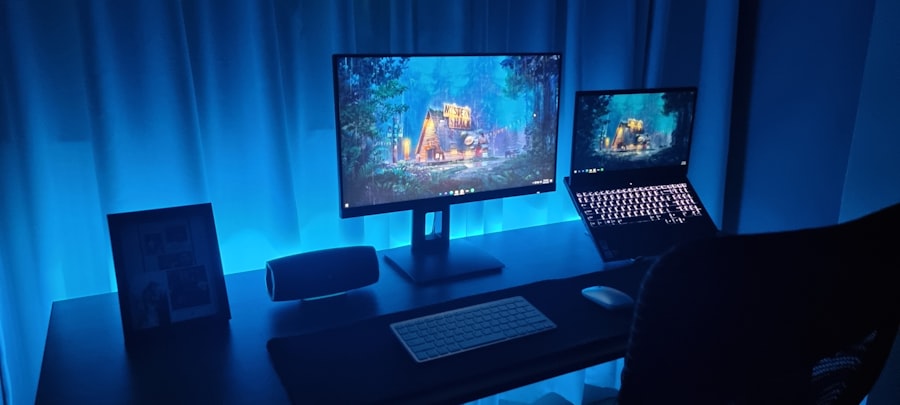

The visual elements of a digital workspace can have a profound impact on focus and productivity. A cluttered desktop background filled with icons and images can be overwhelming and distracting. To combat this, individuals should consider adopting a clear and minimalist desktop background that promotes calmness and clarity.
A simple design featuring soft colors or nature scenes can create an inviting atmosphere while reducing visual noise. In addition to aesthetics, it is essential to ensure that the desktop background aligns with personal motivation or goals. For instance, incorporating inspirational quotes or images related to one’s professional aspirations can serve as a reminder of purpose during moments of distraction.
By curating a desktop background that is both visually appealing and motivational, individuals can create an environment that encourages sustained focus and productivity.
Utilizing Digital Organization and Note-Taking Apps
Digital organization tools and note-taking apps are invaluable resources for maintaining focus in a distraction-free workspace. Applications like Evernote or Notion allow users to capture ideas, organize notes, and manage tasks seamlessly across devices. These platforms enable individuals to consolidate information in one place, reducing the need to switch between multiple applications or platforms—a common source of distraction.
Furthermore, utilizing tags and categories within these apps can enhance organization and retrieval of information. For example, users can categorize notes by project or topic, making it easier to locate relevant information when needed. The ability to search for keywords within notes also streamlines the process of finding specific content quickly.
By leveraging digital organization tools effectively, individuals can maintain clarity in their work processes while minimizing distractions associated with disorganization.
Establishing Boundaries and Limits for Digital Notifications
Digital notifications are one of the most pervasive sources of distraction in today’s work environment. Establishing boundaries around notifications is crucial for maintaining focus and productivity. Individuals should consider disabling non-essential notifications on their devices during work hours—this includes social media alerts, promotional emails, and app notifications that do not pertain directly to work tasks.
In addition to disabling notifications, setting specific times for checking emails or messages can help create boundaries around digital communication. For instance, designating specific intervals throughout the day for responding to emails allows individuals to concentrate on their primary tasks without constant interruptions from incoming messages. By proactively managing digital notifications, individuals can create an environment that supports sustained focus on their work.
Incorporating Mindfulness and Meditation Practices into Your Workday
Mindfulness practices have gained recognition for their ability to enhance focus and reduce stress in high-pressure environments. Incorporating mindfulness techniques into the workday can significantly improve concentration levels and overall well-being. Simple practices such as deep breathing exercises or short meditation sessions can be integrated into breaks throughout the day.
For example, taking five minutes to engage in mindful breathing—focusing solely on inhaling and exhaling—can help clear mental clutter and restore focus before returning to work tasks. Additionally, mindfulness apps like Headspace or Calm offer guided meditations specifically designed for busy professionals seeking to cultivate mindfulness amidst their hectic schedules. By integrating mindfulness practices into their daily routines, individuals can foster greater awareness and presence in their work.
Establishing a Routine for Regular Digital Detoxes
In an age dominated by technology, regular digital detoxes have become increasingly important for mental clarity and focus. Establishing a routine for stepping away from screens—whether it’s during weekends or designated hours each day—can help individuals recharge mentally and emotionally. During these detox periods, engaging in offline activities such as reading, exercising, or spending time in nature allows for rejuvenation away from digital distractions.
Moreover, setting boundaries around technology use during personal time is essential for maintaining balance in life. For instance, implementing “no-screen” zones during meals or before bedtime encourages healthier habits while reducing reliance on devices for entertainment or relaxation. By committing to regular digital detoxes, individuals can cultivate a healthier relationship with technology while enhancing their ability to focus when they return to their workspaces.
Seeking Support and Accountability for Maintaining a Distraction-Free Workspace
Creating and maintaining a distraction-free workspace often requires support from others. Seeking accountability from colleagues or friends can provide motivation to adhere to established boundaries around distractions. For instance, forming study groups or accountability partnerships where individuals share their goals for focused work sessions can foster a sense of community while encouraging commitment.
Additionally, sharing progress with others—whether through regular check-ins or collaborative projects—can reinforce positive habits related to maintaining focus in the workplace. Engaging with like-minded individuals who prioritize productivity can create an environment where distractions are minimized collectively.
By seeking support and accountability from peers or mentors, individuals can strengthen their resolve to maintain a distraction-free workspace while enhancing overall productivity.
If you’re looking to create a distraction-free digital workspace, you may also be interested in reading about how AI tools can help solopreneurs succeed in 2025. This article discusses the impact of artificial intelligence on small businesses and provides a list of 10 essential AI tools that every solopreneur should consider incorporating into their workflow. Check it out here.