



In the rapidly evolving landscape of data management, graph databases and vector embeddings have emerged as powerful tools for organizations seeking to derive meaningful insights from complex datasets. Graph databases, characterized by their ability to represent and analyze relationships between entities, offer a flexible and intuitive way to model interconnected data. Unlike traditional relational databases, which rely on tables and rows, graph databases utilize nodes, edges, and properties to create a more dynamic representation of data.
This structure is particularly advantageous for applications that require an understanding of relationships, such as social networks, recommendation systems, and customer insights. Vector embeddings, on the other hand, are a technique used in machine learning and natural language processing to convert data into numerical representations that capture semantic meaning. By transforming complex data points into dense vectors in a high-dimensional space, organizations can leverage these embeddings to perform various analyses, including clustering, classification, and similarity searches.
The combination of graph databases and vector embeddings presents a unique opportunity for businesses to enhance their understanding of customer behavior and preferences, ultimately leading to more effective strategies for engagement and retention.
Key Takeaways
- Graph databases and vector embeddings offer a powerful way to analyze and understand customer data in a more comprehensive manner.
- Deeper customer insights are crucial for businesses to understand and meet the needs and preferences of their customers.
- Graph databases can be leveraged to uncover complex relationships and patterns within customer data, providing valuable insights for businesses.
- Vector embeddings enable businesses to analyze customer behavior and preferences in a more nuanced and detailed way, leading to more personalized experiences.
- Integrating graph databases and vector embeddings can provide businesses with a holistic view of customer data, leading to improved segmentation, targeting, and ultimately, customer retention and loyalty.
Understanding Customer Insights and the Need for Deeper Understanding
Personalization: The New Expectation
Consumers are increasingly expecting personalized experiences tailored to their individual preferences. To achieve this level of understanding, businesses must move beyond traditional analytics methods that often provide surface-level insights. Instead, they should adopt advanced analytical techniques that can uncover hidden patterns and relationships within the data.
Uncovering Hidden Patterns with Graph Databases and Vector Embeddings
This is where graph databases and vector embeddings come into play. By leveraging these technologies, organizations can gain a more nuanced view of their customers, enabling them to identify trends, preferences, and potential pain points that may not be immediately apparent through conventional analysis.
A Deeper Understanding of Customer Behavior
By adopting advanced analytical techniques, businesses can gain a deeper understanding of customer behavior, enabling them to provide personalized experiences that meet their customers’ individual needs. This, in turn, can lead to increased customer satisfaction, loyalty, and ultimately, business success.
Leveraging Graph Databases for Customer Insights
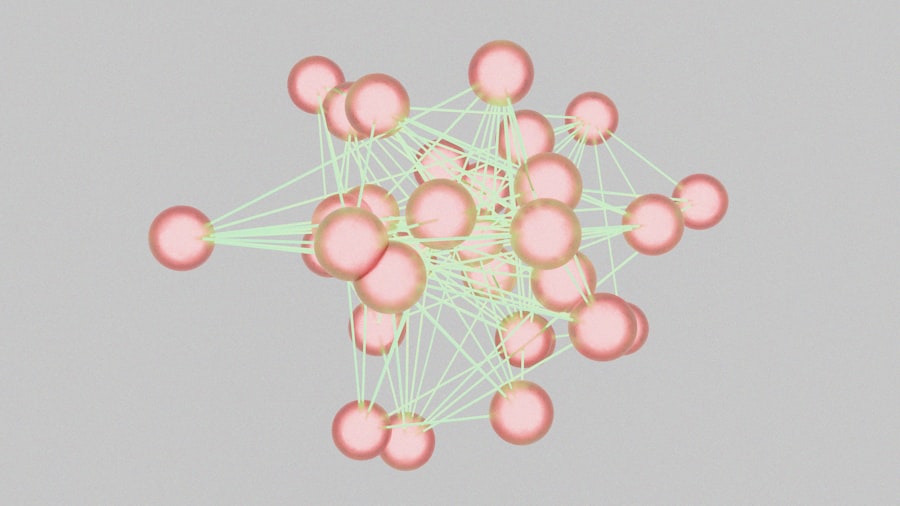

Graph databases excel in their ability to model complex relationships between entities, making them particularly well-suited for analyzing customer insights. For instance, consider a retail company that wants to understand the purchasing behavior of its customers. By utilizing a graph database, the company can create a network of nodes representing customers, products, and transactions.
The edges connecting these nodes can represent various relationships, such as purchases made by customers or products frequently bought together. This relational model allows businesses to perform sophisticated queries that reveal insights about customer behavior. For example, by analyzing the connections between customers and products, the company can identify which products are often purchased together or which customer segments are most likely to buy specific items.
This information can inform marketing strategies, inventory management, and product recommendations. Furthermore, graph databases enable real-time analysis of customer interactions, allowing businesses to respond swiftly to changing preferences and trends.
Utilizing Vector Embeddings for Customer Data Analysis
Vector embeddings provide a complementary approach to analyzing customer data by transforming qualitative information into quantitative representations. For example, in the context of customer feedback or product reviews, vector embeddings can capture the sentiment and context of textual data. By converting words or phrases into dense vectors using techniques such as Word2Vec or GloVe (Global Vectors for Word Representation), organizations can analyze customer sentiments at scale.
Once the textual data is transformed into vector embeddings, businesses can employ various machine learning algorithms to uncover insights about customer preferences and behaviors. For instance, clustering algorithms can group similar customers based on their feedback or purchasing patterns, allowing companies to identify distinct segments within their customer base. Additionally, similarity searches can be conducted to recommend products or services that align with a customer’s past behavior or preferences.
This capability not only enhances the customer experience but also drives sales by presenting relevant options to consumers.
Integrating Graph Databases and Vector Embeddings for Comprehensive Customer Insights
The integration of graph databases and vector embeddings creates a powerful framework for deriving comprehensive customer insights. By combining the relational capabilities of graph databases with the semantic richness of vector embeddings, organizations can achieve a holistic view of their customers. For instance, a travel company could utilize a graph database to map relationships between customers, destinations, and travel preferences while employing vector embeddings to analyze customer reviews and feedback about specific locations.
This integrated approach allows businesses to uncover deeper insights that would be challenging to achieve using either technology in isolation. For example, by analyzing the connections between customers who have similar travel preferences and their corresponding reviews of destinations represented as vector embeddings, the company can identify emerging trends in travel behavior. This information can be invaluable for tailoring marketing campaigns or developing new travel packages that resonate with specific customer segments.
Identifying Customer Patterns and Relationships with Graph Databases
Uncovering Hidden Relationships
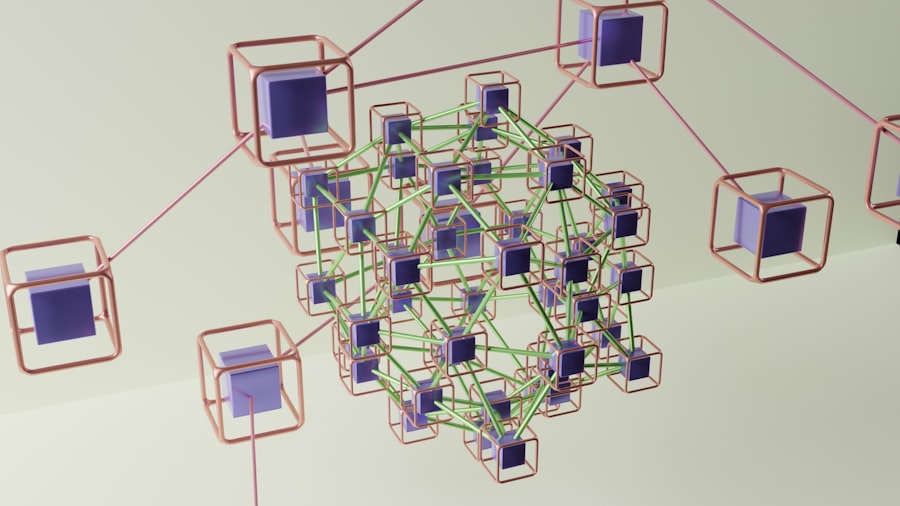
For instance, a telecommunications company might use a graph database to analyze call records and identify groups of customers who frequently communicate with one another. This insight could lead to targeted marketing efforts aimed at promoting family plans or bundled services.
Advanced Query Capabilities
Moreover, graph databases enable organizations to conduct advanced queries that reveal hidden relationships within the data. For example, by examining the connections between customers who have purchased similar products or engaged with similar content on social media platforms, businesses can identify cross-selling opportunities or potential influencers within their customer base.
Data-Driven Decision Making
This level of analysis empowers organizations to make data-driven decisions that enhance customer engagement and drive revenue growth.
Analyzing Customer Behavior and Preferences with Vector Embeddings
Vector embeddings play a crucial role in analyzing customer behavior and preferences by providing a means to quantify qualitative data. For instance, when analyzing customer reviews or feedback on social media platforms, organizations can convert textual content into vector representations that capture sentiment and context. This transformation allows businesses to perform sentiment analysis at scale, identifying positive or negative sentiments associated with specific products or services.
Furthermore, vector embeddings enable organizations to conduct similarity searches that reveal patterns in customer behavior. For example, if a customer has previously purchased outdoor gear and left positive reviews about hiking equipment, businesses can use vector embeddings to recommend similar products based on the customer’s preferences. This personalized approach not only enhances the shopping experience but also increases the likelihood of repeat purchases as customers feel understood and valued.
Personalizing Customer Experiences with Graph Databases and Vector Embeddings
The combination of graph databases and vector embeddings offers unparalleled opportunities for personalizing customer experiences. By leveraging the relational capabilities of graph databases alongside the semantic richness of vector embeddings, organizations can create tailored interactions that resonate with individual customers. For instance, an e-commerce platform could utilize graph databases to track customer interactions across various touchpoints while employing vector embeddings to analyze product reviews and feedback.
This integrated approach allows businesses to deliver personalized recommendations based on a customer’s unique preferences and behaviors. For example, if a customer frequently purchases eco-friendly products and leaves positive reviews about sustainable brands, the platform can recommend similar items that align with their values. This level of personalization not only enhances customer satisfaction but also fosters brand loyalty as customers feel a deeper connection with the brand.
Improving Customer Segmentation and Targeting Strategies
Effective customer segmentation is essential for developing targeted marketing strategies that resonate with specific audiences. Graph databases facilitate this process by enabling organizations to visualize relationships between different customer segments based on shared characteristics or behaviors. For instance, a financial services company could use a graph database to analyze transaction patterns among its customers and identify distinct segments based on spending habits.
By integrating vector embeddings into this analysis, businesses can further refine their segmentation strategies by incorporating qualitative data such as customer feedback or social media interactions. For example, if certain segments exhibit positive sentiments towards specific financial products based on their reviews represented as vector embeddings, organizations can tailor marketing campaigns that highlight those products’ benefits. This targeted approach not only improves engagement rates but also maximizes return on investment for marketing efforts.
Enhancing Customer Retention and Loyalty with Deeper Insights
In an era where customer loyalty is increasingly elusive, gaining deeper insights into customer behavior is paramount for enhancing retention strategies. Graph databases provide organizations with the ability to track customer interactions over time, allowing them to identify patterns that may indicate potential churn risks.
For instance, if a subscription-based service notices a decline in engagement among certain customer segments within its graph database model, it can proactively implement retention strategies tailored to those groups.
Vector embeddings further enhance retention efforts by enabling organizations to analyze sentiment associated with customer feedback over time. By monitoring changes in sentiment through vector representations of reviews or social media posts, businesses can identify emerging issues before they escalate into churn events. For example, if negative sentiments begin to surface regarding a particular product feature or service aspect among loyal customers represented as vector embeddings, organizations can take corrective actions promptly to address concerns and reinforce loyalty.
Harnessing the Power of Graph Databases and Vector Embeddings for Sustainable Customer Relationships
The integration of graph databases and vector embeddings represents a transformative approach for organizations seeking to deepen their understanding of customer behavior and preferences. By leveraging the relational capabilities of graph databases alongside the semantic richness of vector embeddings, businesses can uncover actionable insights that drive personalized experiences and enhance engagement strategies. As companies navigate an increasingly competitive landscape where consumer expectations continue to evolve, harnessing these technologies will be crucial for building sustainable relationships with customers.
In conclusion, the synergy between graph databases and vector embeddings empowers organizations not only to analyze vast amounts of data but also to derive meaningful insights that inform strategic decision-making. As businesses continue to embrace these advanced analytical techniques, they will be better positioned to meet the demands of today’s discerning consumers while fostering loyalty through personalized interactions that resonate on an individual level.