


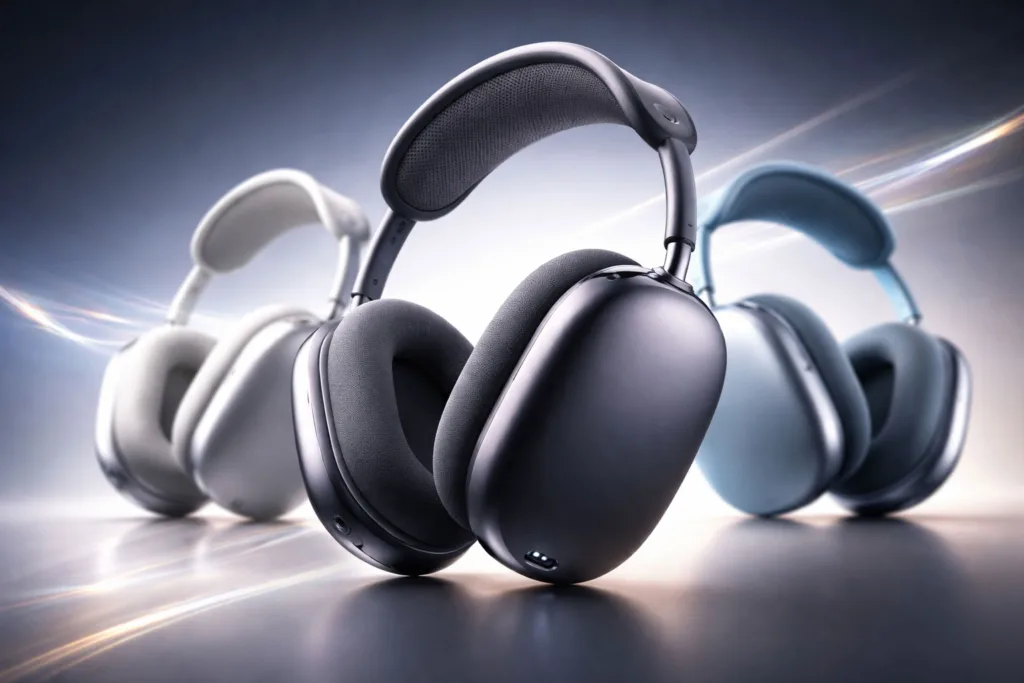
You’ve likely been following the evolution of personal audio for some time, and the introduction of the original AirPods Max certainly left an impression. Now, with the AirPods Max 2, you’re presented with a product designed to refine that experience, addressing some of the feedback from the previous iteration while pushing boundaries in audio technology. This isn’t about revolutionary new features as much as it is about subtle, impactful enhancements that improve your daily interaction with sound.
Refined Audio Fidelity and Spatial Technologies
When considering the AirPods Max 2, your first area of interest will undoubtedly be the audio quality itself. Apple has focused on a nuanced approach to sound reproduction, aiming for a balanced and accurate presentation across the frequency spectrum. You’ll find that the sound profile has been adjusted to offer a clearer mid-range and a more controlled bass response compared to its predecessor. This isn’t about exaggerated lows or highs, but rather a faithful representation of your audio source.
Enhanced Drivers for Greater Clarity
The heart of any headphone’s sound lies in its drivers. With the AirPods Max 2, you’ll encounter redesigned dynamic drivers. These aren’t drastically different in size, but the materials used in their construction and the precision of their assembly have been improved. This results in a reduction of distortion, particularly at higher volumes, allowing you to discern individual instruments and vocal nuances more readily. You might notice an improved sense of
“air” around the audio, making complex tracks less cluttered and more defined.
Next-Generation H2 Chip for Advanced Processing
The H2 chip, a core component in many of Apple’s recent audio devices, plays a significant role in the AirPods Max 2. This chip, beyond its Bluetooth management capabilities, is responsible for a suite of computational audio processes. You’ll experience more effective active noise cancellation, a clearer transparency mode, and real-time audio adjustments that adapt to your listening environment. The H2 chip also facilitates the enhanced spatial audio features, which we will discuss further. Its processing power allows for more intricate algorithms to be run concurrently, leading to real-time adjustments that the original H1 chip couldn’t manage with the same efficiency.
Improvements in Adaptive EQ
Adaptive EQ, a feature that adjusts the sound profile based on the fit and seal of the headphones, receives an upgrade with the H2 chip. You’ll find that the AirPods Max 2 can now more precisely measure the acoustics within the earcups and adapt the audio output accordingly. This means that regardless of how you wear them, or if there’s a slight shift in position, the sound signature aims to remain consistent. This is a subtle improvement, but one that contributes to a more predictable and enjoyable listening experience over extended periods.
Advanced Personalised Spatial Audio
Spatial audio, a standout feature of the original AirPods Max, is further refined in the second generation. While the fundamental concept remains the same – creating an immersive, multi-dimensional audio experience – the execution is more precise. You’ll find the head-tracking capabilities to be more responsive and accurate, creating a more convincing sensation of sound originating from a fixed point in space, even as you move your head. This enhancement is particularly noticeable when watching movies or playing games, where spatial cues can significantly impact immersion. Furthermore, the personalization aspect now utilizes even more precise ear scanning technology during initial setup, tailoring the spatial audio experience more accurately to your unique ear geometry. This means that the virtual soundstage is rendered more optimally for your specific head and ear shape, reducing perceived inconsistencies that some users experienced with the previous generation.
The AirPods Max 2 have generated significant interest in the tech community, particularly regarding their innovative features and enhanced sound quality. For those looking to explore more about advancements in audio technology and how companies are pushing the boundaries of innovation, a related article can be found at Unlocking Innovation with DGX Spark. This article delves into the latest trends in audio devices and the impact of cutting-edge technologies on user experience.
Enhanced Active Noise Cancellation and Transparency

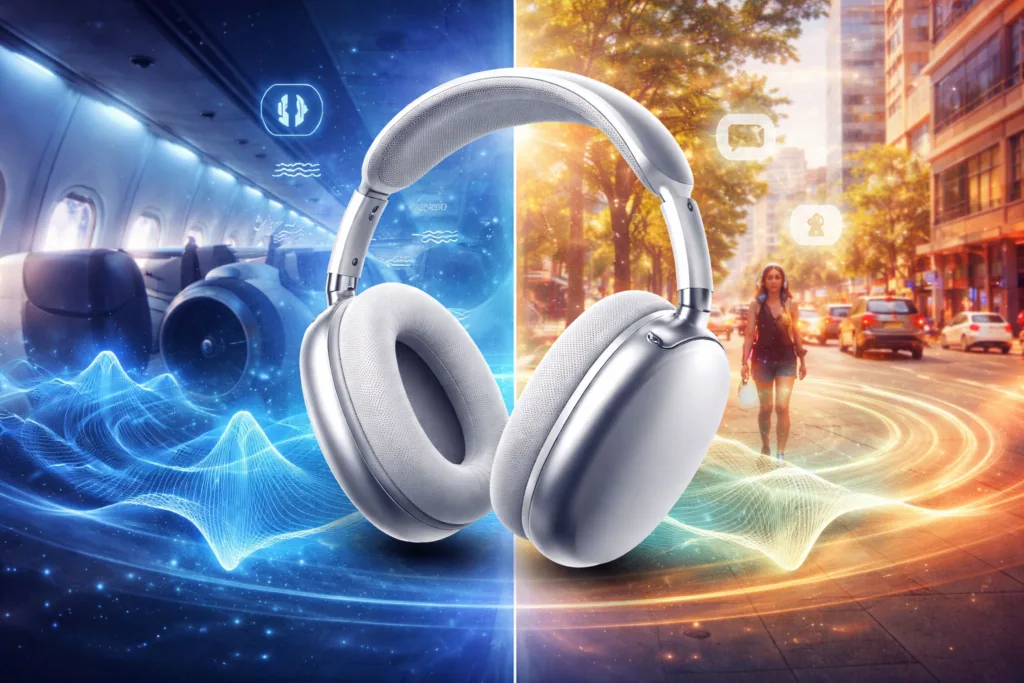
Your ability to control your auditory environment is a key aspect of premium headphones. The AirPods Max 2 builds upon the strong foundation of its predecessor, offering tangible advancements in both active noise cancellation (ANC) and transparency modes.
Superior Noise Attenuation with Improved Microphones
The H2 chip, combined with an enhanced microphone array, allows the AirPods Max 2 to achieve a higher level of noise cancellation. You’ll likely notice a more significant reduction in low-frequency rumble, such as engine noise or air conditioning hum, when compared to the first generation. This isn’t just about quantitative improvement; the quality of the cancellation is also refined, with less audible “hiss” in quieter environments. The microphones are better at discerning between ambient noise and your desired audio, resulting in a cleaner and more effective attenuation of unwanted sounds. The strategic placement and type of microphones have been reevaluated to capture external sounds with greater accuracy, allowing the algorithms to create more precise anti-noise waveforms.
More Natural-Sounding Transparency Mode
Transparency mode, which allows you to hear your surroundings while listening to audio, also sees notable improvements. With the AirPods Max 2, the audio passthrough sounds more natural and less processed. You’ll find that conversations are clearer, and environmental sounds like traffic or announcements are easier to distinguish. This is achieved through quicker processing and more accurate reproduction of external audio, reducing the artificial sensation often associated with transparency modes in other headphones. The H2 chip’s low-latency processing is crucial here, minimizing any delay between the external sound reaching the microphones and it being played back through the drivers, contributing to a more seamless integration with your environment.
Adaptive Noise Control for Dynamic Environments
A new feature introduced with the AirPods Max 2 is adaptive noise control. This isn’t just a static level of noise cancellation; it dynamically adjusts based on your environment. For instance, if you move from a quiet office to a bustling street, the headphones will automatically increase the level of noise cancellation without you needing to manually intervene. Conversely, if you enter a conversation, the transparency level might subtly increase. This feature aims to provide a more hands-off and intuitive experience, optimizing your listening comfort across various scenarios. The system uses real-time acoustic analysis of your surroundings, utilizing the microphone array to constantly monitor ambient noise levels and types, and then intelligently adjusts the ANC and Transparency settings to maintain an optimal balance between isolation and environmental awareness.
Design Evolution and Comfort Considerations
While the core aesthetic of the AirPods Max 2 largely remains the same, there are subtle refinements in design and significant considerations for long-term comfort and usability that you will appreciate.
Enhanced Earcup Materials and Improved Durability
You’ll find that the materials used for the earcups have been subtly upgraded. While still featuring an aluminum enclosure, the finish and anodization process are more resistant to minor scuffs and fingerprints. The ear cushions, which are still magnetically attached and replaceable, have a slightly denser foam composition. This doesn’t dramatically change the feel but contributes to better long-term shape retention and potentially a more consistent acoustic seal over time. The mesh fabric covering the earcups has also been improved for durability, resisting stretching and wear more effectively. These are not radical changes, but they contribute to the overall longevity and perceived quality of the product.
Lighter Build for Extended Wear
One of the criticisms of the original AirPods Max was their weight. Apple has addressed this in the second generation by significantly reducing the overall weight of the headphones. You’ll notice this difference particularly during extended listening sessions, with less pressure on your head and neck. This weight reduction has been achieved through optimizations in internal component sizing and material selection without compromising the structural integrity of the headphones. The headband still utilizes a breathable mesh canopy to distribute weight, but with a lighter overall assembly, its effectiveness is amplified. This allows for a more comfortable experience, reducing fatigue during long flights or work sessions.
USB-C Charging and Future-Proofing
A practical upgrade that you will appreciate is the switch from Lightning to USB-C for charging. This brings the AirPods Max 2 in line with many other modern electronic devices, simplifying your charging setup. You’ll be able to use the same cable for your headphones, laptop, and many smartphones, reducing the clutter of multiple chargers. This also allows for faster charging capabilities, though the exact charging speeds will depend on the power adapter you use. This move towards universal connectivity is a pragmatic decision that enhances user convenience and future-proofs the device to some extent. The USB-C port also supports higher data transfer rates, though its primary function for these headphones remains charging and specific firmware updates via a wired connection.
Battery Life and Seamless Ecosystem Integration
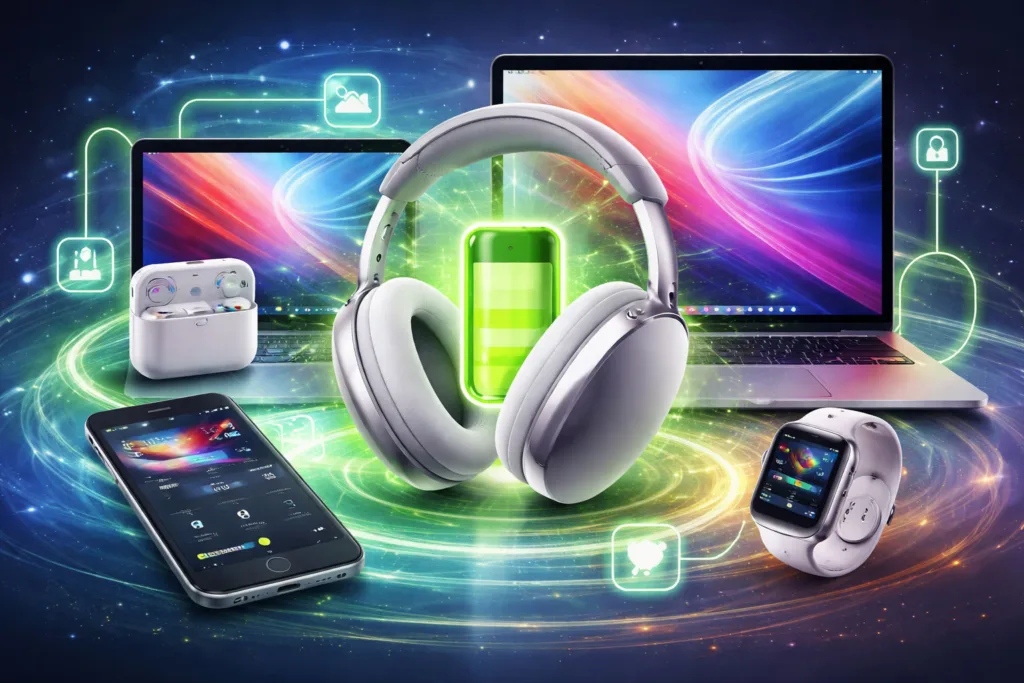
Your daily experience with premium headphones is heavily influenced by battery life and how seamlessly they integrate into your existing technological ecosystem. The AirPods Max 2 demonstrate advancements in both these areas.
Extended Battery Life on a Single Charge
You’ll find that the AirPods Max 2 offer an improved battery life compared to their predecessor. This is largely due to the efficiency of the H2 chip and optimized power management. You can expect up to 24-28 hours of listening time with active noise cancellation or transparency mode enabled, which is a noticeable increase from the original. This means fewer power anxiety moments and more uninterrupted listening, particularly useful for long journeys or intensive workdays. The enhanced power efficiency ensures that the bigger features are not at the expense of endurance, allowing you to maximize use between charges.
Ultra-Low Power Mode for Prolonged Standby
A significant enhancement in power management is the improved ultra-low power mode. When you place the AirPods Max 2 in their Smart Case, they now enter an even deeper low-power state almost immediately, preserving battery life more effectively. You won’t have to worry about significant battery drain if you forget to use them for a few days. This feature ensures that even after extended periods of inactivity, your headphones will still have a usable charge, ready for your next listening session without a full recharge being immediately necessary. This also applies when the headphones are simply left stationary for a period without being put in the case; the system is smarter about recognizing inactivity and conserving power.
Enhanced Device Switching and Continuity
The H2 chip further refines the automatic device switching experience within the Apple ecosystem. You’ll notice that the transition between your iPhone, iPad, Mac, and Apple Watch is even quicker and more reliable. This means less fumbling with Bluetooth settings and a more fluid workflow when moving between devices for different tasks. The system is more intelligent at predicting which device you intend to use for audio, making the handover almost imperceptible. This continuity across your Apple devices remains a key differentiator and a significant convenience factor for users invested in the ecosystem.
Find My Network Integration
For users who are prone to misplacing their belongings, the integration with the Find My network is a welcome addition. You can now precisely locate your AirPods Max 2, similar to how you would find an AirTag. This means if you leave them at home or at a friend’s house, you can track their location on a map. In close proximity, you can use Precision Finding to guide you to their exact whereabouts. This feature mitigates the concern of losing a premium audio device, providing you with peace of mind. The U1 chip, present in some Apple devices, further augments this by allowing for ultra-wideband enabled precision finding, providing directional cues when you are very close to your headphones.
The AirPods Max 2 have generated significant buzz in the tech community, particularly with their anticipated enhancements in sound quality and comfort. For those interested in exploring the future of audio technology and its integration with emerging trends, a related article discusses the potential of voice and visual search optimization in 2025. You can read more about these untapped channels and their implications for devices like the AirPods Max 2 by visiting this insightful piece.
Usability and Controls
Your interaction with the AirPods Max 2 is designed to be intuitive and efficient, building upon the established control scheme with subtle yet impactful improvements.
Refined Digital Crown for Tactile Control
The Digital Crown, a standout control mechanism from the original, remains. However, you’ll find that the tactile feedback and responsiveness have been subtly enhanced. Changes in volume, track skipping, and answering calls feel more precise and immediate. The internal mechanism has been refined to provide a more satisfying “click” for each interaction, making it more pleasant to use without looking. This small but important refinement contributes to a more premium and controlled user experience. The haptic feedback mechanisms integrated into the Digital Crown provide nuanced physical responses to your inputs, making the controls feel more direct and connected to the actions you perform.
Improved Pressure Sensor for Ear Detection
The on-board pressure sensors that detect when you’re wearing the headphones are now more accurate and less prone to false positives or negatives. This means that your audio playback will pause and resume more reliably when you take the headphones off or put them back on, leading to a smoother and less interrupted listening experience. The increased sensitivity and precision of these sensors contribute to a nearly seamless interaction, ensuring that your audio is always playing when and where you expect it to. This also means that calls are less likely to be dropped due to an accidental detection of the headphones being removed.
Voice Control Enhancements (Siri Integration)
Siri integration benefits from the H2 chip’s improved voice processing. You’ll find that your voice commands are understood more accurately, even in noisy environments. Whether you’re asking Siri to adjust volume, skip tracks, or make a call, the system is more responsive and reliable. The always-on Siri feature, allowing you to simply say “Hey Siri” without needing to press a button, is also more robust, providing a truly hands-free experience when navigating your audio or device controls. This is particularly useful when your hands are occupied or when you prefer not to interact directly with the physical controls.
Customisable Control Options via Software
While the physical controls are well-defined, the software allows for further customization. Through your device settings, you can now fine-tune certain aspects of the AirPods Max 2’s behavior. For instance, you might be able to reassign some gestures or adjust the sensitivity of the Digital Crown for specific actions. This level of personalization allows you to tailor the headphones to your preferred interaction style, enhancing your overall satisfaction with the device. Future software updates are also likely to introduce new control options or further refine existing ones, offering ongoing improvements to your user experience.
In conclusion, the AirPods Max 2 represents a thoughtful iteration rather than a radical overhaul. Your experience as a user is at the forefront of these design decisions, from the improved audio fidelity and noise cancellation to the practical enhancements in battery life and ecosystem integration. These are not features designed to overwhelm, but rather to subtly elevate your daily audio interactions, offering a more refined and dependable listening solution.
FAQs
What are the new features of AirPods Max 2?
The AirPods Max 2 features improved sound quality, longer battery life, and enhanced noise cancellation compared to the previous model. It also includes new color options and potentially improved connectivity features.
What is the expected release date of AirPods Max 2?
As of now, there is no official release date for the AirPods Max 2. However, it is anticipated to be announced and released by Apple in the near future.
What is the price range for AirPods Max 2?
The price range for the AirPods Max 2 has not been officially announced. However, it is expected to be in a similar range to the original AirPods Max, which was priced at $549.
Will AirPods Max 2 be compatible with all Apple devices?
It is expected that the AirPods Max 2 will be compatible with a wide range of Apple devices, including iPhones, iPads, Macs, and Apple Watches, just like the original AirPods Max.
Are there any rumors about additional features of AirPods Max 2?
Rumors suggest that the AirPods Max 2 may include new health and fitness tracking features, improved touch controls, and potentially a new carrying case design. However, these features have not been confirmed by Apple.