



Low-code and no-code development platforms have emerged as transformative tools in the realm of mobile application development. These platforms allow users to create applications with minimal hand-coding or, in the case of no-code platforms, without any coding at all. By utilizing visual interfaces, drag-and-drop functionalities, and pre-built templates, these platforms democratize the app development process, enabling individuals with little to no technical background to bring their ideas to life.
This shift is particularly significant in a world where mobile applications are integral to business operations, customer engagement, and overall digital strategy. The rise of low-code/no-code development can be attributed to several factors, including the increasing demand for rapid application development and the shortage of skilled developers. Traditional app development often requires extensive programming knowledge and can be time-consuming, leading to delays in bringing products to market.
Low-code and no-code platforms address this gap by streamlining the development process, allowing entrepreneurs and businesses to respond swiftly to market needs. As a result, these platforms are not just tools for developers; they are essential resources for anyone looking to innovate in the mobile space.
Key Takeaways
- Low-code/no-code mobile development allows entrepreneurs to create mobile apps without extensive coding knowledge, saving time and resources.
- The benefits of low-code/no-code development for entrepreneurs include faster time to market, cost savings, and the ability to iterate and innovate quickly.
- Low-code/no-code development empowers entrepreneurs by giving them the ability to bring their app ideas to life without relying on technical expertise or hiring expensive developers.
- Overcoming the challenges of low-code/no-code development involves finding the right platform, understanding its limitations, and leveraging its strengths for app creation.
- The role of low-code/no-code development in entrepreneurship is to democratize app development, enabling more individuals to enter the mobile market and innovate.
The Benefits of Low-Code/No-Code Development for Entrepreneurs
For entrepreneurs, low-code and no-code development platforms offer a plethora of advantages that can significantly impact their business trajectory. One of the most compelling benefits is cost efficiency. Traditional app development can be prohibitively expensive, often requiring a team of developers, designers, and project managers.
In contrast, low-code/no-code platforms reduce the need for extensive technical resources, allowing entrepreneurs to allocate their budgets more effectively. This financial flexibility is crucial for startups and small businesses that may operate on tight margins. Moreover, these platforms enable faster time-to-market.
In today’s fast-paced business environment, being first can provide a competitive edge. Entrepreneurs can quickly prototype their ideas, test them in real-world scenarios, and iterate based on user feedback without the lengthy development cycles associated with traditional coding. This agility not only enhances innovation but also allows businesses to pivot more easily in response to changing market conditions or consumer preferences.
The ability to launch an app swiftly can be the difference between capturing a market opportunity or watching it slip away.
How Low-Code/No-Code Development Empowers Entrepreneurs


Low-code and no-code development empower entrepreneurs by providing them with the tools necessary to take control of their digital projects. Traditionally, entrepreneurs often found themselves reliant on external developers or agencies, which could lead to miscommunication, delays, and increased costs.
With low-code/no-code platforms, entrepreneurs can directly engage in the development process, making real-time adjustments and decisions that align with their vision.
This hands-on approach fosters a deeper understanding of the app’s functionality and user experience. Additionally, these platforms encourage creativity and experimentation. Entrepreneurs can explore various design elements, features, and functionalities without the fear of incurring high costs associated with traditional development.
This freedom allows for a culture of innovation where ideas can be tested and refined quickly. For instance, an entrepreneur might start with a basic app concept and gradually enhance it by adding new features based on user feedback or market trends. This iterative process not only leads to better products but also instills a sense of ownership and pride in the final outcome.
Overcoming the Challenges of Low-Code/No-Code Development
Despite the numerous advantages of low-code and no-code development, there are challenges that entrepreneurs must navigate. One significant concern is the potential for limited customization. While these platforms offer a range of templates and pre-built components, they may not always meet specific business needs or unique branding requirements.
Entrepreneurs may find themselves constrained by the platform’s capabilities, which could hinder their ability to create a truly distinctive product. Another challenge is scalability. As businesses grow and evolve, their applications may need to accommodate increased user traffic or integrate with more complex systems.
Some low-code/no-code platforms may struggle to support such scalability without significant modifications or additional costs. Entrepreneurs must carefully evaluate their long-term goals and consider whether a chosen platform can grow alongside their business. This foresight is essential to avoid potential pitfalls down the line when transitioning from a simple app to a more robust solution.
The Role of Low-Code/No-Code Development in Entrepreneurship
Low-code and no-code development play a pivotal role in shaping the entrepreneurial landscape by lowering barriers to entry for aspiring business owners. In an era where technology is paramount for success, these platforms enable individuals from diverse backgrounds—whether they are marketers, designers, or subject matter experts—to participate in app development. This inclusivity fosters a more diverse range of ideas and solutions in the marketplace.
Furthermore, low-code/no-code development aligns with the growing trend of digital transformation across industries. As businesses increasingly rely on technology to streamline operations and enhance customer experiences, having the ability to develop custom applications becomes essential. Entrepreneurs leveraging these platforms can create tailored solutions that address specific pain points within their industries, thereby positioning themselves as innovators and leaders in their respective fields.
Case Studies: Successful Mobile Apps Built with Low-Code/No-Code Platforms
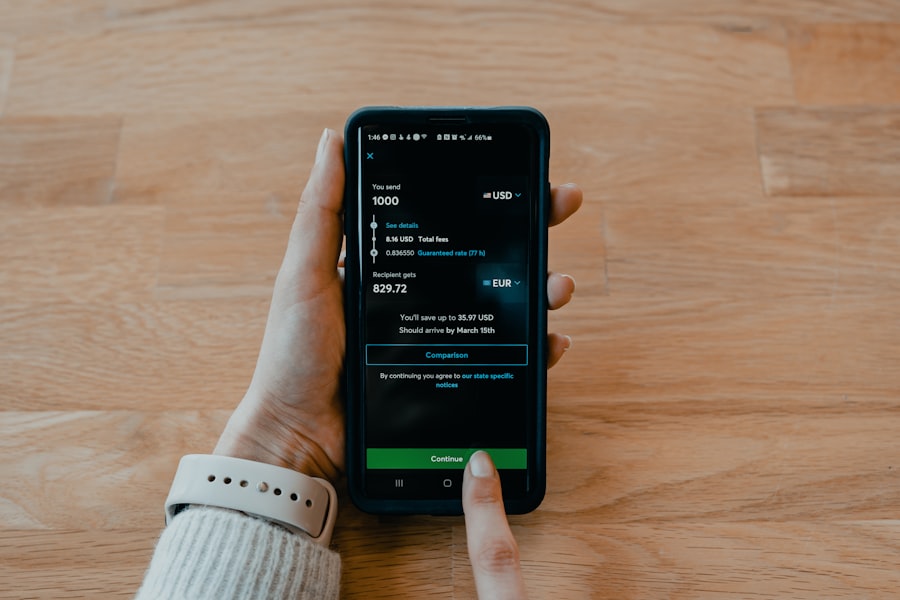
Several successful mobile applications have emerged from low-code and no-code platforms, showcasing their potential for innovation and effectiveness. One notable example is the app “Glitch,” which allows users to create and share interactive web applications without needing extensive coding knowledge. By utilizing a no-code approach, Glitch has empowered countless creators—from hobbyists to professional developers—to build engaging applications that resonate with users.
Another compelling case is “Adalo,” a low-code platform that enables users to design mobile apps visually. Adalo has been instrumental for entrepreneurs looking to launch their products quickly without extensive technical expertise. For instance, a small business owner used Adalo to create an app that connects local artisans with consumers seeking handmade goods.
The ease of use allowed this entrepreneur to focus on marketing and customer engagement rather than getting bogged down in technical details.
Choosing the Right Low-Code/No-Code Platform for Your Mobile App
Selecting the appropriate low-code or no-code platform is crucial for entrepreneurs aiming to develop successful mobile applications. Various factors should be considered during this decision-making process. First and foremost is the platform’s ease of use; entrepreneurs should look for intuitive interfaces that allow them to navigate the development process without extensive training or technical support.
Additionally, scalability should be a key consideration. Entrepreneurs must assess whether the platform can accommodate future growth as their user base expands or as they introduce new features. Integration capabilities are also vital; the chosen platform should seamlessly connect with other tools and services that the business relies on, such as customer relationship management (CRM) systems or payment gateways.
By carefully evaluating these aspects, entrepreneurs can select a platform that aligns with their current needs while also supporting future growth.
Tips for Entrepreneurs Getting Started with Low-Code/No-Code Development
For entrepreneurs venturing into low-code or no-code development for the first time, several strategies can enhance their experience and outcomes. First, it’s essential to start with a clear vision of what you want your app to achieve. Defining your goals upfront will guide your design choices and help you prioritize features that align with your business objectives.
Engaging with online communities and forums dedicated to low-code/no-code development can also provide valuable insights and support. Many platforms have active user groups where entrepreneurs share tips, best practices, and troubleshooting advice. Additionally, taking advantage of tutorials and resources offered by platform providers can accelerate your learning curve and help you maximize the platform’s capabilities.
The Future of Low-Code/No-Code Mobile Development
The future of low-code and no-code mobile development appears promising as technology continues to evolve rapidly. As artificial intelligence (AI) and machine learning (ML) become more integrated into these platforms, we can expect enhanced functionalities that will further simplify the development process. For instance, AI-driven features could automate routine tasks or provide intelligent suggestions based on user behavior patterns.
Moreover, as businesses increasingly recognize the value of digital transformation, the demand for low-code/no-code solutions is likely to grow exponentially. This trend will encourage platform providers to innovate continuously, offering more robust features and improved user experiences. As a result, we may see an influx of new players entering the market, further enriching the ecosystem of tools available for entrepreneurs.
Empowering Entrepreneurial Innovation with Low-Code/No-Code Mobile Development
Low-code and no-code mobile development serve as catalysts for entrepreneurial innovation by enabling individuals to transform their ideas into tangible products without being hindered by technical limitations. This empowerment fosters a culture where creativity thrives; entrepreneurs can experiment with different concepts without fear of failure or excessive costs associated with traditional development methods. Furthermore, as more entrepreneurs leverage these platforms to create unique solutions tailored to specific market needs, we will likely witness an increase in niche applications that address underserved segments of the population.
This diversification not only enriches the app marketplace but also contributes positively to economic growth by fostering new business ventures.
Leveraging Low-Code/No-Code Development for Business Growth
Entrepreneurs looking to leverage low-code/no-code development for business growth should focus on aligning their app strategies with broader organizational goals. By identifying key performance indicators (KPIs) that reflect success—such as user engagement rates or revenue generated from app-related services—entrepreneurs can ensure that their development efforts contribute meaningfully to overall business objectives. Additionally, continuous iteration based on user feedback is vital for maintaining relevance in a competitive landscape.
Entrepreneurs should actively seek input from users post-launch and be prepared to make adjustments that enhance functionality or improve user experience.
By adopting an agile mindset and embracing change as part of the development process, entrepreneurs can position themselves for sustained growth in an ever-evolving digital marketplace.
If you are interested in exploring the world of digital marketing, you may want to check out this article on the best email marketing agencies and services and the benefits they offer here. Email marketing is a crucial aspect of any business’s marketing strategy, and working with the right agency can help you reach your target audience effectively. Additionally, if you are looking to enhance your leadership skills, you can read about how effective leadership training can unlock your potential here. Lastly, for those interested in the intersection of virtual worlds and real-life opportunities, you can delve into the concept of the metaverse in this article here.