


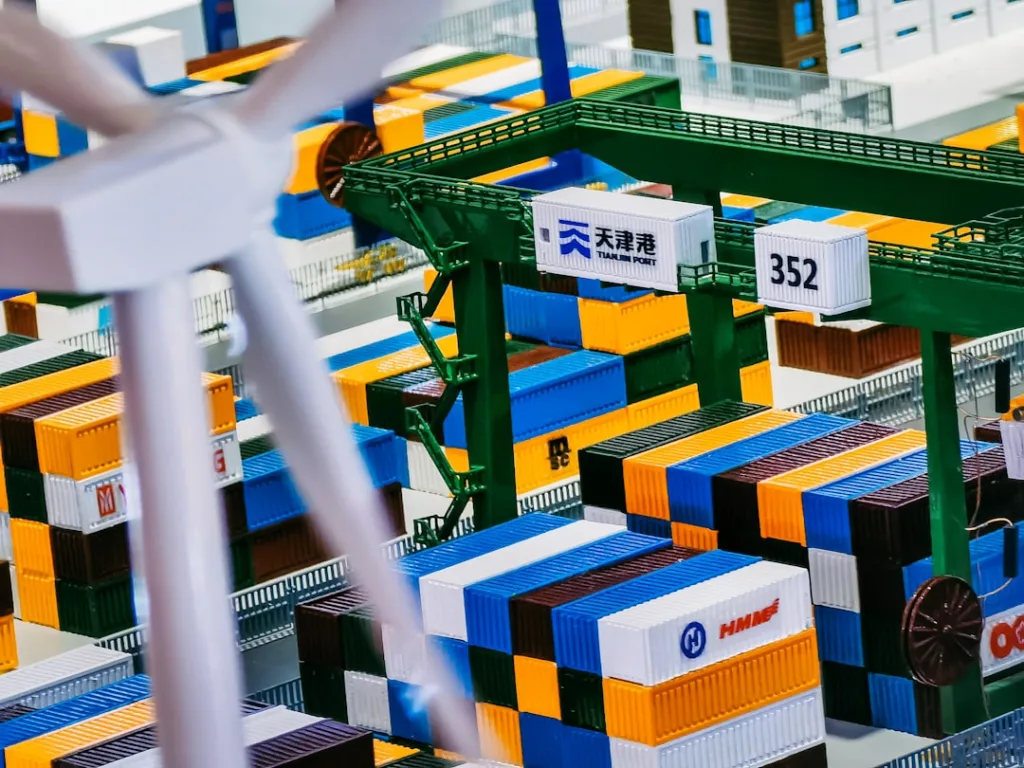
In today’s interconnected world, global volatility has become a defining characteristic of the economic landscape. You may have noticed how events in one part of the globe can ripple through markets and supply chains, affecting businesses and consumers alike. This volatility can stem from various sources, including geopolitical tensions, natural disasters, and economic shifts.
Understanding these dynamics is crucial for anyone involved in supply chain management or business operations. The unpredictability of global events means that you must be prepared to adapt quickly to changes that could impact your operations. As you navigate this complex environment, it’s essential to recognize that global volatility is not merely a challenge but also an opportunity for growth and innovation.
By understanding the factors that contribute to volatility, you can better anticipate disruptions and develop strategies to mitigate their effects. This awareness allows you to position your organization to respond effectively, ensuring that you remain competitive even in uncertain times. Embracing this mindset will enable you to turn potential threats into opportunities for improvement and resilience.
Key Takeaways
- Global volatility can significantly impact supply chain operations and requires a deep understanding of its causes and effects.
- Supply chain resilience is crucial for mitigating the impact of global volatility and ensuring business continuity.
- Balancing resilience and efficiency is essential for optimizing supply chain operations in the face of global volatility.
- Navigating global volatility requires strategies such as diversifying sourcing, inventory optimization, and risk management.
- Leveraging technology can enhance supply chain resilience through real-time visibility, predictive analytics, and automation.
The Importance of Supply Chain Resilience
Supply chain resilience has emerged as a critical focus for businesses aiming to thrive amid global volatility. You may find that a resilient supply chain is one that can withstand shocks and recover quickly from disruptions. This resilience is not just about having backup plans; it involves creating a robust framework that allows for flexibility and adaptability in the face of unforeseen challenges.
As you consider your own supply chain, think about how well it can respond to sudden changes in demand, supply shortages, or logistical hurdles. Building resilience requires a proactive approach to risk management. You should assess potential vulnerabilities within your supply chain and develop strategies to address them.
This might involve diversifying suppliers, investing in inventory management systems, or enhancing communication channels with partners.
By prioritizing resilience, you not only safeguard your operations but also enhance your reputation among customers and stakeholders who value reliability and responsiveness.
Balancing Resilience and Efficiency


While resilience is vital, it is equally important to maintain efficiency within your supply chain operations. You may find yourself grappling with the challenge of striking the right balance between these two objectives. On one hand, a highly efficient supply chain minimizes costs and maximizes productivity; on the other hand, an overly rigid system may falter when faced with unexpected disruptions.
As you evaluate your supply chain strategy, consider how you can achieve this delicate equilibrium. One approach is to implement flexible processes that allow for quick adjustments without sacrificing efficiency. For instance, you might explore just-in-time inventory practices that reduce holding costs while ensuring that you can respond swiftly to changes in demand.
Additionally, fostering a culture of continuous improvement within your organization can help identify areas where efficiency can be enhanced without compromising resilience.
By embracing both principles, you position your supply chain to thrive in a volatile environment while still meeting customer expectations.
Strategies for Navigating Global Volatility
| Strategies | Benefits |
|---|---|
| Diversification | Reduces risk by spreading investments across different asset classes and regions |
| Hedging | Protects against potential losses by using financial instruments such as options or futures |
| Active Management | Adapts to changing market conditions and takes advantage of opportunities |
| Global Allocation | Invests in a mix of global assets to capture growth and manage risk |
To effectively navigate global volatility, you need a comprehensive set of strategies tailored to your specific business context. One key strategy is scenario planning, which involves envisioning various potential futures based on different variables such as market trends, regulatory changes, or geopolitical events. By preparing for multiple scenarios, you can develop contingency plans that enable you to respond swiftly when disruptions occur.
Another important strategy is to invest in building strong relationships with suppliers and partners. You may find that collaboration fosters greater transparency and communication, allowing for quicker responses to challenges. Establishing trust with your partners can lead to shared resources and information, which can be invaluable during times of uncertainty.
By proactively engaging with your supply chain network, you create a support system that enhances your ability to navigate volatility effectively.
Leveraging Technology for Supply Chain Resilience
In an era defined by rapid technological advancements, leveraging technology is essential for enhancing supply chain resilience. You may already be aware of various tools and platforms that can streamline operations and improve visibility across your supply chain. For instance, implementing advanced analytics can provide valuable insights into demand patterns and potential disruptions, enabling you to make informed decisions.
Moreover, automation technologies such as robotics and artificial intelligence can enhance efficiency while allowing for greater flexibility in operations. By automating routine tasks, you free up resources to focus on strategic initiatives that bolster resilience. Additionally, cloud-based solutions facilitate real-time collaboration among stakeholders, ensuring that everyone is aligned and informed during times of uncertainty.
Embracing these technological innovations will empower you to build a more resilient supply chain capable of adapting to the challenges of a volatile global environment.
Building Flexibility into Supply Chain Operations
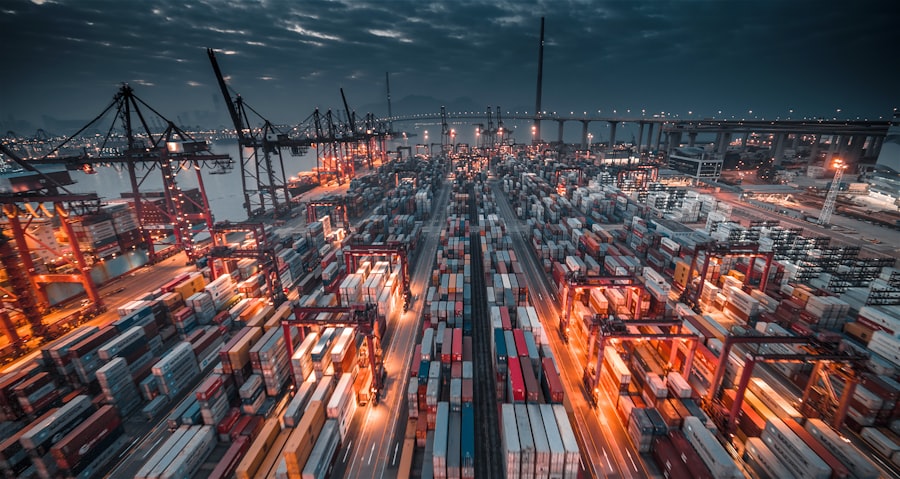

Flexibility is a cornerstone of a resilient supply chain. As you assess your operations, consider how you can incorporate flexibility into various aspects of your supply chain management. This might involve diversifying your supplier base to reduce dependency on a single source or adopting modular production techniques that allow for quick adjustments in response to changing demand.
You may also want to explore flexible logistics solutions that enable rapid shifts in transportation methods or routes based on real-time conditions. For example, utilizing multiple carriers or modes of transport can help mitigate disruptions caused by unforeseen events such as natural disasters or political unrest. By prioritizing flexibility in your operations, you position yourself to respond effectively to challenges while maintaining service levels and customer satisfaction.
Collaborating with Supply Chain Partners
Collaboration with supply chain partners is essential for building resilience in an unpredictable global environment. You may find that fostering strong relationships with suppliers, distributors, and logistics providers enhances your ability to respond to disruptions collectively. Open lines of communication are crucial; by sharing information about potential risks or changes in demand, you can work together to develop solutions that benefit all parties involved.
Consider establishing collaborative platforms where partners can share insights and data in real time. This transparency not only strengthens relationships but also enables quicker decision-making during crises. Joint problem-solving initiatives can lead to innovative approaches that enhance overall supply chain performance.
By embracing collaboration as a core principle of your supply chain strategy, you create a network of support that bolsters resilience against global volatility.
The Future of Supply Chain Management in a Volatile Global Environment
As you look ahead, the future of supply chain management will undoubtedly be shaped by ongoing global volatility. You may anticipate that businesses will increasingly prioritize resilience as a fundamental aspect of their operations. This shift will likely lead to greater investment in technology and innovation aimed at enhancing flexibility and responsiveness.
Moreover, sustainability will play an increasingly important role in shaping supply chain strategies. Consumers are becoming more conscious of environmental impacts, prompting businesses to adopt sustainable practices throughout their supply chains. As you navigate this evolving landscape, consider how integrating sustainability into your operations can enhance both resilience and brand reputation.
In conclusion, the future of supply chain management will require a proactive approach that embraces change and fosters collaboration among partners. By understanding global volatility and prioritizing resilience alongside efficiency, you position yourself for success in an ever-changing world. Embracing technology and building flexibility into your operations will empower you to navigate challenges effectively while meeting the demands of an increasingly discerning customer base.
In the context of navigating the complexities of supply chain strategy, the article on vulnerability in leadership offers valuable insights into how leaders can foster resilience within their organizations. As companies face global volatility, understanding the balance between resilience and efficiency becomes crucial, and effective leadership plays a pivotal role in guiding teams through uncertainty.
FAQs
What is the difference between resilience and efficiency in supply chain strategy?
Resilience in supply chain strategy refers to the ability to adapt and recover from disruptions, while efficiency focuses on minimizing costs and maximizing productivity.
Why is it important to balance resilience and efficiency in supply chain strategy?
Balancing resilience and efficiency in supply chain strategy is important because it allows companies to mitigate risks from disruptions while still maintaining cost-effective operations.
How can companies achieve a balance between resilience and efficiency in their supply chain strategy?
Companies can achieve a balance between resilience and efficiency by investing in technologies that improve visibility and flexibility in their supply chains, while also optimizing processes to reduce waste and improve productivity.
What are some examples of global volatility that can impact supply chain strategy?
Global volatility can include natural disasters, geopolitical conflicts, economic downturns, and pandemics, all of which can disrupt supply chains and impact the flow of goods and services.
What are the potential consequences of prioritizing efficiency over resilience in supply chain strategy?
Prioritizing efficiency over resilience in supply chain strategy can leave companies vulnerable to disruptions, leading to increased costs, delays, and potential damage to customer relationships.
How can companies measure the resilience of their supply chain strategy?
Companies can measure the resilience of their supply chain strategy by assessing their ability to respond to disruptions, recover from setbacks, and maintain continuity of operations during challenging times.