


You’ve probably seen the headlines, or perhaps a fleeting mention on a news site or a tech forum. The National Security Agency (NSA) has issued a warning, a directive that feels both urgent and surprisingly simple: reboot your internet router. It’s easy to dismiss such advice as routine maintenance, something you’d do when your Wi-Fi is acting sluggish. Yet, this particular recommendation stems from a more serious concern, one that touches upon the fundamental security of your home network and, by extension, your digital life. This isn’t about optimizing speeds; it’s about fortifying your defenses against evolving threats.
The NSA’s involvement lends significant weight to this advisory. This isn’t a call from a consumer electronics review site; it’s a warning from an agency at the forefront of cybersecurity, deeply embedded in understanding the vulnerabilities that plague our interconnected world. They see the patterns, the exploits, and the potential consequences more clearly than most. Understanding precisely why they are urging this action, and what it means for you, is crucial. This article aims to demystify the NSA’s warning, offering a clear understanding of the risks and the simple yet impactful solution.
The digital realm is not a static environment. It’s a constantly shifting battlefield where attackers are perpetually refining their tactics and developing new tools. Your internet router, that unassuming box that connects you to the vast expanse of the internet, is a critical gateway. It’s not just a conduit for browsing and streaming; it’s a central hub for all your connected devices, from your laptop and smartphone to your smart thermostat and security cameras. This makes it an attractive target.
Sophisticated Exploits Targeting Network Infrastructure
Attackers are no longer solely focused on individual devices. They are increasingly targeting the very infrastructure that enables your connectivity. Routers, due to their omnipresence and the inherent complexity of their operating systems, present a prime opportunity for exploitation. Imagine a security guard at the entrance of a building. If that guard is compromised, the entire building becomes vulnerable. Your router plays a similar role in your digital home.
Malware Designed for Router Compromise
Malware has evolved beyond simple virus infections. We now see sophisticated malware strains specifically engineered to infiltrate and control internet routers. These malicious programs can steal your sensitive information, redirect your internet traffic to malicious websites, or even use your router as a platform to launch attacks against other networks. The goal is often stealth and persistence, allowing attackers to maintain a foothold for extended periods without detection.
Understanding the Mechanics of Router Malware
When a router is infected, it can be subjected to a range of malicious activities. This can include DNS hijacking, where your requests for legitimate websites are rerouted to fraudulent ones, leading to phishing attacks or the installation of further malware. Botnets, vast networks of compromised devices controlled by attackers, often leverage routers as their command-and-control infrastructure. This means your router could inadvertently be participating in a distributed denial-of-service (DDoS) attack, disrupting online services for others.
The Persistent Nature of Vulnerabilities
Once a router is compromised, removing the malware can be a challenging endeavor. Many strains are designed to survive reboots, making a simple restart an insufficient solution for immediate remediation, though as we will discuss, it can be a critical first step. The deeper the infection, the more it can embed itself within the router’s firmware, requiring more drastic measures for full eradication.
Firmware as a Target
The firmware is the low-level software that operates your router. It dictates its fundamental functions and how it communicates with the internet and your local devices. Vulnerabilities within this firmware can provide attackers with backdoor access, allowing them to bypass standard security measures. Exploiting firmware vulnerabilities is a sophisticated attack vector, and the NSA’s warning suggests these are being actively leveraged.
The Importance of Patching and Updates
While the NSA specifically calls for a reboot, it’s essential to recognize that this is often a reactive measure. Proactive security involves keeping your router’s firmware updated. Manufacturers release patches to address known vulnerabilities. Failing to apply these updates leaves your router exposed to well-documented exploits, making it an easy target. You should regularly check your router manufacturer’s website for the latest firmware releases.
In light of the recent NSA warning urging users to reboot their internet routers to enhance security, it’s crucial to stay informed about best practices for maintaining data integrity online. A related article that delves into the importance of automated data quality and machine learning for ensuring data integrity at scale can be found here: Automated Data Quality: ML for Data Integrity at Scale. This resource provides valuable insights into how technology can help safeguard your data and improve overall internet security.
The Gateway to Your Digital Life
Your internet router is more than just a box that provides Wi-Fi. It’s the gatekeeper to all your digital activities. Every email you send, every website you visit, every online transaction you make, passes through it. This makes its security paramount. A compromised router can expose a vast amount of personal and sensitive data.
The Scope of Data at Risk
Think about everything connected to your home network. Your laptops contain financial information, personal documents, and login credentials for various online services. Your smartphones store photos, contacts, and app data, much of which can be sensitive. Smart home devices, while convenient, can also collect data about your habits and routines. All of this flows through your router.
Your Online Identity and Credentials
Your login details are the keys to your online kingdom. If an attacker can intercept these through a compromised router, they can gain access to your email, social media accounts, banking platforms, and more. This can lead to identity theft, financial fraud, and reputational damage. The ease with which attackers can now harvest these credentials through compromised network devices makes this a significant concern.
Phishing and Social Engineering Amplified
A compromised router can be used to facilitate more effective phishing attacks. Imagine browsing a legitimate banking website, only to be silently redirected to a near-perfect replica designed to steal your credentials. The router can also be used to inject malicious code into web pages you visit, leading you to believe a legitimate site is asking for sensitive information. This amplifies the effectiveness of social engineering tactics, as the victim believes they are interacting with a trusted source.
Impact on Connected Devices
The security of your router directly impacts the security of every device connected to your network. If your router is compromised, those devices, even if they are individually secure, become vulnerable. An attacker can use the router as a pivot point to launch attacks against other devices on your network, creating a domino effect of potential security breaches.
Spreading Malware Within Your Home Network
Once an attacker has control of your router, they can use it to distribute malware to other devices connected to your network. This can happen without your direct interaction, infecting your computers and smartphones silently. The compromised router acts as a Trojan horse, allowing the malware to spread undetected within your personal digital ecosystem.
Unauthorized Access to Networked Devices
Beyond malware, a compromised router can grant attackers unauthorized access to your networked devices. This could mean someone gaining control of your smart security cameras, listening in on conversations through smart speakers, or accessing files stored on your network-attached storage (NAS) devices. The privacy implications are substantial.
The Necessity of a Router Reboot

The NSA’s directive to reboot your router is not arbitrary. It’s a fundamental cybersecurity practice that can, in many cases, disrupt active compromises and restore your network’s baseline security. While not a permanent fix for deeply embedded vulnerabilities, it’s a crucial first step in remediating immediate threats.
How a Reboot Can Help
When you reboot your router, you are essentially restarting its operating system. This action can clear temporary memory, terminate active processes, and effectively force any malware running on the router to cease its current operations. For many types of malware, particularly those that rely on maintaining an active connection and executing code in RAM, a reboot can effectively sever that connection and render them inactive.
Clearing Malicious Processes
Many sophisticated attacks rely on running processes within the router’s memory. A reboot will terminate these processes, clearing the infected state. It’s akin to clearing a web browser’s cache and cookies; it removes the immediate traces and active components of the malware.
Disrupting Active Exploitations
If your router is currently being actively exploited, a reboot can disrupt that ongoing activity. This doesn’t mean the vulnerability that allowed the exploitation is fixed, but it stops the immediate malicious actions being performed at that moment. It buys you time to implement more permanent solutions.
The Granularity of Router Operations
Routers perform a multitude of complex operations to manage network traffic. Malware can sometimes interfere with these operations by injecting its own code or altering configurations. A reboot resets these processes to their default, intended states, often nullifying any malicious alterations.
Restoring Default Network Configurations
Malware can sometimes subtly alter your router’s network settings, such as DNS server addresses or firewall rules, to facilitate its malicious activities. A reboot forces the router to load its configuration from its persistent storage, effectively reverting these changes to what they were before the malware took hold.
Interrupting Persistent Connections
Many advanced persistent threats (APTs) rely on maintaining covert channels of communication with their command-and-control servers. A reboot can interrupt these persistent connections, preventing the malware from receiving further instructions or exfiltrating data until it can re-establish its presence.
Beyond the Reboot: Essential Security Practices

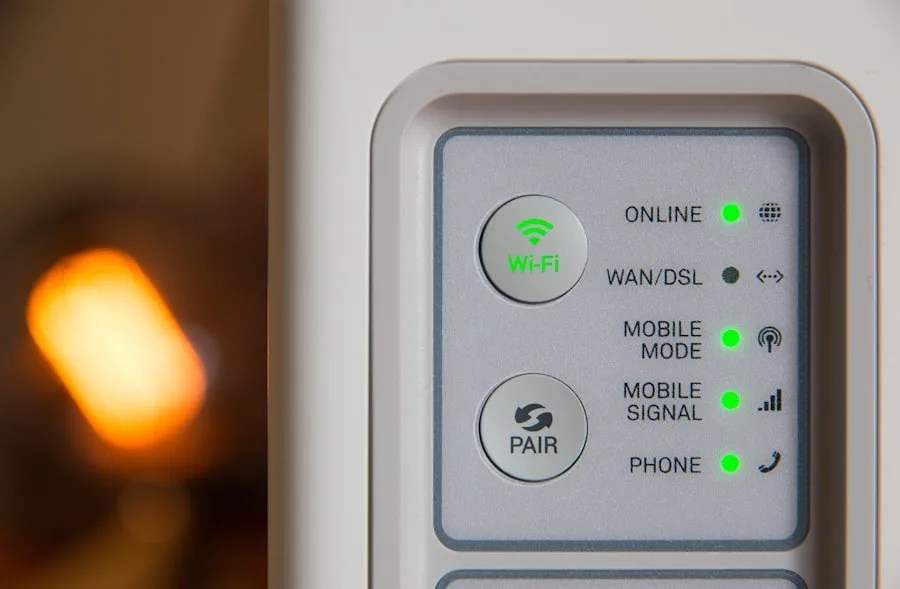
While a reboot is a vital immediate step, it’s crucial to understand that it’s not a silver bullet. The NSA’s warning is a call to action that should prompt you to re-evaluate and strengthen your overall home network security posture. Relying solely on a reboot is like patching a leaky roof without addressing the underlying structural issues.
Regular Firmware Updates
This cannot be stressed enough. Your router manufacturer provides updates to patch security vulnerabilities. These are essential. Make it a habit to check for and install firmware updates for your router regularly. Many modern routers offer automatic update features; ensure this is enabled if available.
Understanding Firmware Versions
It’s important to know what firmware version your router is running. You can usually find this information in your router’s web-based administration interface. Compare this to the latest version available on the manufacturer’s website.
The Dangers of Outdated Firmware
Using outdated firmware is like leaving your digital doors and windows wide open. Known vulnerabilities are extensively documented, and attackers actively scan for devices running older, unpatched firmware.
Strong and Unique Passwords
This applies to both your Wi-Fi network and your router’s administration interface. Default passwords are a well-known weak point. Attackers can easily find lists of default router passwords online, allowing them immediate access to your network settings.
Securing Your Wi-Fi Network
Your Wi-Fi password should be complex, combining uppercase and lowercase letters, numbers, and symbols. Avoid using easily guessable information like personal names or birthdates.
The Router Administration Interface
The login credentials for your router’s administrative interface are equally important. Change these from the default immediately and use a strong, unique password. This prevents unauthorized access to your router’s settings, where further malicious configurations could be made.
Network Segmentation and Guest Networks
If your router supports it, consider using network segmentation to isolate different types of devices. For instance, you could create a separate guest network for visitors, limiting their access to your main network and its sensitive devices.
The Benefit of Guest Networks
A guest network provides internet access without allowing guests to see or interact with your personal devices or files. This is particularly useful for public Wi-Fi hotspots or for reducing the attack surface within your home.
Isolating IoT Devices
Internet of Things (IoT) devices can sometimes be more vulnerable than traditional computers. Isolating them on a separate network segment can help prevent a compromise of an IoT device from affecting your more critical devices.
In light of the recent NSA warning urging individuals to reboot their internet routers, it is essential to stay informed about cybersecurity measures. A related article discusses the importance of empathy in leadership, which can also extend to how leaders approach cybersecurity within their organizations. Understanding the human element in technology can enhance overall security protocols. For more insights on this topic, you can read the article on empathy in leadership.
Understanding the NSA’s Role and the Implications
| Router Model | Number of Affected Devices | Recommended Action |
|---|---|---|
| Linksys EA4500 | 10,000 | Reboot immediately and update firmware |
| Netgear Nighthawk R7000 | 15,000 | Reboot and install latest security patches |
| Asus RT-AC66U | 8,000 | Reboot and change default login credentials |
The NSA’s involvement in issuing such a public warning signifies the gravity of the situation. It indicates that the threats being observed are widespread and impactful enough to warrant intervention beyond the typical channels. While this might sound alarming, it’s important to view it as proactive guidance from an organization dedicated to national security, which by extension includes the security of its citizens’ digital infrastructure.
The NSA’s Mandate and Expertise
The NSA is responsible for collecting and analyzing foreign intelligence and securing U.S. government information systems. Their insights into cyber threats are unparalleled. When they issue a warning like this, it’s based on extensive intelligence gathering and analysis of current and emerging threats.
Early Warning and Threat Intelligence
The NSA often acts as an early warning system, flagging potential risks to critical infrastructure and the general public. Their warnings are designed to allow individuals and organizations to take preventative measures before widespread damage occurs.
The Link Between National Security and Individual Security
The security of your home network is not an isolated issue. A widespread compromise of home routers can create vulnerabilities that can be exploited for larger-scale attacks, impacting national security. Therefore, the NSA’s interest is multifaceted.
The Global Nature of Cyber Threats
Cyber threats transcend national borders. An attack originating from one country can impact users in another. The NSA’s warnings, therefore, often have global implications, as they are based on threat intelligence that reflects the international landscape of cyber warfare and criminal activity.
International Cooperation in Cybersecurity
The fight against cyber threats requires international cooperation. The NSA likely collaborates with other intelligence agencies to understand and counter these threats. Their public warnings can serve to alert allies and partners about impending dangers.
The Rise of Nation-State Actors
Nation-state actors are increasingly sophisticated and well-resourced in their cyber operations. They can exploit vulnerabilities in common consumer hardware like routers for espionage, disruption, or to prepare for future offensive actions. The NSA’s warning likely reflects an increased awareness of these types of advanced persistent threats.
Conclusion: Taking Control of Your Digital Defenses
The NSA’s warning to reboot your internet router is a clear and present reminder that digital security is an ongoing responsibility, not a set-it-and-forget-it task. You are the first line of defense for your home network. By understanding the risks and implementing the recommended security practices, you can significantly enhance your protection against the ever-evolving landscape of cyber threats.
Proactive Measures for a Secure Network
Don’t let the simplicity of a router reboot lull you into a false sense of security. This is an opportunity to become more engaged with your network’s security. Make it a habit to stay informed about common vulnerabilities and best practices.
Regularly Reviewing Your Router’s Settings
Take the time to log into your router’s administration interface periodically and review its settings. Familiarize yourself with its capabilities and ensure that no unauthorized changes have been made.
Educating Yourself and Your Household
Cybersecurity is a shared responsibility. Ensure that everyone in your household understands the importance of strong passwords, safe browsing habits, and the recognition of suspicious online activity.
The Ongoing Importance of Vigilance
The digital world will continue to evolve, and so will the threats. The NSA’s warning serves as a crucial reminder to remain vigilant. A reboot is a simple yet powerful action, but it’s the culmination of good cybersecurity practices that truly build a resilient digital defense. You have the power to protect your digital life; begin with that simple reboot and build from there.
FAQs
What is the NSA warning about internet routers?
The NSA has issued a warning to reboot internet routers in order to prevent potential cyber attacks from foreign hackers.
Why is it important to reboot internet routers?
Rebooting internet routers can help to disrupt malware that may have been installed by hackers, preventing them from carrying out cyber attacks.
How can rebooting internet routers protect against cyber attacks?
Rebooting internet routers can help to remove any malicious software that may have been installed by hackers, thereby protecting against potential cyber attacks.
What steps should be taken to reboot internet routers?
To reboot internet routers, users should power off the router, wait for 30 seconds, and then power it back on. It is also recommended to update the router’s firmware and change the default password.
What should users do if they suspect their router has been compromised?
If users suspect that their router has been compromised, they should contact their internet service provider and consider resetting the router to its factory settings. It is also important to update the router’s firmware and change the default password.