



The journey of data processing has undergone a remarkable transformation over the decades, evolving from the traditional batch processing systems to the dynamic realm of streaming data. In the early days of computing, batch processing was the norm. Organizations would collect vast amounts of data, often over extended periods, and then process it in large batches.
This method, while efficient for its time, had significant limitations. The latency involved in waiting for data to accumulate before processing meant that insights were often outdated by the time they were generated. For instance, a retail company might analyze sales data from the previous month to inform inventory decisions, but by the time the analysis was complete, consumer preferences could have shifted dramatically.
As technology advanced, the need for more immediate insights became apparent. The advent of real-time data processing marked a pivotal shift in how organizations approached data. Streaming data processing emerged as a solution to the limitations of batch processing, allowing businesses to analyze data as it is generated.
This shift was facilitated by advancements in technology, including faster processors, improved network capabilities, and the development of sophisticated algorithms capable of handling continuous data streams. Companies began to realize that having access to real-time data could significantly enhance their operational efficiency and decision-making processes. For example, financial institutions started using streaming analytics to monitor transactions in real-time, enabling them to detect fraudulent activities almost instantaneously.
Key Takeaways
- Real-time data processing has evolved from batch processing to streaming, allowing for immediate analysis and action on data.
- Real-time intelligence has a significant impact on decision making, enabling businesses to respond quickly to changing conditions and make informed decisions.
- Actionable streaming data provides businesses with the ability to gain insights and take immediate action, leading to improved operational efficiency and customer satisfaction.
- Implementing real-time intelligence requires the use of tools and technologies such as Apache Kafka, Apache Flink, and Apache Spark to process and analyze data in real time.
- Overcoming challenges in real-time data processing involves addressing issues such as data latency, scalability, and ensuring data quality and accuracy.
Understanding Real-Time Intelligence and its Impact on Decision Making
Enhancing Decision-Making in E-commerce
For instance, in the realm of e-commerce, companies can track customer behavior in real-time, adjusting marketing strategies or inventory levels on-the-fly based on current trends and consumer preferences.
Fostering Collaboration and Agility
Moreover, real-time intelligence enhances collaboration across departments within an organization.
When teams have access to up-to-the-minute data, they can align their strategies and actions more effectively.
For example, a marketing team can coordinate with sales and customer service departments to ensure that promotional campaigns are timely and relevant.
Improving Operational Efficiency and Customer Satisfaction
This level of integration fosters a culture of agility within organizations, enabling them to pivot quickly in response to market demands or competitive pressures. The ability to harness real-time intelligence not only improves operational efficiency but also enhances customer satisfaction by ensuring that businesses can meet consumer needs promptly.
The Benefits of Actionable Streaming Data for Businesses


Actionable streaming data provides businesses with a wealth of benefits that can significantly enhance their competitive edge. One of the primary advantages is the ability to make informed decisions based on current data rather than relying on historical trends. For instance, in the logistics industry, companies can utilize streaming data from GPS devices and sensors on delivery vehicles to optimize routes in real-time.
This not only reduces fuel costs but also improves delivery times, leading to higher customer satisfaction.
Additionally, actionable streaming data enables organizations to identify patterns and anomalies as they occur. In sectors such as healthcare, real-time monitoring of patient vitals can alert medical staff to potential emergencies before they escalate.
This proactive approach can save lives and improve patient outcomes. Furthermore, businesses can leverage streaming data for predictive analytics, allowing them to forecast future trends based on current behaviors. Retailers can analyze shopping patterns in real-time to adjust inventory levels dynamically, ensuring that popular items are always in stock while minimizing excess inventory.
Implementing Real-Time Intelligence: Tools and Technologies
The implementation of real-time intelligence requires a robust infrastructure supported by various tools and technologies designed for processing streaming data. One of the foundational technologies is Apache Kafka, an open-source platform that facilitates the building of real-time data pipelines and streaming applications. Kafka allows organizations to publish and subscribe to streams of records in a fault-tolerant manner, making it an ideal choice for businesses looking to implement real-time analytics.
In addition to Kafka, other tools such as Apache Flink and Apache Spark Streaming provide powerful frameworks for processing large volumes of streaming data. These technologies enable organizations to perform complex event processing and analytics on-the-fly, allowing for immediate insights and actions based on incoming data streams. Cloud-based solutions like Amazon Kinesis and Google Cloud Dataflow further simplify the implementation process by providing scalable infrastructure that can handle varying workloads without requiring extensive on-premises resources.
Overcoming Challenges in Real-Time Data Processing
Despite the numerous advantages of real-time data processing, organizations face several challenges when implementing these systems. One significant hurdle is the sheer volume and velocity of data generated in real-time environments. Managing this influx requires not only robust technology but also effective strategies for filtering and prioritizing relevant information.
Without proper management, organizations risk being overwhelmed by noise rather than gaining actionable insights. Another challenge lies in ensuring data quality and consistency across various sources. In many cases, organizations pull data from disparate systems, which can lead to discrepancies and inaccuracies if not properly managed.
Establishing a unified framework for data governance is essential to address these issues. Additionally, organizations must invest in training their staff to understand and utilize real-time analytics effectively. This includes not only technical skills but also a cultural shift towards embracing data-driven decision-making at all levels of the organization.
The Role of Machine Learning and AI in Real-Time Intelligence
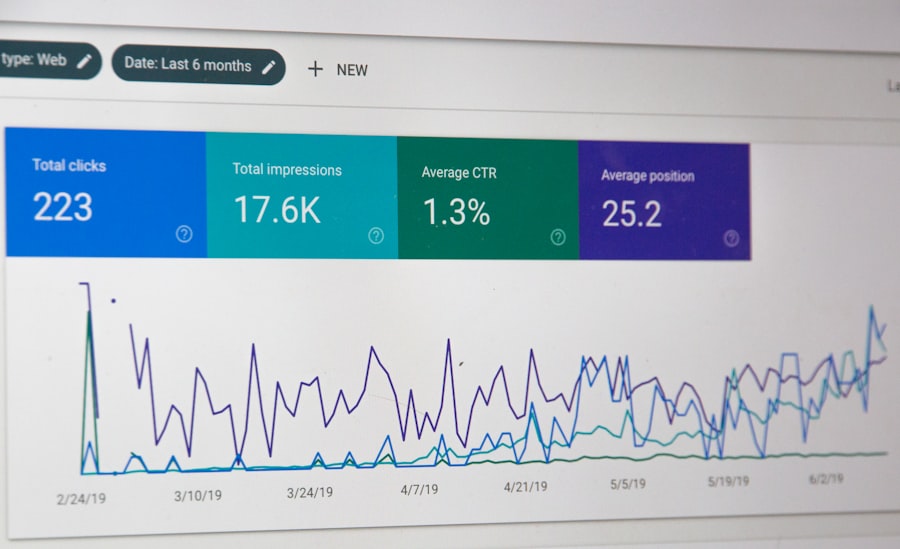

Machine learning (ML) and artificial intelligence (AI) play a crucial role in enhancing real-time intelligence capabilities. These technologies enable organizations to analyze vast amounts of streaming data quickly and efficiently, uncovering patterns that may not be immediately apparent through traditional analysis methods. For instance, in financial services, machine learning algorithms can analyze transaction data in real-time to detect fraudulent activities by identifying unusual patterns or behaviors that deviate from established norms.
Moreover, AI-driven predictive analytics can enhance decision-making processes by providing insights into future trends based on current data streams. Retailers can use machine learning models to predict customer purchasing behavior during peak shopping seasons, allowing them to optimize inventory levels accordingly. Additionally, AI can automate responses based on real-time insights; for example, chatbots powered by natural language processing can engage with customers instantly based on their inquiries or behaviors observed in real-time.
Real-Time Intelligence in Different Industries: Case Studies and Examples
Real-time intelligence has found applications across various industries, each leveraging its capabilities to drive innovation and efficiency. In the financial sector, companies like PayPal utilize real-time analytics to monitor transactions for signs of fraud instantly. By analyzing transaction patterns as they occur, PayPal can flag suspicious activities and take immediate action to protect users’ accounts.
In the healthcare industry, organizations are increasingly adopting real-time monitoring systems for patient care. For example, hospitals use wearable devices that continuously track patients’ vital signs and send alerts if any abnormalities are detected. This capability allows healthcare providers to respond swiftly to potential health crises, improving patient outcomes significantly.
The retail sector also benefits from real-time intelligence through personalized marketing strategies. Companies like Amazon analyze customer behavior in real-time to recommend products based on browsing history and purchasing patterns. This level of personalization enhances customer engagement and drives sales by presenting relevant offers at opportune moments.
The Future of Real-Time Intelligence: Trends and Innovations
As technology continues to evolve, the future of real-time intelligence promises exciting innovations that will further enhance its capabilities. One emerging trend is the integration of edge computing with real-time analytics. By processing data closer to its source—such as IoT devices—organizations can reduce latency and improve response times significantly.
This is particularly beneficial in industries like manufacturing, where real-time monitoring of equipment can prevent costly downtimes through predictive maintenance. Another trend is the increasing use of augmented reality (AR) and virtual reality (VR) technologies in conjunction with real-time intelligence. For instance, retailers may use AR applications that provide customers with personalized shopping experiences based on their preferences analyzed in real time.
Similarly, training programs utilizing VR can simulate real-world scenarios where participants must make decisions based on live data feeds.
Ensuring Data Security and Compliance in Real-Time Data Processing
With the rise of real-time data processing comes an increased focus on ensuring data security and compliance with regulations such as GDPR or HIPAOrganizations must implement robust security measures to protect sensitive information from breaches or unauthorized access while maintaining compliance with legal standards governing data usage. Encryption plays a vital role in safeguarding data both at rest and in transit during real-time processing. Additionally, organizations should establish strict access controls and monitoring systems to detect any anomalies or unauthorized attempts to access sensitive information.
Regular audits and assessments are essential for identifying vulnerabilities within the system and ensuring compliance with evolving regulations.
Training and Skills Development for Real-Time Intelligence Professionals
As the demand for real-time intelligence grows across industries, so does the need for skilled professionals who can effectively implement and manage these systems. Organizations must invest in training programs that equip employees with the necessary skills in data analytics, machine learning, and cloud technologies relevant to real-time processing. Moreover, fostering a culture of continuous learning is crucial for keeping pace with technological advancements in this rapidly evolving field.
Encouraging employees to pursue certifications or attend workshops focused on emerging tools and methodologies will enhance their expertise while benefiting the organization as a whole.
Best Practices for Successful Implementation of Real-Time Intelligence
To successfully implement real-time intelligence within an organization, several best practices should be followed. First and foremost is establishing clear objectives for what the organization aims to achieve through real-time analytics. Defining key performance indicators (KPIs) will help measure success and guide decision-making processes.
Additionally, investing in scalable infrastructure is essential for accommodating future growth as data volumes increase over time. Organizations should also prioritize collaboration between IT teams and business units to ensure alignment between technical capabilities and business needs. Finally, fostering a culture that embraces data-driven decision-making at all levels will empower employees to leverage insights gained from real-time analytics effectively.
By following these best practices, organizations can maximize the benefits of real-time intelligence while navigating potential challenges along the way.
Real-Time Intelligence: Moving from Batch Processing to Actionable Streaming Data is a crucial concept in today’s fast-paced digital world. As businesses strive to stay ahead of the curve, technologies like Generative Engine Optimization are becoming increasingly important. In a related article, Unlocking Tech Brand Success with Generative Engine Optimization, the author explores how this cutting-edge technology can help businesses achieve their goals and stand out in a crowded market. By leveraging real-time intelligence and actionable streaming data, companies can optimize their online presence and drive success in the digital landscape.