


In recent years, you may have noticed a significant surge in the use of AI chat technology across various sectors. This rise can be attributed to advancements in natural language processing and machine learning, which have enabled chatbots to understand and respond to human language with remarkable accuracy. As you engage with these systems, whether through customer service inquiries or casual conversations, you are witnessing a technological evolution that is reshaping how we interact with machines. The proliferation of smartphones and messaging apps has further accelerated this trend, making AI chatbots more accessible and user-friendly than ever before.
As you delve deeper into the world of AI chat technology, you might find it fascinating how these systems have transitioned from simple scripted responses to sophisticated conversational agents capable of holding meaningful dialogues. Companies are increasingly adopting AI chat solutions to enhance user experience, streamline operations, and reduce costs. This shift not only reflects a growing reliance on technology but also highlights the potential for AI chat to revolutionize communication in both personal and professional contexts. You are part of a generation that is witnessing this transformation firsthand, as AI chat becomes an integral part of everyday life.
In the ever-evolving landscape of digital marketing, understanding the dynamics of collaboration is crucial, especially when it comes to engaging with micro-influencers. A related article that delves into this topic is “Navigating the Creator Economy: Collaborating with Micro-Influencers,” which provides valuable insights on how brands can effectively partner with these influential figures to enhance their reach and authenticity. You can read more about it here: Navigating the Creator Economy: Collaborating with Micro-Influencers.
Understanding the Impact of AI Chat on Communication
The impact of AI chat on communication is profound and multifaceted. As you interact with AI chatbots, you may notice how they facilitate instant communication, breaking down barriers that once hindered effective dialogue. This immediacy allows for quicker responses and resolutions, enhancing your overall experience. Moreover, AI chat technology can operate around the clock, ensuring that your queries are addressed at any time, regardless of traditional business hours. This shift towards 24/7 availability has fundamentally changed your expectations regarding responsiveness in communication.
Furthermore, AI chat has the potential to democratize access to information. You may find that these systems can provide answers to your questions without the need for human intervention, making knowledge more accessible than ever before. This capability can empower you to seek information independently, fostering a sense of autonomy in your interactions. However, it also raises questions about the quality and reliability of the information provided. As you navigate this landscape, it is essential to remain discerning about the sources and accuracy of the responses generated by AI chat systems.
How AI Chat is Transforming Customer Service

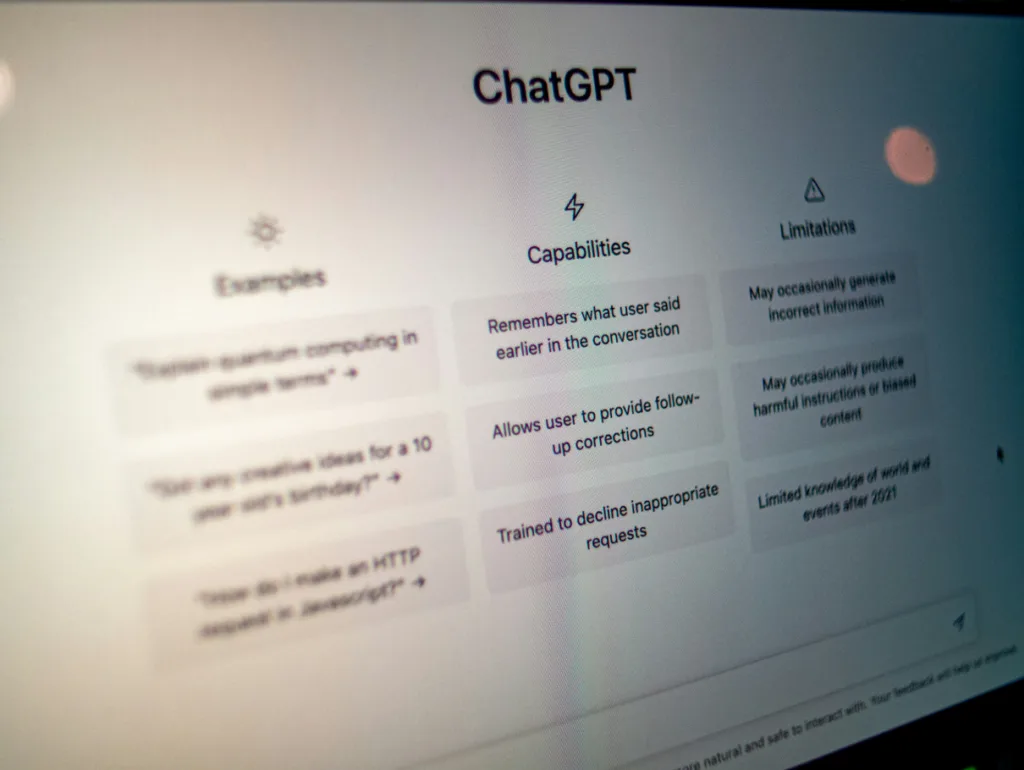
In the realm of customer service, AI chat technology is making waves by redefining how businesses interact with their customers. You may have experienced this transformation firsthand when reaching out for support or assistance. Instead of waiting on hold for a representative, you can now engage with a chatbot that provides immediate answers to your inquiries. This shift not only enhances your experience but also allows companies to allocate resources more efficiently, focusing human agents on complex issues that require a personal touch.
Moreover, AI chatbots can analyze vast amounts of data to identify patterns in customer behavior and preferences. As you interact with these systems, they learn from your responses and adapt their approach accordingly. This personalized experience can lead to higher satisfaction rates and increased loyalty to brands that leverage AI chat effectively. You may find that businesses are now better equipped to anticipate your needs and provide tailored solutions, ultimately enhancing your overall customer journey.
The Role of AI Chat in Personalized Marketing


Personalized marketing is another area where AI chat technology is making significant strides. As you engage with brands online, you may notice how AI chatbots can tailor their messages based on your preferences and past interactions. This level of personalization not only makes your experience more relevant but also increases the likelihood of conversion for businesses. By analyzing your behavior and preferences, these systems can recommend products or services that align with your interests, creating a more engaging shopping experience.
Additionally, AI chat can facilitate targeted marketing campaigns by segmenting audiences based on their interactions with the brand. You might receive tailored promotions or content that resonates with your specific needs, enhancing your connection with the brand. This strategic use of data allows companies to optimize their marketing efforts while providing you with a more enjoyable and relevant experience. As you navigate the digital landscape, personalized marketing through AI chat is likely to become an increasingly common aspect of your interactions with brands.
In the ever-evolving landscape of AI technology, understanding the implications of privacy policies is crucial for users. A related article that delves into this topic is available at this link, where you can explore how AI chat systems handle user data and the importance of transparency in their operations. As AI continues to integrate into our daily lives, being informed about these policies helps ensure a safer and more secure experience.
Enhancing Collaboration with AI Chat in the Workplace
| Metric | Description | Example Value | Unit |
|---|---|---|---|
| Response Time | Average time taken to generate a reply | 1.2 | seconds |
| Accuracy | Percentage of correct or relevant responses | 87 | % |
| User Satisfaction | Average user rating of chat experience | 4.3 | out of 5 |
| Message Throughput | Number of messages processed per minute | 150 | messages/min |
| Uptime | Percentage of time the AI chat service is operational | 99.9 | % |
| Language Support | Number of languages supported by the AI chat | 25 | languages |
| Average Session Length | Average duration of a user chat session | 7.5 | minutes |
In the workplace, AI chat technology is enhancing collaboration among teams and streamlining communication processes. You may have experienced this firsthand through platforms that integrate chatbots into project management tools or team communication apps. These systems can facilitate quick exchanges of information, ensuring that everyone is on the same page and reducing the time spent searching for answers or updates. As a result, your productivity may increase as you spend less time navigating cumbersome communication channels.
Moreover, AI chat can assist in managing tasks and deadlines by sending reminders or updates directly to team members. This proactive approach helps keep projects on track and ensures that important information does not get lost in the shuffle. As you collaborate with colleagues, you may find that AI chat tools foster a more cohesive work environment by promoting transparency and accountability among team members. The integration of these technologies into your daily workflow can lead to improved efficiency and a more collaborative atmosphere.
In the ever-evolving landscape of technology, the integration of AI chat features into various devices is becoming increasingly significant. As developers explore innovative ways to enhance user interaction, the design of applications for wearables and foldable devices is gaining attention. For a deeper understanding of this trend, you can read about the challenges and opportunities in app design in this insightful article on designing apps for wearables and foldable devices. This exploration highlights how AI can transform user experiences across different platforms.
The Future of AI Chat: Predictions and Possibilities
https://www.youtube.com/embed/TXL0ROLQF_s
Looking ahead, the future of AI chat technology holds exciting possibilities that could further transform how you interact with machines and each other. As advancements continue in natural language processing and machine learning, you can expect chatbots to become even more sophisticated in understanding context and nuance in conversations. This evolution may lead to more human-like interactions, where you feel as though you are conversing with a knowledgeable companion rather than a programmed system.
Additionally, the integration of voice recognition technology could pave the way for voice-activated AI chat solutions that allow for hands-free communication. Imagine being able to engage with an AI assistant simply by speaking commands or asking questions aloud. This seamless interaction could enhance convenience in various settings, from home automation to customer service environments. As you consider these possibilities, it becomes clear that the future of AI chat is not just about improving existing technologies but also about reimagining how we communicate in an increasingly digital world.
Overcoming Challenges in Implementing AI Chat
Despite the numerous benefits associated with AI chat technology, there are challenges that businesses must navigate when implementing these systems. One significant hurdle is ensuring that the chatbot can accurately understand and respond to diverse user inputs. As you engage with different platforms, you may encounter instances where the chatbot struggles to comprehend your request or provides irrelevant answers. This limitation underscores the importance of continuous training and refinement of AI models to enhance their performance.
Another challenge lies in integrating AI chat solutions into existing workflows and systems. You might find that some organizations face resistance from employees who fear that automation will replace their roles or disrupt established processes. To overcome this challenge, businesses must prioritize education and training initiatives that demonstrate how AI chat can complement human efforts rather than replace them. By fostering a culture of collaboration between humans and machines, organizations can harness the full potential of AI chat technology while addressing concerns about job displacement.
Ethical Considerations in AI Chat Development
As you explore the world of AI chat technology, it is essential to consider the ethical implications surrounding its development and use. One critical concern is transparency—ensuring that users are aware when they are interacting with a chatbot rather than a human representative. You may appreciate knowing whether you’re conversing with an AI system or a person, as this awareness can shape your expectations regarding the interaction.
Additionally, there are concerns about bias in AI algorithms that could lead to discriminatory outcomes in responses or recommendations. As you engage with these systems, it is crucial for developers to prioritize fairness and inclusivity in their design processes. By addressing these ethical considerations proactively, businesses can build trust with users like yourself while fostering a responsible approach to AI chat technology.
The Integration of AI Chat in Social Media Platforms
Social media platforms have embraced AI chat technology as a means to enhance user engagement and streamline communication between brands and consumers. You may have noticed how many companies now utilize chatbots on platforms like Facebook Messenger or Instagram Direct Messages to provide instant support or answer frequently asked questions. This integration allows for seamless interactions within the social media environment where you already spend time connecting with friends and brands.
Moreover, social media-driven AI chat solutions can facilitate personalized interactions based on user behavior and preferences. As you engage with brands on these platforms, you might receive tailored content or recommendations that resonate with your interests. This level of personalization not only enhances your experience but also encourages deeper connections between consumers and brands in an increasingly competitive digital landscape.
AI Chat and Data Privacy: Balancing Convenience and Security
As you navigate the world of AI chat technology, data privacy remains a paramount concern for both users and businesses alike. While these systems offer convenience by storing user preferences and past interactions, they also raise questions about how your data is collected, stored, and utilized. You may feel apprehensive about sharing personal information with chatbots if there is uncertainty regarding data security measures in place.
To address these concerns, businesses must prioritize transparency in their data practices while implementing robust security protocols to protect user information. As a user, it is essential for you to be informed about how your data will be used and what measures are taken to safeguard it from unauthorized access or breaches. Striking a balance between convenience and security will be crucial as organizations continue to adopt AI chat solutions while maintaining user trust.
Tips for Harnessing the Power of AI Chat in Your Business
If you’re considering implementing AI chat technology in your business, there are several strategies you can employ to maximize its effectiveness. First and foremost, it’s essential to define clear objectives for what you hope to achieve with an AI chatbot—whether it’s improving customer service response times or enhancing lead generation efforts. By establishing specific goals upfront, you can tailor the chatbot’s functionality to meet your unique needs.
Additionally, investing in ongoing training for your chatbot will ensure it remains up-to-date with industry trends and user expectations. Regularly analyzing user interactions can provide valuable insights into areas for improvement or new features that could enhance the overall experience for users like yourself. Finally, fostering a culture of collaboration between human agents and AI systems will help create a seamless experience for customers while empowering employees to focus on higher-value tasks.
In conclusion, as you explore the multifaceted world of AI chat technology, it becomes evident that its rise is reshaping communication across various domains—from customer service to personalized marketing efforts. By understanding its impact on communication dynamics and embracing its potential while addressing ethical considerations and data privacy concerns, you can harness the power of AI chat effectively within your business or personal interactions.
FAQs
What is an AI chat?
An AI chat refers to a conversational agent or chatbot powered by artificial intelligence that can simulate human-like conversations through text or voice interactions.
How does AI chat technology work?
AI chat technology uses natural language processing (NLP), machine learning, and sometimes deep learning to understand user inputs, interpret intent, and generate relevant and coherent responses.
What are common uses of AI chatbots?
AI chatbots are commonly used for customer support, virtual assistants, information retrieval, booking services, and interactive entertainment.
Are AI chats capable of understanding multiple languages?
Many AI chat systems are designed to understand and respond in multiple languages, depending on their training data and language models.
Is AI chat technology secure and private?
Security and privacy depend on the implementation; reputable AI chat services use encryption and data protection measures, but users should be cautious about sharing sensitive information.