


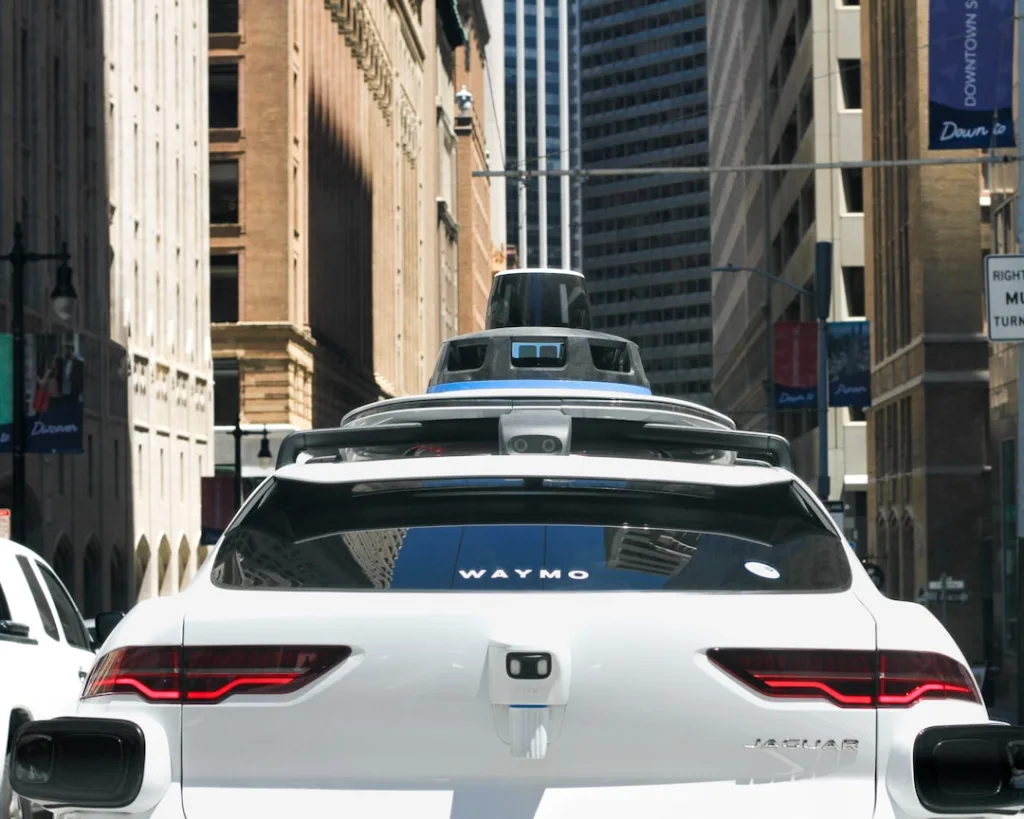
The emergence of robotaxis represents a significant shift in the landscape of urban transportation. As cities grapple with congestion, pollution, and the need for efficient mobility solutions, autonomous vehicles are stepping in as a viable alternative. Companies like Waymo, Uber, and Cruise are at the forefront of this revolution, deploying fleets of self-driving cars that promise to transform how we navigate our urban environments.
The allure of robotaxis lies not only in their potential to reduce traffic congestion but also in their ability to provide a more accessible transportation option for those who may be unable to drive, such as the elderly or disabled. The rise of robotaxis is also indicative of broader societal changes. As urban populations swell, the demand for innovative transportation solutions has never been greater.
The convenience of hailing a ride via a smartphone app, combined with the promise of reduced costs and increased safety, has made robotaxis an attractive option for many. Furthermore, as public awareness and acceptance of autonomous technology grow, the potential for widespread adoption becomes increasingly plausible. This shift is not merely a technological advancement; it represents a fundamental change in how we think about mobility and urban planning.
Key Takeaways
- Robotaxis are revolutionizing urban mobility by offering autonomous transportation services, changing the game for city transportation.
- Self-driving cars are powered by advanced technology such as lidar, radar, and cameras, enabling them to navigate and operate without human intervention.
- Safety measures, including redundant systems, rigorous testing, and constant monitoring, are in place to ensure the safe operation of autonomous transportation.
- Robotaxis are reshaping city transportation by reducing traffic congestion, improving air quality, and providing convenient and affordable mobility options.
- Governments are adapting to the rise of autonomous transportation by developing regulations and standards to ensure the safe and efficient operation of self-driving vehicles.
The Technology Behind Robotaxis: How Self-Driving Cars are Making it Happen
At the heart of the robotaxi phenomenon lies a complex interplay of advanced technologies that enable vehicles to navigate autonomously. Lidar, radar, and cameras work in concert to create a comprehensive understanding of the vehicle’s surroundings. Lidar, which uses laser light to measure distances, provides high-resolution 3D maps of the environment, allowing the vehicle to detect obstacles, pedestrians, and other vehicles with remarkable precision.
Meanwhile, radar systems can gauge the speed and distance of objects, ensuring that the robotaxi can react appropriately to dynamic conditions on the road. Artificial intelligence (AI) plays a crucial role in processing the vast amounts of data collected by these sensors. Machine learning algorithms are trained on extensive datasets to recognize patterns and make real-time decisions based on the vehicle’s environment.
This capability allows robotaxis to navigate complex urban landscapes, respond to unexpected situations, and even learn from their experiences over time. The integration of V2X (vehicle-to-everything) communication further enhances this technology by enabling vehicles to communicate with each other and with infrastructure elements like traffic lights and road signs, creating a more cohesive transportation ecosystem.
Safety First: The Measures in Place to Ensure Safe Autonomous Transportation


Safety is paramount in the development and deployment of robotaxis. Companies are investing heavily in rigorous testing protocols to ensure that their autonomous vehicles can operate safely in a variety of conditions. This includes extensive simulation testing, where virtual environments are created to challenge the vehicle’s decision-making capabilities without putting real lives at risk.
Additionally, on-road testing is conducted in controlled environments before moving into more complex urban settings. These measures help identify potential issues and refine the technology before it is made available to the public. Moreover, regulatory bodies are increasingly involved in establishing safety standards for autonomous vehicles.
In many regions, companies must demonstrate that their robotaxis can meet specific safety benchmarks before they are allowed to operate commercially. This includes not only the performance of the vehicle itself but also the systems in place for monitoring and controlling the fleet. For instance, remote operators can oversee multiple vehicles simultaneously, ready to intervene if an unexpected situation arises.
These layers of safety measures are designed to build public trust in autonomous transportation and ensure that robotaxis can operate safely alongside human-driven vehicles.
The Impact on Urban Mobility: How Robotaxis are Reshaping City Transportation
The introduction of robotaxis has profound implications for urban mobility. As these autonomous vehicles become more prevalent, they have the potential to alleviate some of the most pressing challenges faced by cities today. For instance, by providing an efficient alternative to personal car ownership, robotaxis can reduce the number of vehicles on the road, leading to decreased traffic congestion and lower emissions.
This shift could also free up valuable urban space currently dedicated to parking, allowing cities to repurpose these areas for parks, pedestrian walkways, or other community-focused developments. Furthermore, robotaxis can enhance public transportation systems by serving as a last-mile solution.
Many urban dwellers live far from transit hubs, making it difficult to rely solely on buses or trains for their daily commutes.
By integrating robotaxis into existing public transport networks, cities can offer seamless connections that make it easier for residents to access jobs, education, and services. This integration not only improves overall mobility but also promotes social equity by ensuring that underserved communities have access to reliable transportation options.
The Role of Regulation: How Governments are Adapting to the Rise of Autonomous Transportation
As robotaxis gain traction, governments around the world are grappling with how best to regulate this emerging technology. The challenge lies in balancing innovation with public safety and ethical considerations. Many jurisdictions are developing frameworks that allow for the testing and deployment of autonomous vehicles while ensuring that they meet safety standards and do not compromise public welfare.
This often involves collaboration between government agencies, industry stakeholders, and advocacy groups to create regulations that are both effective and adaptable. In some regions, pilot programs have been established to test robotaxi services under real-world conditions while gathering data on their performance and impact on traffic patterns. These initiatives provide valuable insights that can inform future regulations and help shape policies that support the safe integration of autonomous vehicles into existing transportation systems.
Additionally, as public sentiment evolves regarding autonomous technology, governments may need to revisit regulations periodically to address emerging concerns or advancements in technology.
The Future of Employment: How Robotaxis are Impacting the Job Market
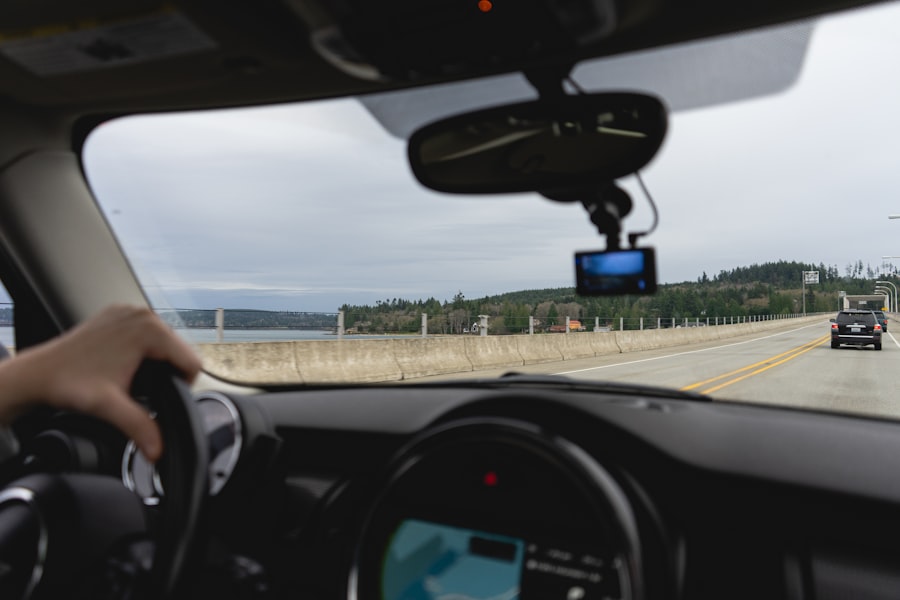

The rise of robotaxis is poised to have significant implications for employment across various sectors. While some may argue that autonomous vehicles threaten jobs traditionally held by drivers—such as taxi operators or delivery personnel—others contend that new opportunities will emerge as this technology matures. For instance, there will be a growing demand for skilled workers in fields such as software development, data analysis, and vehicle maintenance as companies expand their fleets and enhance their technological capabilities.
Moreover, the shift towards autonomous transportation may lead to changes in urban planning and infrastructure development, creating jobs in construction and engineering as cities adapt to accommodate new mobility solutions. Additionally, as robotaxis become more integrated into public transportation systems, there may be opportunities for roles focused on managing these services or ensuring their accessibility for all users. While the transition may be challenging for some workers in traditional driving roles, it is essential to recognize that technological advancements often lead to shifts in job markets rather than outright job losses.
The Environmental Benefits: How Autonomous Transportation is Contributing to a Greener Future
One of the most compelling arguments for the adoption of robotaxis is their potential environmental benefits. Autonomous vehicles are often designed with energy efficiency in mind, utilizing electric powertrains that produce zero tailpipe emissions. As cities increasingly prioritize sustainability and seek to reduce their carbon footprints, robotaxis can play a crucial role in achieving these goals by providing an eco-friendly alternative to conventional gasoline-powered vehicles.
Furthermore, robotaxis can optimize driving patterns through advanced algorithms that minimize unnecessary acceleration and braking, leading to reduced energy consumption overall. By operating in a coordinated manner—communicating with one another and adjusting routes based on real-time traffic data—these vehicles can contribute to smoother traffic flow and decreased congestion. This not only enhances fuel efficiency but also reduces emissions associated with idling and stop-and-go traffic conditions.
The Challenges Ahead: What Hurdles Autonomous Transportation Still Faces
Despite the promising advancements in autonomous transportation technology, several challenges remain before robotaxis can achieve widespread adoption. One significant hurdle is public perception; many individuals still harbor concerns about safety and reliability when it comes to self-driving vehicles. High-profile accidents involving autonomous cars have fueled skepticism and raised questions about whether these technologies can be trusted on public roads.
Additionally, technical challenges persist in ensuring that robotaxis can navigate complex environments safely and effectively. While current systems excel in controlled settings or well-mapped urban areas, they may struggle in less predictable scenarios such as inclement weather or poorly marked roads. Addressing these limitations requires ongoing research and development efforts aimed at enhancing sensor capabilities and improving AI decision-making processes.
The Role of Big Tech: How Companies like Tesla and Waymo are Leading the Charge in Autonomous Transportation
Big tech companies have emerged as key players in the race toward autonomous transportation, leveraging their resources and expertise to develop cutting-edge technologies that drive innovation in this field. Tesla has garnered significant attention for its ambitious goals regarding self-driving capabilities; its Autopilot system has already demonstrated impressive features such as lane-keeping assistance and adaptive cruise control. The company’s commitment to continuous improvement through over-the-air software updates allows it to refine its technology rapidly based on real-world data.
Waymo stands out as a pioneer in the realm of robotaxis; its extensive testing program has positioned it as a leader in autonomous vehicle deployment.
With a focus on safety and reliability, Waymo has conducted millions of miles of testing across diverse environments—gathering invaluable insights that inform its operational strategies.
By collaborating with municipalities and engaging with local communities, Waymo aims to build trust while demonstrating the benefits of its services.
The Consumer Experience: What it’s Like to Ride in a Robotaxi
Riding in a robotaxi offers a unique experience that differs significantly from traditional taxi services or personal vehicles. Passengers can expect a seamless journey characterized by advanced technology designed for comfort and convenience. Upon entering a robotaxi, riders are greeted by an intuitive interface that allows them to input their destination easily or select from pre-set options based on popular locations.
During the ride itself, passengers may notice features such as smooth acceleration and braking—thanks to sophisticated algorithms that optimize driving behavior for passenger comfort. Additionally, many robotaxis are equipped with amenities like climate control settings or entertainment options tailored to enhance the overall experience. As riders become accustomed to this new mode of transportation, they may find themselves appreciating not only the convenience but also the opportunity to engage with their surroundings without the distractions associated with driving.
Looking Ahead: The Potential for Autonomous Transportation in the Coming Years
The future of autonomous transportation holds immense potential as technology continues to evolve and societal attitudes shift toward acceptance of self-driving vehicles. In the coming years, we may witness an expansion of robotaxi services into new markets—particularly in urban areas where demand for efficient mobility solutions is high. As companies refine their technologies and address existing challenges related to safety and public perception, we could see an increase in consumer confidence leading to broader adoption.
Moreover, advancements in infrastructure will likely play a crucial role in shaping the future landscape of autonomous transportation. Smart city initiatives aimed at integrating connected technologies into urban environments could facilitate smoother interactions between robotaxis and existing transportation systems—ultimately enhancing overall mobility for residents. As we look ahead, it is clear that autonomous transportation will not only redefine how we travel but also influence broader societal trends related to urban planning, environmental sustainability, and economic development.
If you’re interested in the future of autonomous transportation, you may also want to check out The Agentic AI Revolution: Redefining Everyday Workflows. This article explores how artificial intelligence is transforming various industries and reshaping the way we work. It provides insights into the potential impact of AI on our daily lives and the opportunities it presents for businesses to streamline processes and improve efficiency.