


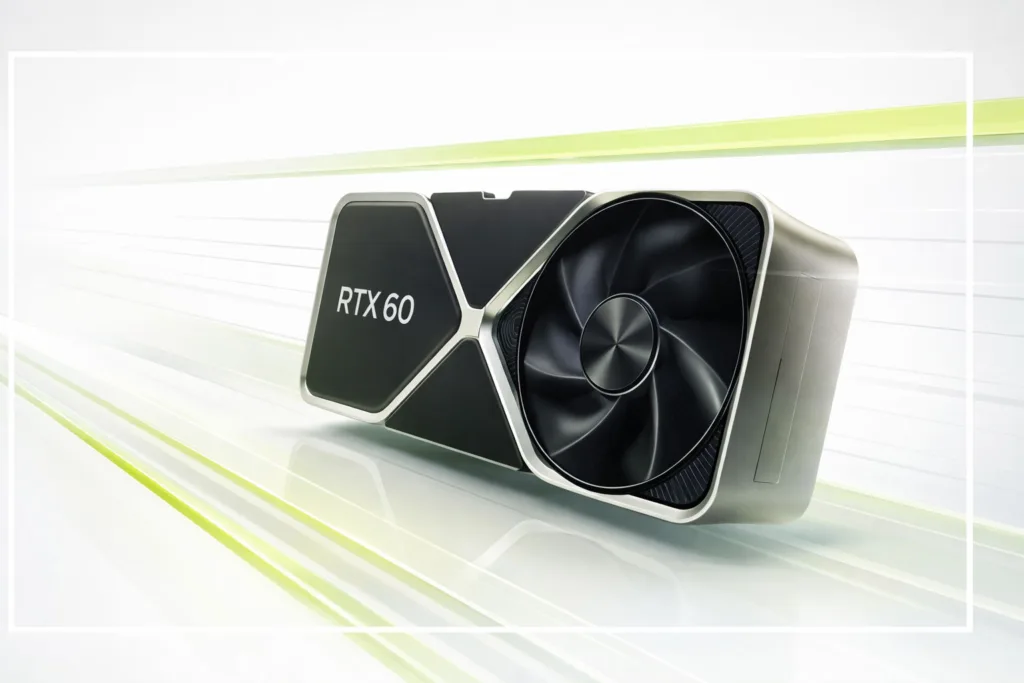
You’ve undoubtedly seen the recent buzz—the internet is awash with whispers of NVIDIA’s RTX 60 Series. Your social media feeds are probably full of speculative articles and forum discussions, all dissecting supposed leaks about the next generation of graphics cards. The question, then, isn’t if you’ve seen them, but rather, what you make of them. Are these genuine insights into a significant leap in performance, or simply the usual pre-launch hype cycle, perhaps fueled by a clever marketing team or, more likely, an enthusiastic but misguided leaker?
Before you commit your hard-earned cash or reshape your future upgrade plans, you need to understand the nature of these leaks. You’re operating in a landscape where pre-release information is a mix of educated guesses, intentional breadcrumbs, and outright fabrications. Your task is to discern the signal from the noise, and that often means applying a healthy dose of skepticism to everything you read.
You’re probably wondering where these leaks originate. It’s rarely a single source. More often, it’s a constellation of anonymous forum posts, cryptic tweets from self-professed hardware insiders, and increasingly, benchmarks shared prematurely or in isolated, unverified contexts. These snippets are then aggregated, analyzed, and amplified by tech news outlets and content creators, each adding their own layer of interpretation.
Anonymous Sources and Their Credibility
Consider the source. When you see claims attributed to “industry insiders” or “supply chain contacts,” you’re looking at a black box. You have no way to verify their legitimacy. While some leakers have established a track record of accuracy over time, many others do not. Your experience with past hardware launches should inform your current perspective; remember how many supposed “leaks” turned out to be wildly inaccurate or entirely fabricated? This pattern is likely to repeat itself.
The Role of Benchmark Dumps
One of the more tantalizing leak types you’ll encounter is the benchmark dump. These typically appear as screenshots or data tables purporting to show scores from a pre-release graphics card in synthetic tests or even early game builds. While these can be legitimate, they are also easily manipulated. You need to scrutinize the testing conditions, the exact software versions used, and whether the results are consistent with known performance scaling patterns. A single outlier benchmark result, especially without corroborating data, should raise a red flag for you.
Industry Supply Chain Speculation
You’ll also see a significant amount of speculation tied to the supply chain. This often involves predictions about manufacturing processes, chip sizes, memory configurations, and power targets. These discussions are usually based on educated guesses derived from financial reports, patent filings, and industry trends. While they offer a more grounded perspective than raw performance numbers, they are still theoretical at this stage. You’re essentially looking at a puzzle with many missing pieces.
Recent discussions surrounding the RTX 60 series specs leak suggest significant performance improvements, but skepticism remains about the authenticity of these claims. For those interested in exploring more about the implications of such leaks on the gaming industry and hardware advancements, a related article can be found at this link. It delves into the potential impact of these rumored specifications on future graphics performance and gaming experiences.
Core Architectural Enhancements: What’s Being Suggested?
The current leaks, regardless of their veracity, point towards certain architectural refinements. You’re led to believe NVIDIA is making strides in areas that have historically been their focus: raw CUDA core count, improved Ray Tracing capabilities, and more efficient AI acceleration.
CUDA Core Density and Clock Speeds
You’re seeing projections of significantly higher CUDA core counts for the flagship models, potentially pushing beyond the current generation’s boundaries. Coupled with these increases are suggestions of higher operating clock speeds. If these materialize, you could expect a raw compute performance uplift. However, you must remember that core count alone isn’t a silver bullet. Architectural efficiencies and software optimization play an equally critical, if not more critical, role in real-world performance. A raw increase in cores without other improvements can lead to diminishing returns in certain workloads.
Fifth-Generation RT Cores?
A recurring theme in the leaks is the mention of “fifth-generation” or “next-gen” RT Cores. You’re told these will offer a substantial boost to ray tracing performance, a critical area given the increasing adoption of ray-traced effects in modern games. If true, this could mean a significant step towards more pervasive and less performance-intensive ray tracing. However, the precise nature of these enhancements remains vague in the leaks. Are they simply more numerous, or do they incorporate fundamental architectural changes that improve their processing efficiency? You’re not being given enough detail to make that distinction yet.
Enhanced Tensor Core Functionality
Similarly, you’re hearing whispers of upgraded Tensor Cores, likely geared towards improving DLSS (Deep Learning Super Sampling) performance and broader AI workloads. With DLSS becoming a cornerstone of NVIDIA’s performance strategy, any improvements here would be directly beneficial to your gaming experience. For professionals utilizing their GPUs for AI and machine learning tasks, these enhancements could be even more impactful. Again, you need to consider whether these are iterative improvements or a significant architectural overhaul of the Tensor Core units themselves. The leaks don’t provide that clarity.
Memory Subsystem: Bandwidth and Capacity

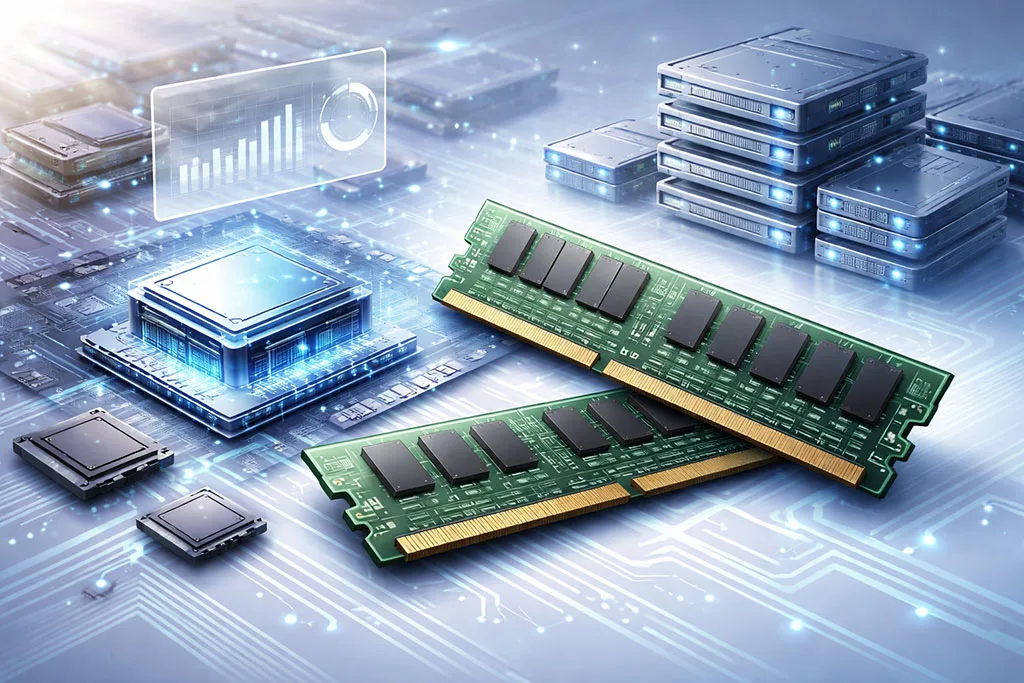
Memory is often a bottleneck in high-end graphics performance. The leaks naturally address this crucial aspect, suggesting upgrades in both capacity and bandwidth. You’re being presented with two primary directions of assumed improvement.
GDDR7: The Next Evolution?
One of the more substantial rumors points to the adoption of GDDR7 memory. If true, this would represent a significant leap over the GDDR6X currently used in high-end cards. GDDR7 promises higher clock speeds and potentially more efficient data transfer, leading to a substantial increase in memory bandwidth. For you, this translates to faster access to game textures and other data, potentially reducing stutter and improving overall frame rates, especially at higher resolutions. However, integrating a new memory standard isn’t without its challenges, including increased production costs and potential design complexities for NVIDIA.
Increased VRAM Capacities
You’re also seeing speculation about increased VRAM capacities across the stack, especially for the higher-end SKUs. With games becoming increasingly demanding in terms of texture quality and asset size, more VRAM is often beneficial, particularly when playing at 4K or with high-resolution texture packs. While more VRAM is generally better, the exact utility depends on your personal use cases. For most 1440p gamers, current VRAM capacities are often sufficient. For those pushing the boundaries of resolution and settings, however, these rumored increases would be a welcome development.
Performance Projections: The Elephant in the Room

This is where the rumors become most enticing, and simultaneously, most dubious. You’re seeing percentage gains thrown around, comparing rumored RTX 60 Series cards to their 40 Series predecessors. These are the numbers that capture headlines and ignite debates, but they are also the most speculative.
Raw Gaming Performance Uplifts
The most common claim you’ll encounter is a significant uplift in raw gaming performance, often cited as a percentage increase over existing models. For example, you might see claims of “50% faster than the RTX 4090” or “double the performance of the RTX 4080.” While headline-grabbing, these numbers are almost entirely speculative at this stage. They are likely derived from internal NVIDIA targets, which may or may not translate to real-world performance, or from early synthetic benchmarks run on engineering samples, which are rarely representative of final retail performance. You should treat any specific percentage claim without concrete, verifiable evidence as pure conjecture.
Ray Tracing Performance Gains
Given the rumored improvements to RT Cores, you’re also seeing projections of even more substantial gains in ray tracing performance. This makes sense; if NVIDIA has genuinely invested heavily in this area, you’d expect to see a disproportionate improvement compared to rasterization. However, the same caveats apply here. Ray tracing performance is highly dependent on game implementation and optimization. Even with technically superior hardware, poor game implementation can limit real-world benefits for you.
Efficiency Improvements?
Beyond raw performance, you might also find rumors regarding efficiency improvements. This means better performance per watt, leading to potentially lower power consumption or greater performance at similar power targets. In an era where power draw has become a significant concern for high-end GPUs, any real gains in efficiency would be highly beneficial for you, translating to cooler operation and potentially simpler power supply requirements. However, substantial performance increases often come with increased power demands, so you should be cautious about claims of massive performance gains and radical efficiency improvements simultaneously. Physics often dictates trade-offs.
Recent discussions around the RTX 60 series have sparked excitement in the tech community, especially with the latest specs leak suggesting significant performance gains. However, skepticism remains as many wonder if these claims are merely rumors or if they hold any truth. For those interested in exploring how technology can enhance creativity, you might find this article on building your first app with no code particularly insightful. It highlights the intersection of innovation and accessibility in tech, which could be relevant as we anticipate the potential advancements in graphics performance.
The Verdict on the Leaks: What Should You Do?
| Specs | RTX 3060 | RTX 3070 | RTX 3080 |
|---|---|---|---|
| Memory | 12GB GDDR6 | 8GB GDDR6 | 10GB GDDR6X |
| Memory Bus | 192-bit | 256-bit | 320-bit |
| Performance | Expected to be 10-15% faster than RTX 2060 | Expected to be faster than RTX 2080 Ti | Expected to be 30-50% faster than RTX 2080 Ti |
| Price | Expected to be around 300 | Expected to be around 500 | Expected to be around 700 |
So, after sifting through the layers of speculation, where do you stand? You’re faced with a choice: either buy into the hype and start budgeting for a next-gen card, or maintain a pragmatic distance. Given the sheer uncertainty, the latter is almost always the more sensible option.
Exercise Extreme Skepticism
Your most effective tool in navigating these leaks is skepticism. Do not take any rumor, no matter how detailed or frequently repeated, as confirmed fact. Remember that NVIDIA, like any tech company, operates under a veil of secrecy regarding future products. Deliberate leaks are rare, and accidental leaks are carefully managed. Most of what you’re seeing is the result of guesswork, partial information, and the inherent desire within the tech community for something new.
Focus on Confirmed Information Only
Until NVIDIA officially announces specifications, features, and release dates, consider all information preliminary. Your upgrade decisions should be based on what’s available on the market now, or on official announcements when they occur. Building your purchasing strategy around unverified leaks is a risky endeavor. You could end up waiting for a product that doesn’t materialize as advertised, or passing up a good deal on current generation hardware.
Prepare for Iterative, Not Revolutionary, Gains
While the leaks might promise revolutionary jumps in performance, historical trends suggest a more iterative approach. Significant architectural overhauls are expensive and complex. You should anticipate solid generational improvements – perhaps 20-40% year-over-year in raw performance at the high end – rather than the “double the performance” claims you frequently see in early rumors. Any such leap would likely come with a corresponding increase in price and power consumption that might offset some of the excitement for you.
You’ve been through this cycle many times before. The build-up of anticipation, the breathless discussion of leaks, the eventual official unveiling, and then the critical evaluation of real-world performance. This RTX 60 Series rumor cycle is no different. Your best approach is to observe, analyze, and wait for confirmed data before making any commitments. You owe it to your wallet and your gaming experience to be discerning.
FAQs
1. What are the reported specs of the RTX 60 series in the leaked information?
The leaked information suggests that the RTX 60 series will feature significant performance gains, with improved ray tracing capabilities and higher core counts compared to the previous generation.
2. Is there any official confirmation from the manufacturer regarding the leaked specs?
As of now, there is no official confirmation from the manufacturer regarding the leaked specs of the RTX 60 series. The information should be treated as a rumor until confirmed by the manufacturer.
3. When can we expect an official announcement or release of the RTX 60 series?
The official announcement and release date of the RTX 60 series have not been confirmed. It is advisable to wait for an official announcement from the manufacturer for accurate information.
4. How reliable are the sources of the leaked information about the RTX 60 series specs?
The reliability of the sources behind the leaked information is uncertain. It is important to verify the information from credible and official sources before drawing any conclusions.
5. Should consumers make purchasing decisions based on the leaked information about the RTX 60 series?
It is not advisable for consumers to make purchasing decisions based solely on leaked information. It is recommended to wait for official announcements and reviews from trusted sources before making any decisions.