


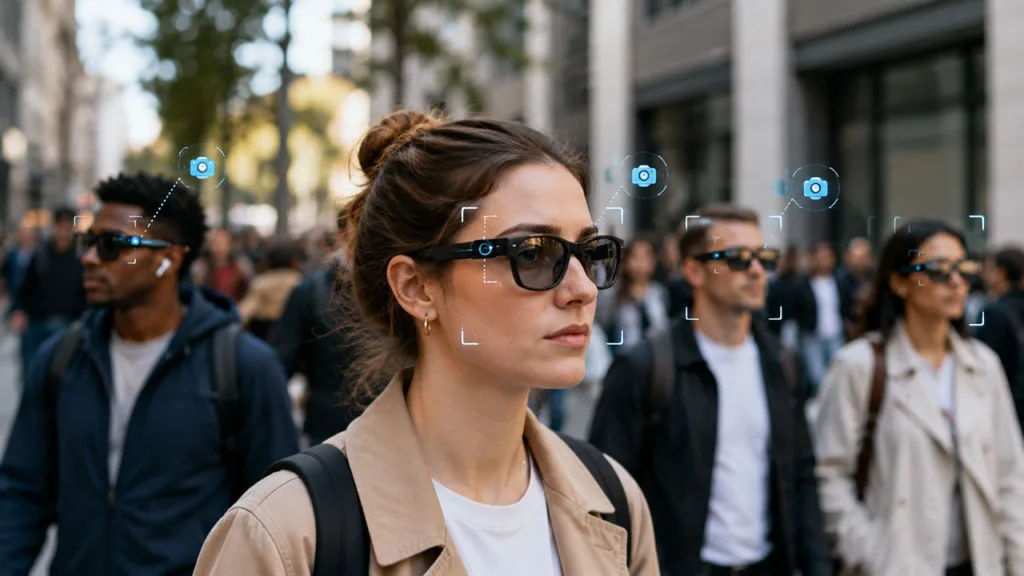
You wear them. You see them. You might even be one of them. Smart glasses, with their discreet cameras perched on the bridge of noses, are no longer just a futuristic fantasy confined to science fiction. They’re a tangible reality, weaving their way into the fabric of everyday life. As you navigate your surroundings, you’re likely to encounter individuals sporting these advanced spectacles, their lenses quietly observing, recording, and perhaps even interpreting the world around them. This article delves into the intriguing phenomenon of spotting these cameras on people’s faces, exploring their presence, perceptions, and the implications they hold for your world.
As you go about your day, from your morning commute to your evening stroll, you’ll become increasingly aware of the subtle glint of lenses that aren’t just there to correct your vision. Smart glasses are steadily migrating from niche tech communities to the broader public, and understanding their presence is the first step to navigating this evolving landscape.
Professional Environments
Think about where critical information exchange and detailed observation are paramount. It’s in these professional realms that smart glasses are finding some of their most practical applications.
Manufacturing and Logistics
Imagine a factory floor. You’re overseeing a complex assembly process, and a worker is wearing smart glasses. These aren’t for entertainment; they’re for efficiency. The glasses can display real-time assembly instructions, overlaying digital diagrams onto the physical parts they’re working with. This reduces errors and speeds up production. For you, as an observer, this means seeing a worker seamlessly access information without needing to look away or fumble with a tablet. Similarly, in warehouses, smart glasses can guide workers through picking and packing orders, scanning barcodes, and confirming inventory, all hands-free. Their presence here signifies an embrace of augmented reality to streamline operations.
Healthcare
In operating rooms or during patient consultations, smart glasses offer a new paradigm for medical professionals. You might see a surgeon wearing them, accessing patient scans or vital signs projected directly into their field of view. This allows for uninterrupted focus on the delicate procedure. For a nurse, they could be used for remote consultation, allowing a specialist to guide them through a complex task without being physically present. The subtle camera here is a window for critical data, not a surveillance tool in this context.
Field Service and Maintenance
Consider the technician struggling with a complex piece of machinery. Smart glasses can connect them to a remote expert who sees exactly what they see and can provide guidance. You’ll spot them on engineers inspecting infrastructure, allowing them to record their findings or stream live video for diagnostic purposes. This isn’t about them spying on you; it’s about them efficiently doing their job and ensuring your continued access to functioning services.
Everyday Public Spaces
Beyond the specialized environments, smart glasses are beginning to appear in more spontaneous and public settings, sparking conversations about privacy and perception.
Commuting and Travel
As you wait for your train or navigate an airport, you might notice someone wearing smart glasses. They could be using them for navigation, providing real-time directions discreetly, or even translating signs as you encounter them. For you, this might manifest as a fleeting glimpse of someone looking at their own personal display, seemingly oblivious to their surroundings while very much engaged with their technology.
Leisure and Events
At concerts, sporting events, or even just out for a walk, smart glasses are finding their way into recreational use. Imagine someone recording a special moment, their glasses capturing a point-of-view perspective of the experience. While this might feel intrusive to you, it’s often about personal memory creation. You might also see individuals using them for information overlays about their surroundings, like identifying landmarks or historical sites.
Social Gatherings
In less formal settings, like a party or a casual meet-up, the presence of smart glasses might feel more personal. Whether it’s for capturing candid photos or simply for hands-free communication, their adoption here raises interesting questions about social etiquette and unspoken expectations of privacy.
In the evolving landscape of technology, the rise of smart glasses equipped with cameras has sparked significant discussions about privacy and surveillance. For those interested in understanding the broader implications of data usage in modern society, an insightful article titled “Fostering a Data Culture: Strategies for Company-Wide Data-Driven Decision Making” explores how organizations can effectively harness data while considering ethical concerns. You can read more about it here: Fostering a Data Culture. This article complements the conversation around smart glasses by emphasizing the importance of responsible data management in a world increasingly influenced by technology.
Decoding the Lens: Why People Wear Them
Understanding the motivations behind wearing smart glasses is crucial to dispelling anxieties and fostering a more informed perspective. It’s not always about surreptitious observation.
Enhanced Productivity and Efficiency
The primary driver for many users, and the reason you’ll see them in professional settings, is the undeniable uplift in productivity and efficiency.
Hands-Free Operation
This is the holy grail of wearable tech. For tasks that require both hands – think of a mechanic working on an engine, a chef preparing a meal, or an artist painting – smart glasses offer a lifeline to digital information without interruption. You’ll see individuals seamlessly toggling between real-world tasks and digital overlays, their hands never leaving their work. This frees them to focus on the physical demands of their work, leading to fewer mistakes and quicker completion times.
Instant Information Access
Imagine needing a quick fact, a measurement, or a step-by-step guide. Instead of pulling out a phone or tablet, the information is presented directly in your line of sight. You’ll see users getting real-time data feeds, whether it’s the nutritional information for food at a restaurant, the specifications of a product in a store, or the translation of a foreign language sign. This immediate access reduces cognitive load and streamlines decision-making.
Remote Assistance and Collaboration
The ability to share your perspective and receive guidance from afar is a game-changer. You might witness a less experienced individual wearing smart glasses, connecting with an expert who guides them through a complex procedure, seeing exactly what they see and offering verbal instructions. This is invaluable in situations where immediate in-person assistance isn’t feasible, saving time and resources.
Augmented Reality and Enhanced Experiences
Beyond pure utility, smart glasses are also about enriching your perception of the world around you.
Interactive Learning and Training
For you, trying to learn a new skill or understand a complex system, smart glasses can be an immersive tutor. Imagine learning to play a musical instrument with visual cues appearing on your vision, or understanding how to assemble furniture with animated guides projected onto the real pieces. Their presence signifies a commitment to more engaging and effective learning methodologies.
Navigation and Exploration
As you travel to new cities or explore unfamiliar territories, smart glasses can transform the experience. You might see users receiving turn-by-turn navigation, with arrows superimposed on the street ahead, or having historical facts and points of interest pop up as they look at them. This creates a more fluid and informative way to explore, allowing you to stay present in your environment while still being guided.
Entertainment and Gaming
While still in its nascent stages for widespread consumer adoption, the potential for immersive entertainment is significant. You might see individuals engaging in augmented reality games, where virtual elements are overlaid onto their real-world surroundings, creating a unique blend of digital and physical interaction.
Personal Expression and Accessibility
For some, smart glasses are a tool for capturing memories, staying connected, or overcoming physical limitations.
Capturing Memories
The desire to record life’s moments is deeply human. Smart glasses offer a hands-free, first-person perspective for capturing photos and videos, allowing users to live in the moment while simultaneously documenting it. You might see someone at a family gathering, their glasses subtly recording the scene, ensuring no detail is missed.
Communication and Connectivity
Smart glasses can facilitate seamless communication, allowing users to take calls, send messages, or access social media without needing to reach for their phone. This is particularly valuable for individuals who prioritize staying connected while engaged in other activities.
Accessibility for Disabilities
For individuals with certain disabilities, smart glasses can be life-changing. They can provide visual aids for the hearing impaired, offer navigation assistance for the visually impaired, or even help those with mobility challenges interact with their environment more effectively. Their presence here is a testament to technology’s power to empower.
The Specter of Surveillance: Navigating Privacy Concerns

The presence of cameras on people’s faces inevitably raises questions about privacy and consent. As you encounter individuals wearing smart glasses, it’s natural to ponder what, if anything, is being recorded and how that data is being used.
Unsolicited Recording
The most immediate concern for many is the potential for being recorded without their knowledge or consent. You might worry about your image, your conversations, or your actions being captured by someone else’s device. This is a valid apprehension, and understanding the legal and ethical frameworks surrounding recording is crucial.
Public vs. Private Spaces
The legal distinctions between recording in public and private spaces are often blurred with the advent of wearable cameras. While it’s generally accepted that individuals can be recorded in public, the expectation of privacy increases in private settings. However, with smart glasses being worn in both contexts, the lines become less clear.
Consent and Notification
The ethical imperative of obtaining consent, or at least providing notification, is a critical aspect of responsible smart glass usage. You might feel that anyone wearing recording devices in public should clearly indicate their intentions, perhaps through a visible indicator on the glasses themselves, or verbal communication. The absence of such notification can lead to feelings of unease and violation.
Data Security and Misuse
Beyond the act of recording, there’s the further concern of how that captured data is stored, secured, and potentially used.
Hacking and Unauthorized Access
A particularly worrying scenario is the potential for smart glasses to be hacked, leading to unauthorized access to recorded footage. You might imagine sensitive personal information or embarrassing moments being stolen and disseminated. Ensuring robust security measures on these devices is paramount.
Commercial Exploitation
The commercial value of collected data is a significant factor. You might worry about your likeness or behavioral patterns being collected and used for targeted advertising, market research, or even sold to third parties without your explicit permission. Transparency in data collection and usage policies is vital.
Government and Law Enforcement Access
The possibility of government agencies or law enforcement requesting access to data from smart glasses also raises concerns. While there might be legitimate use cases for such access in criminal investigations, the potential for overreach and infringement on civil liberties is a persistent worry for many.
Societal Shifts and Ethical Considerations
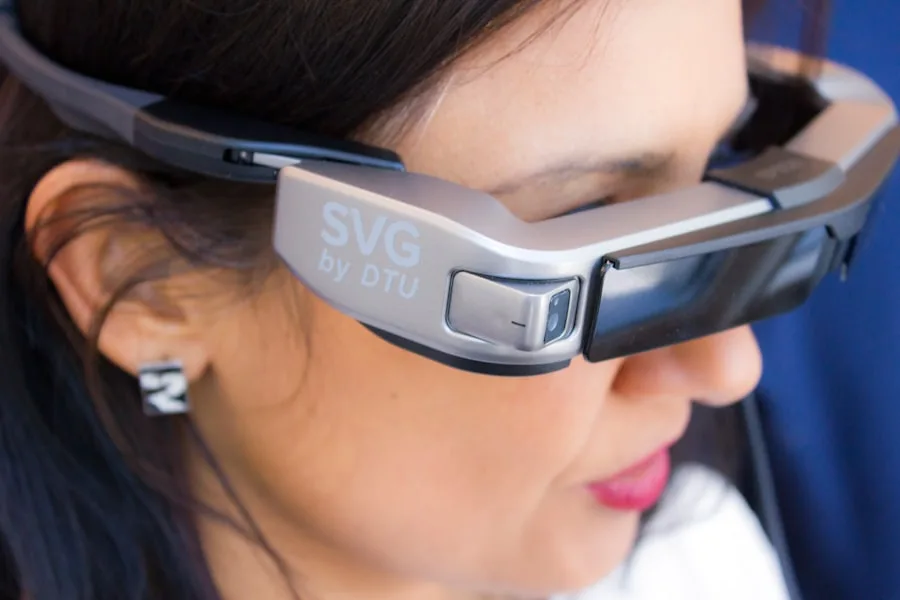
The widespread adoption of smart glasses isn’t just about individual technology use; it’s about ushering in a new era of societal interaction and raising fundamental ethical questions that you, as a responsible member of that society, need to consider.
The Normalization of Constant Recording
As more people adopt smart glasses, there’s a risk that the act of constant, ubiquitous recording becomes normalized. This could lead to a chilling effect on spontaneous expression and a pervasive sense of being perpetually under observation. You might find yourself altering your behavior simply because you can’t be certain you’re not being recorded, even in seemingly private moments.
Erosion of Unobserved Space
The concept of having truly private, unobserved moments in your life could be significantly eroded. The knowledge that cameras are prevalent, even if not actively recording you, can implant a subtle self-consciousness that alters your natural behavior. This can impact everything from casual conversations to personal reflections.
The “Us” vs. “Them” Mentality
The presence of smart glasses can foster an “us vs. them” mentality, where those wearing the glasses are perceived as potentially intrusive, and those not wearing them are vulnerable to their gaze. This can create social friction and a lack of trust, hindering genuine human connection.
Shifting Social Norms and Etiquette
The integration of smart glasses into daily life necessitates an evolution of social norms and etiquette. What was once considered polite might now be viewed as intrusive, and vice versa.
The Burden of Notification
Ultimately, the responsibility for ethical use often falls on the wearer. As you encounter smart glasses, you might expect a certain level of courtesy, such as a gentle notification if recording is intended, or a sensitivity to situations where recording would be inappropriate. The absence of these courtesies can lead to understandable frustration.
Defining Acceptable Use
The ongoing societal dialogue needs to define what constitutes acceptable use of smart glasses. This includes establishing clear guidelines for recording in various contexts, ensuring transparency about data usage, and holding users accountable for misuse. Your voice in these conversations contributes to shaping these future norms.
As the rise of smart glasses continues to blur the lines between privacy and technology, many are left wondering how to navigate this new landscape. A related article explores the fascinating journey of content creation in the digital age, highlighting how platforms like TikTok have transformed traditional media. This insightful piece can be found here: from whitepaper to TikTok, and it provides a deeper understanding of how smart devices are reshaping our interactions with content and each other.
The Future is Visible: What to Expect Next
| Smart Glasses Features | Spotting Techniques |
|---|---|
| Integrated Camera | Look for a small lens on the frame |
| Augmented Reality Display | Check for a transparent display in front of the eyes |
| Wireless Connectivity | Search for Bluetooth or Wi-Fi indicators |
| Touchpad or Voice Control | Observe for touch-sensitive areas or microphone |
As you look ahead, the presence of smart glasses is only likely to increase. The technology is evolving rapidly, promising even greater integration into your life and raising further questions about your role in this unfolding future.
Advancements in Technology
The capabilities of smart glasses are constantly being pushed forward. You can expect improvements in:
Miniaturization and Aesthetics
Future smart glasses will likely become even more discreet, mimicking the appearance of traditional eyewear, making them harder to distinguish as recording devices. This could further blur the lines of privacy.
Enhanced AI and Data Processing
Onboard AI will enable more sophisticated real-time analysis of the environment, allowing for intelligent recognition of objects, people, and even emotions. This could lead to applications that are either incredibly helpful or profoundly intrusive, depending on their implementation.
Battery Life and Connectivity
Improvements in battery technology will allow for longer periods of continuous use, making smart glasses a more viable option for all-day wear. Enhanced connectivity will ensure seamless integration with other devices and cloud services.
Evolving Regulations and Ethical Frameworks
As the technology matures, so too will the legal and ethical responses to it. You can anticipate:
Stricter Privacy Laws
Governments worldwide will likely implement more robust regulations to address the unique privacy challenges posed by smart glasses, including stricter rules on consent, data retention, and permissible recording contexts.
Industry Self-Regulation
Tech companies will be under pressure to adopt ethical guidelines and implement features that promote responsible use, such as built-in indicators for recording or clear data transparency policies.
Public Awareness and Education
Continued public discourse and educational initiatives will be crucial in fostering informed understanding and critical engagement with smart glass technology. You have a role to play in this by staying informed and participating in these conversations.
Your Role in the Smart Glass Era
The future of smart glasses isn’t predetermined. It’s a narrative you, and countless others, are actively writing.
Be Aware, Be Informed
The first step is simply to be aware of the technology’s presence and to understand its potential benefits and drawbacks. Seek out reliable information and engage in critical thinking about its implications for your life.
Advocate for Your Privacy
Don’t be afraid to voice your concerns about privacy and to advocate for strong protections. Support organizations and initiatives that champion digital rights and ethical technology development.
Embrace Responsible Use
If you choose to wear smart glasses, do so with a strong sense of ethical responsibility. Be mindful of those around you, prioritize transparency, and use the technology in ways that enhance rather than detract from human connection and societal well-being.
As you continue to move through your day, keep an eye out for those lenses. They are more than just eyewear; they are indicators of a rapidly changing technological landscape and a constant reminder of the ongoing conversation about privacy, society, and the future you are helping to shape. The cameras are on people’s faces, and in understanding them, you understand a significant facet of the world you inhabit.
FAQs
What are smart glasses?
Smart glasses are wearable technology that incorporate a display and camera, allowing users to access information and capture images and videos without using their hands.
How do smart glasses work?
Smart glasses use a combination of sensors, cameras, and display technology to overlay digital information onto the user’s field of view. They can also capture photos and videos, and connect to the internet for additional functionality.
What are the potential uses of smart glasses?
Smart glasses have a wide range of potential uses, including augmented reality applications, hands-free access to information, remote assistance, and capturing first-person perspective videos.
How can you spot someone wearing smart glasses?
Smart glasses can often be identified by a small camera and display unit on the frames, as well as additional sensors and connectivity features. Some models may also have a distinctive design or branding.
What are the privacy concerns associated with smart glasses?
Privacy concerns related to smart glasses include the potential for covert recording, unauthorized data collection, and the impact on social interactions and public spaces. Regulations and guidelines are being developed to address these concerns.