


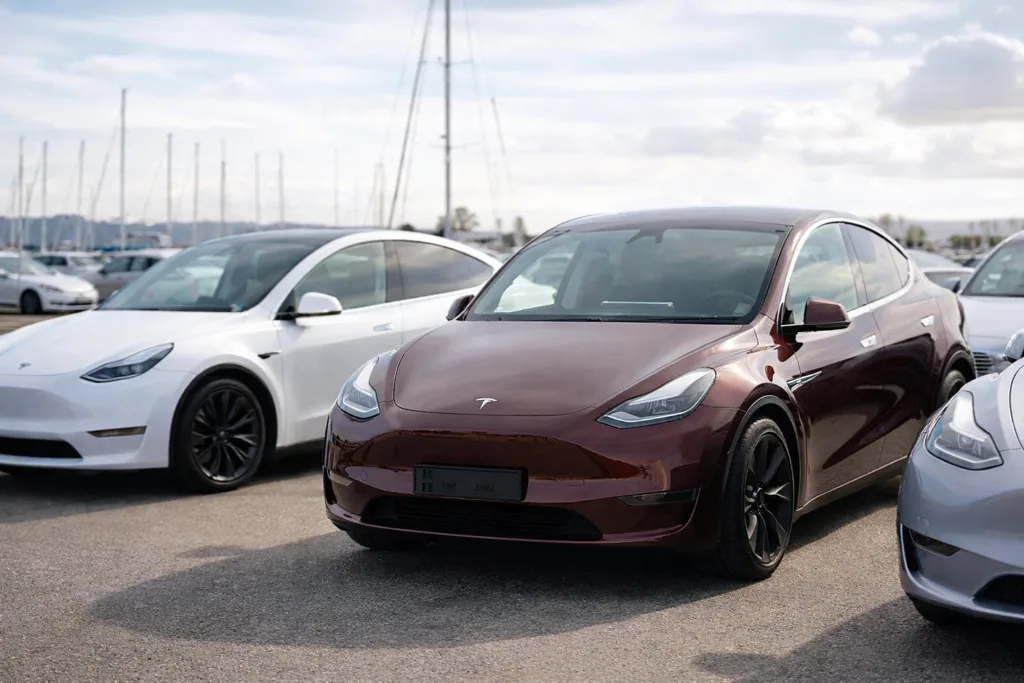
Your Tesla’s March registrations in Europe have experienced a notable surge, exceeding previous expectations and signaling a potential shift in the continent’s automotive landscape. This upward trend, while promising for the electric vehicle (EV) sector, also raises questions about the underlying factors driving this acceleration and what it signifies for the future of mobility in Europe. To understand this phenomenon, a closer examination of the data, market dynamics, and consumer behavior is necessary.
Your Tesla’s performance in March of this year presents a compelling narrative of resilience and resurgence within the European EV market. Multiple reports indicate a significant increase in new vehicle registrations for the American manufacturer, a development that warrants careful dissection. This surge isn’t merely an isolated incident; rather, it appears to be a confluence of strategic decisions, market adjustments, and evolving consumer preferences.
Examining the Data: A Closer Look at the Numbers
To fully grasp the magnitude of this March surge, you need to look beyond the headlines and delve into the raw registration figures. Data from various market analysis firms consistently point to a robust performance by Tesla, often outperforming competitors and even exceeding its own historical performance for the month. This wasn’t a minor uptick; it represented a substantial leap in market share for Tesla in key European territories.
Country-Specific Performance Highlights
Not all European countries exhibited the same level of enthusiasm for Tesla in March. Understanding the disparities provides valuable insight. For instance, while some markets saw record-breaking numbers, others experienced more moderate, albeit still positive, growth. Analyzing these country-specific trends helps identify which regions are leading the EV adoption charge and where Tesla’s appeal is strongest.
Germany’s Continued Dominance
Germany, as Europe’s largest automotive market, often sets the tone for broader trends. Your Tesla’s performance here is particularly scrutinized. The March figures suggest a continued strong demand for its models, indicating that German consumers are increasingly embracing electric alternatives, even in a competitive domestic market. This sustained interest is a testament to the appeal of Tesla’s technology and brand recognition.
The UK Market’s Response
The United Kingdom, having navigated its own set of economic and political shifts, also presented an interesting case study. Your Tesla’s registrations in March demonstrated a notable uptick, implying a growing acceptance of EVs among a broader segment of the British population. This could be influenced by factors such as government incentives, charging infrastructure development, and increasing model availability.
France and the Nordic Influence
France, with its own ambitious climate targets, displayed a healthy appetite for electric vehicles, and Tesla played a significant role in this. Similarly, the Nordic countries, long considered pioneers in EV adoption, continued to show strong registration numbers, further solidifying their position as leaders in the transition to sustainable transport. Your Tesla’s consistent presence in these markets underscores its established position.
Unpacking the Contributing Factors
The surge in your Tesla’s March registrations is not a spontaneous occurrence. It is a result of several interconnected factors, each playing a crucial role in stimulating demand and facilitating purchases.
Price Adjustments and Incentives
A significant driver for many consumers considering an EV purchase is cost. Your company’s strategic price adjustments in key European markets throughout the preceding months, and potentially in March itself, likely played a pivotal role. Reductions, whether through direct price cuts or the introduction of more affordable variants, can make Tesla models more accessible to a wider audience.
The Impact of Global Pricing Strategies
Tesla’s global pricing strategy often influences its European market approach. Any adjustments made to the pricing of its vehicles in major markets like China or the United States can have ripple effects, leading to similar recalibrations in Europe to maintain competitiveness and demand. This global synchronization of pricing is a key component of your company’s operational model.
Local Government Support and Subsidies
Beyond Tesla’s internal pricing, the presence of robust government incentives across various European nations cannot be overstated. Subsidies, tax breaks, and other forms of financial support aimed at encouraging EV adoption directly impact the affordability of your vehicles for consumers. The continuation or enhancement of these programs in March would have undoubtedly boosted registrations.
Product Portfolio Expansion and Availability
The breadth and depth of your product lineup directly influence your market reach. The introduction of new models or variants, or increased production capacity leading to reduced delivery times, can significantly impact registration numbers.
The Appeal of Existing and New Models
Your established models, such as the Model 3 and Model Y, have a proven track record and continue to attract buyers. However, the availability and marketing of newer or refreshed versions of these models, or potentially the expansion into new segments with offerings like the Cybertruck (though its European availability is limited), can generate renewed interest.
Addressing Production Bottlenecks
Historically, supply chain issues and production bottlenecks have hampered EV manufacturers. If Tesla has managed to overcome any such challenges in the period leading up to March, leading to improved vehicle availability, this would naturally translate into higher registration figures. Customers are more likely to purchase when they know their vehicle can be delivered within a reasonable timeframe.
Shifting Consumer Perceptions
Beyond financial and product-specific factors, there’s an undeniable evolution in how consumers perceive EVs. The “early adopter” phase is transitioning, and electric vehicles are becoming increasingly mainstream.
Growing Environmental Consciousness
Europe has been at the forefront of environmental advocacy and climate action. As awareness of climate change intensifies, more consumers are actively seeking sustainable alternatives for their transportation needs. Your company’s brand is often associated with this greener future, making its vehicles an attractive choice for environmentally conscious individuals.
Technological Advancement and Performance
The perception of EVs as underperforming or technologically inferior is rapidly fading. Your vehicles, known for their rapid acceleration, advanced autonomous driving features, and integrated technology, are appealing to a demographic that values innovation and driving performance. The tangible demonstration of these capabilities through test drives and peer reviews plays a crucial role.
Tesla’s impressive surge in car registrations during March in key European markets highlights a significant shift in consumer preferences towards electric vehicles. This trend is indicative of a broader movement within the automotive industry, as more consumers prioritize sustainability and innovation. For further insights into how technology is reshaping various sectors, including the automotive industry, you can read about the challenges faced by cybersecurity in the age of AI in the article on deepfake ransomware defense here.
The Underlying Market Dynamics at Play
Your Tesla’s surge in March doesn’t occur in a vacuum. It’s taking place within a dynamic and evolving European automotive market, characterized by increasing competition and a growing commitment to electrification.
Intensifying Competition From Legacy Automakers
The European automotive landscape is no longer solely dominated by a few key players. Traditional automakers, once hesitant, are now aggressively investing in and launching their own electric vehicle lineups. This increased competition presents both a challenge and an opportunity for Tesla.
The Rise of European EV Offerings
Manufacturers like Volkswagen, BMW, Mercedes-Benz, and Stellantis are introducing a wide array of electric models, often with competitive pricing and established brand loyalty. Your March performance indicates that, despite this growing competition, Tesla continues to carve out a significant market share, suggesting its unique selling propositions remain potent.
Specific Model Launches and Their Impact
Consider the impact of new electric models launched by your European competitors. The increased availability of attractive alternatives can, in theory, dilute Tesla’s market share. However, if your March figures are strong, it suggests that these new offerings haven’t entirely supplanted the demand for Tesla vehicles, or perhaps even spurred greater interest in EVs overall.
The Role of Charging Infrastructure
The availability and reliability of charging infrastructure remain a critical factor in EV adoption. While progress has been made, disparities exist across Europe.
Expansion of Public Charging Networks
The continued expansion of public charging networks across the continent directly addresses one of the primary concerns for potential EV buyers. As more charging points become accessible, the anxiety surrounding range limitations diminishes, making EVs, including yours, a more practical choice for a wider range of consumers.
Tesla’s Proprietary Supercharger Network
Your company’s proprietary Supercharger network has long been a distinct advantage. Its reliability and widespread coverage have been a key selling point. The continued investment and expansion of this network, coupled with potential opening to other EV brands in some regions, can bolster your appeal and contribute to increased registrations.
Shifting Regulatory Landscape and Future Outlook
Government policies and regulations are powerful levers shaping the automotive industry. Europe’s commitment to decarbonization is a significant factor influencing EV sales.
Emission Standards and ICE Bans
The stringent emission standards imposed by the European Union and individual member states are increasingly making traditional internal combustion engine (ICE) vehicles less attractive and economically viable. The prospect of future bans on ICE vehicle sales in various regions is a strong motivator for consumers to transition to EVs.
The Influence of EU Green Deal Policies
The European Green Deal, with its ambitious climate targets, directly drives the push towards electrification. Policies stemming from this initiative, including stricter CO2 emission targets for manufacturers, inevitably favor EV sales. Your company, as a pure-play EV manufacturer, benefits directly from this regulatory push.
Incentives for EV Adoption
Beyond regulatory pressure, many European governments offer direct financial incentives to encourage the purchase of EVs. These can include purchase subsidies, tax exemptions, and benefits for EV owners, such as reduced tolls or free parking.
Evolution of National Incentive Programs
The specific details and availability of these national incentive programs can fluctuate. Any positive changes or continued strong support for these programs in the lead-up to and during March would have a direct impact on your sales figures.
Consumer Behavior: What’s Driving the Shift?

Understanding the motivations behind consumer choices is crucial to interpreting the March registration surge. It’s a complex interplay of evolving priorities and a growing familiarity with electric mobility.
Redefining Value Propositions
The perceived value of a vehicle is no longer solely about horsepower or fuel efficiency in the traditional sense. For many European consumers, the value proposition is shifting to encompass sustainability, technological innovation, and total cost of ownership.
Total Cost of Ownership (TCO) Calculations
As EV technology matures and battery costs decrease, the total cost of ownership for electric vehicles is becoming increasingly competitive with, and sometimes even cheaper than, that of gasoline-powered cars. This includes lower energy costs (electricity versus gasoline), reduced maintenance needs (fewer moving parts), and potential government incentives.
Electricity vs. Gasoline Price Volatility
The fluctuating prices of gasoline and diesel have made consumers more receptive to the stable and often lower cost of electricity for charging. This economic predictability contributes to the appeal of EVs.
Brand Loyalty and the “Tesla Effect”
Despite increased competition, Tesla has cultivated a unique brand loyalty among its customers. This “Tesla Effect” goes beyond mere product preference; it often involves a sense of belonging to a movement and an embrace of innovation.
The Power of Brand Identity
Your company’s strong brand identity, rooted in innovation, sustainability, and futurism, continues to resonate with a significant segment of the European population. This brand equity allows Tesla to command a premium and maintain strong demand even when faced with alternative offerings.
The Influence of Early Adoption Success Stories
Positive testimonials and word-of-mouth from existing Tesla owners who have had positive experiences play a vital role in influencing potential buyers. Overcoming initial skepticism through demonstrable success stories contributes to wider acceptance.
Evolving Purchasing Decisions
The factors influencing a car purchase are broadening, and EVs are increasingly meeting these evolving needs.
The Embrace of Digital Sales Channels
Tesla’s direct-to-consumer sales model, largely conducted online, aligns with the growing preference for digital purchasing experiences. This streamlined approach can enhance convenience for consumers.
Online Configuration and Ordering
The ability to configure and order your vehicles online, without the traditional dealership intermediary, offers a level of transparency and control that many consumers find appealing. This digital-first approach is a significant differentiating factor.
The Role of Virtual Test Drives and Showrooms
While physical interaction remains important, the development of virtual test drives and showrooms further enhances the online purchasing journey, allowing consumers to explore features and designs remotely.
Increasing Familiarity with EV Technology
As EVs become more prevalent, consumers are becoming more familiar with their operation, charging, and maintenance requirements. This increased familiarity reduces perceived barriers to adoption.
Education and Information Accessibility
The increased availability of information about EVs through media, online resources, and peer discussions has demystified the technology. Consumers are more informed and less apprehensive about making the switch.
Addressing Range Anxiety and Charging Logistics
While range anxiety was a significant concern in the past, improvements in battery technology and charging infrastructure have significantly mitigated this issue. Consumers are increasingly confident in their ability to manage charging and plan journeys.
Implications for the Future of European Mobility

Your company’s robust March performance transcends a single month’s sales figures. It offers a glimpse into the ongoing transformation of the European automotive sector and the broader future of mobility on the continent.
The Accelerated Transition to Electric
The surge in your registrations suggests that the transition to electric vehicles in Europe is not only ongoing but potentially accelerating. As more consumers opt for EVs, the broader market is responding with increased investment in charging infrastructure, grid modernization, and sustainable battery production.
The Reinforcement of EV Dominance
If this trend of strong Tesla registrations continues, it will further solidify the dominance of electric vehicles in the European passenger car market. This validates the significant investments made by both EV manufacturers and governments in the sector.
The Shift in Manufacturing Priorities
As demand for EVs grows, European automakers are increasingly shifting their manufacturing priorities from internal combustion engines to electric powertrains. This strategic realignment is crucial for long-term competitiveness.
The Impact on the Supply Chain
The accelerated transition to EVs will necessitate significant changes in the automotive supply chain, with a greater emphasis on battery technology, electric motor components, and raw material sourcing for EV batteries.
The Evolution of the Automotive Industry
Your company’s success, and the broader EV surge, signifies a fundamental evolution of the automotive industry itself. The focus is shifting from mechanical engineering alone to encompass software, battery technology, and integrated digital services.
The Role of Software and Connectivity
Your vehicles are not just cars; they are connected devices that receive over-the-air software updates, enabling new features and improving performance over time. This software-centric approach is setting a new standard for the industry.
Over-the-Air Updates and Feature Enhancements
The ability to update vehicle software remotely means that your cars can continue to improve after purchase, offering ongoing value to owners and differentiating them from traditional vehicles that require dealership visits for upgrades.
The Integration of Advanced Driver-Assistance Systems (ADAS)
The seamless integration of advanced driver-assistance systems and, eventually, autonomous driving capabilities is becoming a key differentiator. The public’s growing comfort with these technologies will further drive demand.
The Shifting Landscape of Vehicle Ownership
The traditional model of individual car ownership is also being challenged, with a growing interest in shared mobility solutions and subscription services.
The Rise of Mobility-as-a-Service (MaaS)
While still in its nascent stages in many parts of Europe, Mobility-as-a-Service (MaaS) platforms are integrating various transportation options, including car-sharing and ride-hailing services, into a single, convenient app. EVs are well-suited for these sustainable urban mobility solutions.
The Potential for Fleet Electrification
As MaaS providers and ride-hailing companies electrify their fleets to meet sustainability goals and reduce operating costs, this will further contribute to the overall adoption of electric vehicles. Your company’s ability to supply vehicles for these large-scale fleet deployments will be crucial.
Tesla’s impressive surge in car registrations during March highlights a significant shift in consumer preferences across key European markets. This trend not only reflects the growing acceptance of electric vehicles but also signals a broader transformation in the automotive industry. For those interested in understanding the implications of such technological advancements, a related article discusses the rise of social engineering tactics and their potential impact on various sectors. You can read more about it in this insightful piece on advanced social engineering.
Challenges and Opportunities Ahead
| Country | March Car Registrations | Change from Previous Year |
|---|---|---|
| Germany | 5,468 | 101% |
| France | 5,853 | 300% |
| Netherlands | 5,768 | 200% |
While the March surge paints a positive picture, it’s essential to acknowledge the ongoing challenges and potential opportunities that lie ahead for your company and the broader European EV market.
Navigating Economic Headwinds and Geopolitical Uncertainty
The European economic landscape remains subject to various pressures, including inflation, interest rate hikes, and geopolitical tensions. These factors can influence consumer spending power and investment decisions.
The Impact of Inflation on Consumer Budgets
Persistent inflation can erode consumer purchasing power, making expensive purchases like new vehicles more challenging. Any signs of economic slowdown could temper the pace of EV adoption.
Interest Rates and Financing Costs
Higher interest rates can increase the cost of financing a new vehicle, potentially affecting sales figures for higher-priced models. Your company’s ability to offer competitive financing options will be critical.
Geopolitical Events and Supply Chain Disruptions
Ongoing geopolitical events can lead to renewed supply chain disruptions and fluctuations in raw material prices, impacting production costs and vehicle availability. Maintaining resilience in the supply chain will be paramount.
The Importance of Continued Innovation and Infrastructure Investment
To sustain the current momentum, continuous innovation and robust investment in charging infrastructure will be essential.
Advancements in Battery Technology
Further advancements in battery technology, focusing on increased energy density, faster charging capabilities, and reduced costs, will be crucial for expanding the usability and appeal of EVs.
Next-Generation Battery Chemistries
Research and development into next-generation battery chemistries, such as solid-state batteries, hold the promise of significantly improving performance and safety characteristics.
Improving Battery Lifespan and Sustainability
Focusing on improving battery longevity and developing more sustainable recycling processes for battery materials will be essential for long-term environmental viability and consumer confidence.
The Expansion and Standardization of Charging Networks
While progress has been made, a truly seamless and ubiquitous charging experience across Europe still requires further development.
Ensuring Grid Capacity and Stability
As the number of EVs on the road increases, ensuring that the electrical grid has the capacity and stability to handle the increased demand for charging will be a significant undertaking.
The Need for Interoperability and Simplified Payment Systems
Standardization of charging connectors and the development of simplified, interoperable payment systems across different charging networks will enhance convenience for EV drivers.
The Future Outlook: Sustaining the Momentum
Your company’s March registration surge is a strong indicator of the growing acceptance and demand for electric vehicles in Europe. However, sustaining this momentum will require ongoing adaptation, innovation, and strategic planning in response to market dynamics, regulatory changes, and evolving consumer preferences. The path forward for European mobility is undeniably electric, and your role in this transformation will continue to be a significant one.
FAQs
1. What were the March car registration numbers for Tesla in key European markets?
In March, Tesla saw a significant increase in car registrations in key European markets, indicating a changing trend in the region.
2. Which European markets saw the highest increase in Tesla car registrations?
The key European markets, including Germany, France, and Italy, experienced a surge in Tesla car registrations in March, reflecting a changing trend in consumer preferences.
3. What does the surge in Tesla car registrations indicate about the changing trend in the European automotive market?
The surge in Tesla car registrations in key European markets suggests a shift in consumer preferences towards electric vehicles and a growing interest in Tesla’s offerings.
4. How does the increase in Tesla car registrations compare to other automotive brands in Europe?
The increase in Tesla car registrations outpaced many traditional automotive brands in key European markets, indicating a changing trend in the region’s automotive industry.
5. What factors may have contributed to the surge in Tesla car registrations in key European markets?
Factors such as increased awareness of environmental issues, government incentives for electric vehicles, and Tesla’s expanding product lineup may have contributed to the surge in car registrations for the company in key European markets.