


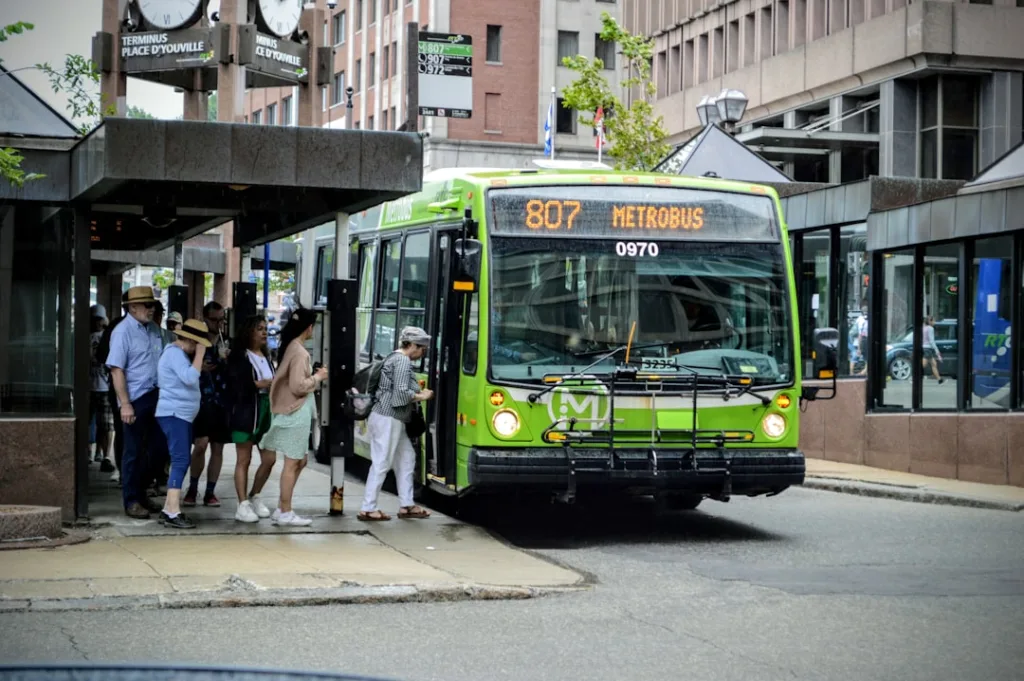
Urban mobility has become a focal point of discussion in contemporary society, particularly as cities around the globe grapple with the challenges posed by rapid urbanization. The increasing population density in urban areas has led to a surge in demand for efficient transportation solutions.
Traditional modes of transport, such as cars and buses, are often inadequate to meet the needs of growing populations, resulting in congestion, pollution, and a decline in the quality of life for city dwellers.
As a response to these challenges, innovative solutions are emerging, with electric vehicles and aerial transportation systems at the forefront of this transformation. The concept of urban mobility encompasses not only the movement of people but also the logistics of goods and services within metropolitan areas. As cities evolve, so too must the strategies employed to facilitate this movement.
The integration of technology into transportation systems is reshaping how we navigate urban landscapes. From ride-sharing apps to smart traffic management systems, the future of urban mobility is being defined by advancements that prioritize efficiency, sustainability, and accessibility. This article delves into the rise of electric vehicles, the potential of flying taxis, and the technological advancements that are paving the way for a new era in urban transportation.
Key Takeaways
- Urban mobility is a growing concern as cities become more congested and polluted.
- Electric vehicles are on the rise as a sustainable solution to urban transportation.
- Traffic congestion poses significant challenges to urban mobility and quality of life.
- Flying taxis have the potential to revolutionize urban transportation and alleviate traffic congestion.
- Advancements in eVTOL technology are making electric flying taxis a viable and efficient mode of transportation.
The Rise of Electric Vehicles
Enhanced Safety and Driving Experience
This shift is not merely a trend; it represents a fundamental change in how we think about transportation. The benefits of electric vehicles extend beyond their zero-emission capabilities. EVs are often equipped with advanced technologies that enhance safety and driving experience. Features such as regenerative braking, adaptive cruise control, and sophisticated infotainment systems are becoming standard in many electric models.
Affordability and Practicality
Furthermore, the cost of battery technology has been decreasing steadily, making EVs more affordable for consumers. As charging infrastructure continues to expand, the practicality of owning an electric vehicle is becoming increasingly appealing.
Urban Integration and Incentives
Cities are also incentivizing the adoption of EVs through tax breaks, rebates, and investments in charging stations, further accelerating their integration into urban mobility frameworks.
Challenges of Urban Traffic Congestion


Despite the advancements in electric vehicles and other innovative transportation solutions, urban traffic congestion remains a pressing issue that cities must address. Traffic jams not only lead to wasted time but also contribute significantly to air pollution and greenhouse gas emissions. According to a report from INRIX, a transportation analytics company, traffic congestion costs U.S.
drivers over $87 billion annually in lost productivity and fuel consumption. This staggering figure underscores the urgent need for effective strategies to alleviate congestion in urban areas. One of the primary contributors to traffic congestion is the sheer volume of vehicles on the road.
As populations grow and urban areas expand, more people rely on personal vehicles for their daily commutes. Public transportation systems often struggle to keep pace with this demand, leading to overcrowded buses and trains that deter potential users. Additionally, infrastructure limitations—such as narrow roads and insufficient public transit options—exacerbate the problem.
To combat these challenges, cities are exploring various solutions, including congestion pricing, improved public transit options, and the promotion of alternative modes of transportation such as cycling and walking.
The Potential of Flying Taxis
As urban areas continue to grapple with traffic congestion, flying taxis have emerged as a potential solution that could revolutionize urban mobility. These aerial vehicles promise to bypass ground-level traffic entirely, offering a faster and more efficient means of transportation within cities. The concept of flying taxis is not merely science fiction; several companies are actively developing prototypes and conducting test flights.
The allure of flying taxis lies in their ability to reduce travel times significantly while also alleviating pressure on existing transportation infrastructure. Flying taxis operate on the principle of vertical takeoff and landing (VTOL), allowing them to operate in densely populated areas without requiring extensive runway space. This capability opens up new possibilities for urban transportation networks, enabling passengers to travel directly from point A to point B without navigating congested streets.
Companies like Joby Aviation and Archer Aviation are at the forefront of this innovation, working on electric VTOL aircraft designed for short-distance urban travel. As these technologies mature, they could provide a viable alternative to traditional ground-based transportation methods.
Advancements in Electric Vertical Takeoff and Landing (eVTOL) Technology
The development of electric vertical takeoff and landing (eVTOL) technology is crucial for realizing the vision of flying taxis as a mainstream mode of urban transportation. eVTOL aircraft leverage electric propulsion systems that offer several advantages over traditional aviation technologies. These aircraft are typically quieter than conventional helicopters and produce zero emissions during operation, making them more suitable for urban environments where noise pollution and air quality are significant concerns.
Recent advancements in battery technology have played a pivotal role in enhancing the performance and feasibility of eVTOL aircraft. Innovations such as solid-state batteries promise higher energy densities and faster charging times compared to traditional lithium-ion batteries. Additionally, improvements in aerodynamics and lightweight materials have enabled manufacturers to design eVTOLs that can carry passengers efficiently while maximizing range and speed.
Companies like Volocopter and Lilium are leading the charge in developing eVTOL prototypes that are undergoing rigorous testing to ensure safety and reliability before they can be integrated into urban air mobility networks.
Regulatory Hurdles for Urban Air Mobility

Adapting Aviation Regulations
Aviation regulations are traditionally designed for larger aircraft operating at higher altitudes, which presents challenges when adapting these frameworks for electric vertical takeoff and landing (eVTOL) aircraft operating at lower altitudes within city limits. Regulatory bodies such as the Federal Aviation Administration (FAA) in the United States and the European Union Aviation Safety Agency (EASA) are working to establish guidelines that ensure safety while fostering innovation.
Air Traffic Management and Public Acceptance
One significant challenge is air traffic management for low-altitude operations. As flying taxis become more prevalent, there will be a need for sophisticated air traffic control systems capable of managing multiple eVTOLs simultaneously while ensuring safe distances between them. Additionally, public acceptance plays a crucial role in regulatory processes; communities must be assured that flying taxis will not contribute to noise pollution or safety risks.
Stakeholder Engagement and Balancing Innovation with Safety
Engaging with stakeholders—including local governments, residents, and industry experts—will be essential for developing regulations that balance innovation with public safety.
By working together, it is possible to create a regulatory framework that allows flying taxis to thrive while ensuring the safety and well-being of urban communities.
Environmental Impact of Urban Air Transportation
The environmental implications of urban air transportation are multifaceted and warrant careful consideration as cities explore the integration of flying taxis into their mobility ecosystems. While eVTOLs promise zero emissions during operation due to their electric propulsion systems, it is essential to evaluate their overall environmental footprint throughout their lifecycle. This includes assessing the impact of battery production, energy sources used for charging, and noise pollution generated during flights.
The sustainability of flying taxis hinges on the energy sources powering them. If eVTOLs are charged using renewable energy sources such as solar or wind power, their environmental impact can be significantly reduced compared to those relying on fossil fuels for electricity generation. Furthermore, advancements in battery recycling technologies will play a critical role in minimizing waste associated with battery production and disposal.
As cities prioritize sustainability in their transportation planning efforts, it will be vital to conduct comprehensive environmental assessments that consider all aspects of urban air mobility.
Integration of Flying Taxis into Urban Infrastructure
For flying taxis to become a viable component of urban mobility systems, seamless integration into existing infrastructure is paramount. This involves not only establishing designated takeoff and landing zones but also ensuring that these facilities are easily accessible to passengers. Urban planners must consider how flying taxi hubs can complement existing public transportation networks while providing convenient connections for users.
The design of vertiports—specialized facilities for eVTOL operations—will be critical in facilitating this integration. These hubs should be strategically located near major transit centers or high-density areas to maximize their utility. Additionally, considerations around passenger experience will be essential; vertiports must provide amenities such as waiting areas, ticketing services, and real-time flight information to enhance user convenience.
Collaboration between city planners, aviation authorities, and private companies will be necessary to create an integrated transportation ecosystem that leverages both ground-based and aerial mobility solutions.
The Role of Autonomous Technology in Urban Air Mobility
Autonomous technology is poised to play a transformative role in the future of urban air mobility by enhancing safety and operational efficiency in flying taxi operations. The integration of advanced sensors, artificial intelligence (AI), and machine learning algorithms enables eVTOLs to navigate complex urban environments autonomously while avoiding obstacles and ensuring safe landings. This technology not only reduces reliance on human pilots but also has the potential to lower operational costs significantly.
The development of autonomous flying taxis raises important questions about safety protocols and regulatory frameworks. Ensuring that these vehicles can operate safely in crowded urban airspace will require rigorous testing and validation processes. Moreover, public perception of autonomous technology will influence its acceptance; educating communities about safety measures and operational protocols will be essential for fostering trust in autonomous flying taxis as a reliable mode of transportation.
Economic Implications of Electric Flying Taxis
The introduction of electric flying taxis into urban mobility systems carries significant economic implications that extend beyond mere transportation benefits. The emergence of this new industry has the potential to create jobs across various sectors, including manufacturing, maintenance, air traffic management, and customer service roles associated with vertiports. As companies invest in research and development for eVTOL technologies, there will be opportunities for innovation-driven economic growth.
Moreover, flying taxis could stimulate local economies by providing faster access to jobs, education, and services across metropolitan areas. By reducing travel times between neighborhoods or suburbs and city centers, flying taxis may enhance economic productivity by enabling individuals to reach their destinations more efficiently. However, it is crucial for policymakers to consider equitable access to these services; ensuring that all segments of society can benefit from advancements in urban air mobility will be essential for fostering inclusive economic growth.
The Future of Urban Mobility and Electric Flying Taxis
As cities continue to evolve in response to growing populations and changing transportation needs, electric flying taxis represent a promising frontier in urban mobility solutions. The convergence of technological advancements in electric propulsion systems, autonomous navigation, and regulatory frameworks is paving the way for a new era of aerial transportation that could redefine how we navigate our cities. While challenges remain—ranging from regulatory hurdles to environmental considerations—the potential benefits of integrating flying taxis into urban infrastructure are substantial.
The future landscape of urban mobility will likely be characterized by a diverse array of transportation options that prioritize efficiency, sustainability, and accessibility. As stakeholders from various sectors collaborate to address these challenges and seize opportunities presented by electric flying taxis, we may witness a transformative shift in how we think about movement within our cities—one that embraces innovation while prioritizing the well-being of communities and the environment alike.
In a recent article on Unlocking Tech Brand Success with Generative Engine Optimization, the discussion revolves around how companies can leverage cutting-edge technology to enhance their brand presence and reach new heights in the digital landscape. This concept of utilizing advanced technology to revolutionize traditional industries is also evident in the exploration of electric vertical takeoff and landing (eVTOL) aircrafts in the article on The Future of Urban Mobility: Are EV Flying Taxis Closer Than We Think? Both articles highlight the importance of embracing innovation and technology to shape the future of various sectors.