


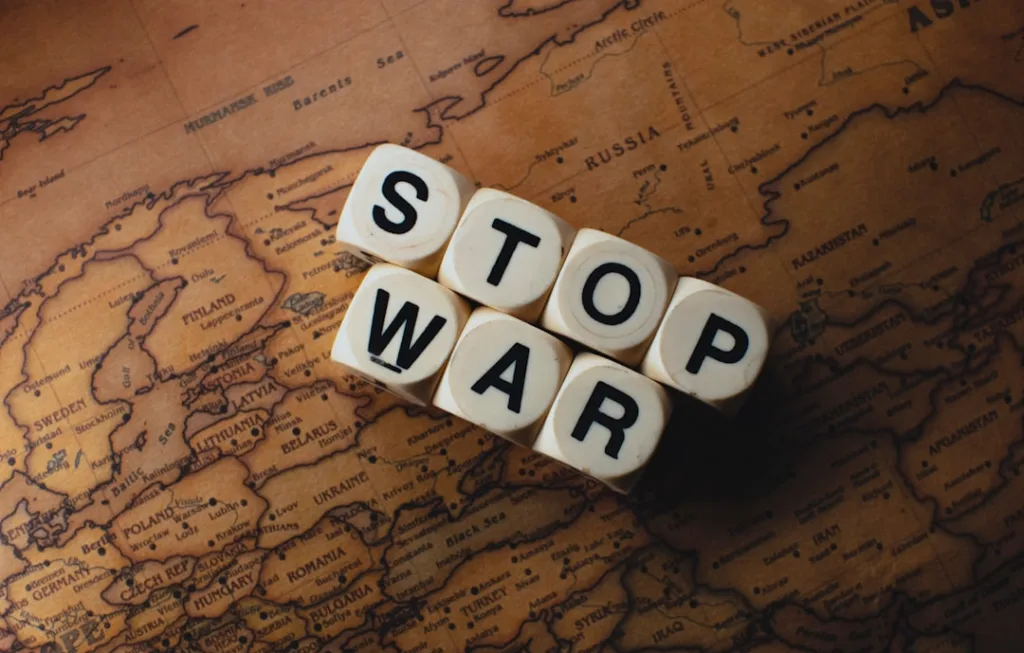
In the contemporary world, algorithms have transcended their traditional roles as mere computational tools, evolving into powerful instruments that shape geopolitical landscapes. The integration of artificial intelligence (AI) into various sectors has fundamentally altered how nations interact, compete, and assert their influence on the global stage. Algorithms, particularly those driven by AI, are now pivotal in decision-making processes, from military strategies to economic policies.
The ability to analyze vast amounts of data and derive actionable insights has given countries a significant edge in both diplomacy and warfare, making the understanding of these technologies crucial for comprehending modern geopolitics. The implications of algorithmic governance extend beyond mere efficiency; they touch upon issues of sovereignty, security, and ethical considerations. As nations harness AI to bolster their capabilities, the algorithms that underpin these technologies become central to national identity and power.
The interplay between technology and geopolitics is increasingly evident, as countries vie for technological supremacy while grappling with the ethical dilemmas posed by AI. This article delves into the emergence of sovereign AI, the competitive landscape among global powers, and the multifaceted impact of AI on national security, economic dynamics, and international relations.
Key Takeaways
- Algorithms play a significant role in shaping geopolitical landscapes by influencing decision-making processes and information dissemination.
- Countries are investing in and developing their own AI technologies, leading to the emergence of sovereign AI and a race for AI dominance among global powers.
- AI advancements have significant implications for national security, impacting military and defense strategies and reshaping global economic dynamics and trade relations.
- The ethical implications of sovereign AI must be carefully considered, as AI is being used in information warfare to influence public opinion and shape political narratives.
- AI is also being utilized in diplomacy and international relations, presenting both challenges and opportunities for global governance and the future of geopolitics.
The emergence of sovereign AI: How countries are investing in and developing their own AI technologies
National Ambitions: China’s AI Development Plan
China has made significant strides in this domain through its “Next Generation Artificial Intelligence Development Plan,” which aims to make the country a global leader in AI by 2030. This ambitious initiative encompasses investments in research, talent development, and infrastructure, positioning China as a formidable player in the global AI landscape.
The United States’ Response: Maintaining Technological Edge
Similarly, the United States has ramped up its efforts to maintain its technological edge through initiatives like the National AI Initiative Act of 2020. This legislation aims to promote AI research and development across various sectors, including defense, healthcare, and transportation.
A New Era of Public-Private Partnerships
The U.S. government is also fostering public-private partnerships to accelerate innovation and ensure that American companies remain at the forefront of AI advancements.
These investments reflect a broader recognition that control over AI technologies equates to control over future economic and military capabilities.
The race for AI dominance: Examining the competition between global powers to lead in AI development


The competition for AI dominance has become a defining feature of international relations in the 21st century. Major powers are not only investing heavily in AI research but are also engaging in strategic collaborations and partnerships to bolster their capabilities. The rivalry between the United States and China is particularly pronounced, with both nations vying for leadership in AI technologies that could dictate the future balance of power.
This race is characterized by a blend of competition and cooperation, as countries seek to leverage each other’s strengths while simultaneously guarding against potential threats. In Europe, there is a growing recognition of the need for a unified approach to AI development. The European Union has launched initiatives aimed at fostering collaboration among member states while ensuring ethical standards are upheld.
The EU’s “Digital Compass” outlines a vision for a digitally sovereign Europe that prioritizes innovation while addressing concerns related to privacy and data protection. This multifaceted approach highlights the complexities of the global race for AI dominance, where economic interests intersect with ethical considerations and regulatory frameworks.
The impact of AI on national security: Analyzing the implications of AI advancements for military and defense strategies
AI advancements are reshaping national security paradigms, prompting military strategists to rethink traditional defense strategies. The integration of AI into military operations offers unprecedented capabilities in areas such as surveillance, logistics, and combat decision-making. For example, autonomous drones equipped with AI algorithms can conduct reconnaissance missions with minimal human intervention, significantly enhancing situational awareness on the battlefield.
This shift towards automation raises critical questions about accountability and ethical use in military contexts. Moreover, nations are increasingly investing in AI-driven cyber defense mechanisms to protect critical infrastructure from emerging threats. The ability to predict and respond to cyberattacks in real-time is becoming essential for maintaining national security.
Countries like Israel have established themselves as leaders in cybersecurity through innovative AI applications that safeguard against potential breaches. As military strategies evolve to incorporate these technologies, the implications for international stability become more pronounced, with potential arms races emerging around autonomous weapons systems.
AI and economic power: Exploring how AI is reshaping global economic dynamics and trade relations
The economic implications of AI are profound, as countries leverage these technologies to enhance productivity and competitiveness. Nations that successfully integrate AI into their economies can expect significant boosts in efficiency across various sectors, from manufacturing to services. For instance, companies utilizing AI-driven analytics can optimize supply chains, reduce operational costs, and improve customer experiences.
This transformation is not limited to individual businesses; entire economies can be reshaped by widespread adoption of AI technologies. Trade relations are also being influenced by the rise of sovereign AI. Countries that lead in AI development may gain a competitive advantage in global markets, potentially leading to shifts in trade dynamics.
For example, China’s focus on becoming a leader in AI has implications for its trade relationships with other nations, as it seeks to export its technologies while simultaneously protecting its intellectual property. This creates a complex web of interdependencies where economic power is increasingly tied to technological prowess.
The ethical implications of sovereign AI: Discussing the ethical considerations and potential consequences of AI in geopolitics


As nations invest in sovereign AI technologies, ethical considerations become paramount. The deployment of AI systems raises questions about bias, accountability, and transparency. Algorithms trained on biased data can perpetuate existing inequalities, leading to discriminatory outcomes in areas such as law enforcement or hiring practices.
Countries must grapple with these ethical dilemmas as they develop their own AI frameworks while ensuring that human rights are upheld. Furthermore, the potential for surveillance and data privacy violations poses significant ethical challenges. Authoritarian regimes may exploit AI technologies for mass surveillance or social control, raising concerns about civil liberties.
The international community faces the daunting task of establishing norms and standards for ethical AI use that transcend national borders. As sovereign AI becomes more prevalent, the need for robust ethical frameworks will be critical in mitigating potential harms while harnessing the benefits of these technologies.
AI and information warfare: Investigating how AI is being used to influence public opinion and shape political narratives
AI’s role in information warfare has emerged as a critical area of concern in contemporary geopolitics.
The ability to analyze vast datasets allows state actors to craft targeted disinformation campaigns that can sway public opinion or destabilize political systems.
For instance, social media platforms have been exploited to disseminate false narratives during elections or political crises, often with devastating consequences for democratic processes.
Countries are increasingly employing sophisticated algorithms to manipulate information flows and create echo chambers that reinforce specific narratives. This manipulation can undermine trust in institutions and exacerbate societal divisions. The use of deepfakes—AI-generated synthetic media—further complicates this landscape by blurring the lines between reality and fabrication.
As nations recognize the strategic value of information warfare, the implications for international relations become increasingly complex, necessitating new approaches to counter disinformation efforts.
The role of AI in diplomacy: Examining how AI is being utilized in international relations and negotiations
AI is beginning to play a transformative role in diplomacy by enhancing decision-making processes and facilitating negotiations between states. Advanced data analytics can provide diplomats with insights into historical patterns and trends that inform their strategies during negotiations. For example, machine learning algorithms can analyze past treaties and agreements to identify successful negotiation tactics or potential sticking points.
Moreover, AI-driven simulations can model various scenarios during diplomatic discussions, allowing negotiators to assess potential outcomes before making commitments. This capability enhances strategic planning and fosters more informed decision-making processes. As countries increasingly rely on data-driven insights in diplomacy, the traditional art of negotiation is evolving into a more analytical discipline that leverages technology for strategic advantage.
AI and global governance: Assessing the challenges and opportunities of regulating AI on a global scale
The rapid advancement of AI technologies presents significant challenges for global governance structures tasked with regulating their use. As countries pursue their own sovereign AI agendas, discrepancies in regulatory frameworks can lead to tensions between nations. The lack of standardized regulations raises concerns about safety, accountability, and ethical considerations across borders.
International organizations such as the United Nations are beginning to address these challenges by fostering dialogue among member states on best practices for AI governance. Initiatives aimed at establishing common ethical guidelines are gaining traction as countries recognize the need for collaborative approaches to mitigate risks associated with unchecked AI development. However, achieving consensus on regulatory frameworks remains a complex endeavor due to differing national interests and priorities.
The future of sovereign AI: Speculating on the potential impact of AI on the balance of power and international relations
Looking ahead, the rise of sovereign AI is poised to reshape the balance of power in international relations significantly. As countries continue to invest in their own AI capabilities, those that succeed may gain unprecedented advantages in both economic competitiveness and military prowess. This shift could lead to new alliances formed around technological capabilities or even exacerbate existing rivalries as nations vie for dominance.
The potential for an “AI cold war” looms large as countries seek to outpace one another in technological advancements while grappling with ethical dilemmas associated with their use. The implications for global governance will be profound; nations may need to navigate an increasingly fragmented landscape where technological sovereignty becomes a key determinant of geopolitical influence.
Reflecting on the implications of the rise of sovereign AI for the future of geopolitics
The rise of sovereign AI represents a paradigm shift in geopolitics that intertwines technology with national identity and power dynamics. As countries invest heavily in developing their own AI capabilities, they are not only enhancing their economic competitiveness but also redefining their roles on the global stage. The implications extend beyond mere technological advancements; they encompass ethical considerations, national security strategies, and international relations.
As we move forward into an era where sovereign AI becomes increasingly prevalent, understanding its multifaceted impact will be crucial for policymakers and scholars alike. The interplay between technology and geopolitics will continue to evolve, shaping our world in ways we are only beginning to comprehend.
In a related article, Inside the Metaverse: Where Virtual Worlds and Real Life Opportunities Collide, the intersection of virtual reality and real-world opportunities is explored. Just as The Geopolitics of Algorithms delves into the implications of AI on global power dynamics, this article examines how the metaverse is shaping our understanding of reality and creating new avenues for economic growth and social interaction. Both pieces highlight the transformative impact of technology on society and the need for thoughtful consideration of its implications.