


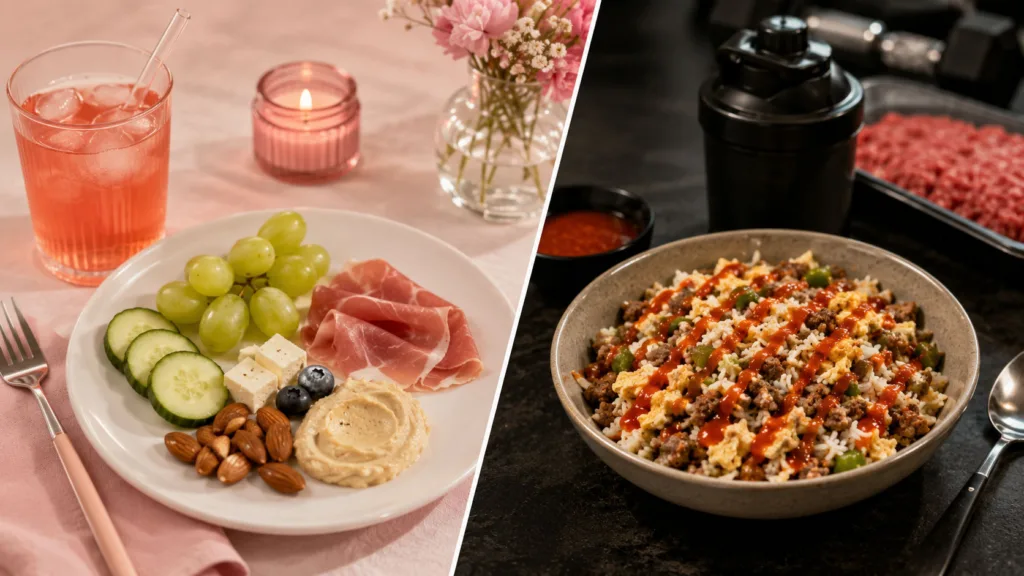
You’ve seen the headlines, haven’t you? The internet, ever the architect of fleeting trends, has presented you with two new culinary concepts that have exploded across your social media feeds: “Girl Dinner” and “Boy Kibble.” You might be chuckling, rolling your eyes, or perhaps even a little intrigued. But behind the whimsical, often tongue-in-cheek names, lies a fascinating commentary on your eating habits, societal expectations, and the ever-evolving landscape of what constitutes a “proper” meal. Get ready, because you’re about to delve into the delicious, sometimes absurd, world of these viral food phenomena.
You remember it, don’t you? The initial spark that ignited the “Girl Dinner” phenomenon. It wasn’t a meticulously plated Michelin-star dish, nor a painstakingly prepared family feast. No, it was a montage of effortless, often quirky, arrangements of snacks presented as a complete meal. Think cheese and crackers, olives, a few slices of salami, maybe some fruit, a handful of nuts, all haphazardly arranged on a plate. You probably saw countless variations: pickles with potato chips, leftover pasta salad, a hard-boiled egg, and a rogue cookie.
What Defines Your Girl Dinner?
You’ve probably noticed a few recurring themes that bind these disparate “dinners” together. First and foremost, it’s about minimal effort. You’re not spending hours in the kitchen, you’re not following a complex recipe. You’re grabbing whatever appeals to you from the fridge or pantry and arranging it in a way that satisfies your immediate cravings.
Another key characteristic is the lack of traditional meal structure. Forget your protein, carb, and vegetable breakdown. Girl Dinner defies convention. It’s a collection of small bites that, when combined, satiate you. You’re not looking for a balanced nutritional profile; you’re looking for comfort and ease.
Finally, and perhaps most importantly, there’s a strong element of personal indulgence and defiance. You’re eating what you want, when you want it, without judgment. It’s a rebellion against the societal pressure to prepare elaborate meals, especially for oneself. It’s a quiet declaration that sometimes, a plate of random snacks is perfectly acceptable, even desirable.
The Appeal to Your Inner Child
Think back to your childhood. Do you remember those times you’d raid the fridge for a “snack dinner”? Maybe it was a bowl of cereal, or some slices of cheese with a handful of grapes. Girl Dinner taps into that nostalgic feeling of unfussy, joyful eating. It’s permission to embrace your inner child and enjoy a meal that’s purely for your own gratification, without the burden of adult expectations. You’re not cooking for an audience; you’re cooking for you.
In exploring the latest culinary trends that have taken the internet by storm, the article “From ‘girl dinner’ to ‘boy kibble’: The internet serves up a new meal trend” highlights how social media influences our eating habits and meal presentations. This phenomenon is not just limited to food; it also extends to the creative industries. For a deeper understanding of how technology is reshaping creativity, you can read about the role of AI in advertising in the article titled “The AI Creative Director: A/B Testing and Scaling Ad Copy with Generative AI,” which can be found here.
Enter Boy Kibble: The Counter-Trend You Didn’t See Coming
Just as “Girl Dinner” was settling into its online ubiquity, a new contender emerged: “Boy Kibble.” And if you thought Girl Dinner was a playful jab at societal norms, Boy Kibble takes it a step further, with a more self-deprecating and often humorous tone. You’re likely picturing a very different spread now.
Decoding Your Boy Kibble
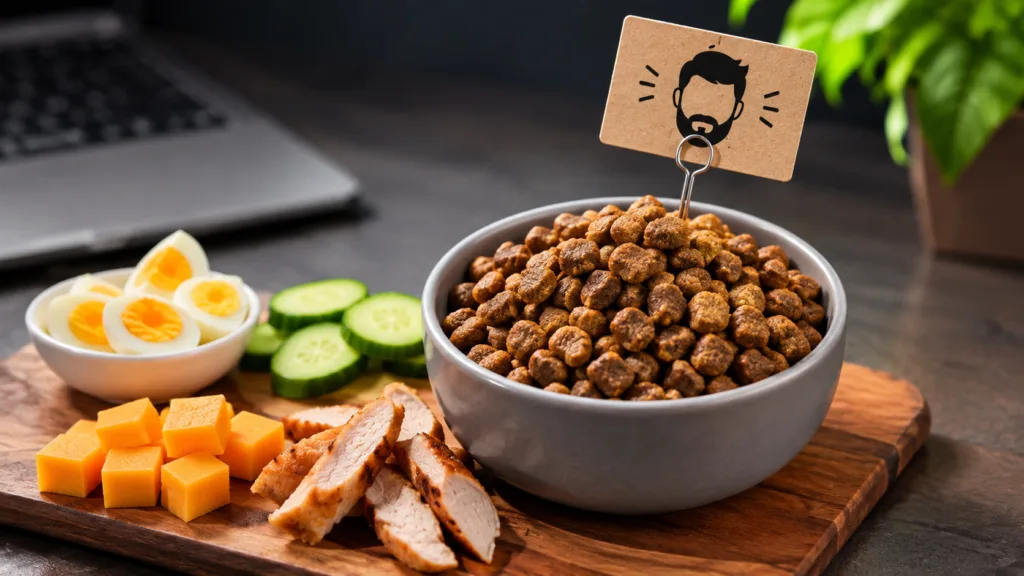
Boy Kibble, in its essence, represents a more utilitarian and often monochromatic approach to eating. Imagine a large bowl of plain pasta with a dollop of butter, or perhaps some pre-made chicken nuggets and fries. You might see a solitary hot dog, a can of beans, or a mountain of instant ramen. The aesthetic is decidedly less curated, more functional.
The defining characteristic here is maximum caloric intake with minimal culinary effort. You’re not looking for an aesthetic experience; you’re looking for fuel. It’s about efficiency and getting the job done. You’re likely not even using a plate, but eating directly from the pot or container.
There’s also a pervasive sense of unapologetic simplicity. While Girl Dinner celebrates individual indulgence, Boy Kibble often leans into a kind of resigned acceptance of basic sustenance. It’s not about being fancy; it’s about being fed. You’re not striving for culinary excellence; you’re striving for satiation.
The Tongue-in-Cheek Self-Awareness
What makes Boy Kibble so compelling, and what you likely find amusing, is its self-aware humor. The term “kibble” itself evokes images of pet food, implying a basic, uninspired meal. This isn’t a boastful declaration of culinary prowess; it’s a playful acknowledgment of often less-than-gourmet eating habits. You’re in on the joke. It’s a nod to the reality that sometimes, you just need to eat, and whatever’s quickest and easiest will do.
Beyond the Giggles: What These Trends Reveal About Your Eating Habits

You might be tempted to dismiss these trends as mere internet fads, and to some extent, you’d be right. But look closer, and you’ll see that “Girl Dinner” and “Boy Kibble” are mirroring some deeper truths about your relationship with food and the pressures you face.
The Burden of the “Perfect Meal”
You’ve probably felt it – the pressure to always cook a perfectly balanced, aesthetically pleasing meal. Social media, with its endless parade of meticulously curated food photos, has only amplified this. “Girl Dinner” and “Boy Kibble” offer a refreshing antidote. They are a collective sigh of relief, a permission slip to say, “It’s okay to not be perfect.” You’re seeing others embracing their less-than-ideal meals, and it normalizes your own.
The Gendered Expectations of Food
This is where things get particularly interesting. You can’t ignore the gendered nature of these trends. “Girl Dinner,” with its emphasis on smaller portions, aesthetically pleasing arrangements, and often “lighter” fare, subtly reinforces certain societal expectations about how women should eat. You might notice that it often includes foods traditionally associated with femininity – cheeses, fruits, salads.
“Boy Kibble,” on the other hand, with its focus on large portions, simplicity, and often carb-heavy or processed foods, plays into masculine stereotypes. You might see it as a reflection of the idea that men are less concerned with “fancy” food and more focused on quantity and fuel. These are, of course, broad generalizations, and you know that individual eating habits are far more diverse. However, the very naming of these trends highlights how pervasive these gendered food norms still are in your collective consciousness.
A Reflection of Your Busy Lives
Let’s be honest, you’re busy. Your days are often packed with work, responsibilities, and endless to-do lists. The appeal of both “Girl Dinner” and “Boy Kibble” lies in their convenience and speed. They are meals designed for when you’re short on time, energy, or both. You’re not alone in seeking out quick and easy food solutions. These trends are a digital manifestation of your shared desire for hassle-free eating in a fast-paced world.
The Power of Validation: Why These Trends Resonate with You


You’ve probably scrolled through countless examples of Girl Dinner and Boy Kibble, and a part of you likely felt a sense of recognition, even relief. Why? Because these trends offer something invaluable: validation.
You Are Not Alone in Your Unconventional Eating
For years, you might have felt a quiet shame about your “snack dinners” or your basic, functional meals. These trends have pulled those hidden habits into the light, revealing that you’re not an anomaly. Millions of people, just like you, are enjoying similar culinary creations. This collective acknowledgment fosters a sense of community and belonging. You’re part of a shared experience.
Permission to Prioritize Your Needs
In a world that constantly tells you how you should be eating, “Girl Dinner” and “Boy Kibble” offer a powerful counter-narrative. They’re a reminder that sometimes, your immediate needs and desires are paramount. If a plate of random snacks brings you joy and satiates your hunger, then that’s a perfectly valid meal. If a bowl of instant noodles gets you through a tough evening, then so be it. You’re being given permission to eat intuitively, without the burden of external judgment.
The recent trend of quirky meal names, such as ‘girl dinner’ and ‘boy kibble’, has sparked conversations about how social media influences our eating habits. This phenomenon reflects a broader cultural shift towards playful and creative food presentations, which can be seen in various online discussions and articles. For instance, a related article explores the importance of security in our increasingly digital world, highlighting how the concept of zero trust can be applied beyond technology, much like how these meal trends encourage us to rethink our culinary choices. To learn more about securing your endpoints in a hyper-connected world, check out this insightful piece on zero trust for APIs.
The Future of Your Meal Trends: What’s Next?
| Meal Trend | Details |
|---|---|
| Title | From ‘girl dinner’ to ‘boy kibble’: The internet serves up a new meal trend |
| Origin | Internet |
| Topic | Meal trend |
| Gender Association | Girl dinner, Boy kibble |
So, what does the rise of “Girl Dinner” and “Boy Kibble” tell you about the future of your eating habits and the internet’s influence on them?
The Continued Embrace of Authenticity
You can expect to see a continued shift towards more authentic and relatable food content. The meticulously styled, unattainable meals will likely make way for more “real” and imperfect representations of daily eating. People are tired of aspirational perfection; they crave genuine connection. You want to see meals that reflect your own life, not just highlight reel versions.
A Focus on Convenience and Simplicity
Your lives aren’t getting any less hectic. Therefore, you can anticipate an ongoing demand for convenient, simple meal solutions. This might manifest in new product innovations, creative meal prep strategies, or simply a greater acceptance of “non-traditional” meals. The desire for ease will remain a driving force in your culinary choices.
The Evolution of Gendered Food Narratives
While “Girl Dinner” and “Boy Kibble” highlight existing gendered perceptions, they also open a dialogue. You might see future trends that challenge or deconstruct these stereotypes, leading to more inclusive and nuanced representations of eating habits that transcend traditional gender roles. Perhaps “Human Hobble” or “Person Platter” will emerge, embracing a truly universal approach to effortless eating.
Ultimately, “Girl Dinner” and “Boy Kibble” are more than just fleeting internet trends. They are cultural touchstones that reflect your evolving relationship with food, the pressures of modern life, and the enduring power of community and validation. So, the next time you find yourself assembling a plate of seemingly random snacks or devouring a quick, no-frills meal, remember: you’re not just eating; you’re participating in a larger cultural conversation. And you’re doing it perfectly, whatever your “meal” may be.
FAQs
What is the new meal trend called “girl dinner” and “boy kibble”?
The new meal trend called “girl dinner” and “boy kibble” refers to the practice of creating and consuming meals that are tailored to gender stereotypes. “Girl dinner” typically consists of light, colorful, and aesthetically pleasing dishes, while “boy kibble” involves hearty, protein-heavy, and more substantial meals.
How has the internet contributed to the popularity of this meal trend?
The internet has played a significant role in popularizing the “girl dinner” and “boy kibble” trend by providing a platform for individuals to share and showcase their gender-specific meal creations. Social media platforms, food blogs, and online communities have enabled the spread of these meal ideas, contributing to their increasing popularity.
What are some criticisms of the “girl dinner” and “boy kibble” trend?
Critics of the “girl dinner” and “boy kibble” trend argue that it perpetuates harmful gender stereotypes and reinforces traditional notions of masculinity and femininity. Additionally, some believe that this trend may contribute to unhealthy eating habits and body image issues by associating specific foods with gender.
How are individuals responding to the “girl dinner” and “boy kibble” trend?
Responses to the “girl dinner” and “boy kibble” trend vary, with some individuals embracing it as a fun and creative way to express their culinary skills. However, others are pushing back against the trend, advocating for more inclusive and gender-neutral approaches to food and meal presentation.
What impact does the “girl dinner” and “boy kibble” trend have on the food industry?
The “girl dinner” and “boy kibble” trend has sparked discussions within the food industry about the role of gender in food marketing and product development. Some companies are reevaluating their marketing strategies and product offerings to align with more inclusive and diverse representations of food and eating habits.