


FOMO, or the Fear of Missing Out, is a psychological phenomenon that has gained significant traction in the digital age. It encapsulates the anxiety that arises when individuals feel they are missing out on rewarding experiences that others are enjoying. This feeling is often exacerbated by social media platforms, where curated snapshots of friends’ adventures, events, and achievements are readily available.
The constant barrage of images and updates can create a sense of inadequacy and urgency, compelling individuals to seek out experiences that they perceive as essential to their social standing or personal fulfillment. The roots of FOMO can be traced back to basic human psychology. Humans are inherently social beings, and the desire to belong and connect with others is deeply ingrained.
When individuals see others engaging in activities that appear enjoyable or fulfilling, it can trigger feelings of exclusion and a strong desire to participate. This phenomenon is not limited to social interactions; it extends to consumer behavior as well. Brands have recognized this emotional trigger and have begun to leverage it in their marketing strategies, creating campaigns that tap into consumers’ fears of being left out or missing out on exclusive opportunities.
Key Takeaways
- FOMO is the fear of missing out, a powerful psychological phenomenon that drives people to seek out experiences and products to avoid feeling left out.
- Experiential marketing creates FOMO by offering unique and immersive experiences that consumers want to be a part of and share with others.
- Social proof, such as user-generated content and testimonials, can amplify FOMO by showing others enjoying the experience or product, creating a sense of missing out.
- Scarcity and exclusivity tactics, such as limited edition products or VIP access, can drive FOMO by making the experience or product seem more desirable and unattainable.
- Memorable and shareable experiences are key in FOMO marketing, as they encourage people to share their experiences with others, creating a sense of missing out for those who weren’t there.
The Power of Experiential Marketing in Creating FOMO
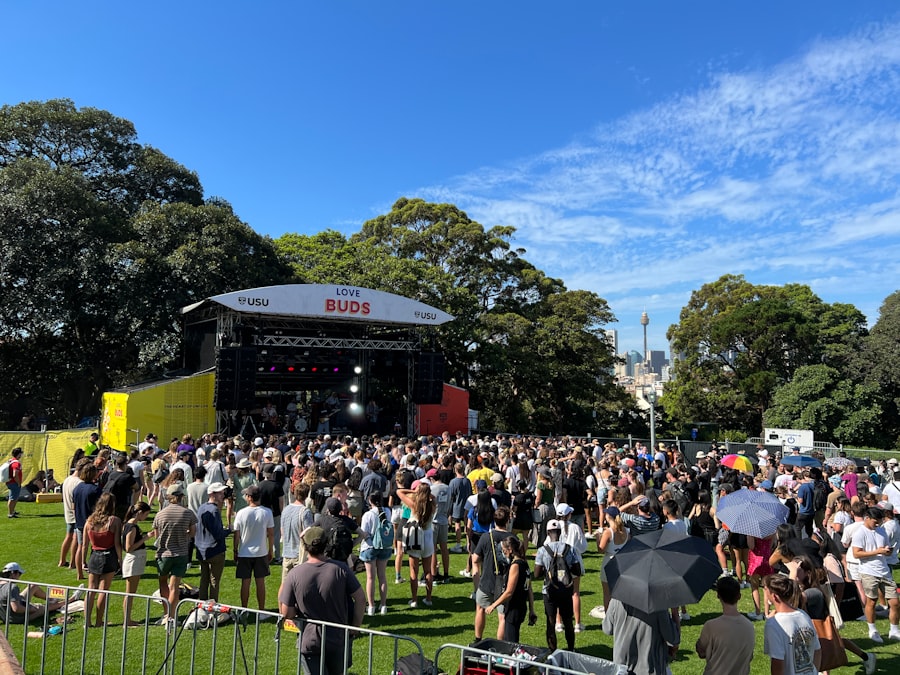
Experiential marketing is a strategy that focuses on creating memorable experiences for consumers rather than simply promoting products or services. This approach is particularly effective in generating FOMO because it immerses consumers in an environment where they can engage with a brand on a deeper level. By crafting unique and interactive experiences, brands can evoke emotions and create lasting memories that consumers associate with their products.
For instance, a pop-up event that allows attendees to interact with a brand’s offerings can generate excitement and anticipation, leading to a fear of missing out among those who are not present. One notable example of experiential marketing creating FOMO is the annual Coachella music festival. The festival has become synonymous with exclusivity and high-profile performances, drawing massive crowds and extensive media coverage.
The carefully curated lineup, combined with the festival’s picturesque setting, creates an atmosphere that many aspire to experience. As attendees share their experiences on social media, those who are not present may feel an acute sense of FOMO, prompting them to seek out similar experiences in the future or to attend the festival the following year.
Leveraging Social Proof to Amplify FOMO


Social proof is a psychological phenomenon where individuals look to the actions and behaviors of others to determine their own. In the context of FOMO marketing, social proof can be a powerful tool for brands seeking to amplify feelings of urgency and desire among potential customers. When consumers see their peers engaging with a brand or participating in an event, it can validate their interest and encourage them to join in.
This is particularly effective in the age of social media, where likes, shares, and comments serve as indicators of popularity and desirability. For example, consider a limited-edition sneaker release. When sneaker enthusiasts see influencers and celebrities flaunting these exclusive shoes on social media, it creates a buzz that can lead to heightened demand.
The visibility of these endorsements acts as social proof, suggesting that owning these sneakers is not only desirable but also a status symbol within certain communities. As more people share their excitement about the release, those who have not yet secured a pair may feel compelled to act quickly to avoid missing out on what has become a coveted item.
Using Scarcity and Exclusivity to Drive FOMO
Scarcity and exclusivity are two powerful concepts that can significantly enhance FOMO in marketing campaigns. Scarcity refers to the perception that a product or experience is limited in availability, while exclusivity implies that access is restricted to a select group of individuals. Both tactics can create a sense of urgency that drives consumers to act quickly for fear of losing out on something special.
A prime example of this strategy can be seen in the luxury fashion industry. Brands like Supreme have mastered the art of scarcity by releasing limited quantities of their products, often resulting in long lines and frenzied demand. The knowledge that only a select few will be able to purchase these items creates an intense desire among consumers who want to be part of an exclusive club.
This tactic not only drives sales but also fosters a community around the brand, as those who manage to secure coveted items often share their experiences online, further amplifying FOMO among those who were unable to purchase.
Designing Memorable and Shareable Experiences
Creating memorable and shareable experiences is essential for brands looking to capitalize on FOMO. When consumers have an experience that resonates with them emotionally, they are more likely to share it with their networks, further spreading awareness and generating interest among potential customers. This sharing behavior can create a ripple effect, where one person’s experience inspires others to seek out similar opportunities.
For instance, brands like Airbnb have successfully designed unique travel experiences that encourage sharing. By offering distinctive accommodations—such as treehouses or castles—Airbnb not only provides travelers with memorable stays but also encourages them to document and share their experiences on social media platforms. This sharing creates a sense of FOMO among those who see these posts, prompting them to consider booking their own unique getaway through Airbnb.
Harnessing the Influence of Influencers in FOMO Marketing

The Power of Influencers
Influencers possess the ability to reach large audiences and shape perceptions about products and experiences. When they showcase their participation in exclusive events or highlight limited-edition products, they can effectively generate excitement and urgency among their followers.
Exclusive Events and Product Launches
A notable example is the collaboration between fashion brands and popular influencers during product launches or fashion weeks. When influencers attend these events and share behind-the-scenes content or exclusive previews with their followers, it creates an aura of exclusivity around the brand.
Creating a Sense of Belonging
Followers may feel compelled to engage with the brand or attend similar events themselves, driven by the desire to be part of the influencer’s world and experience what they perceive as unique opportunities.
Creating Urgency and Anticipation in FOMO Campaigns
Urgency is a critical component of FOMO marketing campaigns. By instilling a sense of time sensitivity, brands can encourage consumers to act quickly before an opportunity slips away. This can be achieved through limited-time offers, countdown timers, or exclusive access periods that create anticipation among potential customers.
For example, e-commerce platforms often employ flash sales or limited-time discounts to drive urgency. When consumers see that a product is available at a reduced price for only a short period, it triggers a fear of missing out on savings as well as the product itself. This tactic not only boosts sales but also fosters a sense of excitement around the brand as consumers eagerly await future promotions.
The Role of Emotional Triggers in FOMO Marketing
Emotional triggers play a significant role in FOMO marketing by tapping into consumers’ feelings and desires.
Brands that understand how to evoke emotions such as joy, nostalgia, or even envy can create powerful connections with their audience.
These emotional responses can amplify feelings of FOMO, driving consumers to seek out experiences or products that resonate with them on a deeper level.
For instance, consider a campaign centered around childhood memories—such as a nostalgic food brand reintroducing a beloved snack from the past.
By evoking feelings of nostalgia, the brand can create an emotional connection with consumers who fondly remember enjoying that snack during their youth. As these consumers share their memories online, it generates buzz around the product and creates FOMO among those who may not have experienced it before.
Measuring the Impact of FOMO in Experiential Marketing
Measuring the impact of FOMO in experiential marketing requires a multifaceted approach that considers both quantitative and qualitative metrics. Brands can track engagement levels through social media interactions, website traffic spikes during campaigns, and sales data following experiential events. Additionally, qualitative feedback from participants can provide insights into how effectively FOMO was generated and whether it influenced their purchasing decisions.
For example, post-event surveys can gauge attendees’ feelings about exclusivity and urgency during an experiential marketing campaign. Analyzing this feedback alongside sales data can help brands understand the correlation between FOMO-driven marketing efforts and consumer behavior. By continuously refining their strategies based on these insights, brands can enhance their ability to create impactful FOMO experiences in future campaigns.
Ethical Considerations in FOMO Marketing
While leveraging FOMO can be an effective marketing strategy, it also raises ethical considerations that brands must navigate carefully. Manipulating consumers’ emotions for profit can lead to feelings of guilt or regret if individuals feel pressured into making purchases they may not genuinely want or need. Brands must strike a balance between creating excitement and maintaining transparency about their offerings.
Moreover, ethical concerns arise when brands exploit vulnerable populations who may be more susceptible to FOMO-driven tactics. For instance, targeting young consumers who are still developing their self-identity through social media can lead to negative consequences if they feel inadequate due to perceived social pressures. Brands should prioritize responsible marketing practices that foster positive relationships with their audience while still effectively utilizing FOMO as part of their strategy.
Case Studies: Successful FOMO Campaigns in Experiential Marketing
Several brands have successfully harnessed FOMO through innovative experiential marketing campaigns that resonate with consumers on multiple levels. One notable case is Nike’s “The Last Dance” campaign surrounding Michael Jordan’s documentary series. By creating exclusive viewing parties and merchandise tied to the series’ release, Nike generated significant buzz among basketball fans and collectors alike.
The limited availability of merchandise created urgency among fans eager to own a piece of history. Another compelling example is Glossier’s pop-up shops that offer exclusive products only available at those locations. By creating immersive environments where customers can engage with the brand while also providing limited-edition items for purchase, Glossier effectively generates FOMO among beauty enthusiasts who want access to unique offerings before they disappear.
These case studies illustrate how brands can effectively leverage FOMO through experiential marketing strategies that resonate with consumers’ emotions while fostering community engagement and excitement around their offerings.
In a related article on essential lessons for tech entrepreneurs, the focus is on the importance of creating innovative and engaging experiences for customers. Just like in experiential marketing, tech entrepreneurs must understand the psychology of their target audience and create can’t-miss moments that leave a lasting impression. By incorporating these essential lessons into their business strategies, tech entrepreneurs can effectively capture the attention and loyalty of their customers in a competitive market.