


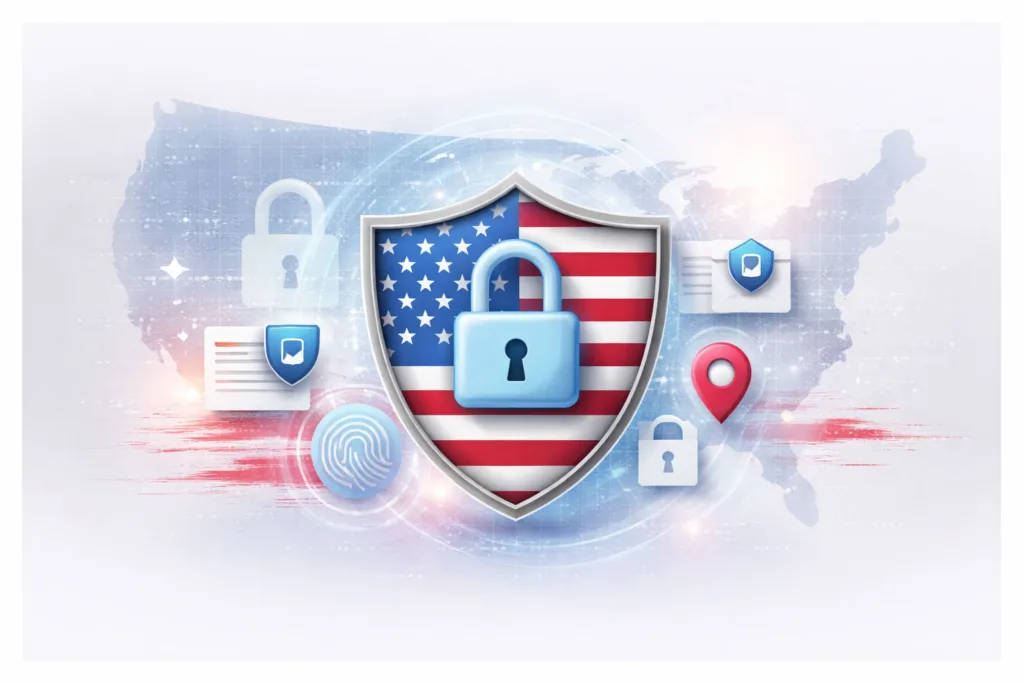
You navigate an increasingly digital world, a landscape where your personal information is both a valuable commodity and a potential vulnerability. Understanding how your data is collected, used, and protected in the United States is no longer a niche concern; it is a fundamental aspect of digital citizenship. This guide provides an overview of your data privacy rights and the tools at your disposal to exert control over your digital footprint.
The United States does not possess a single, overarching federal privacy law akin to Europe’s General Data Protection Regulation (GDPR). Instead, its privacy framework is a patchwork of sector-specific laws, state-specific regulations, and industry self-regulation. This fragmented approach demands a more nuanced understanding of your rights, depending on the type of data involved and where you reside.
Understanding Federal Privacy Statutes
Various federal laws address specific categories of personal data, offering targeted protections. These laws often predate the widespread adoption of the internet and digital data collection, yet they continue to form a critical part of the privacy ecosystem.
Health Information Portability and Accountability Act (HIPAA)
HIPAA protects your medical information. It sets national standards for the privacy and security of protected health information (PHI) by covered entities, which include health plans, healthcare clearinghouses, and healthcare providers. You have rights under HIPAA to access your medical records, request corrections, and be informed about how your information is used and shared. Covered entities are obligated to notify you of data breaches involving your PHI. Enforcement of HIPAA is handled by the Office for Civil Rights (OCR) within the Department of Health and Human Services.
Gramm-Leach-Bliley Act (GLBA)
GLBA regulates the privacy of financial information. It requires financial institutions – companies that offer consumers financial products or services like loans, financial or investment advice, or insurance – to explain their information-sharing practices to their customers and to safeguard sensitive data. This law mandates that these institutions provide customers with a privacy notice explaining what information they collect, where it is shared, and how it is protected. It also requires them to offer customers the option to opt out of certain information sharing with nonaffiliated third parties. The Federal Trade Commission (FTC) and other financial regulators enforce GLBA.
Children’s Online Privacy Protection Act (COPPA)
COPPA addresses the online collection of personal information from children under 13. It requires websites and online services directed at children, or those with actual knowledge that they are collecting personal information from children under 13, to obtain verifiable parental consent before collecting such data. This includes names, addresses, online contact information, screen names, and persistent identifiers that can be used to recognize a user over time and across different websites or online services. COPPA aims to ensure that parents retain control over their children’s online privacy. The FTC is the primary enforcer of COPPA.
Family Educational Rights and Privacy Act (FERPA)
FERPA protects the privacy of student educational records. It grants parents certain rights with respect to their children’s education records until the child turns 18 or attends a postsecondary institution. At that point, the rights transfer to the student. These rights include inspecting and reviewing education records, requesting amendments to records they believe to be inaccurate or misleading, and controlling the disclosure of personally identifiable information from education records. Educational institutions must balance these rights with their need to share information for legitimate educational purposes.
State-Level Privacy Regulations
While federal laws address specific sectors, several states have enacted comprehensive privacy laws that grant broader rights to their residents, mirroring aspects of the GDPR. These laws represent a significant shift in the US privacy landscape, emphasizing consumer rights and corporate accountability.
California Consumer Privacy Act (CCPA) and California Privacy Rights Act (CPRA)
The CCPA, and its successor, the CPRA, provide California residents with extensive privacy rights. You have the right to know what personal information businesses collect about you, to access that information, to request its deletion, and to opt out of the sale or sharing of your personal information. The CPRA expanded these rights to include the right to correct inaccurate personal information and to limit the use and disclosure of sensitive personal information. It also established the California Privacy Protection Agency (CPPA) to enforce these laws. Businesses subject to these laws generally include those that do business in California and meet certain revenue thresholds or process a significant amount of consumer data.
Virginia Consumer Data Protection Act (VCDPA)
The VCDPA grants Virginia residents rights similar to those in California, including the right to access, delete, and correct personal data, and to opt out of the sale of personal data or its use for targeted advertising. It imposes obligations on businesses to conduct data protection assessments and to provide clear privacy notices. The VCDPA applies to businesses that conduct business in Virginia or produce products or services targeted to Virginia residents and meet certain thresholds related to the number of consumers or the volume of personal data processed.
Colorado Privacy Act (CPA)
The CPA provides Colorado residents with rights concerning their personal data, including the right to access, correct, delete, and opt out of the sale of personal data or its use for targeted advertising. It places obligations on businesses to minimize data collection, conduct data protection assessments, and implement reasonable security practices. The CPA applies to businesses that conduct business in Colorado or produce products or services targeted to Colorado residents and meet specified thresholds for processing personal data or deriving revenue from the sale of personal data.
For those interested in understanding the broader implications of data privacy in the context of emerging technologies, the article on unleashing the power of generative AI for strategic decision-making offers valuable insights. It explores how organizations can leverage AI while navigating the complexities of data privacy regulations. You can read more about this topic in the related article here: Unleashing the Power of Generative AI for Strategic Decision Making.
Understanding Data Collection and Usage Practices
To effectively manage your data privacy, you must understand how your information is collected and subsequently used by various entities. This involves recognizing the mechanisms of data collection and the purposes for which your data is processed.
How Your Data is Collected
Your data is collected through various channels, often without your direct, explicit action. The pervasive nature of digital interaction means information capture occurs frequently and in diverse contexts.
Direct Data Collection
This occurs when you knowingly provide information to a service or organization. Examples include filling out online forms, creating accounts on websites, subscribing to newsletters, making online purchases, or interacting with customer support. The information provided can range from your name and email address to your payment details and demographic information. You generally have some awareness that you are providing this data.
Indirect Data Collection
This form of collection is often less apparent to you. It occurs through your online activities and the use of technology.
Cookies and Tracking Technologies
Websites use cookies – small text files stored on your device – to remember your preferences, keep you logged in, and track your browsing activity across different sites. Third-party cookies, placed by domains other than the one you visit, are frequently used by advertisers to build profiles of your online behavior for targeted advertising. Other tracking technologies include web beacons (tiny, invisible graphics that track website visits), pixels (tracking code that monitors user behavior), and device fingerprinting (collecting information about your device to create a unique identifier).
Behavioral Tracking
This involves monitoring your actions over time to build a profile of your interests, habits, and preferences. It extends beyond website visits to encompass your app usage, interaction with digital advertisements, and even your location data. Companies use this information to personalize content, recommend products, and deliver targeted advertising.
Social Media Monitoring
When you engage with social media platforms, your posts, likes, shares, comments, and connections are collected. This data provides insights into your opinions, interests, and social networks. Companies may use this information for marketing, public relations, and even sentiment analysis. Even public posts can be scraped and analyzed by third parties.
Purposes of Data Usage
Businesses collect data for a variety of reasons, many of which are legitimate operational functions, while others are driven by commercial interests.
Service Provision and Improvement
Companies use your data to deliver the services you’ve requested. This includes processing transactions, providing customer support, troubleshooting issues, and managing your account. They also analyze usage patterns to identify areas for improvement in their products and services, enhance user experience, and develop new features.
Marketing and Advertising
Your data is a cornerstone of modern marketing. It enables businesses to personalize advertisements, ensuring that the promotions you see are relevant to your inferred interests. This can involve displaying ads for products you’ve viewed on other sites, or for categories of products you frequently purchase. Data is also used for retargeting, where ads for a product you considered but did not buy subsequently appear on other websites.
Analytics and Research
Businesses analyze aggregate and anonymized data to understand trends, segment customer bases, and inform strategic decisions. This can include market research, product development insights, and operational efficiency improvements. Although this data is often de-identified, the initial collection often involves your personal information.
Legal and Security Compliance
Companies are required to collect and retain certain data to comply with legal obligations, such as tax laws or regulations related to financial transactions. They also use data for security purposes, to detect and prevent fraud, unauthorized access, and other malicious activities. This includes monitoring network traffic and user behavior for anomalies.
Exercising Your Data Privacy Rights

You possess distinct rights concerning your personal data. Understanding and exercising these rights is a proactive step toward managing your digital privacy.
Accessing Your Data
Under various state laws, you have the right to request access to the personal information that a business has collected about you. This includes categories of data, specific pieces of data, and the sources from which the data was collected.
Requesting a Copy of Your Data
Most comprehensive state privacy laws mandate that businesses provide you with a copy of your personal data upon request, often in a portable and readily usable format. This allows you to review what information is held about you. Instructions for submitting such requests are typically found in a company’s privacy policy or on a dedicated privacy portal.
Procedure for Data Access Requests
You will generally need to submit a verifiable consumer request. This involves providing enough information to confirm your identity, such as your name, email address, or account information. Companies usually provide a web form, email address, or toll-free number for submitting these requests.
Deleting Your Data
Many privacy laws grant you the right to request the deletion of your personal information held by a business. This is not an absolute right; there are exceptions, such as when the data is necessary to complete a transaction, comply with a legal obligation, or address security incidents.
When and How to Request Deletion
You can request deletion when you no longer wish for a business to retain your data, particularly if you no longer use their services or object to their data retention practices. Similar to access requests, you will need to submit a verifiable consumer request through the business’s designated channels. You should review the company’s privacy policy for specific instructions and any limitations on deletion.
Opting Out of Data Sale and Sharing
A key aspect of many modern privacy laws is your right to opt out of the sale or, in some cases, the sharing of your personal information with third parties. This gives you control over whether your data contributes to broader commercial ecosystems.
Understanding “Sale” and “Sharing”
“Sale” means disclosing personal information to a third party for monetary or other valuable consideration. “Sharing” often refers to disclosing personal information for cross-context behavioral advertising, even if no money changes hands. Both activities can result in your data being used for targeted advertising or other commercial purposes beyond the immediate service you subscribed to.
Exercising Your Opt-Out Rights
Many websites provide a “Do Not Sell My Personal Information” or “Your Privacy Choices” link, often in the footer, that directs you to a tool or page to exercise your opt-out rights. You can also utilize global privacy controls, such as browser extensions or settings, that signal your opt-out preference to websites automatically.
Protecting Your Privacy Proactively

Beyond exercising your rights after data collection, you can take proactive steps to minimize your digital footprint and enhance your privacy before collection occurs.
Adjusting Privacy Settings
Most online services, from social media platforms to email providers, offer extensive privacy settings. Configuring these settings is a fundamental step in controlling your data.
Social Media Privacy Controls
Review and adjust the privacy settings on all your social media accounts. Limit who can see your posts, photos, and personal information. Control who can tag you, how your location data is used, and whether your activity is shared with third-party applications. Be mindful of public profiles and the information you voluntarily share.
Browser Privacy Settings
Your web browser offers numerous privacy-enhancing options. Utilize features like “Do Not Track” requests (though compliance is voluntary for websites), block third-party cookies, and regularly clear your browsing history and cache. Consider using privacy-focused browsers that incorporate built-in tracking protection.
Mobile Device Settings
Your smartphone or tablet collects significant amounts of data. Review app permissions and revoke access to features like your microphone, camera, or location if an app does not genuinely require it for its core functionality. Disable location tracking for apps that do not need it. Configure ad tracking settings to limit personalized advertising.
Minimizing Data Sharing
Reduce the amount of personal information you provide online and control the entities that receive it.
Limiting Voluntary Disclosure
Think critically before disclosing personal information on websites, forms, or public forums. Only provide essential information required for the service you are using. Avoid oversharing on social media. The less data you make available, the less there is to collect, share, or potentially compromise.
Using Privacy-Enhancing Technologies
Implement tools designed to enhance your online privacy.
Virtual Private Networks (VPNs)
A VPN encrypts your internet connection and routes it through a server operated by the VPN provider, masking your IP address and making your online activity more difficult to trace. This adds a layer of security and privacy, particularly when using public Wi-Fi networks.
Ad Blockers
Ad blockers prevent advertisements from loading on web pages, which often contain tracking scripts. By blocking ads, you reduce the opportunities for advertisers to collect data about your browsing habits.
Anonymous Browsing Modes
Incognito or private browsing modes prevent your browser from saving your history, cookies, and site data locally. While this does not make you anonymous to websites themselves, it prevents subsequent users of your device from seeing your browsing activity and some local tracking.
For those interested in understanding the complexities of data privacy in the United States, a related article on market research can provide valuable insights. This article explores the evolving landscape of consumer data protection and the implications for businesses. To learn more about these important issues, you can read the full piece on market research.
What to Do in Case of a Data Breach
| Privacy Regulation | Details |
|---|---|
| GDPR | General Data Protection Regulation applies to the processing of personal data of individuals in the European Union. |
| CCPA | California Consumer Privacy Act grants consumers the right to know, delete, and opt-out of the sale of their personal information. |
| HIPAA | Health Insurance Portability and Accountability Act sets the standard for sensitive patient data protection. |
| FTC Act | Federal Trade Commission Act prohibits unfair or deceptive acts or practices in commerce, including privacy violations. |
Despite your best efforts at prevention, data breaches are an unfortunate reality. Knowing how to respond effectively can mitigate the damage.
Understanding Data Breach Notifications
When a company experiences a data breach that affects your personal information, they are often legally obligated to notify you. These notifications provide crucial details about the incident.
Content of Breach Notifications
Breach notifications typically inform you about the type of data compromised (e.g., names, email addresses, social security numbers, financial account numbers), the date of the breach, the steps the company is taking to address it, and actions you should take to protect yourself. They also often include contact information for further inquiries.
Immediate Actions to Take
Your immediate response to a breach notification can significantly limit potential harm.
Changing Passwords
If your user credentials (username and password) were compromised in a breach, immediately change the password for that account and any other accounts where you used the same or a similar password. Use strong, unique passwords for each service, ideally generated and stored by a password manager.
Monitoring Financial Accounts and Credit Reports
If financial information or your social security number was exposed, regularly monitor your bank and credit card statements for any unauthorized activity. Obtain and review your credit reports from the three major credit bureaus (Equifax, Experian, TransUnion) to check for suspicious accounts opened in your name. You are entitled to a free credit report from each bureau annually.
Placing a Fraud Alert or Credit Freeze
Consider placing a fraud alert on your credit reports. This requires creditors to take extra steps to verify your identity before extending credit. If the breach involved highly sensitive information like your social security number, a credit freeze (also known as a security freeze) is a stronger measure. A credit freeze restricts access to your credit report, making it difficult for identity thieves to open new accounts in your name. You can temporarily lift the freeze if you need to apply for credit.
Reporting and Seeking Assistance
If you become a victim of identity theft as a result of a data breach, various resources are available to assist you.
Reporting to Law Enforcement and the FTC
Report identity theft to your local law enforcement agency. Additionally, file a report with the Federal Trade Commission (FTC) at IdentityTheft.gov. The FTC provides a personalized recovery plan, including pre-filled letters and forms, to guide you through the process of notifying businesses and credit bureaus.
Consumer Protection Agencies
State consumer protection agencies can also offer guidance and assistance regarding data breaches and identity theft. Each state typically has an agency dedicated to protecting consumer rights and addressing complaints.
Managing your data privacy in the US requires diligence and an understanding of a complex legal and technological environment. By grasping your rights, understanding data collection mechanisms, and implementing proactive protective measures, you can exert greater control over your digital identity and mitigate risks in the digital age.
FAQs
What is data privacy?
Data privacy refers to the protection of personal information and the right of individuals to have control over how their data is collected, used, and shared.
What laws regulate data privacy in the US?
In the US, data privacy is regulated by various laws, including the Health Insurance Portability and Accountability Act (HIPAA), the Gramm-Leach-Bliley Act (GLBA), the Children’s Online Privacy Protection Act (COPPA), and the California Consumer Privacy Act (CCPA), among others.
What are the key principles of data privacy?
The key principles of data privacy include transparency, consent, purpose limitation, data minimization, accuracy, storage limitation, integrity and confidentiality, and accountability.
How can individuals protect their data privacy?
Individuals can protect their data privacy by being cautious about sharing personal information online, using strong and unique passwords, enabling two-factor authentication, and regularly updating privacy settings on their devices and accounts.
What are the consequences of violating data privacy laws in the US?
Violating data privacy laws in the US can result in severe penalties, including fines, legal action, and reputational damage for businesses and organizations.