



The phenomenon of PlayStation servers going down is a recurring issue that has plagued gamers for years. These outages can occur for various reasons, ranging from routine maintenance to unexpected technical failures. When the servers are down, players are unable to access online features, including multiplayer modes, downloadable content, and even some single-player experiences that require an online connection.
This disruption can be particularly frustrating for those who have planned gaming sessions with friends or are in the midst of competitive play. The PlayStation Network (PSN) is a complex infrastructure that supports millions of users worldwide. It provides not only gaming services but also access to streaming media, social features, and digital storefronts.
When these servers experience downtime, it can lead to widespread disappointment among the gaming community. Understanding the underlying issues that lead to these outages is crucial for both gamers and the developers who maintain the network. The nature of online gaming means that any disruption can have a ripple effect, impacting not just individual players but entire communities.
Key Takeaways
- Playstation servers experienced a major outage, causing frustration for gamers.
- Gamers were disrupted in their online play and unable to access multiplayer features.
- Technical challenges such as server overload and maintenance issues were identified as causes of the outages.
- Playstation provided updates and support through social media and their website.
- Gamers turned to offline and single player games as alternative gaming options during the outage.
Impact on Gamers: Frustration and Disruption
The impact of server outages on gamers is profound and multifaceted. For many, gaming is not just a pastime; it is a significant part of their social lives and a source of relaxation and enjoyment. When servers go down, it disrupts not only their gaming experience but also their social interactions.
Friends who had planned to team up for a co-op mission or engage in competitive play find themselves unable to connect, leading to feelings of frustration and disappointment. This disruption can be particularly acute during peak gaming times, such as weekends or during the release of highly anticipated titles. Moreover, the emotional toll of server outages can extend beyond mere frustration.
Gamers often invest significant time and effort into their favorite titles, building characters, completing quests, and achieving milestones. When they are suddenly cut off from these experiences, it can feel like a loss of progress or even a loss of investment in the game itself. This sense of disconnection can lead to a broader disillusionment with the platform, prompting some players to seek alternatives or express their dissatisfaction through social media channels.
Technical Challenges: Causes of Server Outages
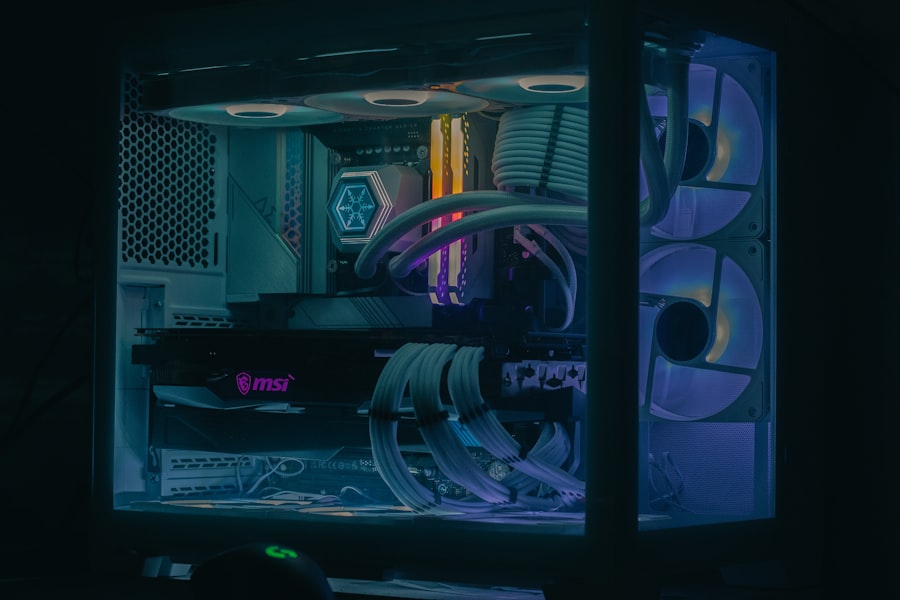
Understanding the technical challenges that lead to server outages requires a look into the complexities of network infrastructure. One common cause is server overload, which occurs when too many users attempt to access the network simultaneously. This situation can arise during major game releases or special events when player traffic spikes dramatically.
The servers may simply be unable to handle the volume of requests, leading to slowdowns or complete outages. Another significant factor contributing to server issues is cybersecurity threats. The PlayStation Network has been targeted by various cyberattacks over the years, including Distributed Denial of Service (DDoS) attacks that flood servers with excessive traffic, rendering them inoperable.
These attacks can be particularly damaging as they not only disrupt service but also compromise user data and trust in the platform. Additionally, routine maintenance and updates are necessary for keeping the network secure and functional; however, these processes can inadvertently lead to temporary outages if not executed properly.
Communication from Playstation: Updates and Support
| Date | Communication Type | Updates/Support |
|---|---|---|
| January 15, 2021 | Blog Post | PS5 System Software Update |
| February 10, 2021 | PS5 System Software Update 20.02-02.50.00 | |
| March 25, 2021 | Support Page | PS5 Troubleshooting Guide |
| April 30, 2021 | Forum Post | PS5 Controller Support for PC |
Effective communication from PlayStation during server outages is essential for maintaining user trust and satisfaction. When issues arise, gamers often turn to official channels for updates and support. PlayStation typically utilizes its social media platforms, official website, and community forums to inform users about ongoing issues and estimated resolution times.
Transparency in communication helps mitigate frustration by keeping players informed about what is happening and what steps are being taken to resolve the situation. In addition to providing updates, PlayStation also offers support options for users experiencing issues related to server outages. This support can include troubleshooting tips for connectivity problems or guidance on how to access offline features while waiting for the servers to come back online.
However, the effectiveness of this communication can vary; during significant outages, the volume of inquiries may overwhelm support teams, leading to delays in response times. Gamers often express their concerns on social media platforms, seeking reassurance and information from both PlayStation and fellow players.
Alternative Gaming Options: Offline and Single Player Games
When PlayStation servers go down, many gamers find themselves searching for alternative gaming options to fill the void left by disrupted online play. Offline games and single-player experiences become particularly appealing during these times. Titles that do not require an internet connection allow players to continue enjoying their gaming experience without interruption.
Classic games or those with rich narratives can provide hours of entertainment while waiting for server issues to be resolved. Moreover, this situation often encourages gamers to explore genres they may not typically engage with. For instance, role-playing games (RPGs) or story-driven adventures can offer immersive experiences that captivate players even without online interaction.
Additionally, many gamers take this opportunity to revisit older titles that they may have set aside in favor of newer releases. This exploration not only broadens their gaming horizons but also fosters a sense of nostalgia as they reconnect with beloved characters and stories.
Community Response: Social Media Reactions
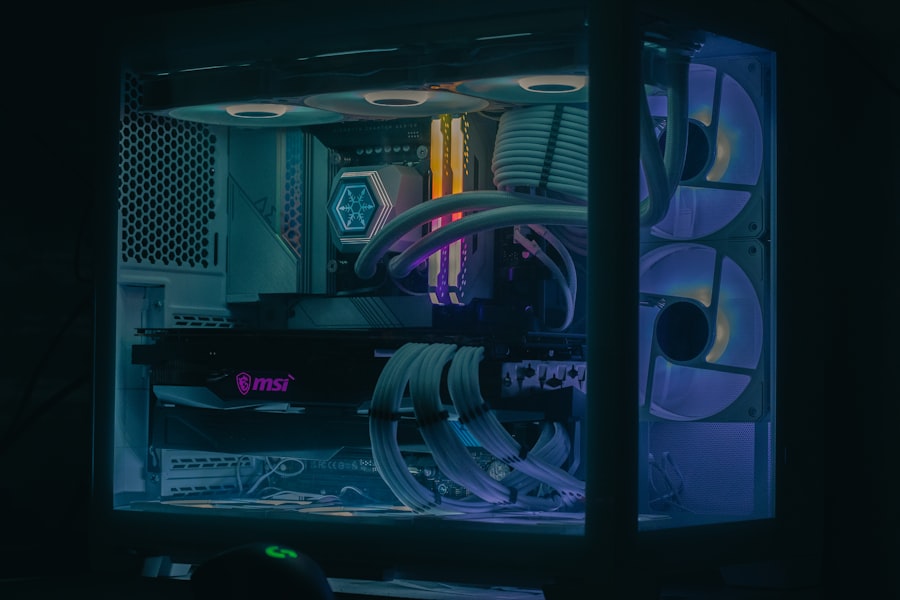
The community response to PlayStation server outages is often immediate and vocal, particularly on social media platforms like Twitter and Reddit. Gamers frequently take to these channels to express their frustrations, share memes, or seek advice from fellow players on how to cope with the downtime. The collective experience of server outages often leads to a sense of camaraderie among gamers as they share their stories and frustrations in real-time.
Social media also serves as a platform for players to voice their opinions on how PlayStation handles these outages. Some users may criticize the company for inadequate communication or prolonged downtime, while others may offer constructive feedback on how the situation could be improved in the future. This dialogue can sometimes lead to positive changes as companies take note of community sentiment and adjust their strategies accordingly.
The immediacy of social media allows for rapid dissemination of information and opinions, creating a dynamic environment where gamers can connect over shared experiences.
Long-Term Solutions: Preventing Future Server Outages
To prevent future server outages, PlayStation must invest in robust infrastructure and proactive measures that address both technical challenges and user needs. One potential solution involves scaling server capacity to accommodate peak traffic times more effectively. By anticipating high-demand periods—such as game launches or seasonal events—PlayStation can allocate additional resources to ensure that servers remain stable under heavy loads.
Furthermore, enhancing cybersecurity measures is crucial in safeguarding against potential attacks that could disrupt service. Implementing advanced threat detection systems and regularly updating security protocols can help mitigate risks associated with DDoS attacks and other cyber threats. Additionally, fostering a culture of transparency and open communication with users during outages will build trust within the community and encourage patience during challenging times.
Investing in user experience is another long-term solution that could alleviate some frustrations associated with server outages. By developing offline modes for popular multiplayer games or allowing players to access certain features without an internet connection, PlayStation can provide alternatives that keep gamers engaged even when servers are down.
Navigating Online Gaming Challenges
Navigating the challenges posed by PlayStation server outages requires understanding both the technical aspects behind these disruptions and the emotional impact they have on gamers. While these outages can be frustrating and disruptive, they also present opportunities for players to explore alternative gaming experiences and connect with their community through shared challenges. As PlayStation continues to evolve its infrastructure and communication strategies, there is hope for a more stable online gaming environment in the future.
The ongoing dialogue between gamers and developers will play a crucial role in shaping how these challenges are addressed moving forward. By prioritizing user experience and investing in long-term solutions, PlayStation can work towards minimizing disruptions while fostering a loyal community that feels heard and valued during times of uncertainty.
