


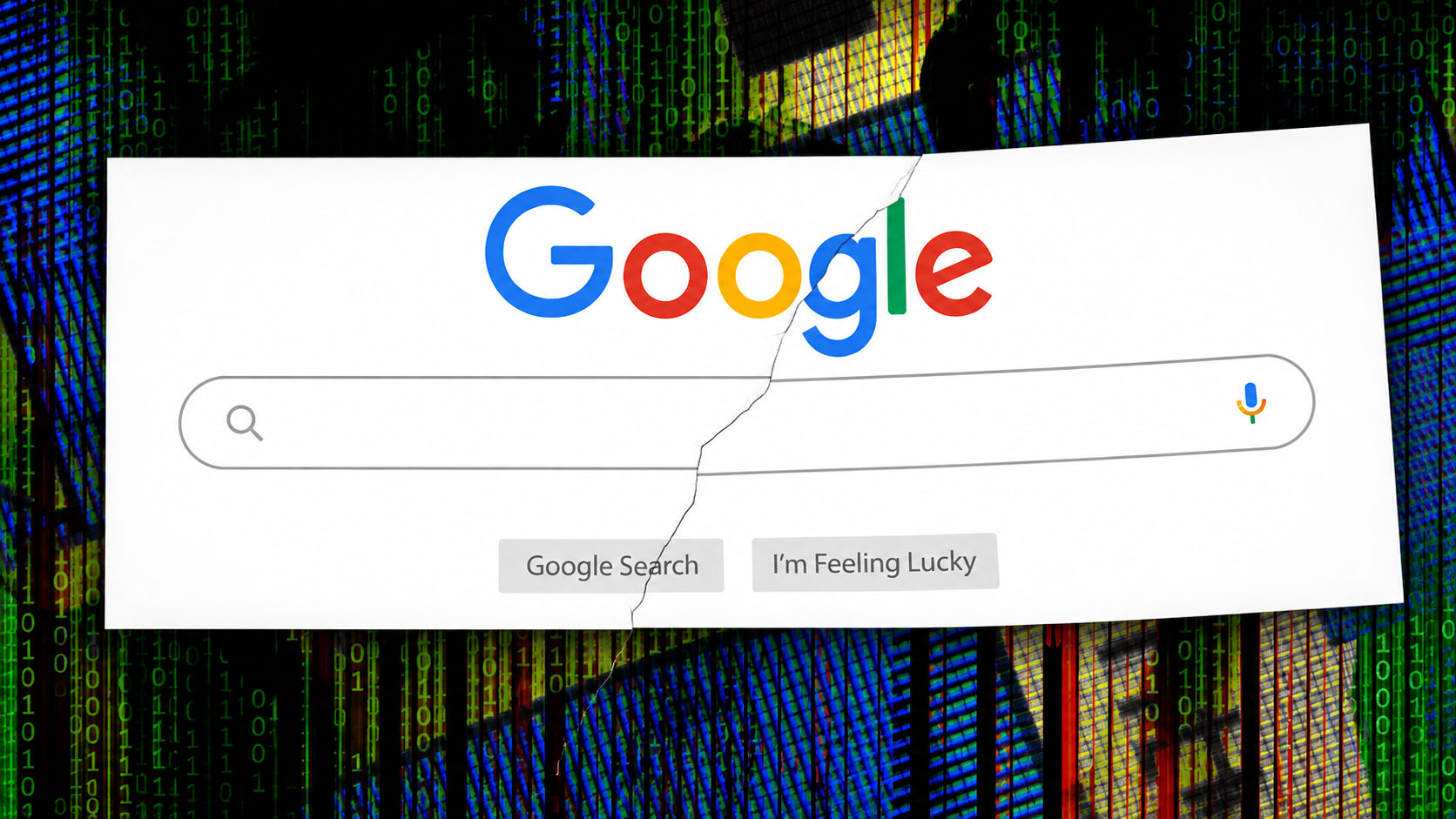
You may have noticed that Google Search has become synonymous with online searching. With its vast database and sophisticated algorithms, Google has established itself as the go-to platform for billions of users worldwide. Its dominance is not merely a result of effective marketing; it stems from a relentless commitment to improving user experience. You rely on Google for everything from finding recipes to conducting academic research, and its ability to deliver relevant results in mere seconds has set a high standard for what you expect from any search engine.
However, this dominance raises questions about the implications of relying so heavily on a single platform. While Google has made information more accessible than ever, it also wields significant power over what information is prioritized and how it is presented. As you navigate the digital landscape, it’s essential to consider the broader implications of this reliance on Google Search and how it shapes your understanding of the world.
In the discussion surrounding the transformative impact of AI on digital landscapes, the article “Decoupling Content for True Omnichannel Digital Experiences with Headless CMS Tools” offers valuable insights into how businesses can adapt to the evolving nature of content delivery and user engagement. As we explore the implications of “The End of Google Search—and the Internet—as We Know It,” it becomes clear that leveraging headless CMS tools can be crucial for organizations aiming to thrive in a future where traditional search paradigms may no longer dominate. For more information, you can read the article here: Decoupling Content for True Omnichannel Digital Experiences with Headless CMS Tools.
The rise of alternative search engines
In recent years, you may have noticed a growing interest in alternative search engines. Platforms like DuckDuckGo, Bing, and Ecosia are gaining traction as users seek options that prioritize privacy, sustainability, or simply a different approach to search. These alternatives offer unique features that appeal to specific user needs, allowing you to explore options beyond the familiar Google interface. For instance, DuckDuckGo emphasizes user privacy by not tracking your searches or personal data, which can be particularly appealing in an age where data security is a growing concern.
Moreover, the rise of these alternative search engines reflects a broader desire for diversity in the digital ecosystem. You might find that exploring these platforms not only provides different search results but also encourages you to think critically about the information you consume. By diversifying your search habits, you can gain access to perspectives and resources that may be overlooked by mainstream platforms, enriching your overall online experience.
The impact of social media on search behavior
Social media has fundamentally altered how you approach searching for information. Platforms like Facebook, Twitter, and Instagram have become valuable sources of news and insights, often serving as your first point of contact for trending topics or breaking news. This shift means that you may increasingly rely on social media for information rather than traditional search engines. The immediacy and interactivity of social media allow you to engage with content in real-time, making it a dynamic complement to your search habits.
Additionally, social media influences your search behavior by shaping your preferences and interests. Algorithms curate content based on your interactions, leading you to discover new topics and ideas that you might not have encountered through traditional search methods. As you scroll through your feeds, you may find yourself drawn to specific themes or discussions that prompt further exploration. This interconnectedness between social media and search behavior highlights the evolving landscape of information consumption and the need for adaptability in how you seek knowledge.

The role of artificial intelligence in search technology
Artificial intelligence (AI) is revolutionizing search technology in ways that directly impact your experience as a user. AI algorithms analyze vast amounts of data to understand context, intent, and relevance, allowing search engines to deliver increasingly accurate results tailored to your needs. When you type a query into a search bar, AI works behind the scenes to interpret your request and provide results that align with your expectations. This technology not only enhances the efficiency of searches but also improves the overall quality of information you receive.
Moreover, AI-driven features such as predictive text and personalized recommendations further streamline your search experience. As you type, suggestions appear based on your previous searches and common queries, saving you time and effort. This level of personalization means that the more you use a search engine, the better it becomes at understanding your preferences. However, this reliance on AI also raises questions about bias and transparency in search results, prompting you to consider how much control you truly have over the information presented to you.
In exploring the implications of The End of Google Search—and the Internet—as We Know It, one might find it insightful to consider how personalized experiences are shaping user engagement online. A related article discusses the importance of creating seamless email journeys and website personalization, which can significantly enhance how users interact with digital content. For more on this topic, you can read about it here. This connection highlights the evolving landscape of the internet and the need for businesses to adapt to these changes.

The emergence of voice search and virtual assistants
| Metrics | Data |
|---|---|
| Number of Google Searches per Day | 5.6 billion |
| Percentage of Mobile Searches on Google | 60% |
| Estimated Google’s Market Share in Search | 92% |
| Projected Impact on Businesses | Loss of organic traffic and potential revenue |
| Expected Changes in SEO Strategies | Shift towards alternative search engines and platforms |
The advent of voice search and virtual assistants has transformed how you interact with technology. Devices like Amazon’s Alexa, Apple’s Siri, and Google Assistant allow you to conduct searches using natural language, making the process more intuitive and accessible. Instead of typing out queries, you can simply ask questions aloud, which can be particularly convenient when multitasking or on the go. This shift towards voice-activated searches reflects a broader trend toward hands-free technology that prioritizes ease of use.
As voice search becomes more prevalent, it also influences the way information is structured online. You may notice that websites are increasingly optimized for voice queries, focusing on concise answers that can be easily understood by virtual assistants. This evolution challenges traditional SEO practices and encourages content creators to think differently about how they present information. As a result, your search experience is becoming more conversational and user-friendly, paving the way for a future where voice interactions dominate.
In exploring the implications of the evolving digital landscape, one might find it insightful to read an article on effective leadership skills that discusses how leaders can adapt to rapid technological changes. This piece emphasizes the importance of staying ahead in a world where traditional methods, like Google Search, may soon become obsolete. For further insights, you can check out the article on effective leadership skills that complements the themes presented in The End of Google Search—and the Internet—as We Know It.
The influence of personalized and localized search results
Personalization has become a cornerstone of modern search engines, tailoring results based on your location, preferences, and past behavior. When you conduct a search, algorithms analyze various factors to deliver results that are most relevant to you. This means that two users searching for the same term may receive entirely different results based on their individual profiles. While this personalization enhances your experience by providing more relevant information, it also raises concerns about echo chambers and limited perspectives.
Localized search results further refine this personalization by considering your geographic location. When searching for services or products nearby, you benefit from results that prioritize local businesses and resources. This feature not only supports local economies but also makes it easier for you to find what you need quickly. However, it’s essential to remain aware of how these personalized experiences can shape your worldview and limit exposure to diverse viewpoints.
The integration of e-commerce and search
The integration of e-commerce into search engines has transformed how you shop online. Platforms like Google have developed features that allow you to browse products directly from search results, streamlining the shopping experience. When you search for an item, you can often view prices, reviews, and availability without needing to navigate away from the search page. This seamless integration makes it easier for you to make informed purchasing decisions while saving time.
Moreover, this shift towards e-commerce within search engines reflects changing consumer behavior. You may find yourself increasingly relying on search engines not just for information but also for shopping needs. As a result, businesses are adapting their online strategies to optimize visibility within search results. This evolution creates a more competitive landscape where companies must prioritize their online presence to capture your attention in an ever-crowded marketplace.
The shift towards visual and image-based search
As technology continues to evolve, so does the way you engage with content online. Visual and image-based searches are gaining popularity as users seek more interactive ways to discover information. Platforms like Pinterest and Google Images allow you to conduct searches based on images rather than text alone, enabling a more visual exploration of ideas and products. This shift reflects a broader trend toward visual communication in an increasingly image-driven digital landscape.
You may find that visual searches enhance your ability to connect with content on a deeper level. For instance, when searching for fashion inspiration or home decor ideas, browsing through images can be more engaging than reading text-based descriptions. This trend encourages content creators to focus on high-quality visuals that capture attention and convey messages effectively. As visual searches become more prevalent, they will likely reshape how information is presented online.
The challenges of regulating and controlling search results
As the digital landscape evolves, so do the challenges associated with regulating and controlling search results. You may have noticed growing concerns about misinformation, bias, and manipulation within search engines. With so much power concentrated in platforms like Google, there is an ongoing debate about how to ensure fair access to information while preventing harmful content from spreading unchecked. This challenge requires careful consideration of ethical standards and accountability measures.
Moreover, as users become more aware of these issues, there is an increasing demand for transparency in how search algorithms operate. You may find yourself questioning why certain results appear at the top of your searches or whether they reflect a balanced perspective. This scrutiny highlights the need for ongoing dialogue between tech companies, regulators, and users like yourself to establish guidelines that promote fairness while preserving freedom of expression.
The future of search: decentralized and privacy-focused
Looking ahead, the future of search may lean towards decentralized and privacy-focused models as users seek alternatives to traditional platforms like Google. You might find yourself gravitating towards solutions that prioritize data security and user autonomy over corporate interests. Decentralized search engines aim to distribute power away from centralized entities, allowing users greater control over their data while fostering a more diverse range of perspectives.
This shift towards privacy-focused solutions reflects a growing awareness of data ethics among users like yourself. As concerns about surveillance capitalism continue to rise, there is an increasing demand for transparency in how personal information is collected and used. By embracing decentralized models, you can contribute to a digital ecosystem that values privacy while promoting diverse voices in the information landscape.
The implications of the end of Google Search
As we contemplate the future of search technology, it’s essential to consider the implications of potentially moving beyond Google Search as the dominant platform. While Google has undoubtedly transformed how we access information, its monopoly raises important questions about diversity, bias, and user agency in the digital realm. As alternative platforms emerge and new technologies reshape our interactions with information, you have an opportunity to redefine your relationship with search engines.
Ultimately, embracing this evolution means being proactive in seeking out diverse sources of information while advocating for transparency and ethical practices within the tech industry. By remaining engaged with emerging trends and exploring alternative options, you can contribute to a more equitable digital landscape that prioritizes user needs over corporate interests. The future of search holds exciting possibilities—one where your choices shape not only your experience but also the broader narrative of how we access knowledge in an increasingly interconnected world.
FAQs
1. What is the article “The End of Google Search—and the Internet—as We Know It” about?
The article discusses the potential impact of new technologies such as voice search, artificial intelligence, and virtual reality on the future of Google search and the internet.
2. How will these new technologies change Google search and the internet?
These new technologies are expected to shift the way people interact with the internet, moving from traditional text-based search to more immersive and interactive experiences, such as voice-activated search and virtual reality browsing.
3. What are the potential implications of these changes?
The article suggests that these changes could lead to a more personalized and intuitive internet experience, but also raise concerns about privacy, data security, and the potential for monopolistic control by tech giants.
4. How will businesses and marketers need to adapt to these changes?
Businesses and marketers will need to optimize their online presence for voice search, create more interactive and immersive content, and navigate new advertising and marketing opportunities in virtual reality environments.
5. What are some of the challenges and opportunities presented by these changes?
The article highlights the challenges of adapting to rapidly evolving technologies, as well as the potential for new business models, innovative user experiences, and the democratization of information access.
