


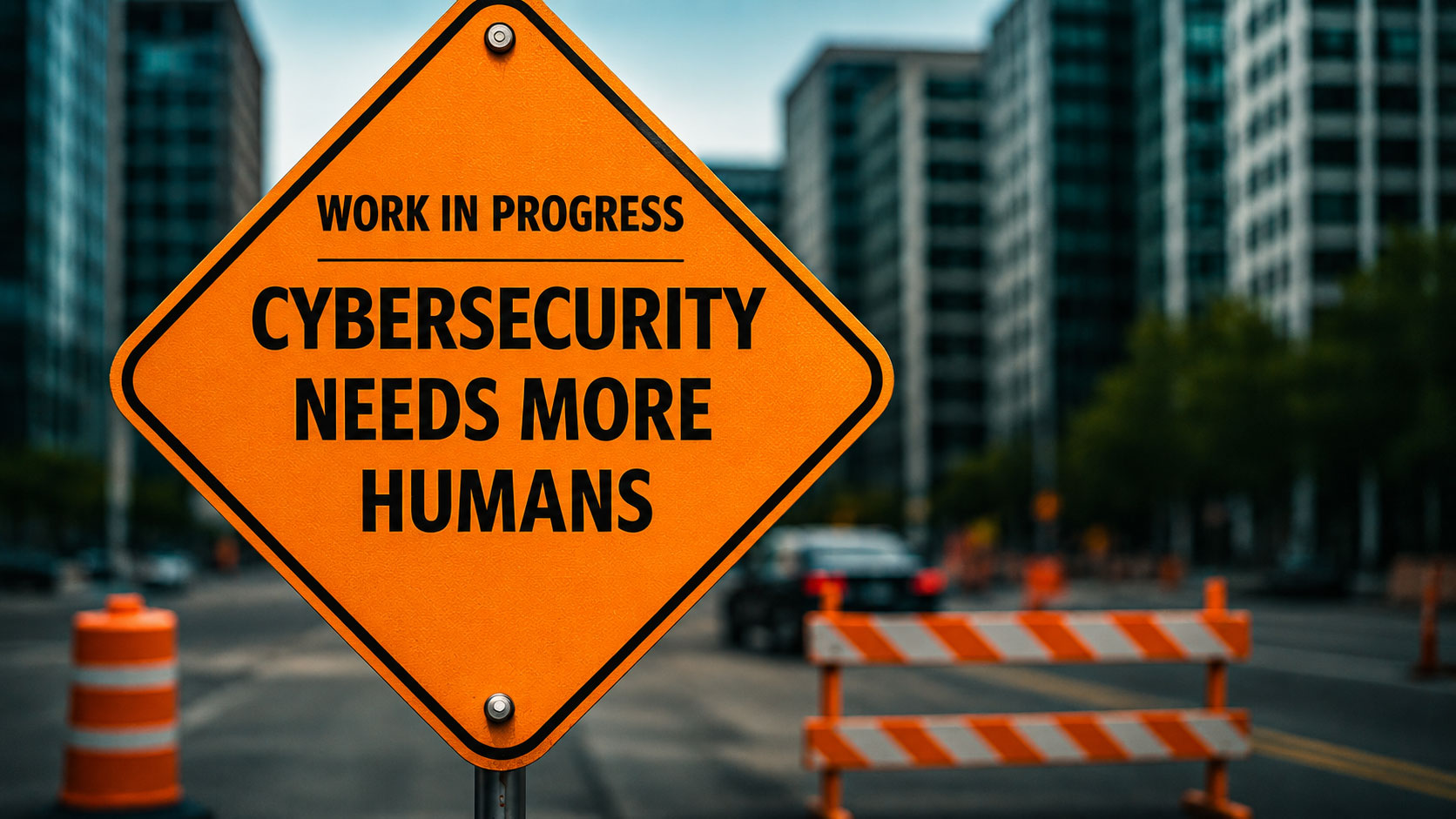
In the realm of cybersecurity, the human factor is often the most unpredictable element. While advanced technologies and sophisticated software solutions are essential for protecting sensitive data, it is ultimately the actions and decisions of individuals that can make or break a security strategy. You may find it surprising that a significant percentage of security breaches stem from human error rather than technical vulnerabilities. This reality underscores the importance of recognizing that cybersecurity is not solely a technical issue; it is fundamentally a human issue.
As you navigate the complexities of cybersecurity, it becomes clear that understanding human behavior is crucial. You might think of cybersecurity as a fortress built with firewalls and encryption, but without the vigilance and awareness of the people inside, that fortress can easily be compromised. The challenge lies in fostering a culture where every individual understands their role in maintaining security, thus transforming them from potential liabilities into active defenders of the organization’s digital assets.
While many discussions focus on the potential threats posed by artificial intelligence in the realm of cybersecurity, it’s essential to recognize that there are other pressing issues that demand attention. For instance, the rise of on-demand apps has introduced new vulnerabilities and challenges in data security that can often overshadow the concerns related to AI. To explore the technological implications of these instant service applications and their impact on cybersecurity, you can read more in this article: The Rise of On-Demand Apps: A Look at the Tech Behind Instant Service.
Common Human Errors in Cybersecurity
You may be surprised to learn that many cybersecurity incidents arise from seemingly innocuous human errors. One of the most common mistakes is the use of weak passwords. Despite repeated warnings about the importance of strong, unique passwords, many individuals still opt for easily guessable combinations. This oversight can lead to unauthorized access and data breaches, putting sensitive information at risk. You might think that a simple password change could solve this problem, but the challenge lies in changing behavior and instilling a sense of responsibility regarding password management.
Another prevalent error is falling victim to phishing attacks. These deceptive tactics often exploit your trust and curiosity, leading you to click on malicious links or provide sensitive information unwittingly. You may have encountered emails that appear legitimate but are designed to trick you into revealing personal data. The ease with which these attacks can occur highlights the need for heightened awareness and vigilance among all employees. Recognizing these common pitfalls is the first step toward creating a more secure environment.
Social Engineering and Cybersecurity
Social engineering represents one of the most insidious threats in cybersecurity, as it preys on human psychology rather than technical vulnerabilities. You might not realize how easily attackers can manipulate individuals into divulging confidential information or granting access to secure systems. By exploiting emotions such as fear, urgency, or curiosity, cybercriminals can craft convincing narratives that lead you to make hasty decisions without fully considering the consequences.
As you become more aware of social engineering tactics, it’s essential to understand that these attacks can take many forms, from phone calls to emails and even in-person interactions. You may encounter scenarios where someone impersonates a trusted colleague or authority figure, urging you to act quickly without verifying their identity. This highlights the importance of skepticism and verification in your daily interactions, as a moment of doubt could prevent a significant security breach.

The Importance of Cybersecurity Training for Employees
To combat the human factor in cybersecurity effectively, comprehensive training programs for employees are essential. You may wonder why training is necessary when technology can provide robust defenses. However, technology alone cannot account for the myriad ways individuals can inadvertently compromise security. By investing in regular training sessions, organizations empower you with the knowledge and skills needed to recognize threats and respond appropriately.
Training should not be a one-time event but rather an ongoing process that evolves with emerging threats. You might find it beneficial to participate in interactive workshops or simulations that mimic real-world scenarios, allowing you to practice identifying phishing attempts or responding to security incidents. This hands-on approach not only reinforces learning but also fosters a sense of ownership over cybersecurity practices within your organization.
While many discussions focus on the potential threats posed by artificial intelligence, it’s essential to recognize that AI isn’t the biggest cybersecurity problem we face today. Instead, issues such as outdated software and human error often present more significant vulnerabilities. For those interested in exploring how AI can be effectively utilized in various workflows, including cybersecurity, you might find this article on AI content workflows particularly insightful. It highlights the importance of leveraging AI for ideation and automation rather than solely for content generation, which can ultimately enhance security measures.

The Role of Human Behavior in Cybersecurity Breaches
“`html
| Data/Metric | Value |
|---|---|
| Number of cybersecurity incidents caused by human error | 75% |
| Percentage of data breaches caused by employee negligence | 60% |
| Cost of cybersecurity incidents caused by human error | 3.5 million |
| Number of phishing attacks targeting employees | 90% |
“`
Human behavior plays a pivotal role in cybersecurity breaches, often serving as the weakest link in an otherwise robust security framework. You may not realize how your daily habits and decisions can inadvertently expose your organization to risk. For instance, neglecting software updates or ignoring security alerts can create vulnerabilities that cybercriminals are eager to exploit. Understanding this connection between behavior and security is crucial for fostering a proactive mindset.
Moreover, the pressure of deadlines and workload can lead to shortcuts that compromise security protocols. You might find yourself in situations where you prioritize efficiency over caution, such as bypassing multi-factor authentication for convenience. Recognizing these tendencies is essential for cultivating a culture where security is viewed as an integral part of your work rather than an obstacle to productivity.
Addressing Insider Threats in Cybersecurity
Insider threats pose a unique challenge in cybersecurity, as they originate from within the organization itself. You may be surprised to learn that not all insider threats are malicious; sometimes, they stem from negligence or lack of awareness. Employees with access to sensitive information may inadvertently expose data through careless actions or poor judgment. This reality emphasizes the need for organizations to implement robust monitoring systems while also fostering an environment of trust and accountability.
To effectively address insider threats, organizations must strike a balance between security measures and employee autonomy. You might feel uncomfortable with constant surveillance, but understanding that monitoring is designed to protect both you and the organization can help alleviate concerns. Additionally, creating clear communication channels for reporting suspicious behavior encourages vigilance without fostering a culture of fear.
The Psychological Aspect of Cybersecurity
The psychological aspect of cybersecurity cannot be overlooked when considering how individuals interact with technology and security protocols. You may find it interesting that cognitive biases often influence decision-making processes related to security. For instance, the optimism bias may lead you to believe that cyberattacks won’t happen to you or your organization, resulting in complacency regarding security practices.
Furthermore, fear-based messaging can backfire if not handled carefully. While it’s essential to convey the seriousness of cybersecurity threats, overly alarming narratives can lead to desensitization or avoidance behaviors. Striking the right balance between raising awareness and fostering a positive security culture is crucial for encouraging proactive engagement with cybersecurity measures.
Building a Culture of Cybersecurity Awareness
Creating a culture of cybersecurity awareness requires commitment from both leadership and employees alike. You may wonder how this can be achieved within your organization. One effective approach is through open communication about cybersecurity policies and practices. When leadership prioritizes transparency and encourages dialogue about security concerns, it fosters an environment where everyone feels responsible for protecting sensitive information.
Additionally, recognizing and rewarding positive cybersecurity behaviors can reinforce this culture. You might appreciate initiatives that celebrate employees who demonstrate vigilance or report potential threats. By highlighting these actions, organizations can motivate others to adopt similar behaviors, ultimately strengthening the overall security posture.
Human-Centric Approaches to Cybersecurity
Adopting human-centric approaches to cybersecurity involves recognizing that technology alone cannot solve all security challenges; it must be complemented by an understanding of human behavior. You may find it beneficial to engage in user-centered design when developing security protocols and tools. This means considering how individuals interact with technology and designing systems that are intuitive and user-friendly.
Moreover, involving employees in the development of security policies can lead to greater buy-in and adherence. When you feel that your input is valued and considered, you are more likely to take ownership of security practices and contribute positively to the organization’s overall cybersecurity efforts.
The Future of Cybersecurity: Balancing Human and AI Capabilities
As technology continues to evolve, the future of cybersecurity will increasingly rely on a balance between human capabilities and artificial intelligence (AI). You may be curious about how AI can enhance cybersecurity efforts while still recognizing the irreplaceable value of human judgment and intuition. AI can analyze vast amounts of data at incredible speeds, identifying patterns and anomalies that may indicate potential threats.
However, it’s essential to remember that AI systems are only as effective as the data they are trained on and the humans who interpret their findings. You might find it reassuring to know that while AI can automate certain tasks, human oversight remains critical for making informed decisions based on context and nuance.
Emphasizing the Human Element in Cybersecurity
In conclusion, emphasizing the human element in cybersecurity is paramount for creating a secure digital environment. As you reflect on your role within your organization’s cybersecurity framework, consider how your actions and decisions contribute to overall security efforts. By recognizing common human errors, understanding social engineering tactics, and participating in ongoing training, you can become an active participant in safeguarding sensitive information.
Ultimately, fostering a culture of cybersecurity awareness requires collaboration between technology and people. As you embrace this dual approach—leveraging both human insight and technological advancements—you will be better equipped to navigate the ever-evolving landscape of cybersecurity challenges ahead. Remember, while technology plays a vital role in defense strategies, it is your awareness and vigilance that will truly make a difference in protecting against cyber threats.
FAQs
What is the biggest cybersecurity problem according to the article?
The article argues that people, rather than AI, are the biggest cybersecurity problem. It emphasizes that human error, negligence, and malicious intent pose a greater threat to cybersecurity than AI.
How do people contribute to cybersecurity problems?
People contribute to cybersecurity problems through actions such as falling for phishing scams, using weak passwords, neglecting software updates, and engaging in insider threats. These actions can lead to data breaches, system vulnerabilities, and other cybersecurity risks.
What role does AI play in cybersecurity?
AI plays a significant role in cybersecurity by helping to detect and respond to cyber threats. It can analyze large volumes of data, identify patterns, and automate certain security processes. However, the article suggests that AI is not the primary cybersecurity problem.
What are some examples of human-related cybersecurity incidents?
Examples of human-related cybersecurity incidents include employees falling for phishing emails and inadvertently disclosing sensitive information, individuals using easily guessable passwords, and insiders intentionally leaking confidential data or sabotaging systems.
How can organizations address the human factor in cybersecurity?
Organizations can address the human factor in cybersecurity by providing comprehensive training and education on cybersecurity best practices, implementing strong access controls and authentication measures, promoting a culture of security awareness, and regularly assessing and addressing human-related risks.
