


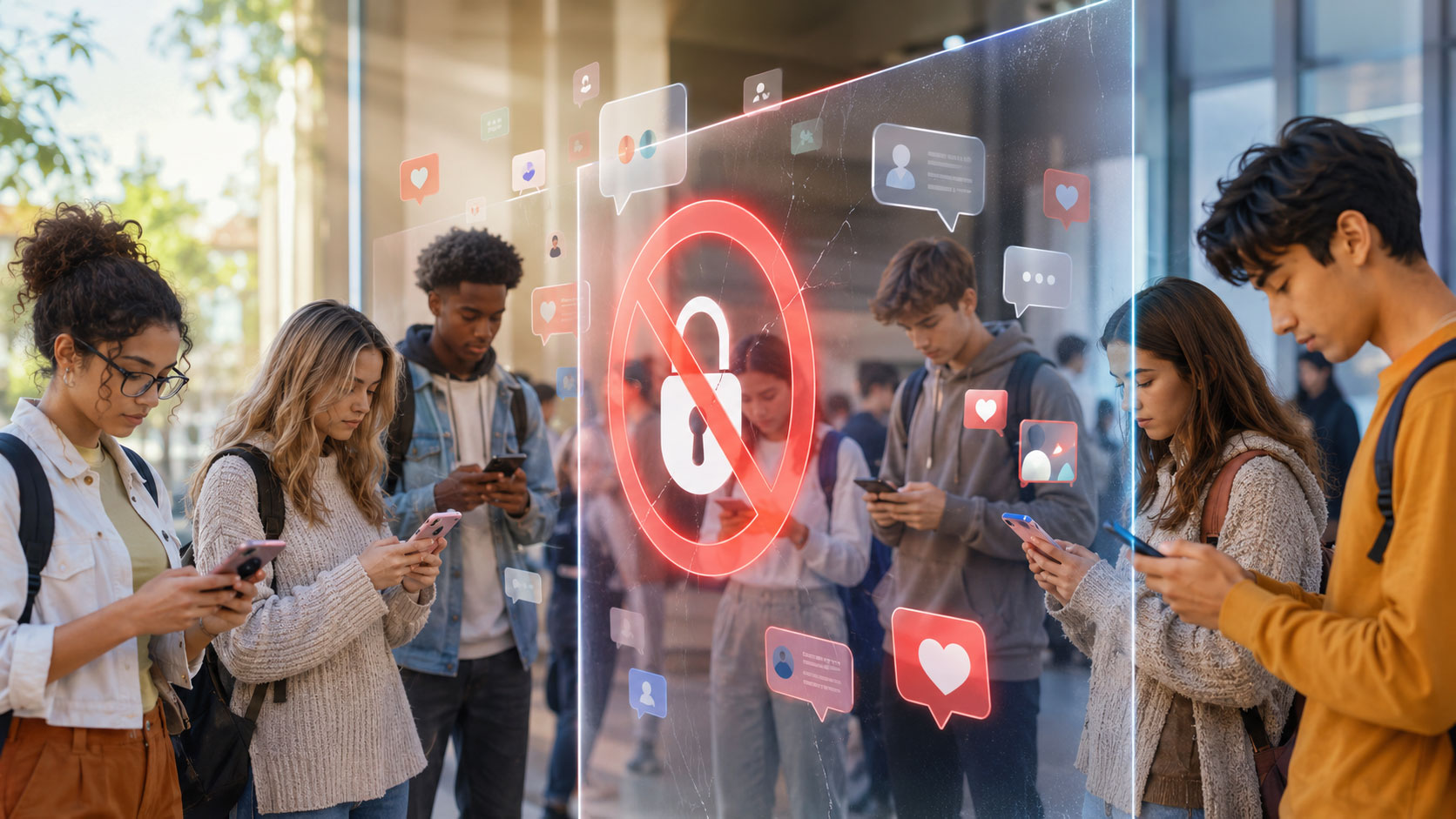
Imagine a world where your digital life, the one you’ve meticulously curated and lived so intimately, is suddenly severed. The constant hum of notifications silenced, the endless scroll halted. This is the reality you’d face if teenagers were banned from social media. It’s a concept that sparks fervent debate, igniting both widespread panic and cautious optimism. You’ve probably seen the headlines, heard the arguments, and perhaps even felt a pang of dread at the thought. This isn’t just a hypothetical scenario; it’s a conversation that’s gaining serious traction, and understanding its potential fallout is crucial.
The immediate and most visceral impact of a social media ban for you and your peers would be the severance of crucial connections. For so many of you, social media platforms are more than just entertainment; they are lifelines. They are the primary avenues for maintaining friendships, building communities, and staying informed. Imagine the silent dread of not seeing your friends’ updates, the missed inside jokes, the feeling of being out of the loop. This loss extends beyond casual interactions, impacting the very fabric of your social development.
The Erosion of Social Connection and Belonging
Think about how many of your friendships are nurtured online. Those quick DMs, shared memes, and real-time updates are the glue that holds many of your relationships together, especially for those who may struggle with in-person social skills.
The Digital “Water Cooler” and Its Importance
You might rely on platforms like Instagram, TikTok, or Snapchat to stay connected with friends who live far away, or even just those in different social circles. These digital spaces serve as your modern-day water cooler, a place for casual conversation, sharing experiences, and reinforcing bonds. Without it, maintaining these connections would become exponentially more difficult, potentially leading to feelings of isolation and loneliness.
The Amplification of FOMO (Fear Of Missing Out)
Paradoxically, while social media often fuels FOMO, its absence could create an even greater void. You’d still hear about events and gatherings, but without the direct visual or textual confirmation from your peers, the sense of being excluded could be amplified. This could lead to increased anxiety and insecurity, as you’re left to piece together social narratives without the direct clarity that social media often provides.
The Diminished Spaces for Niche Communities
Beyond your immediate friend group, social media provides vital spaces for you to connect with others who share your unique interests, hobbies, or identities. Whether you’re into obscure anime, a niche video game, or a specific social cause, there are communities online waiting to welcome you. A ban would dismantle these digital havens, forcing you to seek out these connections in the physical world, which can be challenging and time-consuming, especially in smaller towns or communities.
The Hurdle to Information and Education
Social media, despite its pitfalls, is a powerful tool for information dissemination. You learn about current events, discover new trends, and even engage in informal learning through these platforms. A ban would erect significant barriers to this flow of information, impacting your awareness and understanding of the world around you.
News and Current Events: A Filtered Reality
For many of you, social media is your primary source of news. While it’s essential to develop critical media literacy skills, banning access would mean relying on more traditional, and perhaps less immediate, news sources. This could lead to a delayed or incomplete understanding of unfolding events, potentially impacting your ability to form informed opinions.
The Rise of Informal Learning and Skill Acquisition
Think about all the tutorials you’ve watched on YouTube, the life hacks you’ve discovered on TikTok, or the study tips you’ve gleaned from Instagram infographics. These platforms offer a wealth of informal learning opportunities, often presented in engaging and accessible formats. A ban would abruptly halt this spontaneous skill acquisition, forcing you to actively seek out structured educational resources, which might not always be readily available or appealing.
The Loss of Social Activism and Awareness
You’ve likely engaged with social and political issues through social media. Campaigns, petitions, and awareness drives often gain significant traction online. Banning teens from these platforms would stifle your ability to participate in these movements, limiting your voice and your capacity to contribute to societal change. You might miss out on crucial information about causes you care about, and your ability to connect with like-minded activists would be severely curtailed.
Banning teens from social media would change the internet forever, as it would not only impact the way young people interact online but also influence the content and dynamics of digital platforms. A related article that explores the evolving landscape of technology and its implications for the workforce is available at Fast Learning Robots: How Generative AI is Creating a More Versatile Workforce. This piece delves into how advancements in AI are reshaping various industries, highlighting the broader implications of technological changes in our society.
The Silver Lining? Potential Psychological Benefits
While the idea of a ban conjures images of isolation, proponents often point to potential psychological benefits. The constant pressure to present a perfect image, the relentless comparison with others, and the fear of cyberbullying are significant stressors for many teens. Removing these elements could lead to a more balanced and positive mental state.
The Alleviation of Social Comparison and Envy
Scrolling through curated highlight reels can be a breeding ground for dissatisfaction. You see seemingly perfect lives, perfect bodies, and perfect achievements, leading to feelings of inadequacy and envy. A ban could offer a much-needed respite from this constant bombardment of idealized realities.
The Illusion of Perfect Lives
Platforms like Instagram often showcase only the best moments. You rarely see the messy realities, the struggles, or the mundane moments that make up genuine human experience. This can create an unrealistic standard for your own lives, fostering feelings of anxiety and self-doubt. Removing this constant comparison could allow you to embrace your own imperfections and appreciate your own journey.
The Competition for Likes and Validation
The relentless pursuit of likes, comments, and shares can become an unhealthy obsession. Your self-worth can become tied to your online engagement, leading to anxiety and a constant need for external validation. Banning social media could help you break free from this cycle and cultivate a stronger sense of intrinsic self-worth.
The Reduction of Cyberbullying and Online Harassment
The anonymity and distance afforded by online platforms can embolden individuals to engage in bullying and harassment. The impact of cyberbullying can be devastating, leading to severe emotional distress, anxiety, and even depression. A ban would effectively shield you from these harmful interactions.
The Shadow of the Keyboard Warrior
You’ve likely witnessed or experienced the sting of online insults, malicious gossip, and targeted harassment. These digital attacks can feel just as real and damaging as physical ones, leaving lasting emotional scars. Removing this avenue for abuse could create a safer and more supportive environment.
Protecting Vulnerable Teens
For teens who are already struggling with their mental health or social anxieties, cyberbullying can be particularly devastating. A ban could offer a crucial protective barrier against these harmful behaviors, allowing them to focus on healing and personal growth without the added burden of online aggression.
Banning teens from social media would change the internet forever, as it would not only alter the landscape of online interactions but also impact the way brands engage with younger audiences. For instance, a recent article discusses how interactive content, such as quizzes and polls, can significantly enhance user engagement and conversion rates. This shift in focus towards more engaging formats could be a direct response to the absence of teen users on social platforms, leading to a more mature and diverse online environment. To explore this concept further, you can read about it in the article on interactive content [here](https://www.wasifahmad.com/interactive-content-that-actually-converts-quizzes-polls-and-calculators/).
The Reclaiming of Time and Attention
Let’s be honest, social media can be a colossal time sink. Hours can disappear into the endless scroll, leaving you feeling like you’ve accomplished nothing. A ban would force you to confront where your time is going and potentially encourage you to engage in more productive or fulfilling activities.
The Endless Scroll and Its Deceptive Nature
The algorithms are designed to keep you hooked. The constant stream of new content, the fear of missing out, and the dopamine rush of notifications combine to create a powerful addictive loop. This can lead to significant procrastination and a feeling of being constantly distracted.
The Opportunity for Real-World Engagement
Imagine having extra hours in your day. What could you do with that time? Perhaps you’d pick up that guitar that’s gathering dust, spend more time outdoors, read those books on your shelf, or simply have more uninterrupted conversations with your family. A ban would open up a vast expanse of time for activities that contribute to your holistic development.
The Practical Challenges and Unintended Consequences
While the potential benefits are enticing, a complete ban on teen social media access presents a minefield of practical challenges and the very real possibility of unintended consequences. Governments and parents would face immense hurdles in enforcement, and the digital world, ever adaptable, would likely find new avenues for teen engagement, potentially in less regulated and even more dangerous forms.
Enforcement Nightmares and Parental Supervision
How would such a ban actually be enforced? Would it involve draconian measures like monitoring all online activity? The logistical and ethical implications are staggering.
The Digital Wild West and Age Verification
The internet is a vast and largely unregulated space. Implementing effective age verification on a global scale is an almost insurmountable challenge. Even if platforms attempted to comply, teens are notoriously adept at finding ways around restrictions.
The Burden on Parents and Guardians
Shifting the responsibility entirely to parents would place an enormous burden on them. Many parents already struggle with managing their children’s screen time and online safety, and a complete ban would require constant vigilance and technical expertise that many may not possess.
The Rise of Alternative, Potentially More Dangerous Platforms
If one door closes, another often opens, and in the digital realm, this can lead to less safe spaces. Banning mainstream platforms could push teens towards more clandestine and unregulated online environments.
The Underground Digital Economy
Teens seeking to connect and share would likely migrate to less visible forums, private messaging apps, or even darker corners of the internet where supervision is virtually non-existent. This could expose them to greater risks of exploitation, misinformation, and exposure to illegal content.
The Reinforcement of Existing Digital Divides
Access to technology and online resources is not uniform. A ban could disproportionately affect teens from lower socioeconomic backgrounds who may rely on social media for educational resources, job opportunities, or even just staying connected to a wider world they might otherwise be excluded from.
The Impact on Digital Literacy and Future Careers
Scoff all you want, but for many of you, social media has been a training ground. You’ve learned about online branding, content creation, and digital communication – skills that are increasingly valuable in today’s job market.
The Skills Gap Conundrum
Many modern careers require a degree of digital fluency. Banning teens from platforms where they naturally develop these skills could put them at a disadvantage when entering the workforce. They might lack the understanding of online etiquette, content marketing, or even basic digital networking.
The Stifling of Creativity and Innovation
Social media platforms encourage experimentation and creativity. You learn to express yourselves visually, through video, and through concise writing. This experimentation can be a crucial first step in developing innovative ideas and entrepreneurial ventures. A ban would amputate this crucial avenue for creative exploration.
The Nuanced Approach: Finding the Balance
A sweeping ban on teen social media access is likely an unfeasible and potentially harmful idea. Instead, the focus should shift towards fostering digital literacy, promoting healthy online habits, and empowering teens to navigate the complexities of the digital world responsibly.
Educating for Digital Citizenship
Instead of outright prohibition, investing in comprehensive digital citizenship education is paramount. This means teaching you how to critically evaluate information, understand privacy settings, identify online risks, and engage respectfully online.
Media Literacy: The Antidote to Misinformation
Learning to discern credible sources from misinformation is a crucial skill in the digital age. Education should focus on teaching you how to fact-check, identify bias, and understand the motivations behind online content.
Online Etiquette and Responsible Communication
Just as you learn social graces in the physical world, you need to learn them online. Understanding the impact of your words, practicing empathy, and engaging in constructive dialogue are vital components of responsible digital citizenship.
Privacy and Safety: Your Digital Shield
Education on privacy settings, password security, and the dangers of oversharing personal information is essential. Empowering you to protect your digital footprint is a proactive approach to online safety.
Fostering Healthy Digital Habits
It’s not about eliminating social media, but about using it intentionally and mindfully. This involves setting boundaries and prioritizing well-being.
Time Management and Digital Detoxes
Encouraging you to set limits on your screen time, schedule regular “digital detoxes,” and engage in offline activities is key. This involves learning self-regulation and making conscious choices about how you spend your time.
Curating Your Feed for Positivity
Teaching you how to curate your online experience by unfollowing accounts that make you feel inadequate and actively seeking out content that is inspiring, educational, or uplifting can significantly improve your mental well-being.
Open Communication with Parents and Guardians
Encouraging open and honest conversations between teens and parents about online experiences, challenges, and concerns is vital. This creates a supportive environment where you feel comfortable seeking help and guidance.
Empowering Teens as Digital Stewards
Ultimately, the goal is to empower you to be responsible digital citizens, capable of making informed choices and contributing positively to the online world, rather than being passive consumers or victims.
Developing Critical Thinking Skills
Beyond just recognizing misinformation, you need to be able to analyze the deeper implications of online interactions and content, understanding the persuasive tactics used and their potential impact on individuals and society.
Advocating for Positive Online Environments
You have the power to shape the online world. By promoting kindness, challenging negativity, and reporting harmful content, you can actively contribute to creating more positive and inclusive digital spaces.
Embracing the Future of Digital Interaction
Rather than fearing the digital world, you need to be equipped to thrive in it. This means understanding its evolution, its opportunities, and its responsibilities. Social media is a powerful tool, and like any tool, its impact depends on how it is wielded. Banning its use entirely would be to deny you the opportunity to learn this crucial skill, leaving you ill-equipped for the interconnected world you will inherit and shape.
FAQs
1. What are the potential impacts of banning teens from social media?
Banning teens from social media would likely lead to a significant shift in the demographics of social media platforms, potentially altering the content and interactions on these platforms.
2. How would banning teens from social media change the internet?
Banning teens from social media would likely result in a decrease in the overall user base of social media platforms, potentially impacting the advertising revenue and business models of these platforms.
3. What are the potential benefits of banning teens from social media?
Banning teens from social media could potentially address concerns about cyberbullying, online harassment, and the negative impact of social media on mental health among young people.
4. What are the potential drawbacks of banning teens from social media?
Banning teens from social media could limit their ability to connect with peers, access information, and participate in online communities, potentially impacting their social development and access to resources.
5. How likely is it that teens will be banned from social media?
The likelihood of teens being banned from social media is uncertain and would depend on various factors, including legal regulations, public opinion, and the actions of social media platforms themselves.
