


The Lingering Shadow of Crackgate
You’re a Korean consumer, meticulous about your electronics, discerning about your purchases. When you invest in a premium device like an Apple iPhone, you expect perfection. And for years, that expectation largely held true. Apple cultivated an image of unparalleled quality, a gold standard against which other manufacturers were measured. Yet, in the vibrant, hyper-connected South Korean market, a curious phenomenon persists: a disproportionately high return rate for Apple iPhone duos, often citing ‘no defects’ as the reason. This isn’t just a statistical blip; it’s a testament to the enduring psychological impact of events like “Crackgate,” a controversy that, while seemingly resolved, continues to shape consumer perception and purchasing behavior.
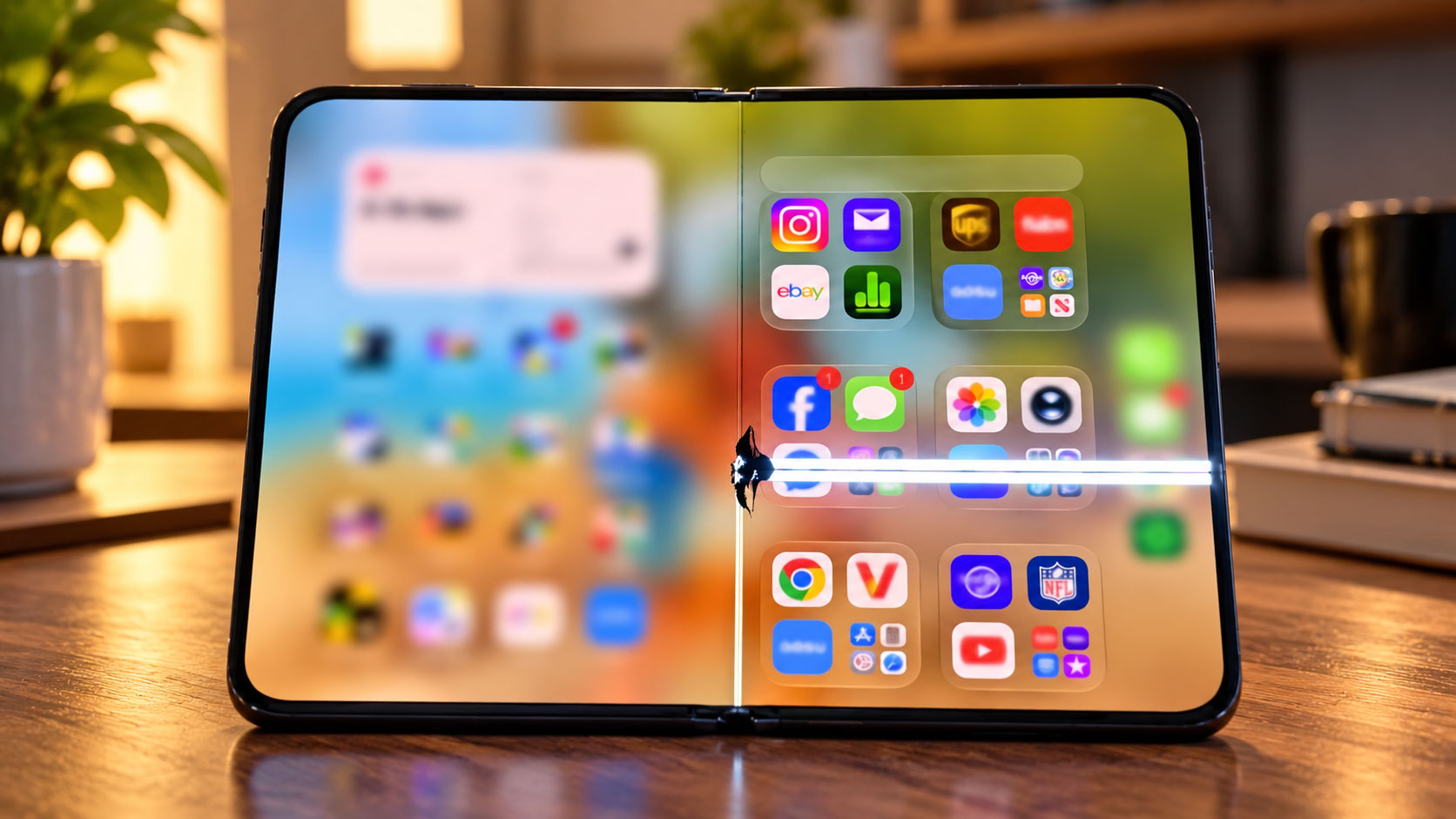
Crackgate, as it became colloquially known, revolved around reports of hairline cracks appearing on the screens of brand-new iPhone 6 and 6 Plus devices, often within days or weeks of purchase, despite no apparent mishandling. While Apple officially attributed many of these cases to “external force” or “user damage,” the sheer volume of reports and the consistency of the crack patterns across different users suggested a potential underlying manufacturing issue or design flaw. For Korean consumers, known for their high standards and sensitivity to product integrity, this was a significant blow to Apple’s pristine image. You, as a consumer, began to question the infallibility of the Cupertino giant.
The media coverage, both mainstream and online, amplified these concerns. Forums buzzed with shared experiences, photographic evidence, and frustrated discussions. Trust, once implicitly granted to a premium brand, began to erode. While Apple eventually offered repair or replacement options under certain conditions, the initial hesitancy and the narrative of blaming the consumer left a bitter taste. It wasn’t just about a broken screen; it was about the perception of how Apple handled a problem that many believed originated within their own production lines. This crisis of confidence, while perhaps not immediately leading to a mass exodus from the Apple ecosystem, planted a seed of doubt that continues to influence your decisions as a Korean buyer. Even today, when you unbox a new iPhone, a subconscious part of you might scrutinize the display just a little bit harder, a subtle echo of the Crackgate era.
The Erosion of Trust and Brand Perception
When you consider a high-end smartphone purchase, you’re not just buying hardware; you’re investing in a brand’s promise. Apple’s promise historically revolved around innovation, seamless user experience, and unwavering quality. Crackgate chipped away at that promise, particularly in a market as discerning as South Korea. For you, the Korean consumer, quality isn’t merely a feature; it’s a fundamental expectation. When a product fails to meet this baseline, especially one positioned at the premium end, it’s a significant letdown.
The initial response from Apple, which many perceived as dismissive or unwilling to fully acknowledge a systemic issue, further exacerbated the situation. You, along with many others, felt that your legitimate concerns were being downplayed or attributed to your own fault. This created a chasm between the brand and its loyal user base. Trust, once a cornerstone of the Apple experience, became fragile. This fragility continues to manifest in the seemingly paradoxical return of “perfectly fine” iPhones. It’s not about a visible scratch or a non-functioning button; it’s about a lingering unease, a heightened sensitivity to any perceived imperfection that, consciously or subconsciously, links back to past experiences or collective memory of a quality control lapse. You’re not just returning a phone; you’re expressing a subtle form of protest, a demand for absolute perfection that you feel was once compromised.
In light of the recent article titled ‘Crackgate was decisive’: Why Korean buyers are returning Apple’s iPhone Duo even without defects, it is interesting to explore the broader implications of consumer behavior in the tech market. This phenomenon highlights how perceptions of product quality and brand loyalty can significantly influence purchasing decisions. For further insights on this topic, you can read more in the related article on innovation and vulnerability found at this link.
The Unique Korean Consumer Psychology and High Standards
You, as a Korean consumer, operate within a unique cultural and societal framework that shapes your purchasing decisions and expectations. Your standards for product quality, especially for premium goods, are among the highest in the world. This isn’t just about meticulousness; it’s deeply rooted in a culture that values craftsmanship, attention to detail, and a collective pursuit of excellence. When you buy something, particularly a high-tech device, you expect it to be flawless. Any deviation from this ideal, no matter how minor, is often perceived as a significant issue.
Furthermore, word-of-mouth and online community influence are incredibly powerful in South Korea. Reviews, forum discussions, and shared experiences can rapidly shape public opinion and influence purchasing trends. If a few individuals report an issue, even if it’s an isolated incident, the collective consciousness can amplify it, leading to widespread concern. This makes your market particularly sensitive to quality control issues and brand reputation. When you see others experiencing problems, even if you haven’t personally encountered them, it breeds caution and skepticism.
The Role of Online Communities and Shared Experiences
Imagine you’ve just bought the latest iPhone. You’re excited, you unbox it carefully, and you start setting it up. Then, a subtle anomaly catches your eye – perhaps a faint discolored pixel, a minuscule gap in the casing, or a slight inconsistency in the screen’s backlight. To many, these might be negligible cosmetic imperfections. But to you, a Korean consumer, they can trigger a cascade of doubt. You immediately turn to online forums, to KakaoTalk groups, to Naver Cafe communities dedicated to smartphone enthusiasts.
What you find there often reinforces your concerns. Other users, sharing similar meticulous observations, posting high-resolution photos, and debating the nuances of “acceptable” flaws. The collective voice of the community validates your heightened scrutiny. If multiple users report noticing similar “non-defects” – things that a service center might deem within manufacturing tolerances – it suddenly feels less like an individual neurosis and more like a systemic issue. This shared experience creates a powerful psychological feedback loop. You’re not just returning your phone; you’re participating in a collective assertion of consumer rights and quality expectations. This dynamic means that even without a documented “defect” according to standard diagnostic tools, the perception of imperfection, amplified by community consensus, can be a sufficient trigger for a return. You’re not just buying a phone; you’re buying into a community experience, and that community demands perfection.
The “Defect-Free” Return Phenomenon
This brings us to the core paradox: the return of “no defects” iPhones. You walk into the store, explain your concerns, but the diagnostic tools show nothing wrong. The device passes all tests. Yet, you insist on a return. Why? Because the perceived defect, for you, is real enough to warrant it, even if it doesn’t meet the technical definition of a flaw. It could be a slight color shift on the display only visible at certain angles, a minuscule dust particle under the screen that most would never notice, or a minor tactile inconsistency when pressing a button. These are the “ghosts” of Crackgate, the lingering psychological impact that makes you hyper-aware of potential imperfections.
For you, the investment in an iPhone is substantial, both financially and in terms of personal expectation. You feel that for such a premium price, the product should be absolutely pristine. Anything less, even something technically considered within acceptable manufacturing variances, falls short of the ideal. The “no defects” return is not an attempt to game the system; it’s a genuine expression of dissatisfaction stemming from extremely high standards and a learned skepticism. You’re not looking for a discount or a different model; you’re seeking a phone that perfectly aligns with your vision of Apple quality, a vision that was once momentarily clouded.
The Role of Repair Policies and Customer Service Experience
Beyond the initial product quality, your experience as a Korean consumer is significantly shaped by the after-sales service you receive. Apple’s global repair and customer service policies, while often considered robust in many markets, have sometimes faced criticism in South Korea for their perceived rigidity and a lack of localized flexibility. This is another crucial factor contributing to the return phenomenon, even for devices without apparent defects.
When you encounter an issue, whether perceived or actual, your primary interaction is with the service center. If that interaction is less than satisfactory, if your concerns are dismissed, or if the process for resolution feels cumbersome, it reinforces any existing dissatisfaction. For you, the Korean consumer, efficiency, clear communication, and empathetic service are paramount. A standardized global policy might not always align with these specific cultural expectations, leading to friction and frustration.
The Perceived Rigidity of Apple’s Repair System
You’ve noticed a subtle screen inconsistency on your new iPhone. You visit an authorized service center. The technicians run their diagnostics. The results come back: “no defects found.” You try to explain your subjective experience, pointing out the subtle nuances that bother you. But the policy dictates that if the diagnostic tools show no fault, a repair or replacement isn’t warranted under warranty terms for a defect. This creates a significant disconnect. You feel unheard, your concerns invalidated by a rigid, data-driven system that doesn’t account for your perception of quality.
This perceived rigidity stands in stark contrast to some local manufacturers who might offer more flexible solutions or a greater willingness to appease a discerning customer, even for minor, non-technical issues. For you, the Apple service experience can sometimes feel like an impersonal transaction governed by strict rules, rather than a customer-centric resolution process. This rigid adherence to diagnostic results, while perhaps economically sound from a corporate perspective, fails to address the psychological aspect of your dissatisfaction. It fuels the “no defects” return because you feel that returning the product is the only way to express your profound dissatisfaction with a quality standard that, in your mind, hasn’t been met, regardless of what the diagnostics say.
Comparison with Local Competitors’ Customer Service
Consider your experience with a domestic brand like Samsung or LG. While not entirely without flaws, these companies often have highly localized customer service strategies designed to cater specifically to the nuances of the Korean market. You might find more personalized attention, a greater willingness to conduct subjective assessments of product quality, and sometimes even “goodwill” exchanges or replacements for issues that might technically be within manufacturing tolerances.
For instance, a local competitor might offer a direct exchange on the spot for a new device if you express significant dissatisfaction with a perceived cosmetic flaw, even if the diagnostic tests are clear. This proactive approach, focused on customer retention and satisfaction above strict adherence to technical definitions of defects, resonates strongly with you. When you contrast this with an experience where Apple’s policy-driven approach leaves you feeling that your concerns are secondary to their diagnostic results, it can significantly sour your perception of the brand’s overall value proposition. You appreciate a company that acknowledges your high standards and strives to meet them, even if it means going beyond the letter of the warranty. This difference in customer service philosophy directly contributes to why you might choose to return an iPhone, even if it’s technically “defect-free,” seeking a more satisfying resolution elsewhere.
The Long-Term Impact on Brand Loyalty and Market Share
Crackgate was not an isolated incident; it was a watershed moment that marked a subtle but significant shift in the relationship between Apple and its Korean consumer base. While Apple products continue to be popular and command a strong presence in the market, the long-term repercussions of such quality control controversies and the subsequent handling of customer concerns are tangible. They manifest not just in return rates, but also in broader perceptions of brand loyalty and, ultimately, market share.
For you, the Korean consumer, loyalty is earned through consistent performance, impeccable quality, and responsive customer service. When any of these pillars falter, even momentarily, it creates an opening for competitors. In a market as dynamic and competitive as South Korea’s, where local powerhouses like Samsung continually innovate and challenge, any perceived weakness from a global player can be exploited. Crackgate served as a reminder that even premium brands are fallible, and it instilled a more critical lens through which you now view Apple products.
Diminished Unquestioning Allegiance
Before Crackgate, there was a segment of Apple users in Korea who exhibited almost unquestioning allegiance to the brand. They bought every new iPhone, upgraded regularly, and were fiercely loyal. While many still appreciate Apple’s ecosystem and design, the incident introduced a note of caution. You, like many others, are now more likely to read reviews critically, compare specifications more thoroughly, and scrutinize your purchases with a heightened level of detail. The halo effect, where Apple’s brand alone was enough to guarantee a purchase, has somewhat diminished.
This doesn’t mean you’ve abandoned Apple entirely. Many of you are still deeply invested in the ecosystem – the seamless integration, the app quality, the security features. However, that investment no longer comes with the same level of implicit trust in manufacturing perfection. You’re more willing to consider alternatives, especially when a competitor offers compelling features or a more customer-centric approach to after-sales service. The decision to purchase an iPhone is now often made with more deliberation, weighing perceived value against past experiences and current market offerings, rather than purely on brand cachet. You’re no longer just an Apple enthusiast; you’re a shrewd, informed consumer.
Competitive Landscape and Local Alternatives
The South Korean smartphone market is intensely competitive, dominated by domestic giants like Samsung, which holds a significant lead. Samsung, in particular, understands the nuances of its home market exceptionally well. They offer a vast array of devices, from budget-friendly options to ultra-premium flagships, often integrating features specifically tailored to Korean preferences. Their extensive service network and localized customer support can often provide a more reassuring experience when issues arise.
When you consider an iPhone, you’re not just comparing it to other iPhones; you’re comparing it to the latest Galaxy device, the newest LG innovation (in the past), or even emerging Chinese brands. These competitors, learning from past missteps and actively listening to consumer feedback, strive to meet and exceed your expectations for quality and service. Crackgate gave them an unexpected advantage, allowing them to highlight their own quality control measures and customer-first policies. For you, the choice isn’t purely about specs or operating systems; it’s about the entire ownership experience, from purchase to potential after-sales support. If a “defect-free” iPhone can still lead to frustration, it makes the alternatives, with their potentially more accommodating service, seem more appealing. This sustained pressure from local competitors forces Apple to continuously re-evaluate its strategies in this unique and challenging market.
In light of recent consumer behavior, the article titled ‘Crackgate was decisive’: Why Korean buyers are returning Apple’s iPhone Duo even without defects sheds light on the shifting preferences among tech enthusiasts. This trend raises questions about brand loyalty and the impact of perceived quality on purchasing decisions. For a deeper understanding of how compliance and regulations can affect consumer trust in various industries, you might find it interesting to explore this article on navigating HIPAA in 2025.
Sustaining Trust: Moving Forward for Apple in Korea
| Metric | Value | Notes |
|---|---|---|
| Return Rate of iPhone Duo | 15% | Higher than average for Apple products in Korea |
| Percentage of Returns Without Defects | 70% | Majority of returns not due to hardware issues |
| Impact of ‘Crackgate’ on Consumer Trust | Significant | Led to increased scrutiny and returns |
| Average Time to Return After Purchase | 10 days | Short return window indicating buyer hesitation |
| Customer Satisfaction Post-Return | 65% | Lower than typical Apple satisfaction rates |
For Apple to fully re-establish the same level of unquestioning trust and mitigate the “no defects” return phenomenon in South Korea, a multi-faceted approach is necessary. It goes beyond simply preventing future “gates” (though that’s paramount) and delves into understanding and adapting to the deeply ingrained cultural expectations of the Korean consumer. It requires a nuanced understanding that “defect” can be a subjective term, heavily influenced by individual perception and collective experience.
You, as a Korean consumer, are not asking for the impossible. You are asking for a product that consistently meets your high standards of perfection and a service experience that respects your concerns, even when they don’t align with a diagnostic report. Apple’s global reputation for quality is strong, but in specific markets like Korea, past events cast a long shadow, and local adaptation is key to dispelling it.
Enhanced Quality Control and Transparency
The most fundamental step is a relentless pursuit of perfection in manufacturing. While no mass-produced item can be 100% flawless, minimizing even the most minute cosmetic inconsistencies or build variations is crucial for the Korean market. This means even tighter quality control checks, especially for visual elements like displays and chassis construction. More importantly, it means being transparent when issues do arise. Openly acknowledging potential widespread issues, even minor ones, and demonstrating proactive steps to address them, would go a long way in rebuilding trust.
For you, seeing a company admit to a flaw, rather than attribute it to user error, would signify a level of respect and accountability. This transparency would also help in managing expectations. If there are known, minor variations that are technically within tolerance but might be visually perceptible, communicating this openly and clearly could prevent unnecessary returns based on perceived defects. You value honesty, and that includes honesty about product limitations or occasional manufacturing variances.
Localized Customer Service and Flexible Policies
Perhaps the most critical area for improvement lies in adapting Apple’s customer service policies to better suit the Korean context. This doesn’t necessarily mean a complete overhaul of global policies, but rather an empowerment of local service centers to exercise more discretion and flexibility in specific situations. Training service staff to understand the Korean consumer’s meticulous nature and cultural expectations is paramount.
This could involve offering more immediate exchange options for perceived cosmetic flaws, even if diagnostic tests are clear, especially within a short return window. It might also mean providing a more empathetic and less rigidly policy-driven consultation experience. When you feel heard, understood, and that your high standards are acknowledged, you are far more likely to remain a loyal customer, even if the initial device had a minor imperfection. It’s about recognizing that for the Korean consumer, satisfaction isn’t just about functionality; it’s about the entire, flawless experience. Giving local service teams the latitude to make “goodwill” gestures that align with Korean customer expectations would significantly reduce frustration and the urge to simply return a product that, in your mind, hasn’t quite met the Apple ideal.
FAQs
What is Crackgate?
Crackgate refers to a controversy surrounding the Apple iPhone Duo, where users reported issues with the device’s screen cracking under normal usage conditions. This incident raised concerns about the durability and quality of the product, leading to a significant backlash from consumers.
Why are Korean buyers returning their iPhone Duo devices?
Korean buyers are returning their iPhone Duo devices primarily due to dissatisfaction stemming from the Crackgate controversy. Even in the absence of physical defects, many consumers feel uneasy about the product’s reliability and are opting for refunds or exchanges as a precautionary measure.
Are the returned iPhone Duo devices actually defective?
No, many of the returned iPhone Duo devices are not defective. The returns are largely driven by consumer sentiment and concerns over potential issues rather than actual faults with the devices themselves.
How has Crackgate affected Apple’s reputation in South Korea?
Crackgate has negatively impacted Apple’s reputation in South Korea, leading to increased scrutiny of their products and a decline in consumer trust. This incident has prompted discussions about quality control and customer service, which could affect future sales in the region.
What steps is Apple taking to address the concerns raised by Crackgate?
In response to the concerns raised by Crackgate, Apple is reportedly enhancing its quality control measures and customer support services. The company is also engaging with consumers to better understand their issues and improve the overall user experience with the iPhone Duo.
