


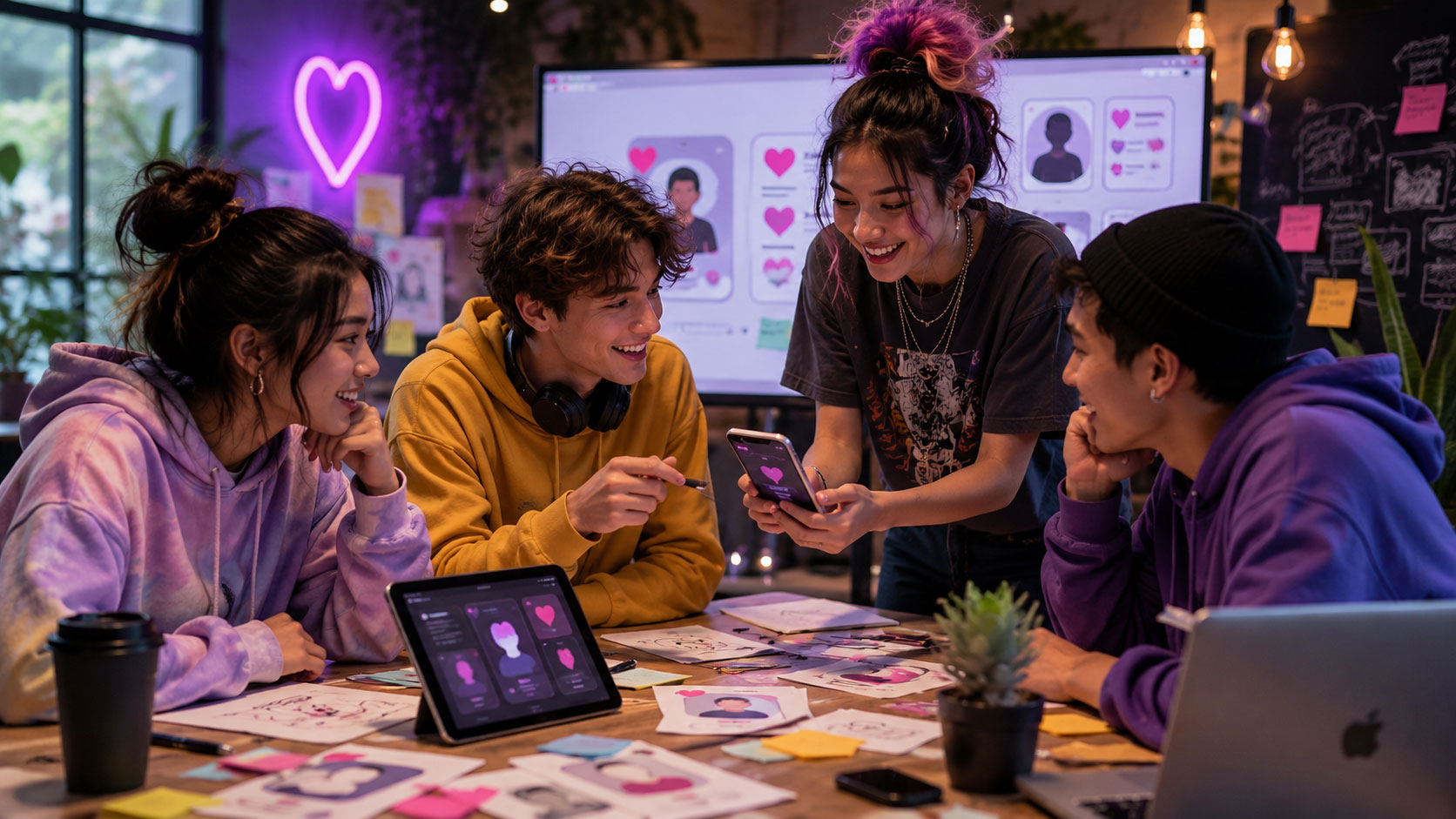
You’ve likely experienced the relentless cycle: endless swiping, superficial profiles, fleeting conversations, and the ever-present feeling of being commodified. The traditional dating app landscape, dominated by a few established players, has left a generation yearning for something more authentic, more human. You, as a member of Gen Z, are uniquely positioned to understand this dissatisfaction, and now, you are turning that understanding into action. You’re not just using these apps; you’re reinventing them. You’re building platforms that prioritize genuine connection, meaningful interaction, and a healthier approach to finding love. This isn’t just an evolution; it’s a revolution, and you are at its forefront.
You’ve felt it, haven’t you? That heavy sigh as you open a dating app, knowing you’re about to embark on another marathon of judging and being judged. The current paradigm, largely unchanged for over a decade, has inherent flaws that you and your peers are no longer willing to tolerate.
The Illusion of Abundance
On the surface, having hundreds, even thousands, of potential matches seems appealing. You view a vast ocean of faces, each representing a potential conversation, a potential date, a potential partner. However, this seemingly endless supply creates a paradox. Instead of fostering connection, it often leads to indecision and devaluation. Why invest deeply in one person when another, potentially “better,” option is just a swipe away? You’re conditioned to believe there’s always something more, something shinier, just around the corner. This “grass is always greener” mentality actively undermines the very goal of finding a meaningful connection. You find yourself trapped in a loop of endless browsing, never truly committing to engaging.
The Superficiality of First Impressions
You know the drill. A few carefully curated photos, a pithy bio, and a split-second decision. That’s the extent of your initial interaction. You’re not seeing a person; you’re seeing a highly edited advertisement. This system inherently undervalues personality, humor, intelligence, and kindness, prioritizing instead aesthetics and a superficial projection of self. You’ve experienced the dissonance between a stunning profile and a lackluster real-life encounter. You understand that true compatibility extends far beyond a pretty face or a clever one-liner, yet the current model forces you to make judgments based on precisely those superficial elements. This leaves you feeling frustrated and unseen.
The Gamification of Love
Dating apps, in their pursuit of engagement, have inadvertently turned the search for love into a game. Swiping right becomes a dopamine hit, a small reward. Matches feel like points, and conversations, if they even get there, are often treated as levels to be conquered. You’re encouraged to “play the field,” to maximize your matches, rather than to genuinely connect. This gamified approach trivializes the profound human desire for companionship and emotional intimacy. You’re acutely aware that love isn’t a game to be won; it’s a complex, nuanced journey, and you’re tired of being treated like a player.
In exploring the innovative approaches taken by Gen Z founders in the dating app landscape, it’s interesting to consider how technology is evolving across various sectors. A related article that delves into the advancements in technology is titled “The Rise of Composite and Federated APIs for Streamlining Complex Workflows.” This piece discusses how these new API structures are transforming the way applications interact and function, which could have implications for the development of more sophisticated and user-friendly dating platforms. For more insights, you can read the article here.
Beyond the Photo: Prioritizing Personality and Shared Interests
You’re seeking substance, not just style. Your generation is demanding dating apps that delve deeper than a profile picture and a catchy bio, fostering connections based on genuine compatibility and shared passions.
Voice Notes and Video Introductions
Why rely on text alone when you can hear someone’s laughter or see their genuine smile? You’re advocating for and building features that allow users to share brief audio clips or short video introductions. These elements offer a wealth of information that text cannot convey – tone of voice, cadence, facial expressions, and even subtle mannerisms. You understand that hearing someone speak, even for a few seconds, can tell you more about their personality and energy than paragraphs of text. This simple addition injects a much-needed dose of humanity back into the matching process, allowing you to get a better feel for a person before you even begin to chat.
Niche Communities and Interest-Based Matching
You recognize that shared passions are powerful connectors. Instead of general algorithms, you’re observing the rise of apps focused on specific niches – whether it’s sustainable living, obscure musical genres, or specific hobbies like Dungeons & Dragons. You’re also implementing features within broader apps that allow users to join interest-based communities or “clubs” before matching. This pre-filters potential connections, ensuring that you’re interacting with people who already share a fundamental common ground. You know that finding someone who genuinely enjoys your obscure hobby or is equally passionate about a particular social cause is far more likely to lead to a deeper connection than simply matching on looks.
Prompt-Based Interactions and Creative Bios
Forget the generic “I love to travel” bio. You’re pushing for more engaging, thought-provoking prompts that reveal genuine personality and spark meaningful conversations. Instead of a blank “about me” section, imagine prompts like “What’s a hill you’re willing to die on?” or “Describe a perfect Sunday.” These questions encourage vulnerability, humor, and a glimpse into someone’s unique perspective. You’re also seeing features that allow for more creative expression, such as allowing users to showcase their creative projects, share links to their favorite podcasts, or even create short interactive quizzes about themselves. You’re moving away from passive consumption to active engagement and genuine self-expression.
Intentionality Over Quantity: Fostering Meaningful Connections
You’re done with the dopamine drip of endless swipes. You crave quality over quantity, and you’re designing apps that encourage deliberate interaction and deeper conversations.
Limited Daily Matches
The unlimited buffet of potential matches often leads to paralysis by choice. You’re embracing models that purposefully limit the number of profiles you see each day. Imagine receiving only a handful of highly curated matches, perhaps even just one or two, that are presented with detailed context and justification. This scarcity encourages you to genuinely consider each match, to read their profile thoroughly, and to invest more thought into initiating a conversation. You’re shifting the focus from “who else is out there?” to “who is this person?” This approach reduces the overwhelming feeling of choice and forces a more intentional engagement with each potential connection.
Deeper Profile Dive Before Matching
Instead of a quick glance, you’re seeing apps that require you to engage more deeply with a profile before you can even express interest. This could involve answering a question about their profile, commenting on a specific photo, or even completing a short survey related to their interests. This extra step acts as a soft barrier, ensuring that both parties have actively reviewed each other’s profiles beyond a superficial swipe. You’re effectively demanding a higher level of initial investment, which subtly communicates a desire for more meaningful interaction and filters out those who are simply swiping indiscriminately.
Conversation Starters and Guided Prompts
You know the dread of a blank chat window. “Hey” just doesn’t cut it anymore. Your new wave of dating apps integrates features that actively help you initiate and sustain conversations. These might include suggested icebreakers based on shared interests, prompts for deeper discussion, or even mini-games designed to reveal personality traits. Imagine getting a prompt like, “Both you and Sarah love sci-fi movies. Ask her about her favorite alien race and why,” after you match. These guided interactions reduce the pressure of crafting the perfect opening line and seamlessly transition users into more engaging dialogue. You’re effectively building a conversational scaffold, making it easier for you to express yourself and get to know your match.
Safety, Inclusivity, and Authenticity: Building Trust in a Digital Space

You, as Gen Z, are acutely aware of the pitfalls of online interaction – catfishing, harassment, and misrepresentation. Your innovations are prioritizing robust safety measures and fostering environments where everyone feels seen, respected, and genuinely represented.
Enhanced Verification Processes
The days of anonymous profiles are quickly fading. You’re implementing more stringent verification processes, moving beyond just phone numbers or email addresses. This could include photo verification against ID, live video verification, or even integration with social media platforms (with user consent) to authenticate profiles. The goal is to reduce the prevalence of fake profiles, bots, and catfishing, allowing you to connect with genuine people. You understand that knowing you’re talking to a real, verified person significantly enhances trust and reduces anxiety in online interactions.
Robust Reporting and Moderation Tools
Safety isn’t just about initial verification; it’s about ongoing protection. You’re building apps with intuitive and accessible reporting tools for harassment, inappropriate content, or suspicious behavior. More importantly, you’re prioritizing human moderation and swift action against reported users. This commitment to active moderation creates a safer environment and sends a clear message that harmful behavior will not be tolerated. You’re not relying solely on algorithms; you’re building communities where users can feel empowered to report issues and trust that their concerns will be addressed.
Identity and Expression Beyond Traditional Boxes
You understand that identity is fluid and multifaceted, extending far beyond binary choices. Your dating apps are offering expansive options for gender identity, sexual orientation, pronouns, and even relationship preferences (e.g., polyamorous, open to ethical non-monogamy). This inclusivity ensures that everyone feels accurately represented and respected. Furthermore, you’re seeing features that allow for more nuanced self-description, moving away from rigid categories and towards a more authentic presentation of self. You’re creating spaces where you don’t have to fit into a predefined box to find meaningful connection.
In exploring the innovative approaches of Gen Z founders in the dating app landscape, it’s fascinating to see how technology is reshaping not just social connections but also various industries. A related article discusses the rise of composable ERP systems, emphasizing the importance of modular cloud software in modern business practices. This shift mirrors the way dating apps are evolving, as both sectors seek to enhance user experience and flexibility. For more insights on this topic, you can read about it in this article.
The Future Is Now: You Are Shaping the Next Generation of Dating
| Founders | App Name | Key Features | Target Audience |
|---|---|---|---|
| Charlie Warden and Max Adamski | UpDating | Icebreaker questions, video profiles | Young professionals |
| Justin McLeod | Hinge | Designed to be deleted, prompts for meaningful conversations | Relationship-minded individuals |
| Whitney Wolfe Herd | Bumble | Women make the first move, focus on safety and respect | Empowering women, diverse user base |
You’re not waiting for established tech giants to catch up. You’re building the future of dating right now, with fresh perspectives, ethical frameworks, and a deep understanding of what your generation truly wants from romantic connections. You are a generation of digital natives, but you’re also deeply social, and you crave authenticity.
Community-Led Development and Feedback Loops
Unlike top-down development, many of these new apps are being built in close collaboration with their target users – you. You’re participating in beta testing, providing constant feedback, and actively shaping the features that will define these platforms. This community-driven approach ensures that the apps truly meet the needs and desires of their users, fostering a sense of ownership and collective improvement. These aren’t just apps; they are evolving digital spaces co-created by the very people who use them. You’re empowered to make these platforms better, and your voice is being heard.
Ethical Monetization Models
You’re wary of exploitative business practices. You’re seeing a shift away from “pay-to-play” models that gatekeep essential features behind expensive subscriptions or aggressive microtransactions. Instead, new apps are exploring ethical monetization strategies, such as premium features that genuinely enhance the user experience (e.g., advanced filtering, read receipts), or even subscription models that prioritize a commitment to the platform rather than profiting from loneliness. You’re demanding transparency and fairness, and you’re supporting apps that align with those values, focusing on sustainable growth rather than quick profits at the expense of user wellbeing.
A Focus on Mental Well-being and Digital Detox
You understand the toll that constant digital engagement can take on mental health. Your generation of founders is integrating features that promote healthy digital habits. This could include optional “digital detox” periods, prompts for users to take breaks, or even features that encourage real-world meetups earlier in the conversation timeline. The goal isn’t just to connect people online; it’s to facilitate genuine, in-person connections while acknowledging the potential for digital fatigue. You’re building apps that serve your life, rather than apps that consume it, promoting balance and genuine human interaction.
You, Gen Z founders, are not just creating new apps; you’re fundamentally shifting the paradigm of online dating. You’re moving away from the superficial, the gamified, and the overwhelming, and towards the authentic, the intentional, and the human. You are building platforms that reflect your values: inclusivity, transparency, and a genuine desire for meaningful connection. The era of mindless swiping is coming to an end, and you are leading the charge into a more thoughtful, more fulfilling future for love in the digital age.
FAQs
What is the main focus of the article “These Gen Z Founders Are Reinventing Dating Apps, Without The Swipe”?
The main focus of the article is to highlight how Gen Z founders are creating new and innovative dating apps that are moving away from the traditional swipe-based model.
What are some key features of the dating apps created by these Gen Z founders?
Some key features of the dating apps created by these Gen Z founders include a focus on meaningful connections, personalized matching algorithms, and a more interactive and engaging user experience.
How are these new dating apps different from traditional swipe-based apps?
These new dating apps are different from traditional swipe-based apps in that they prioritize deeper connections and conversations over superficial judgments based on a single photo. They also incorporate more interactive and engaging features to enhance the user experience.
What are some challenges that these Gen Z founders face in reinventing dating apps?
Some challenges that these Gen Z founders face in reinventing dating apps include competition from established dating platforms, changing user behaviors and preferences, and the need to continuously innovate and adapt to meet the evolving needs of their target audience.
What impact do these new dating apps have on the dating landscape?
These new dating apps have the potential to impact the dating landscape by offering a fresh and more meaningful approach to online dating, shifting the focus from casual swiping to building genuine connections and fostering more authentic relationships.
