


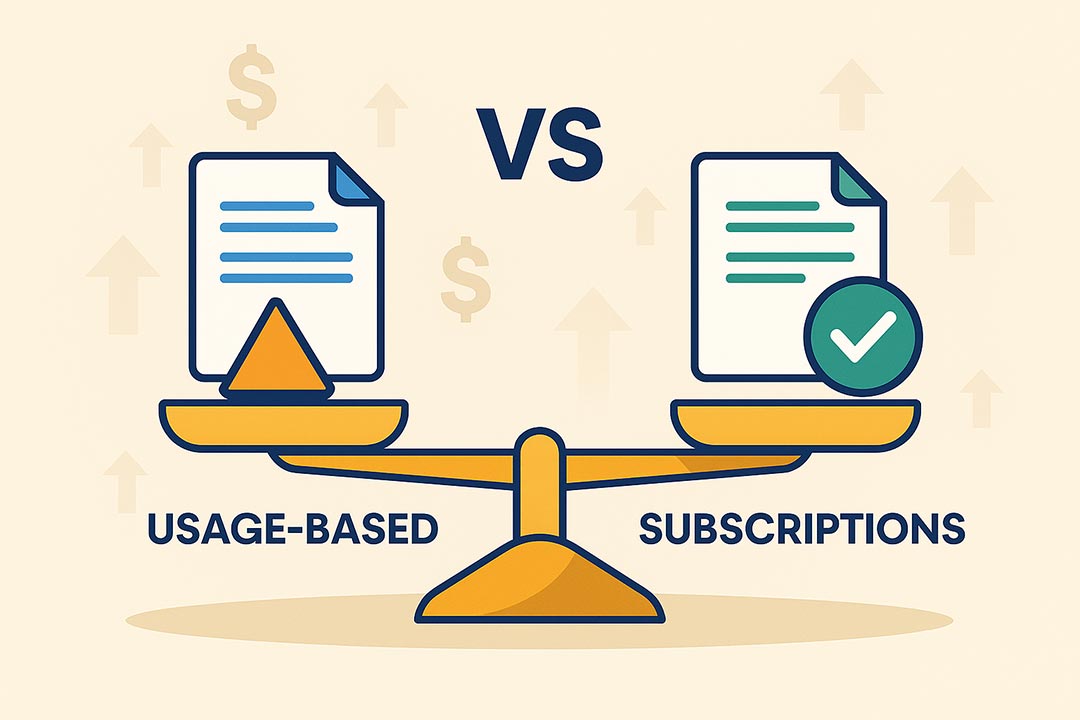
Consumer behavior is undergoing significant transformation as 2026 approaches. Today’s consumers demonstrate higher levels of information literacy, digital connectivity, and selectivity in their purchasing decisions compared to previous generations. The proliferation of internet access and digital technologies has provided consumers with unprecedented access to product information, reviews, and comparative data that directly influences buying behavior.
Contemporary consumers have shifted from passive recipients of marketing communications to active participants in brand selection processes. This evolution has created increased demand for corporate transparency, sustainable business practices, and personalized product offerings. Consumers now systematically evaluate brands based on alignment with personal values and lifestyle preferences.
Current market research indicates a notable preference shift toward experiential consumption over material acquisition. Consumers increasingly favor brands that deliver distinctive experiences or facilitate community participation. This trend appears most pronounced among younger demographic segments, who demonstrate strong preferences for authentic brand communications and corporate social responsibility initiatives.
Modern consumers actively seek companies that combine product quality with positive societal impact. Market data suggests that purchasing decisions are increasingly influenced by a company’s environmental practices, social contributions, and ethical business operations. These behavioral patterns represent fundamental changes in consumer expectations that businesses must address to maintain market relevance and customer engagement in 2026.
Key Takeaways
- Consumers in 2026 favor personalized, flexible pricing models reflecting their usage and preferences.
- Usage-based pricing offers adaptability but can introduce complexity and unpredictability for customers.
- Subscription models provide steady revenue and simplicity but may lack flexibility for varying consumer needs.
- Combining usage-based and subscription models can optimize customer satisfaction and business performance.
- Leveraging data analytics is crucial for tailoring pricing strategies while addressing regulatory and ethical challenges.
The Rise of Usage-Based Pricing Models
In recent years, you may have noticed a significant shift in pricing strategies across various industries. Usage-based pricing models have gained traction as businesses seek to align their offerings with your consumption patterns. This approach allows you to pay for services based on how much you actually use them, rather than a flat fee.
For instance, in the realm of software, companies are increasingly adopting pay-as-you-go models that cater to your specific needs. This flexibility can be particularly appealing, as it allows you to manage costs more effectively. The rise of usage-based pricing is not just about cost savings; it also reflects a broader trend toward personalization.
You appreciate the ability to tailor your spending according to your actual usage, which can lead to a more satisfying customer experience. This model encourages businesses to innovate continuously, ensuring that they provide value that resonates with you. As you engage with brands that adopt this pricing strategy, you may find yourself more loyal to those that understand and respond to your unique consumption habits.
The Evolution of Subscription-Based Business Models

While usage-based pricing is on the rise, subscription-based business models continue to thrive as well. You may have subscribed to various services, from streaming platforms to meal kits, enjoying the convenience and predictability they offer. Subscription models have evolved significantly over the years, moving beyond traditional industries into new territories such as health and wellness, education, and even automotive services.
This evolution reflects your desire for seamless access to products and services without the hassle of repeated transactions. The appeal of subscription models lies in their ability to create a sense of belonging and community. When you subscribe to a service, you often feel like part of an exclusive group, gaining access to curated content or products tailored specifically for you.
This sense of connection can enhance your overall experience and foster brand loyalty. As businesses continue to refine their subscription offerings, they are increasingly focused on delivering value that resonates with your preferences and lifestyle.
Pros and Cons of Usage-Based Pricing
As you consider the implications of usage-based pricing, it’s essential to weigh its advantages and disadvantages.
One significant benefit is the potential for cost savings.
Since you only pay for what you use, this model can be particularly appealing if your consumption fluctuates.
For example, if you’re using a cloud service sporadically, a usage-based model allows you to avoid paying for capacity you don’t need. This flexibility can lead to greater satisfaction as you feel in control of your spending. However, there are also drawbacks to consider.
One potential downside is unpredictability in costs. While usage-based pricing can save you money during low-usage periods, it can also lead to unexpectedly high bills during peak times. This uncertainty may cause anxiety as you try to budget effectively.
Additionally, some businesses may struggle with implementing this model effectively, leading to confusion or dissatisfaction among customers like yourself who expect clarity in pricing.
Pros and Cons of Subscription-Based Models
| Customer Acquisition Cost (CAC) | Moderate | High | Usage-Based favored for lower CAC |
| Revenue Predictability | Low to Moderate | High | Subscription preferred for stability |
| Customer Flexibility | High | Low to Moderate | Usage-Based preferred for flexibility |
| Churn Rate | Moderate | Low | Subscription favored for retention |
| Average Revenue Per User (ARPU) | Variable | Stable | Mixed, depends on usage patterns |
| Implementation Complexity | High | Moderate | Subscription easier to implement |
| Consumer Control Over Spending | High | Low | Usage-Based preferred for control |
| Suitability for Variable Usage | High | Low | Usage-Based preferred |
When evaluating subscription-based models, you’ll find both advantages and disadvantages that impact your experience as a consumer. One of the primary benefits is convenience; subscriptions often provide seamless access to products or services without the need for repeated transactions. This can save you time and effort while ensuring that you always have what you need at your fingertips.
Furthermore, many subscription services offer exclusive content or discounts that enhance their value proposition. On the flip side, subscription models can sometimes lead to “subscription fatigue.” With so many services vying for your attention and budget, it can become overwhelming to manage multiple subscriptions simultaneously. You may find yourself paying for services you rarely use or forgetting about subscriptions altogether.
Additionally, some businesses may not deliver consistent value over time, leading to dissatisfaction and potential cancellations. As a consumer navigating this landscape, it’s essential to assess whether a subscription truly aligns with your needs and preferences.
Adapting to the Changing Consumer Landscape

As a consumer in 2026, your expectations are continually evolving, prompting businesses to adapt their strategies accordingly. Companies must stay attuned to your preferences and behaviors if they want to remain relevant in this dynamic landscape. This means embracing innovation and being willing to experiment with different pricing models that resonate with you.
Whether through usage-based pricing or subscription services, businesses must prioritize flexibility and personalization in their offerings. Moreover, understanding the importance of customer feedback is crucial for businesses aiming to thrive in this environment. As you engage with brands, your insights can help shape their products and services.
Companies that actively seek your input and respond to your needs are more likely to build lasting relationships with you. By fostering open communication channels and demonstrating a commitment to continuous improvement, businesses can create an ecosystem that benefits both parties.
Finding the Right Balance: Incorporating Both Models
In navigating the complexities of modern consumer behavior, businesses may find that incorporating both usage-based and subscription models offers a balanced approach. By providing options that cater to different preferences, companies can appeal to a broader audience while enhancing customer satisfaction. For instance, a software company might offer both a subscription plan for regular users and a pay-as-you-go option for those who use their services sporadically.
This hybrid approach allows you as a consumer to choose the model that best fits your needs at any given time. It also encourages businesses to innovate continuously as they strive to deliver value across multiple pricing structures. By understanding your preferences and consumption patterns, companies can tailor their offerings accordingly, creating a more personalized experience that resonates with you.
Leveraging Data and Analytics for Personalized Pricing
In an era where data is king, businesses have unprecedented access to insights about your preferences and behaviors. Leveraging data analytics allows companies to create personalized pricing strategies that cater specifically to your needs. By analyzing your past purchases and usage patterns, businesses can offer tailored pricing options that enhance your overall experience.
For example, if you’re a frequent user of a particular service, a company might offer you a loyalty discount or a customized subscription plan that aligns with your usage habits. This level of personalization not only increases customer satisfaction but also fosters loyalty as you feel valued as an individual rather than just another transaction. As businesses continue to harness the power of data analytics, expect more personalized pricing strategies that resonate with your unique preferences.
Navigating Regulatory and Ethical Considerations
As businesses explore new pricing models like usage-based and subscription services, they must also navigate regulatory and ethical considerations that impact their operations. You may be concerned about issues such as data privacy and transparency in pricing structures. Companies must ensure they comply with regulations while maintaining ethical standards in their practices.
Transparency is particularly crucial when it comes to pricing models. As a consumer, you deserve clear information about how prices are determined and what factors influence costs. Businesses should strive for open communication regarding any changes in pricing structures or terms of service.
By prioritizing ethical considerations alongside profitability, companies can build trust with consumers like yourself while fostering long-term relationships.
Case Studies: Successful Implementation of Usage-Based Pricing
Examining successful case studies can provide valuable insights into how businesses have effectively implemented usage-based pricing models. One notable example is a cloud storage provider that transitioned from traditional flat-rate pricing to a pay-as-you-go model. By analyzing user data and consumption patterns, they were able to offer tailored plans that resonated with customers’ needs while driving revenue growth.
Another example is a telecommunications company that adopted usage-based pricing for its mobile data plans. By allowing customers to pay only for the data they consume each month, they attracted users who were previously hesitant about committing to fixed-rate plans. This shift not only increased customer satisfaction but also reduced churn rates as users felt empowered by their ability to control costs based on their actual usage.
Case Studies: Successful Implementation of Subscription-Based Models
Similarly, successful case studies in subscription-based models highlight how businesses have thrived by offering compelling value propositions tailored to consumer preferences. A prime example is a meal kit delivery service that has gained popularity by providing convenient meal solutions for busy individuals and families. By offering flexible subscription options that allow customers to skip weeks or customize their orders based on dietary preferences, they have created an engaging experience that keeps consumers coming back.
Another noteworthy case study involves a streaming platform that revolutionized entertainment consumption through its subscription model. By investing heavily in original content and providing personalized recommendations based on viewing habits, they have cultivated a loyal subscriber base willing to pay for ongoing access to exclusive programming. This success underscores the importance of delivering consistent value while adapting offerings based on consumer feedback.
In conclusion, as you navigate the evolving landscape of consumer behavior in 2026, understanding the dynamics between usage-based and subscription-based pricing models will be essential for both consumers and businesses alike. By embracing flexibility, personalization, and ethical considerations while leveraging data analytics effectively, companies can create meaningful connections with consumers like yourself while driving sustainable growth in an increasingly competitive marketplace.
In the evolving landscape of business models, the article on Choosing the Right Database: A Guide to Polyglot Persistence in Modern Software Development provides valuable insights that can complement the discussion on Usage-Based Pricing vs. Subscriptions: Adapting Business Models for the 2026 Consumer. Understanding the right database solutions can enhance the implementation of these pricing strategies, ensuring that businesses can effectively manage and analyze customer data to optimize their offerings.
FAQs
What is usage-based pricing?
Usage-based pricing is a business model where customers are charged based on their actual consumption or usage of a product or service. This model allows for flexible billing that aligns costs directly with usage levels.
How does subscription pricing differ from usage-based pricing?
Subscription pricing involves customers paying a fixed recurring fee, typically monthly or annually, for access to a product or service regardless of how much they use it. In contrast, usage-based pricing charges customers based on the amount they consume.
What are the advantages of usage-based pricing for businesses?
Usage-based pricing can attract a wider range of customers by lowering upfront costs, encourage efficient use of resources, and provide businesses with more predictable revenue streams tied to customer activity.
What benefits do consumers get from subscription pricing?
Consumers benefit from predictable costs, simplified budgeting, and often unlimited or capped access to services, which can enhance convenience and perceived value.
Why are businesses considering adapting their pricing models for the 2026 consumer?
Changing consumer preferences, advances in technology, and increased demand for flexibility and personalization are driving businesses to reconsider traditional pricing models to better meet the expectations of the 2026 consumer.
Can businesses combine usage-based pricing and subscriptions?
Yes, many businesses adopt hybrid models that combine a base subscription fee with additional usage-based charges, offering both predictability and flexibility to customers.
What industries commonly use usage-based pricing?
Industries such as cloud computing, telecommunications, utilities, and software-as-a-service (SaaS) frequently use usage-based pricing to align costs with consumption.
What challenges do businesses face when implementing usage-based pricing?
Challenges include accurately tracking usage, managing billing complexity, ensuring transparency, and educating customers about the pricing structure.
How does consumer behavior influence the choice between usage-based and subscription models?
Consumers who prefer predictable expenses may favor subscriptions, while those seeking flexibility and pay-for-what-you-use options may prefer usage-based pricing.
What trends are shaping the future of pricing models for consumers in 2026?
Trends include increased demand for personalization, digital transformation, data-driven pricing strategies, and a shift towards more flexible and customer-centric pricing models.
