


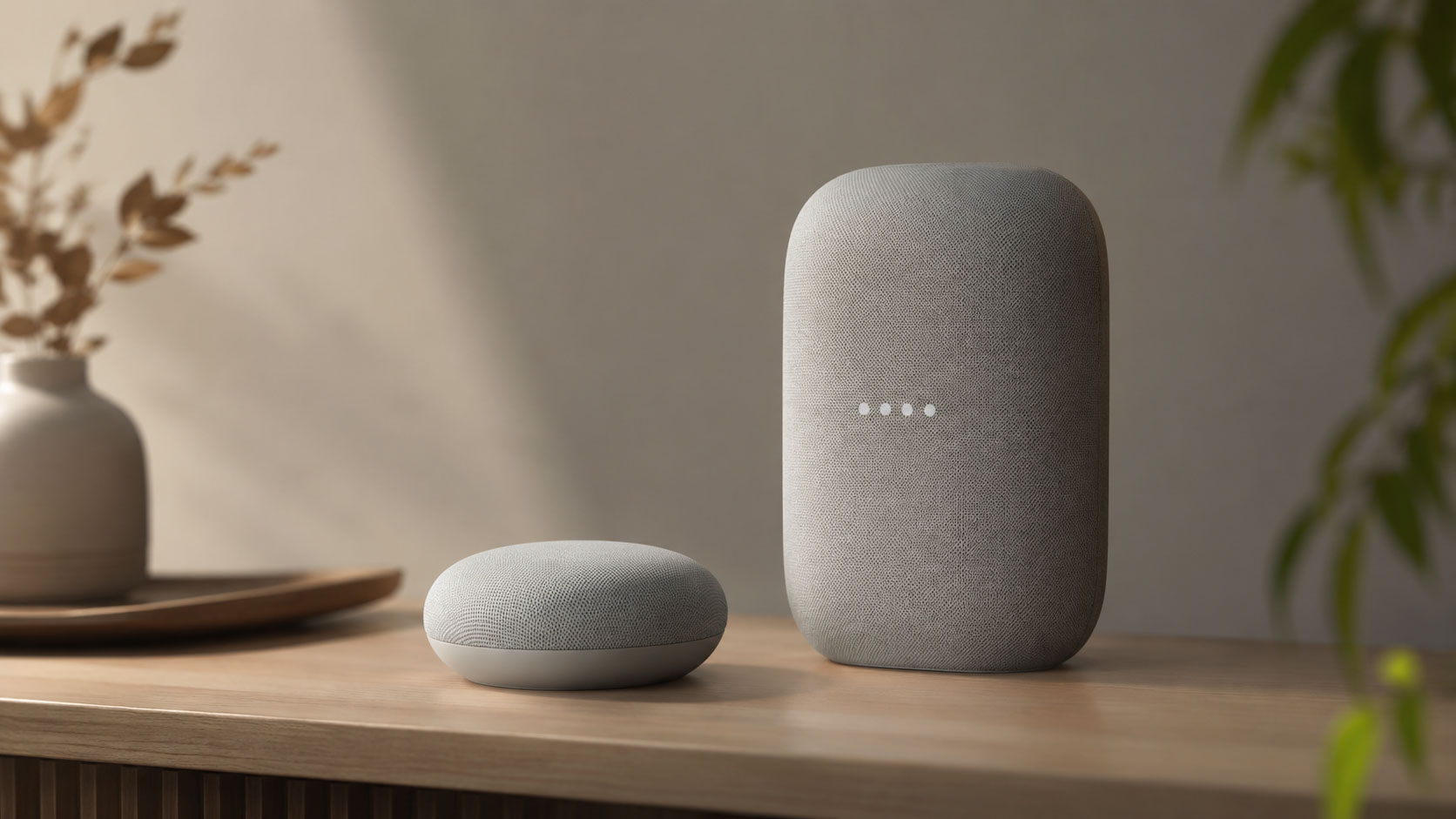
You’ve probably grown accustomed to seeing them around your home, tucked subtly into a corner of your kitchen counter, perched on your bedside table, or adding a touch of smart tech to your living room. The Google Nest Home Mini and Nest Audio have been ubiquitous, a friendly voice ready to answer your questions, play your favorite tunes, or control your smart home devices. Now, you’re facing a new reality. Google has quietly, yet definitively, discontinued these two popular smart speakers. This isn’t just a minor product refresh; it marks a significant shift in Google’s smart home strategy, and it’s something you need to be aware of, especially if you’re invested in the Google ecosystem.
When a tech giant like Google discontinues a product, it naturally raises a flurry of questions. You might be wondering about the longevity of your existing devices, the availability of support, and what this move signifies for your smart home setup.
Understanding “Discontinued” vs. “Dead”
It’s crucial to distinguish between a product being “discontinued” and a product being “dead.” For you, a discontinued product simply means Google is no longer manufacturing or selling new units. It doesn’t instantly render your current Nest Home Mini or Nest Audio useless. These devices will continue to function as they always have, connecting to your Wi-Fi, responding to your voice commands, and integrating with your Google Assistant.
Continued Software Support and Security Updates
One of your primary concerns might be ongoing software support. You can rest assured, at least for the foreseeable future, that your existing devices will continue to receive software updates. Google typically provides several years of software support for discontinued products, ensuring they remain secure and functional. This means you won’t suddenly find your speaker unable to communicate with your other smart devices or vulnerable to new security threats. However, the frequency and nature of these updates may gradually diminish over time compared to actively sold products. Don’t expect new, groundbreaking features to arrive on these legacy devices.
Warranty and Repair Considerations
If your device is still under warranty, its discontinuation won’t invalidate that warranty. Google will honor existing warranties for repairs or replacements as per their standard terms. However, once your warranty expires, or if you encounter issues that aren’t covered, you might find it more challenging to get official repairs. Third-party repair options might emerge, but for a device like a smart speaker, a complete replacement is often the more common solution. This is where the lack of new units becomes a tangible problem for you.
In light of Google’s recent decision to discontinue the Nest Home Mini and Nest Audio, it’s interesting to explore how companies are adapting to changes in technology and communication tools. For instance, the article titled “Is Slack Still the King of Team Communication? A Look at the Alternatives” discusses the evolving landscape of team communication platforms and how businesses are seeking alternatives to traditional tools. You can read more about this topic by visiting this article.
Why the Discontinuation? Examining Google’s Strategy
Understanding Google’s motivations behind this move can offer you insights into their future direction and help you make informed decisions about your smart home investments. There are typically several factors that contribute to such a decision.
Streamlining the Product Lineup
Google has a vast array of hardware products, and at times, its smart speaker lineup has felt a bit crowded. You’ve had the choice between the Home Mini, Nest Mini, Nest Audio, and then the more visually-oriented Nest Hubs. Discontinuing the Home Mini and Nest Audio allows Google to streamline its offerings, making it simpler for you to choose the right device from their current portfolio.
The Rise of the Nest Hub and Visual Interfaces
Think about your own interactions. While voice control is fantastic, there are many instances where a visual display enhances the experience. Looking up a recipe, viewing your security camera feed, making a video call, or even just seeing the weather forecast are all superior with a screen. Google has been heavily investing in its Nest Hub line, and it’s likely that these devices are now considered the primary interface for your smart home. The Nest Hub Max and Nest Hub (2nd Gen) offer not only the audio capabilities of the discontinued speakers but also a rich visual experience. This shift indicates Google believes that vision, combined with sound, is the future of smart home interaction.
Cost-Benefit Analysis and Manufacturing Efficiency
For any large tech company, manufacturing and maintaining a diverse product portfolio comes with significant costs. By reducing the number of distinct products, Google can achieve greater manufacturing efficiency, reduce inventory complexities, and potentially reallocate resources to developing new, more advanced devices. This is a common business practice that you see across many industries.
The Evolution of Smart Home Technology
The smart home landscape is constantly evolving. What was cutting-edge five years ago might be considered standard or even outdated today. Google is likely looking ahead, anticipating new technologies and user demands. Perhaps the next generation of smart home devices will integrate more deeply with AI, offer more advanced sensing capabilities, or boast completely new form factors. Phasing out older models allows Google to clear the path for these innovations.
What Are Your Alternatives? The Path Forward
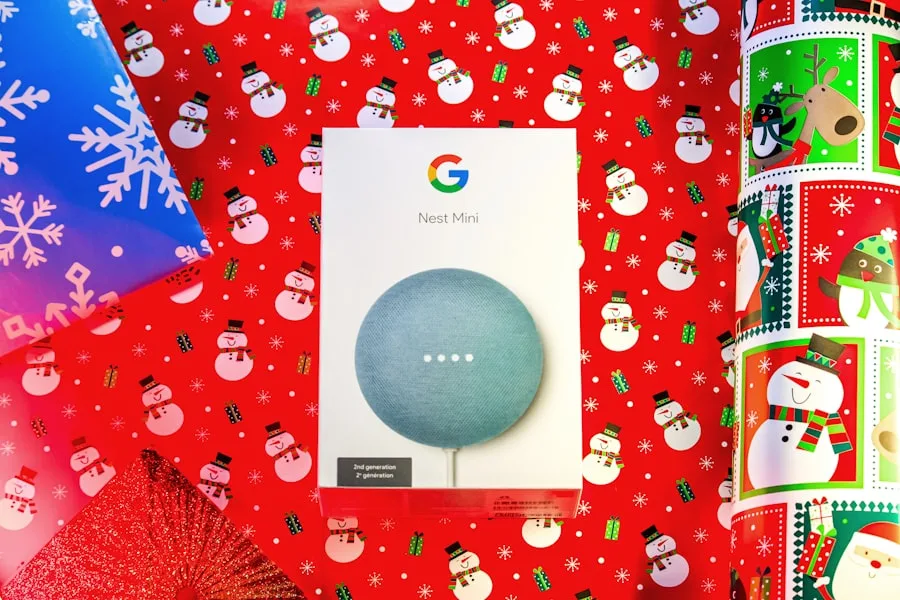
So, your beloved Nest Home Mini or Nest Audio eventually gives up the ghost, or you simply want to upgrade your smart home experience. What are your options? Don’t worry; you’re not left in the lurch. Google still offers compelling alternatives, and the broader smart home market is brimming with choices.
Google’s Current Smart Speaker/Display Offerings
If you want to stick within the Google ecosystem, your primary alternatives are the Nest Hub devices.
The Nest Hub (2nd Gen)
This is likely your direct replacement for most functionalities of the Nest Audio. It offers excellent audio quality, a 7-inch display, and all the Google Assistant features you’re used to. You can glance at your calendar, control smart devices visually, view photos, and even watch YouTube videos. Its Sleep Sensing feature is an added bonus for bedroom placement.
The Nest Hub Max
For a more premium experience, or if you desire a built-in camera for video calls and security monitoring, the Nest Hub Max is your top-tier option. It boasts a larger 10-inch display, superior sound, and integrates a Nest Cam, making it a powerful command center for your home. You’ll find its larger screen incredibly useful for recipes in the kitchen or for family video calls.
Future Google Audio-Only Devices
It’s possible Google might introduce new audio-only smart speakers in the future, but their current strategy signals a clear preference for screens. Keep an eye on Google I/O and other product announcements; you never know what innovations they might reveal.
Third-Party Google Assistant Speakers
Don’t forget about the ecosystem of third-party speakers that integrate with Google Assistant. Manufacturers like JBL, Sonos, and Lenovo have offered speakers with Google Assistant built-in for years.
JBL Link Series
JBL’s Link series often provides a great blend of sound quality and Google Assistant functionality. You might find a sound profile that better suits your preferences, and some models offer portability with built-in batteries.
Sonos Smart Speakers with Google Assistant
For audiophiles, Sonos offers premium smart speakers that can integrate with Google Assistant. This allows you to enjoy Sonos’s renowned sound quality while still having access to your voice assistant. You typically need to set up Google Assistant through the Sonos app.
Other Brands (Lenovo, LG, etc.)
Many other brands have produced Google Assistant-enabled speakers. While less prevalent now than they once were, you might still find options that fit your specific needs or budget. Always remember to check product reviews and ensure full Google Assistant functionality.
Maximizing the Life of Your Discontinued Devices

Just because your Nest Home Mini or Nest Audio is discontinued doesn’t mean it’s time to toss it out. You can continue to enjoy these devices for years to come. Here are some tips to ensure they remain a valuable part of your home.
Regular Software Updates (When Available)
Even if they are less frequent, always install software updates when prompted. These updates often include important security patches and performance improvements that will help keep your device running smoothly and securely. You’ll typically see a notification in the Google Home app or on the device itself if it has a screen.
Keeping Them Clean and Maintained
A little bit of physical care goes a long way. Use a soft, dry cloth to wipe down your speakers and keep them free of dust. Ensure they are in a well-ventilated area, away from direct sunlight or extreme temperatures, which can shorten the lifespan of any electronic device. Your effort here directly translates to longevity.
Understanding Google Assistant’s Capabilities
Google Assistant is constantly evolving. Even if your hardware isn’t receiving new features, the Assistant itself is getting smarter. You can learn new commands, integrate new smart home devices, and explore new actions through the Google Home app. Periodically check for new Assistant features that might enhance your use of your existing speakers.
Repurposing for Specific Tasks
Consider repurposing your speakers if you upgrade. An old Home Mini might become a dedicated speaker for a guest bathroom, exclusively playing ambient music. A Nest Audio could be moved to a workshop or garage, where its audio quality is still appreciated but a screen isn’t necessary. Don’t simply discard them if they still have utility for you.
In recent news, Google has officially discontinued the Nest Home Mini and Nest Audio, marking a significant shift in their smart home product lineup. This decision has sparked discussions about the future of smart speakers and their evolving role in our daily lives. For those interested in understanding how technology is shaping our interactions, a related article explores the implications of AI governance and the importance of building trust in generative AI adoption. You can read more about it here.
The Broader Implications for Your Smart Home
| Product | Discontinuation Date |
|---|---|
| Nest Home Mini | October 2021 |
| Nest Audio | October 2021 |
This discontinuation isn’t just about two specific products; it tells you something important about the direction Google is heading with its smart home ecosystem. You should consider these broader implications when planning your future smart home purchases.
Google’s Continued Commitment to the Smart Home
While some might interpret this as Google pulling back, it’s more accurately seen as a refinement of their strategy. Google is still heavily invested in the smart home, providing the foundational Google Assistant platform, the Google Home app, and a range of first-party hardware. Their focus is simply shifting towards more integrated devices with visual interfaces. You can still build a robust smart home around Google’s ecosystem.
The Increasing Importance of Visual Interfaces
The move reinforces the idea that screens are becoming essential for the optimal smart home experience. If you’re planning new smart home purchases, you should heavily consider devices that offer visual feedback, whether that’s a Nest Hub, a smart thermostat with a display, or even your smartphone acting as a control panel. This trend affects you as a consumer, pushing you towards more feature-rich (and often more expensive) devices.
The Power of Interoperability and Standards
This event highlights the importance of open standards and interoperability. Devices like your Nest Home Mini rely on the Google Assistant platform, which in turn integrates with thousands of third-party smart home products via Matter and other protocols. As long as Google continues to support the Assistant and its underlying frameworks, your smart home devices will continue to communicate, regardless of which specific Google speaker you’re using. This openness protects your investments to some extent.
Planning for Future Upgrades
You should now view smart speakers that are purely audio-only as potentially belonging to an older generation of technology within Google’s ecosystem. When you’re planning future upgrades or expanding your smart home, consider whether a screen would offer significant benefits for your chosen location or use case. This proactive thinking will save you from future surprises.
In conclusion, the discontinuation of the Google Nest Home Mini and Nest Audio is a notable event in the smart home world. For you, it signifies a shift in Google’s strategy towards more visually-oriented smart displays. While your existing devices will continue to serve you well for the foreseeable future, it’s time to start thinking about your alternatives and how this change might influence your future smart home purchases. The smart home continues to evolve rapidly, and staying informed is key to making the best choices for your connected life.
FAQs
1. Why has Google discontinued the Nest Home Mini and Nest Audio?
Google has discontinued the Nest Home Mini and Nest Audio in order to make way for newer smart home products and to streamline their product offerings.
2. Will existing Nest Home Mini and Nest Audio devices continue to receive support and updates?
Yes, existing Nest Home Mini and Nest Audio devices will continue to receive support and updates from Google for the foreseeable future.
3. What are the alternatives to the discontinued Nest Home Mini and Nest Audio?
Google offers alternative smart home products such as the Nest Mini and Nest Audio, which are the newer versions of the discontinued devices.
4. Can I still purchase the discontinued Nest Home Mini and Nest Audio from third-party sellers?
While Google has discontinued the Nest Home Mini and Nest Audio, it is possible to find these devices from third-party sellers, but availability may vary.
5. How can I recycle my old Nest Home Mini and Nest Audio devices?
Google encourages users to recycle their old Nest Home Mini and Nest Audio devices through their recycling program or through local electronic recycling facilities.
