


A Microsoft Windows 11 Emergency Update Has Been Released
You’ve likely received a notification, or perhaps you’re reading this retrospectively after experiencing an issue. Microsoft has swiftly deployed an emergency update for Windows 11, a digital cavalry charge in response to a pressing concern. This isn’t a routine Tuesday patch; this is a reactive measure designed to shore up your operating system against a newly identified vulnerability or a disruptive bug. Understanding the nuances of this situation, the what, why, and how, is crucial for maintaining the integrity of your digital workspace.
The digital world, much like a sprawling metropolis, is constantly under construction and, at times, faces unexpected emergencies. In this analogy, the emergency update is akin to a rapid-response team dispatched to address a critical infrastructure failure or a security breach that has been detected.
Identifying the Precipitating Factor
While specific details regarding the exact exploit or bug addressed are often initially sparse in public announcements, the very nature of an “emergency” update implies a significant threat. This could range from a previously unknown security flaw, a zero-day vulnerability, that could allow malicious actors to gain unauthorized access to your system, to a bug that causes widespread instability, data loss, or prevents core functionalities from operating as intended. Imagine a crack appearing in the foundation of your digital home; this update is the emergency repair crew.
Understanding “Zero-Day” Vulnerabilities
The term “zero-day” is a chilling one in cybersecurity circles. It refers to a vulnerability that is unknown to the software vendor (in this case, Microsoft) and for which no patch or fix has yet been developed. When such a vulnerability is discovered and actively exploited by cybercriminals, it leaves users exposed and vulnerable. An emergency update addressing a zero-day is Microsoft’s swift attempt to close the barn door before the horses have all bolted.
The Urgency of the Situation
The deployment of an emergency update signifies a departure from the typical, scheduled release cycle. Instead of waiting for the monthly “Patch Tuesday,” Microsoft has deemed the issue severe enough to warrant immediate action. This urgency underscores the potential impact on millions of Windows 11 users globally. It’s the digital equivalent of a fire alarm blaring; you don’t wait for instructions, you act.
The Disruption Factor
It’s not uncommon for emergency updates to be larger or more complex than routine patches. This is because they are often designed to address fundamental issues rather than incremental improvements. The complexity of the fix can sometimes lead to unforeseen side effects or require more extensive testing, though Microsoft aims to minimize any disruption.
In light of the recent emergency update for Microsoft Windows 11, users are encouraged to stay informed about the latest developments in technology and software security. A related article that provides valuable insights into building scalable applications is available at this link: Building Scalable APIs with Serverless Cloud Functions and Gateways. This resource can help developers understand how to create robust systems that can adapt to the evolving demands of modern software environments.
What Your Windows 11 Emergency Update Addresses
While the exact technical jargon might make your eyes glaze over, understanding the general area of concern is important. These updates are rarely about adding new features; they are about safeguarding what you already have.
Prioritizing Security
The most common driver for an emergency update is a critical security flaw. This could be a vulnerability that affects file handling, network communication, user account control, or even the core operating system kernel. The aim is to patch these holes before they can be exploited, acting as a digital bodyguard for your data and your identity.
The Threat of Malware and Ransomware
Security vulnerabilities are often the gateway for malware, including viruses, spyware, and ransomware. A successful exploit could lead to your files being encrypted and held for ransom, your personal information being stolen, or your system being used for nefarious purposes without your knowledge. The emergency update is your shield against these digital brigands.
Addressing System Stability Issues
Beyond direct security threats, emergency updates can also be triggered by severe bugs that cause widespread system instability. This might manifest as frequent crashes (the dreaded Blue Screen of Death), application failures, data corruption, or the inability to boot your computer. Think of it as a critical component in your digital engine failing; the update is the mechanic making an urgent repair.
The Impact of Data Corruption
Data corruption can be a silent killer of productivity and can lead to irreparable loss. If an update addresses a bug that causes data integrity issues, it’s not just about convenience; it’s about preserving the fruits of your labor.
Rectifying Critical Functionality Failures
In some instances, an emergency update is necessary to restore core functionalities that have been rendered inoperable. This could range from issues with networking drivers preventing internet access to problems with hardware compatibility that make essential peripherals unusable. This is akin to a vital utility in your digital city ceasing to function; the update restores the power or the water.
The Domino Effect of Bugs
A single bug, seemingly minor, can sometimes trigger a cascade of other problems. The emergency update often aims to address the root cause, preventing a domino effect of malfunctions that can cripple your computing experience.
How to Install the Emergency Update
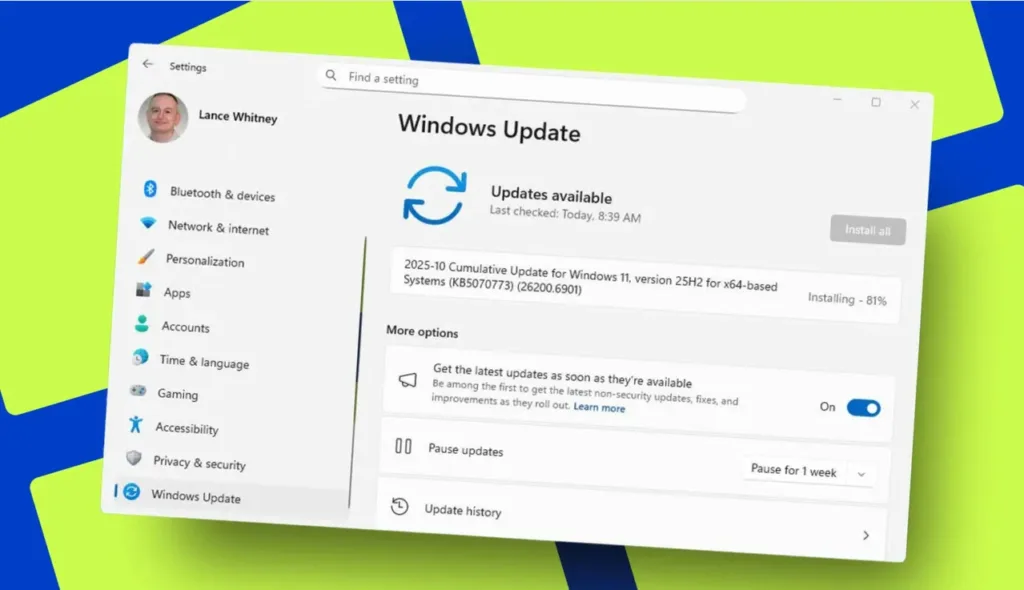
Microsoft has made the process of applying these critical patches as straightforward as possible, aiming to minimize any friction for the end-user. However, your proactive involvement is still the key.
The Automatic Update Mechanism
For most users, Windows Update is configured to download and install critical updates automatically. This is a deliberate design choice by Microsoft to ensure that the broadest possible user base is protected quickly. Your computer, much like a well-maintained garden, benefits from regular, automatic tilling and weeding of potential problems.
Understanding “Active Hours”
While many updates install automatically in the background, Windows 11 includes a feature called “Active Hours.” This allows you to specify the times when you typically use your device, ensuring that restarts for updates don’t interrupt your workflow. It’s a gentle reminder from Windows to be mindful of your schedule.
Manual Checking for Updates
If you suspect you haven’t received the update or want to ensure your system is current, you can manually initiate a check for updates. This is a simple process that puts you in the driver’s seat, allowing you to take immediate action.
Navigating the Settings App
To manually check for updates, you will typically navigate to the “Settings” app, then select “Windows Update.” From there, you’ll find a button to “Check for updates.” This action prompts your system to communicate with Microsoft’s servers to detect any available patches. Think of this as opening your mail to see if there are any urgent deliveries.
The Importance of Restarts
Many updates, especially those that address core system components, require a restart to take full effect. Windows will usually prompt you when a restart is necessary. It’s crucial to facilitate these restarts at your earliest convenience to ensure the update is fully integrated and effective. This restart is akin to letting a newly planted seed settle into the soil; it needs that moment to root.
The “Restart Now” Prompt
Pay attention to any “Restart now” notifications. While it might seem inconvenient, delaying these restarts can leave your system vulnerable or prevent the full benefits of the update from being realized. It’s a small sacrifice for enhanced security and stability.
Potential Impacts and Considerations
While the intention behind an emergency update is always positive, the reality of deploying rapid changes can sometimes lead to unexpected outcomes. It’s wise to be aware of these possibilities.
Compatibility Challenges
In rare instances, an update designed to fix one problem can inadvertently create new compatibility issues with certain hardware devices or third-party software. This can be frustrating, but it’s often a temporary setback as Microsoft and hardware/software vendors work to resolve these conflicts. This is like a new road being built in your city; it might cause temporary detours.
Legacy Software and Hardware
Older software or hardware, which may not have been updated to fully support the latest Windows versions, can sometimes be more susceptible to compatibility issues following significant system changes. You might find an older favorite book is no longer compatible with your new e-reader.
Performance Fluctuations
While the goal is always to improve performance, some updates might initially lead to temporary performance fluctuations. This could be due to background processes related to the update or initial optimizations taking place. If you notice a significant and persistent slowdown, it might be worth investigating further. This is like your digital engine taking a moment to adjust to a new fuel blend.
Resource-Intensive Background Processes
After a major update, your system might be engaged in background tasks like indexing files or running new security scans. These processes can temporarily consume more system resources, leading to a perceived performance dip.
The Need for Further Patches
Sometimes, an emergency update is the first step in a multi-stage resolution process. Microsoft might release a follow-up update shortly thereafter to refine the initial fix or address any unforeseen side effects. This is like an initial emergency repair being followed by a more permanent structural reinforcement.
A Layered Approach to Problem Solving
Microsoft often employs a layered approach to software development and maintenance. An emergency update might be a critical first layer, with subsequent updates building upon it to provide a more robust and polished solution.
In light of the recent Microsoft Windows 11 emergency update, users are encouraged to stay informed about the latest developments in technology that can enhance their experience. A related article discusses the advancements in small language models and how they are making AI more accessible to everyone. You can read more about this fascinating topic by visiting this article. Staying updated on such innovations can help users better understand the tools available to them in the ever-evolving digital landscape.
Navigating the Post-Update Landscape
| Metric | Details |
|---|---|
| Update Name | Microsoft Windows 11 Emergency Update KB5026372 |
| Release Date | June 13, 2024 |
| Update Type | Security and Stability Emergency Patch |
| File Size | Approx. 250 MB (varies by system) |
| Purpose | Fix critical security vulnerability affecting Windows 11 systems |
| Installation Time | 10-20 minutes (depending on hardware) |
| Known Issues | Some users report slow startup after update |
| Update Method | Windows Update or manual download from Microsoft Update Catalog |
| Impact on System | Improved security, minor performance impact reported |
| Reboot Required | Yes |
Once you’ve successfully installed the emergency update, there are a few steps you can take to ensure a smooth transition and continued security.
Verifying the Update Installation
After a restart, you can navigate back to “Settings” > “Windows Update” to confirm that the update has been successfully installed. You should see details about the update that was applied. This is your confirmation that the repair crew has finished their work.
Checking Update History
The “View update history” option within Windows Update can provide valuable information, showing you which updates have been installed and their status. This serves as your digital logbook.
Monitoring System Behavior
Continue to monitor your system’s behavior for a few days. If you encounter any new issues, even minor ones, it’s worth noting them down. This information can be invaluable if you need to report a problem to Microsoft. Be like a vigilant guardian of your digital domain.
Reporting Issues to Microsoft
If you experience persistent or significant problems, Microsoft provides avenues for users to report bugs and offer feedback. This direct channel helps them identify and address issues more effectively for all users.
Maintaining Regular Update Practices
The best defense against future emergencies is consistent adherence to regular update practices. Ensure that automatic updates are enabled and that you don’t intentionally defer them for extended periods. This proactive approach is the most effective way to keep your Windows 11 system secure and stable. It’s about cultivating good digital hygiene, much like regular exercise and a healthy diet for your physical well-being.
FAQs
What is the Microsoft Windows 11 emergency update?
The Microsoft Windows 11 emergency update is a critical software patch released by Microsoft to address urgent security vulnerabilities or significant bugs that could impact system stability or user data.
Why does Microsoft release emergency updates for Windows 11?
Microsoft releases emergency updates to quickly fix security flaws or critical issues that cannot wait for the regular update cycle, ensuring users’ devices remain protected and functional.
How can I check if the emergency update for Windows 11 is installed?
You can check for installed updates by going to Settings > Windows Update > Update history on your Windows 11 device. Emergency updates will be listed with their release date and KB number.
Is it necessary to install the Windows 11 emergency update immediately?
Yes, it is highly recommended to install emergency updates as soon as possible because they often address vulnerabilities that could be exploited by malware or hackers.
Can I uninstall a Microsoft Windows 11 emergency update if it causes issues?
In most cases, you can uninstall recent updates via Settings > Windows Update > Update history > Uninstall updates. However, it is advisable to consult official Microsoft support before uninstalling emergency updates to avoid security risks.
