


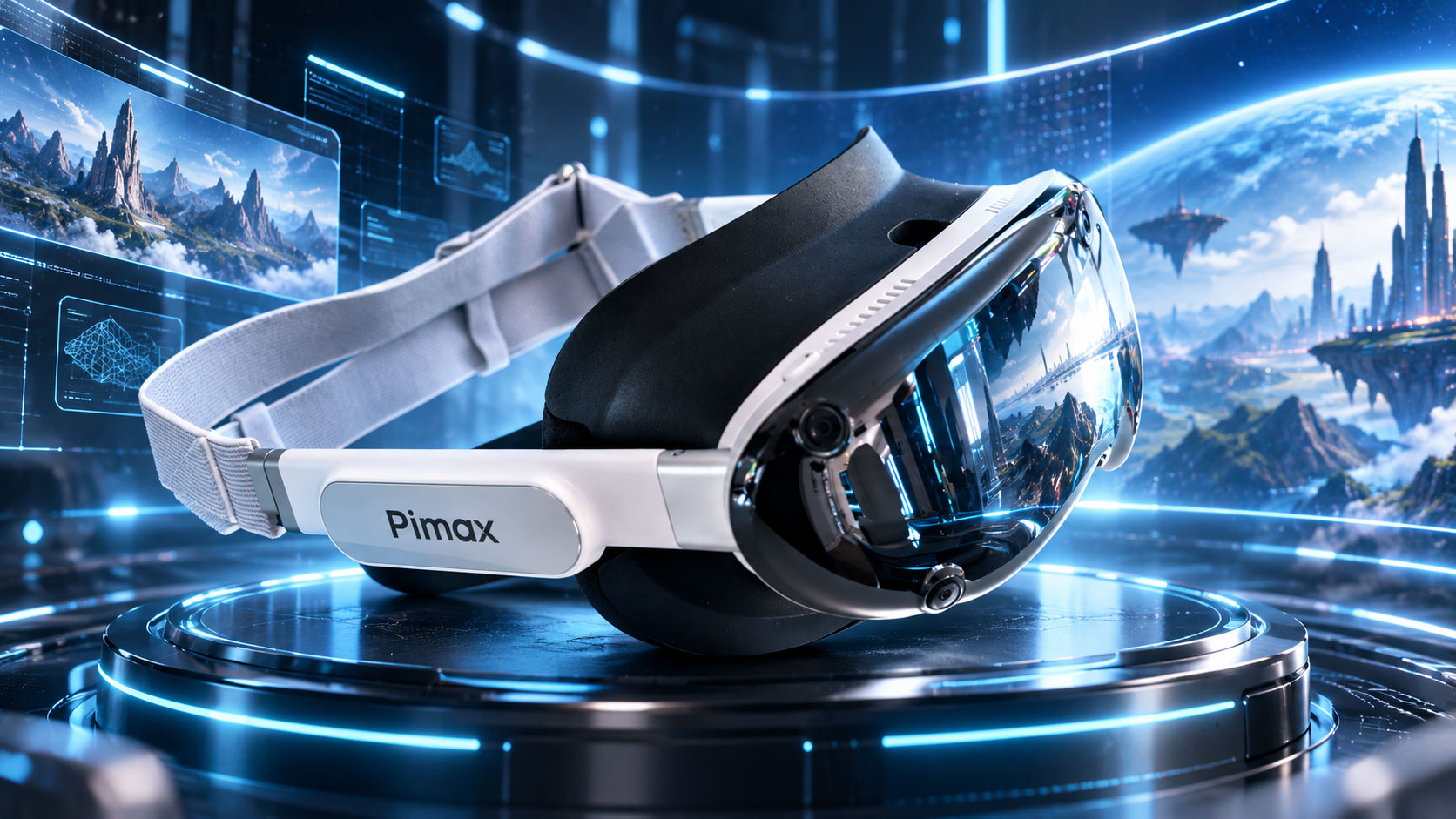
The Gauntlet Thrown: Pimax’s Bold Vision
You’ve probably experienced the evolutionary crawl of technology, a gradual refinement of existing paradigms. But occasionally, a company emerges with a vision so audacious, so distinctly different, that it aims not just to compete, but to fundamentally redefine the landscape. Pimax, a name synonymous with high-fidelity virtual reality, is now setting its sights on a far broader ambition: to leapfrog the established innovations of Steam Frame and Steam Machine. This isn’t just about better VR headsets; it’s about architecting an entirely new computing ecosystem designed from the ground up for the demands of next-generation immersive experiences. You might be wondering, what exactly does this entail, and how does a company primarily known for VR displays intend to challenge the entrenched might of Valve’s hardware and software initiatives? Prepare to delve into Pimax’s audacious strategy, a multi-pronged assault on traditional computing models, aiming to deliver an unparalleled, integrated, and seamless experience that goes beyond what you currently expect from your gaming PC or VR setup.
This isn’t a mere iterative upgrade; it’s a paradigm shift. Pimax isn’t just selling you a headset; they’re aiming to sell you an entire immersive computing platform. Think of the Steam Machine’s promise of a console-like PC gaming experience, but amplified and integrated with cutting-edge virtual and augmented reality. Think of the Steam Frame’s potential for cloud-powered, low-latency streaming, but reimagined with a dedicated hardware and software stack optimized for the most demanding real-time graphics. Pimax believes it can do all of this, and more, by controlling more of the user experience, from the silicon to the software, and ultimately, to the content delivery. You’re not just getting a new piece of hardware; you’re being invited into a new computing philosophy, one where the boundaries between the digital and physical realms blur further than ever before. The question isn’t if Pimax is ambitious, but how they plan to achieve such a monumental undertaking and whether their vision can truly resonate with a market accustomed to the familiar comforts of existing ecosystems.
Pimax is making significant strides in the virtual reality market, aiming to leapfrog the Steam Frame and Steam Machine by offering advanced features and improved performance. This ambitious approach highlights the ongoing competition in the VR space, where companies are constantly innovating to capture the attention of gamers and tech enthusiasts alike. For a deeper understanding of how technology companies can secure their development processes amidst such competition, you can read about managing supply chain risk in the article on DevSecOps at this link.
Reimagining the Immersive Computing Platform
At the core of Pimax’s strategy is the creation of a unified immersive computing platform, a concept that extends far beyond just a VR headset connected to a powerful PC. You might envision this as a complete ecosystem, where hardware, software, and services are meticulously designed to work in concert, eliminating bottlenecks and optimizing for the unique demands of high-fidelity VR, AR, and mixed reality. This holistic approach is a direct response to the fragmented and often clunky experience that many VR enthusiasts currently face. You’re constantly juggling drivers, troubleshooting compatibility issues, and optimizing settings across various applications. Pimax aims to streamline this, offering a plug-and-play experience that delivers peak performance right out of the box, regardless of the application.
The Pimax PC: A Dedicated Immersive Engine
Forget your traditional gaming PC. Pimax envisions a dedicated “Immersive Engine” – a purpose-built computing device designed from the ground up to power their next-generation VR/AR experiences. You can think of this as a highly specialized computer, where every component, from the CPU and GPU to the memory and storage solutions, is selected and configured with a singular goal: to deliver the smoothest, most responsive, and visually stunning immersive experiences possible. This goes beyond simply packing the latest high-end components. It involves deep hardware-software co-design, where specialized firmware and drivers are developed in tandem with the hardware to extract every ounce of performance. Imagine a system where the operating system itself is lightweight and optimized for VR, prioritizing real-time rendering and minimizing background processes that could introduce latency or stutter.
This dedication to a purpose-built machine is where Pimax aims to differentiate itself from the Steam Machine concept. While Steam Machines were essentially pre-built gaming PCs running SteamOS, Pimax’s Immersive Engine aims to be a more radical departure, a specialized appliance where the operating system, hardware architecture, and even the cooling solutions are all tailored for the unique thermal and computational demands of cutting-edge VR. You’ll likely see novel cooling designs, specialized I/O for high-bandwidth headset connections, and perhaps even custom co-processors dedicated to tasks like eye-tracking or foveated rendering. This level of integration promises a level of performance and stability that general-purpose PCs, even high-end ones, struggle to achieve consistently in the demanding realm of virtual reality.
Pimax OS: A Seamless Immersive Interface
Just as critical as the hardware is the software that orchestrates the entire experience. Pimax is reportedly developing its own operating system, or at least a highly customized and optimized overlay, which we can call “Pimax OS” for now. You can imagine this as a lean, efficient platform designed to put immersive applications front and center. Unlike traditional desktop operating systems that are designed for a 2D interface with multiple windows and applications, Pimax OS would likely prioritize a VR-native user interface, making it intuitive to navigate, launch applications, and manage settings directly within your virtual environment.
This bespoke OS would offer several key advantages. Firstly, it allows for tighter integration with Pimax’s hardware, enabling advanced features like dynamic foveated rendering, intelligent resource allocation, and even custom display pipeline optimizations that are simply not possible with a generic operating system. Secondly, it provides Pimax with greater control over the user experience, ensuring a consistent and polished interface across all its devices. You wouldn’t have to contend with conflicting drivers or complex configuration files; everything would be managed seamlessly within the Pimax ecosystem. Think of the simplicity of a console’s user interface, but adapted for the complexities and potential of virtual reality. This dedicated software layer could also facilitate easier content discovery, updates, and even social interactions within a Pimax-centric metaverse.
Redefining Content Delivery and the Developer Ecosystem
A powerful hardware and software platform is only as good as the content it can deliver. Pimax understands this, and their strategy to leapfrog Steam’s innovations extends directly into how you’ll discover, purchase, and experience VR/AR content. This isn’t just about having a store; it’s about fostering a vibrant developer ecosystem and ensuring a continuous stream of high-quality, optimized experiences.
The Pimax Storefront: A Curated Immersive Marketplace
You’re already familiar with digital storefronts like Steam, Epic Games Store, and Oculus Store. Pimax aims to create its own curated marketplace, designed specifically for its immersive platform. This isn’t just a matter of convenience; it’s about control and optimization. By having its own storefront, Pimax can ensure that every application listed is thoroughly tested and optimized for its specific hardware and software stack. This means you’re less likely to encounter compatibility issues, performance bottlenecks, or frustrating bugs.
Furthermore, a curated storefront allows Pimax to champion innovative VR/AR experiences that might struggle to gain visibility on more general gaming platforms. They can offer specific tools and support for developers targeting their unique hardware features, encouraging the creation of titles that truly leverage the full capabilities of the Pimax ecosystem. Think of exclusive titles or enhanced versions of existing games that take advantage of ultra-wide FOV, high resolution, or advanced eye-tracking functionalities that are hallmarks of Pimax devices. This focused approach could lead to a higher quality bar for content, ensuring that every game or application you download delivers a premium immersive experience.
Developer Tools and Incentives: Fueling Innovation
To attract developers, Pimax needs more than just a storefront; it needs a compelling suite of developer tools and strong incentives. You can expect Pimax to invest heavily in providing comprehensive SDKs, robust documentation, and dedicated support for developers looking to build on their platform. This includes tools for optimizing assets for their high-resolution displays, integrating with their unique tracking systems, and leveraging their advanced rendering techniques.
Beyond technical support, Pimax will likely offer attractive revenue sharing models, marketing support, and potentially even funding opportunities for promising VR/AR projects. The goal is to make the Pimax platform an appealing choice for developers, offering them a clear path to reach a dedicated audience of VR enthusiasts. By fostering a strong developer community, Pimax can ensure a steady influx of innovative and high-quality content, directly challenging Steam’s established dominance as a content distribution platform. This is a critical step; without compelling content, even the most advanced hardware and software will fail to gain traction.
Beyond VR Headsets: The Vision of a Unified Immersive Reality
While Pimax is renowned for its VR headsets, their ambitions extend far beyond just delivering better virtual experiences. The long-term vision involves a unified immersive reality platform that seamlessly integrates VR, AR, and mixed reality into your daily life. This is where Pimax truly aims to leapfrog existing innovations by not just improving upon them, but by fundamentally changing how you interact with digital information and the world around you.
Augmented Reality Integration: Blurring the Lines
Imagine a future where your Pimax device isn’t just for escaping into virtual worlds, but for enhancing your perception of the real world. This involves robust augmented reality capabilities, allowing digital information to be overlaid onto your physical environment with perfect precision. Think of interactive digital assistants appearing in your living room, real-time navigation cues projected onto the street, or holographic displays for work and entertainment seamlessly integrated into your daily routine.
Pimax is likely exploring advanced passthrough cameras, spatial mapping technologies, and sophisticated rendering pipelines to achieve this seamless blending of realities. This isn’t just about viewing digital objects; it’s about interacting with them as if they were physically present. This level of AR integration goes beyond what current consumer devices offer and pushes towards a future where your digital life is inextricably intertwined with your physical surroundings, all managed and displayed through a single, powerful Pimax device.
The Metaverse and Interoperability: A Connected Future
Pimax’s vision of a unified immersive reality naturally leads to the concept of the metaverse. However, unlike some companies pushing for proprietary, walled-garden metaverses, Pimax seems to be leaning towards a more open and interoperable approach. You can expect them to champion standards and protocols that allow for seamless movement of avatars, assets, and experiences between different virtual worlds and applications.
This commitment to interoperability is crucial for the long-term success of any metaverse. You wouldn’t want to be locked into a single ecosystem; instead, you’d want the freedom to explore various virtual spaces, interact with diverse communities, and bring your digital identity with you wherever you go. Pimax’s approach here could be a significant differentiator, positioning them as a proponent of an open metaverse, rather than a gatekeeper. By focusing on a foundational immersive computing platform, they aim to provide the underlying technology that powers a multitude of metaverse experiences, rather than dictating what those experiences should be.
Pimax is making significant strides in the virtual reality market as it attempts to leapfrog the Steam Frame and Steam Machine, positioning itself as a formidable competitor. This ambitious move is part of a broader trend in the tech industry where companies are exploring innovative solutions to enhance user experience. For a deeper understanding of how natural language processing is influencing software development, you can check out this insightful article on the power and pitfalls of natural language software development here.
The Road Ahead: Challenges and Opportunities
| Metric | Pimax | Steam Frame | Steam Machine |
|---|---|---|---|
| Release Year | 2023 | 2015 | 2015 |
| Display Resolution | 5120 x 1440 (Dual 4K) | 1920 x 1080 | Varies by model |
| Field of View (FOV) | 200 degrees | N/A | N/A |
| Processor | High-end PC required | Intel Core i5 | Intel Core i5 or better |
| Target Market | VR Enthusiasts and Gamers | Casual Gamers | Casual and Hardcore Gamers |
| Unique Selling Point | Wide FOV and High Resolution VR | Compact Gaming PC | SteamOS Gaming Console |
| Price Range | High | Mid | Mid to High |
Pimax’s audacious goals come with significant challenges, but also immense opportunities. You might be skeptical of a relatively smaller company taking on industry giants, but their focused approach and willingness to innovate radically could give them an edge.
Overcoming Market Dominance and Building Trust
The primary hurdle for Pimax will be overcoming the entrenched market dominance of players like Valve, Meta, and others who have already established significant user bases and developer ecosystems. You’re likely already invested in one of these ecosystems, whether through your Steam library, Oculus content, or existing PC hardware. Convincing you to switch to an entirely new platform, with its own hardware, software, and content store, will require a compelling value proposition and a flawless execution.
Building trust will also be paramount. Pimax has a history of delivering cutting-edge, albeit sometimes niche, VR hardware. To achieve their broader vision, they’ll need to demonstrate unwavering reliability, excellent customer support, and a consistent delivery of on-time, high-quality products and services. This includes not just the initial hardware launch, but continuous software updates, content additions, and community engagement.
The Power of Niche Innovation and Vertical Integration
Despite the challenges, Pimax possesses a unique advantage: its focus. Unlike larger companies that often have diverse product lines and broader strategic goals, Pimax can pour all its resources and expertise into perfecting the immersive computing experience. This vertical integration, from hardware design to software development and content curation, allows for unparalleled optimization and a seamless user experience that is difficult for less integrated companies to replicate.
By catering specifically to the most demanding VR/AR users – those who crave the highest fidelity, widest field of view, and most immersive experiences – Pimax can carve out a loyal user base. This dedicated community can then act as evangelists, helping to spread the word and attract new users to the platform. The opportunity lies in delivering an experience so superior, so fundamentally different, that it creates its own gravitational pull, drawing users away from less optimized, more generalized platforms. If Pimax can consistently deliver on its promise of an unparalleled immersive computing experience, they just might succeed in leapfrogging the innovations you’ve come to expect from the established players.
FAQs
What is Pimax?
Pimax is a technology company known for its virtual reality headsets, particularly the Pimax VR headsets that offer high-resolution displays and wide field of view.
How is Pimax trying to leapfrog the Steam Frame and Steam Machine?
Pimax is aiming to surpass the capabilities of the Steam Frame and Steam Machine by developing advanced VR headsets with cutting-edge features and technology that provide an immersive and high-quality virtual reality experience.
What are some key features of Pimax VR headsets?
Some key features of Pimax VR headsets include high-resolution displays, wide field of view, advanced tracking technology, ergonomic design for comfort, and compatibility with a wide range of VR content and platforms.
How does Pimax plan to compete with Steam in the VR market?
Pimax plans to compete with Steam in the VR market by continuously innovating and improving their VR headsets, offering unique features and capabilities that set them apart from competitors, and building partnerships with developers to expand their VR content library.
Where can I learn more about Pimax VR headsets and their advancements?
You can learn more about Pimax VR headsets and their advancements by visiting the official Pimax website, following their social media channels for updates, reading tech news articles and reviews, and joining online communities and forums dedicated to virtual reality technology.
