



You’ve been tracking the meteoric rise of Starlink, haven’t you? From a visionary promise of global internet access to a tangible reality, its journey has been nothing short of captivating. But a recent whisper in the industry wind has caught your attention – a significant drop in Starlink’s revenue per user (RPU) despite a dramatic surge in its customer base. You’re intrigued, perhaps even a little concerned, about what this implies for the future of satellite internet and, more specifically, for SpaceX’s ambitious venture. Let’s dive into the data and unravel the story behind this seemingly paradoxical trend.
You’re a savvy observer of market dynamics, and you know that rapid expansion often brings its own set of challenges. Starlink’s customer acquisition has been nothing short of phenomenal. You’ve witnessed the reports – subscriber numbers quadrupling in a relatively short timeframe – a testament to the undeniable demand for high-speed, low-latency internet, particularly in underserved regions. This growth, you might assume, would translate directly into a robust increase in revenue. However, the data paints a more nuanced picture.
Understanding the Quadrupling Customer Base
You’ve seen the impressive figures, the headlines touting millions of subscribers, and it’s genuinely remarkable. This explosive growth isn’t accidental; it’s a direct outcome of several strategic factors.
Accessibility and Underserved Markets
Think about it from your perspective: if you live in a rural area with limited or non-existent terrestrial broadband options, Starlink is a godsend. You’ve likely heard stories from friends or colleagues who, prior to Starlink, were stuck with frustratingly slow DSL or dial-up connections. Starlink fills a gaping hole in the global internet infrastructure, offering high-speed access where it was previously impossible or prohibitively expensive. You see the appeal, the sheer necessity.
Technological Prowess and Marketing Savvy
You’ve undoubtedly been impressed by the relentless pace of SpaceX’s rocket launches, and Starlink piggybacks on this success. The constant deployment of new satellites, along with the sophisticated technology that underpins the network, allows Starlink to offer a compelling service. You’ve also observed their direct-to-consumer marketing approach, which leverages the aura of innovation and the promise of a connected world. That image, you’ll admit, is powerful.
Expansion into New Territories
Starlink’s global footprint has been steadily expanding. As you’re aware, obtaining regulatory approval in different countries is a complex process, but Starlink has been navigating these hurdles with increasing success. Each new country opened for service represents a fresh pool of potential customers, further fueling that quadrupling number you’ve been tracking. You understand that this geographical expansion is a key driver of their user base growth.
The Declining Revenue Per User
Now, for the intriguing part. Despite this impressive customer expansion, you’re seeing reports of an 18% drop in revenue per user. This is where your analytical mind starts to whir. How can more users lead to less revenue per user? It seems counterintuitive on the surface, but when you dig deeper, you’ll realize there are several plausible explanations.
Price Adjustments and Tiered Offerings
You’ve likely noticed that Starlink hasn’t kept its pricing static. In an effort to attract more subscribers and compete in various markets, they’ve introduced different pricing tiers and, in some cases, adjusted prices downwards. For example, the introduction of a more affordable “Best Effort” tier allows users to access the network at a lower cost, albeit with potentially slower speeds during peak times. You understand that while this expands the customer base, it inherently lowers the average revenue generated per user.
Geographic Diversity in Pricing
Starlink operates in a multitude of countries, and pricing strategies are rarely uniform across the globe. You know that economic conditions, local competition, and regulatory frameworks influence how Starlink prices its service in different regions. In some developing economies, for instance, the price point for internet access might be significantly lower than in more affluent markets. As Starlink expands into these regions, the average revenue across its entire user base can naturally decrease.
Hardware vs. Service Revenue Dynamics
When a new customer signs up, they typically purchase the Starlink dish and router – the hardware. This initial purchase contributes significantly to the overall revenue generated from that user in the short term. However, the ongoing revenue comes from the monthly service subscription. As the customer base grows, the proportion of “new” hardware purchases relative to the total subscriber base might decrease over time, especially if churn is low. You see how this could lead to a dip in the average revenue per user if new hardware sales aren’t proportionally as high as the service subscriptions.
In light of the recent news that SpaceX’s Starlink revenue per user fell 18% as its customer base quadrupled, it is essential to consider the broader implications of transparency in business practices. A related article discusses how companies can build trust through sustainability efforts, emphasizing the importance of transparency in their operations. This can be particularly relevant for tech companies like SpaceX, as they navigate the challenges of scaling their services while maintaining customer satisfaction and loyalty. For more insights on this topic, you can read the article here: From Greenwashing to Green Winning: How Transparency in Sustainability Builds Trust.
The Strategy Behind the Shift: Prioritizing Market Share
You’re a strategic thinker, and you know that sometimes, short-term revenue per user isn’t the primary metric for a company focused on long-term dominance. In Starlink’s case, you can discern a clear strategic imperative: market share.
Dominating the Untapped Market
Consider the vast, unserved global population – hundreds of millions of people who still lack reliable internet access. For a company like Starlink, this represents an enormous opportunity. You understand that by aggressively expanding its customer base, even if it means a lower RPU in the short term, Starlink is effectively locking in market share in these nascent territories. Once a customer is onboarded, and the hardware is installed, the switching costs to another satellite provider (if one even exists) are relatively high. You see this as a classic “land grab” strategy.
Building Economies of Scale
You’re familiar with the concept of economies of scale. The more users Starlink has, the more data flows through its network. This increased utilization can lead to a lower cost per bit transmitted. You understand that a larger customer base also justifies further investment in launching more satellites and upgrading ground stations, which in turn improves service quality and capacity for all users. This virtuous cycle is crucial for long-term profitability.
Amortizing Development Costs
The research, development, and deployment of Starlink’s constellation represent a colossal investment. You know that these upfront costs are enormous. By expanding its user base rapidly, Starlink is effectively spreading these fixed costs over a larger number of subscribers. This means that, over time, the average cost to serve each user decreases, even if the revenue per user also dips initially. You recognize this as a critical aspect of scaling a capital-intensive business.
Network Optimization and Efficiencies
The more data you transmit and the more users you have, the more opportunities there are for network optimization. You understand that Starlink can gather valuable data on usage patterns, congestion points, and service demands. This data allows them to fine-tune their routing algorithms, allocate bandwidth more efficiently, and continuously improve the overall network performance. These efficiencies contribute to a lower operational cost per user, even if the revenue per user is lower.
The Competitive Landscape: Pressures and Opportunities

You’re always keeping an eye on the competition, and Starlink is certainly not operating in a vacuum. The satellite internet market, while still relatively niche, is becoming increasingly competitive.
SpaceX’s Starlink has recently faced a notable decline in revenue per user, which fell by 18% even as its customer base quadrupled. This shift raises questions about the sustainability of its business model in the rapidly evolving satellite internet market. For a deeper understanding of the challenges that tech companies face in a global context, including issues related to data localization and geopolitical factors, you can explore this insightful article on navigating these complexities. The interplay between customer growth and revenue dynamics is crucial for the future of services like Starlink, making it essential to stay informed about the broader landscape. You can read more about these challenges in the article navigating geo-patriation and data localization.
Emerging Rivals and Legacy Players
You’ve heard about other companies, like Amazon’s Project Kuiper, that are also aiming to launch their own constellations of broadband satellites. While Kuiper is still in its early stages, its entry will undoubtedly intensify competition. Furthermore, you’re aware of legacy satellite providers like Viasat and HughesNet, who, while offering different technological approaches (geosynchronous satellites), still represent alternative options for some users. This competitive pressure, you realize, can influence pricing strategies and incentivize a focus on market share over immediate RPU.
Innovation and Differentiation
In a competitive market, you know that innovation is key. Starlink’s unique selling propositions include its low latency due to the low Earth orbit (LEO) constellation and its relatively easy self-installation. As competition heats up, you anticipate that Starlink will continue to innovate, potentially introducing new services or features to differentiate itself further. This could include enhanced portability options, specialized enterprise solutions, or even integration with other SpaceX services.
Pricing Wars and Margin Compression
If other LEO satellite providers enter the market, you can anticipate the possibility of pricing wars. To maintain or gain market share, Starlink might feel compelled to offer even more competitive pricing, which would further impact its RPU. You understand this is a delicate balancing act – attracting customers without sacrificing too much margin.
The Value Proposition Beyond Pure Speed
While speed is a significant draw, you recognize that Starlink’s value proposition extends beyond raw Mbps. For many, it’s about reliable connectivity where none existed before.
Bridging the Digital Divide
You’ve seen the impact of the digital divide firsthand or through the news. Starlink offers a lifeline to communities that have been left behind by traditional broadband infrastructure. For these users, it’s not just about streaming movies; it’s about remote education, telemedicine, economic opportunities, and vital communication. You understand that this societal impact is a powerful motivator for both customers and, potentially, for Starlink’s pricing strategy.
Disaster Relief and Emergency Services
In the aftermath of natural disasters, when terrestrial communication infrastructure is damaged, Starlink has proven invaluable. You’ve seen the reports of its deployment in Ukraine, providing critical internet access during a time of crisis. This role – as a resilient communication backbone – adds another layer to its value proposition, potentially appealing to government agencies and humanitarian organizations, even if these represent a smaller portion of the overall RPU.
Long-Term Outlook: What Does This Mean for Starlink’s Profitability?
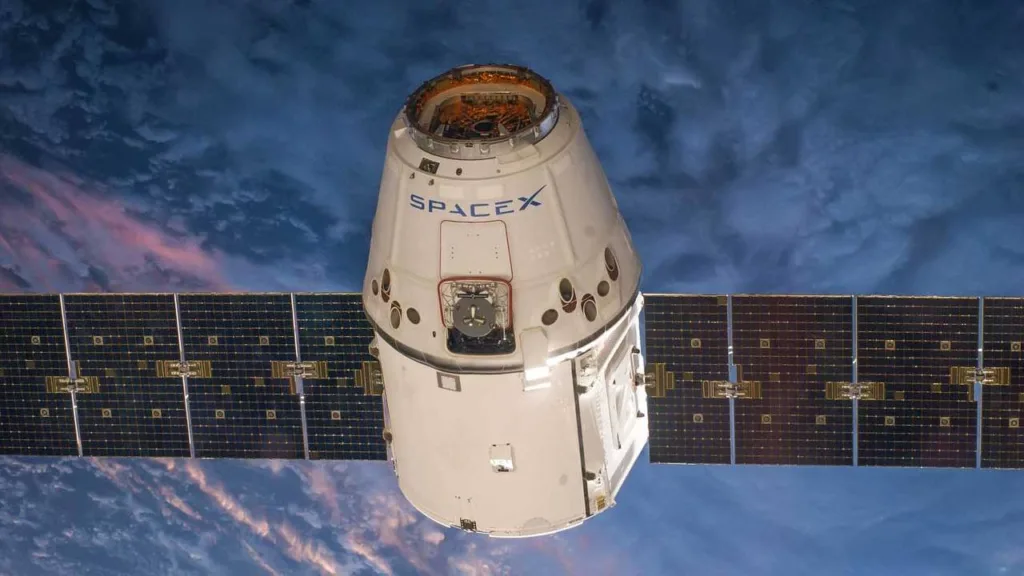
You’re always looking at the bigger picture, and for Starlink, the critical question is whether this strategy of rapid customer acquisition at a lower RPU is sustainable and ultimately profitable.
The Path to Profitability
Starlink, like many ambitious tech ventures, has substantial upfront costs. You understand that profitability isn’t an overnight achievement. The path to long-term profitability hinges on several factors.
Sustained Subscriber Growth
You know that continued subscriber growth, even if RPU remains flat or declines slightly, will eventually lead to substantial total revenue. As the network matures and becomes more efficient, the costs associated with serving each additional subscriber should decrease, improving overall margins.
Introduction of Higher-Value Services
Starlink isn’t just for consumers. You’ve seen the rollout of services for businesses, maritime applications, and even aviation. These higher-value enterprise customers typically command a much higher RPU than residential users. You anticipate that as Starlink develops and refines these specialized offerings, they will contribute significantly to the overall average RPU and boost profitability.
Operational Efficiencies and Cost Optimization
SpaceX is renowned for its engineering prowess and its focus on cost reduction. You can expect Starlink to continuously seek ways to optimize its operations, from manufacturing processes for the dishes to the launch cadence of its satellites. Every efficiency gained directly contributes to better margins, even with lower RPUs.
The Investment Narrative and Valuation
You’re aware that Starlink, as part of SpaceX, often operates with a long-term investment horizon. Investors are often willing to tolerate lower short-term profitability if the growth trajectory and market potential are compelling.
Future IPO Potential
You’ve heard the whispers about a potential Starlink IPO. A large, rapidly growing customer base, even with a lower RPU, can be a highly attractive prospect for investors, especially if it demonstrates market dominance and a clear path to future profitability through scaling and value-added services. You understand that securing such a massive market share now builds a strong foundation for a future public offering.
Synergy with SpaceX’s Broader Vision
Finally, you can’t forget that Starlink is an integral part of Elon Musk’s broader vision for SpaceX and humanity’s expansion into space. The revenue generated by Starlink helps fund other ambitious projects, like advanced rockets and even Mars colonization efforts. You see how Starlink’s success, even if it means a strategic RPU dip, is crucial for realizing these larger goals.
In conclusion, you’ve seen how Starlink’s plummeting revenue per user, despite quadrupled customers, isn’t necessarily a red flag. Instead, it appears to be a calculated strategic move. By prioritizing market share, expanding into underserved regions, and leveraging economies of scale, Starlink is laying the groundwork for long-term dominance in the global internet landscape. You understand that the journey to profitability for such a capital-intensive, ambitious endeavor is complex, but the current trajectory suggests a deliberate and well-considered approach to securing its future in the vast expanse of space-based connectivity.
FAQs
What is SpaceX’s Starlink?
SpaceX’s Starlink is a satellite internet constellation being constructed by SpaceX to provide satellite Internet access across the globe.
How much did SpaceX’s Starlink revenue per user fall?
SpaceX’s Starlink revenue per user fell by 18% as the number of customers quadrupled.
How many customers does SpaceX’s Starlink have?
SpaceX’s Starlink has seen a quadrupling of its customer base.
What is the significance of SpaceX’s Starlink revenue per user falling?
The falling revenue per user for SpaceX’s Starlink is significant as it indicates a trade-off between increased customer base and lower revenue per user.
What are the implications of SpaceX’s Starlink’s growth in customers?
The quadrupling of customers for SpaceX’s Starlink indicates a growing demand for satellite internet services and potential for further expansion and market penetration.
