


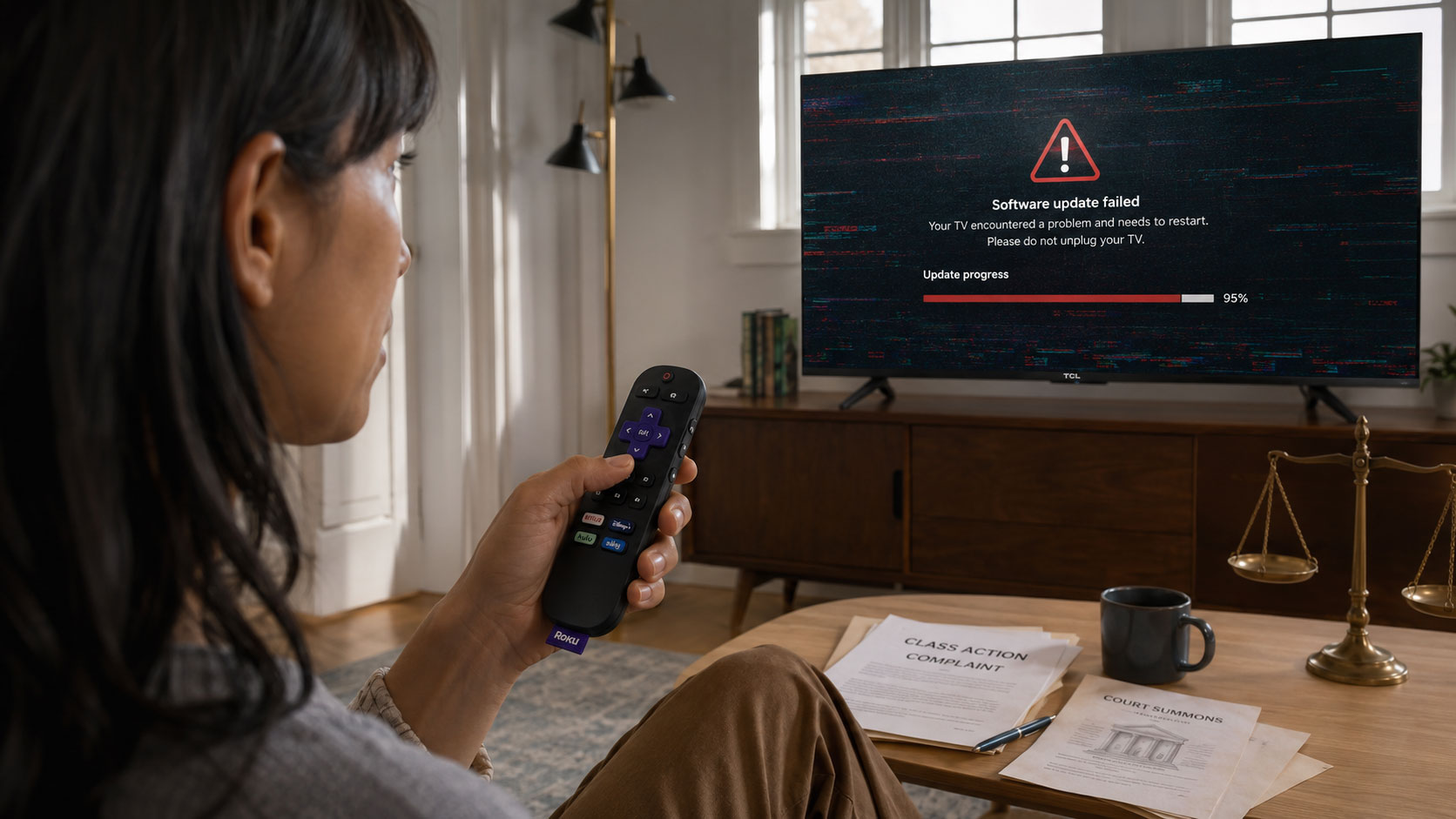
You’ve always trusted your Roku-powered TCL television. It’s been a reliable hub for your entertainment, effortlessly streaming your favorite shows and movies. You invested in it, perhaps even recommending it to friends and family. So, imagine your growing frustration when, after a seemingly routine software update, your once-perfect TV begins behaving erratically, until one day, it simply refuses to turn on. This isn’t a hypothetical scenario; it’s the very real experience of countless consumers who are now part of a class-action lawsuit against Roku and TCL, alleging that faulty software updates intentionally “bricked” their televisions.
The core of the lawsuit lies in the accusation that Roku and TCL knowingly pushed out defective firmware updates to their smart TVs. These updates, rather than improving performance or adding features, allegedly rendered many devices inoperable, turning them into expensive, non-functional bricks.
The Mechanism of Malfunction
How could a software update lead to such a catastrophic failure? The lawsuit posits several potential mechanisms:
- Corrupted Bootloader: The bootloader is essential for a device to start up. If a faulty update corrupts this critical component, the TV won’t be able to initiate its operating system.
- Overloaded System Resources: The updates might have been poorly optimized, demanding more processing power or memory than older hardware could effectively handle, leading to crashes and eventual failure.
- Planned Obsolescence (Alleged): This is a more contentious claim, but the lawsuit suggests that the updates may have been designed to intentionally degrade older models, pushing consumers to purchase newer ones.
The “Bricking” Phenomenon
The term “bricking” perfectly encapsulates the outcome. Your smart TV, once a gateway to digital content, becomes as inert and useless as a literal building brick. This isn’t just an inconvenience; it’s a significant financial loss for consumers, who often paid hundreds, if not thousands, for these devices.
In light of the recent lawsuit accusing Roku and TCL of ‘bricking’ TVs due to defective software updates, it’s essential to consider the broader implications of technology integration in our homes. A related article discusses how to transform a smartphone into a smart home hub, showcasing the potential for seamless connectivity and control over various devices. For more insights on this topic, you can read the article here: Integrating IoT: How to Turn a Smartphone into a Smart Home Hub.
The Consumer Grievances: A Chorus of Frustration
The plaintiffs in the lawsuit represent a significant number of consumers who experienced these failures. Their stories paint a consistent picture of televisions that were working perfectly one day, only to become unusable after a purportedly beneficial software update.
The Sudden Onset of Issues
Many consumers report that the problems began almost immediately after the forced software update was installed. This direct correlation strengthens the argument that the update itself was the culprit. Symptoms often included:
- Frequent Crashes: The TV would unexpectedly restart or freeze during operation.
- Slow Performance: Navigation through menus and app loading times became excruciatingly slow.
- Graphical Glitches: Distorted images, lines on the screen, or flickering.
- Audio Problems: Intermittent sound, crackling, or complete audio loss.
The Ultimate Failure: Powering Down for Good
For many, these initial symptoms were merely precursors to the ultimate failure: the TV simply wouldn’t turn on anymore. You’d press the power button, see nothing, no indicators, just a blank screen and a feeling of dread. It’s a particularly frustrating experience when the device was otherwise fully functional.
The Search for Solutions and the Dead Ends
Naturally, you’d try to troubleshoot the issue. You’d consult online forums, search for common Roku or TCL TV problems, and try basic fixes like unplugging and re-plugging the power cord. But for those affected by the alleged “bricking” update, these efforts were largely in vain.
- Roku/TCL Support: Many consumers report hitting brick walls when seeking support from Roku or TCL. They often describe being told their TVs were out of warranty, or that the issue was unresolvable, without any acknowledgment of a widespread problem.
- Repair Costs: You might have even taken your TV to a repair shop, only to be quoted exorbitant repair costs, sometimes exceeding the price of a new TV, due to the nature of the alleged internal system failure.
The Legal Battle: Seeking Accountability and Redress
The class-action lawsuit is a powerful mechanism for consumers to collectively seek recourse against large corporations. In this case, it aims to hold both Roku and TCL accountable for the alleged damages caused by their faulty software updates.
The Parties Involved
The lawsuit names both Roku and TCL, highlighting their intertwined relationship in the smart TV market.
- Roku’s Role: As the developer of the operating system and software updates, Roku is a primary target. The lawsuit alleges that Roku was responsible for developing and distributing the defective updates.
- TCL’s Role: As the manufacturer of the hardware, TCL is also implicated. The lawsuit suggests that TCL either knowingly installed Roku’s faulty software or failed in its duty to ensure the software’s compatibility and reliability with its hardware.
The Allegations: Breach of Warranty, Unfair Practices, and More
The lawsuit doesn’t just claim faulty updates; it delves into various legal theories to support its claims, including:
- Breach of Express Warranty: The expectation that a product will function as advertised for a reasonable period. If the TVs broke due to a software update, this warranty could be breached.
- Breach of Implied Warranty of Merchantability: The implied promise that a product is fit for the ordinary purposes for which such goods are used. A “bricked” TV clearly fails this test.
- Violation of Consumer Protection Laws: Many states have laws against deceptive or unfair business practices. Allegedly selling TVs that are intentionally or negligently rendered unusable could fall under these statutes.
- Unjust Enrichment: The argument that Roku and TCL benefited financially from these failures (e.g., through increased sales of new TVs) at the expense of consumers.
The Desired Outcomes of the Lawsuit
The plaintiffs are seeking various forms of relief, including:
- Financial Compensation: Reimbursement for the cost of the “bricked” televisions.
- Repair or Replacement: Demanding that Roku and TCL repair or replace the affected devices.
- Injunctive Relief: Seeking a court order to prevent Roku and TCL from issuing similar faulty updates in the future without proper testing.
- Punitive Damages: In some cases, to punish the companies for their alleged egregious conduct and deter similar actions.
The Broader Implications: Software Updates and Consumer Trust
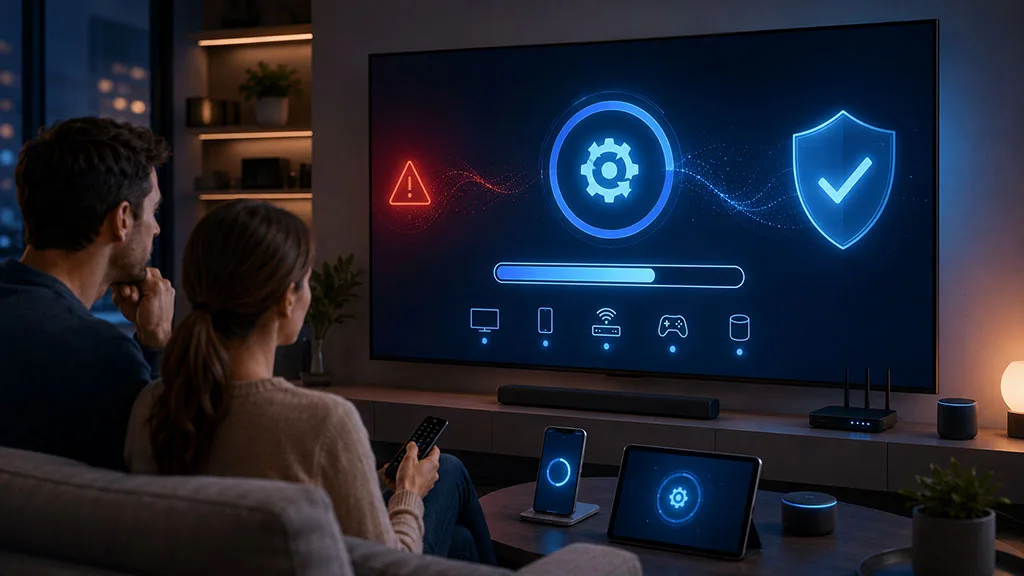
This lawsuit extends beyond the immediate concerns of affected consumers. It raises important questions about the responsibility of tech companies when it comes to software updates and the precious commodity of consumer trust.
The Double-Edged Sword of Software Updates
Software updates are typically seen as a positive. They bring new features, patch security vulnerabilities, and improve performance. However, this case starkly illustrates the potential downsides when updates are poorly executed or, as alleged, intentionally malicious.
- Forced Updates: Many smart devices, including TVs, automatically download and install updates. You often have little to no control over this process, making you vulnerable to any issues introduced by new firmware.
- Lack of Rollback Options: Unlike some computer operating systems, TVs rarely offer an easy way to revert to a previous, stable version of the software if an update causes problems.
The Erosion of Consumer Confidence
Incidents like this can significantly erode consumer confidence in brands and technologies. If you can’t trust a company to deliver reliable software updates, it makes you wary of purchasing their products in the future.
- Hesitation to Update: Consumers might become reluctant to install future updates even when they are genuinely beneficial, fearing a repeat of the “bricking” experience.
- Impact on Brand Reputation: Roku and TCL, both established players in the smart TV market, face a substantial reputational challenge stemming from these allegations.
The Call for Greater Transparency and Accountability
This situation highlights the need for greater transparency from tech companies about their update processes. Consumers deserve to know:
- Thorough Testing: What measures are in place to ensure updates are fully tested before widespread release?
- Bug Reporting and Resolution: How effectively are reported bugs addressed and communicated to users?
- Contingency Plans: What plans are in place if an update goes wrong, such as easy rollback options or compensation for damaged devices?
In light of the recent lawsuit accusing Roku and TCL of ‘bricking’ TVs due to defective software updates, it’s interesting to explore how technology companies navigate challenges in their product offerings. A related article discusses the journey of Uber and its strategies for overcoming obstacles in the competitive landscape of transportation services. You can read more about this fascinating topic in the article on Uber’s disruption strategy here.
Protecting Your Investments: What Can You Do?
| Company | Accusation |
|---|---|
| Roku | Accused of ‘bricking’ TVs with defective software updates |
| TCL | Accused of ‘bricking’ TVs with defective software updates |
While you can’t always prevent a company from pushing a faulty update, there are steps you can take to mitigate risks and protect yourself as a consumer.
Stay Informed and Monitor News
Keeping an eye on tech news outlets and consumer advocacy groups can alert you to widespread issues with specific products or updates.
- Community Forums: Online communities for Roku and TCL users can be valuable sources of information about emerging problems.
- Product Reviews: Always check recent product reviews before making a purchase, looking for any recurring complaints about software updates or device longevity.
Understand Your Warranty and Rights
Familiarize yourself with the warranty terms of any electronics you purchase. Know your consumer rights, especially regarding defective products.
- Keep Records: Retain receipts, warranty information, and any communication with customer support. This documentation is crucial if you ever need to file a claim.
- Consumer Protection Agencies: Know how to contact your local consumer protection agencies, as they can often provide guidance or intervene on your behalf.
Consider Extended Warranties (with Caution)
While traditionally viewed with skepticism, an extended warranty might offer peace of mind in situations where manufacturers are unwilling to honor initial warranties due to alleged software-induced failures. However, always read the fine print and compare the cost against the potential benefit.
Join Class-Action Lawsuits if Applicable
If you are directly affected by a widespread issue like the “bricking” of TVs, joining a class-action lawsuit can be an effective way to seek compensation and contribute to holding companies accountable.
- Eligibility: Understand the criteria for joining a class action, usually based on owning a specific model during a particular timeframe.
- Legal Counsel: Follow the advice of the lead plaintiffs’ legal counsel in the lawsuit.
The lawsuit against Roku and TCL serves as a stark reminder of the complexities of modern connected devices. As software becomes increasingly integral to hardware functionality, the responsibility of companies to ensure their updates are safe, secure, and beneficial—not destructive—becomes paramount. For you, the consumer, it underscores the importance of vigilance, advocacy, and a firm understanding of your rights in an ever-evolving technological landscape.
FAQs
What is the lawsuit accusing Roku and TCL of?
The lawsuit accuses Roku and TCL of “bricking” TVs with defective software updates, rendering them inoperable.
What is the alleged impact of the defective software updates?
The alleged impact of the defective software updates is that they have caused certain TVs to become inoperable, effectively “bricking” them.
What are the plaintiffs seeking in the lawsuit?
The plaintiffs are seeking damages, injunctive relief, and other legal remedies for the alleged harm caused by the defective software updates.
What is Roku’s response to the lawsuit?
Roku has stated that it believes the claims in the lawsuit are without merit and that it intends to defend itself vigorously.
What steps are being taken to address the issue?
At this time, it is unclear what specific steps are being taken to address the issue, as the lawsuit is still ongoing.
