


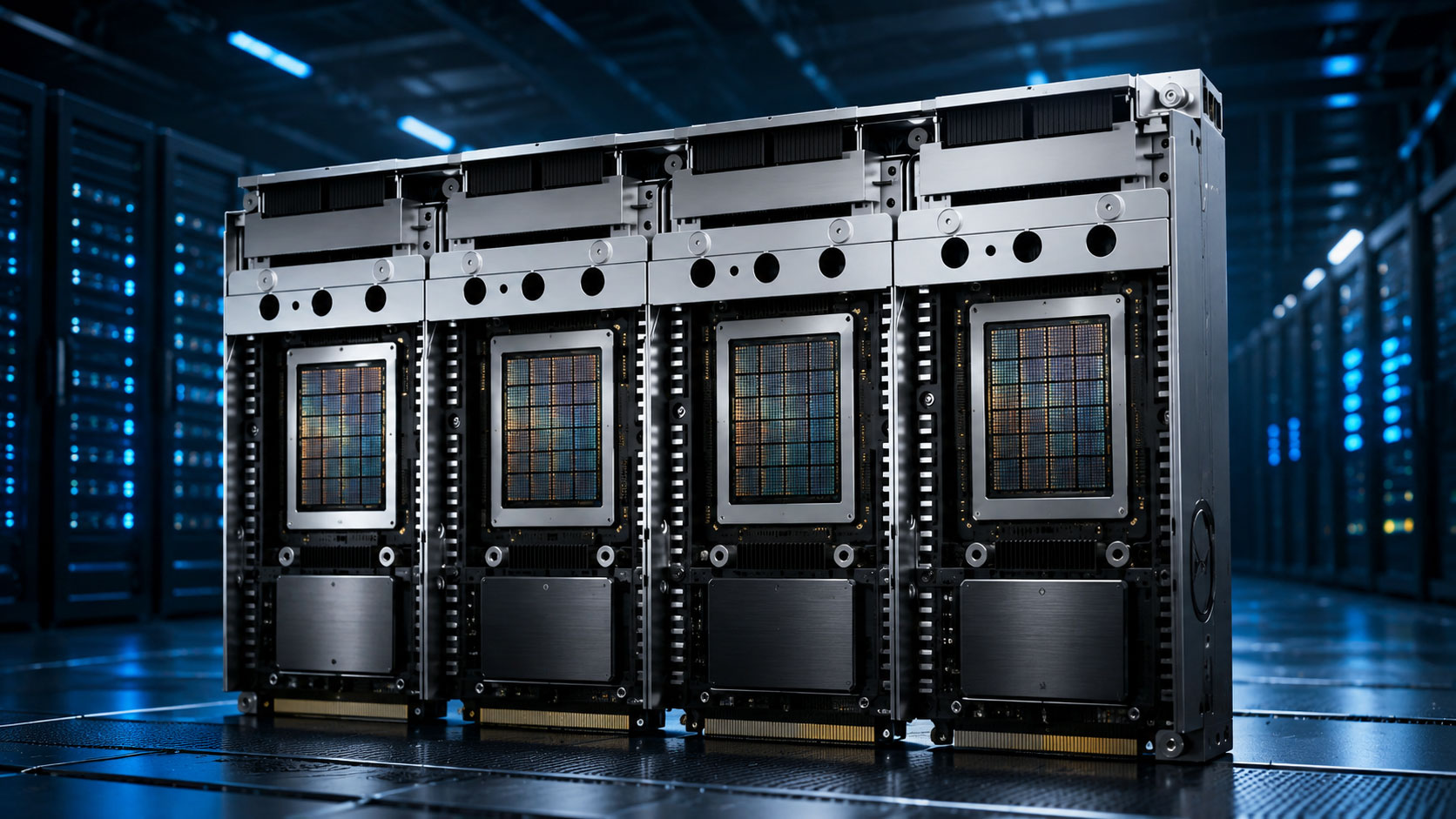
You’re about to delve into the heart of high-performance computing, witnessing a pivotal moment as AMD pulls back the curtain on its Instinct MI430X GPU. This isn’t just another chip; it’s a statement, a declaration of intent for the future of scientific discovery, advanced AI, and complex simulations. As a computing professional, researcher, or simply an enthusiast, understanding the nuances of this new offering is paramount. You’re not just reading about specs; you’re exploring the potential to reshape entire industries.
You know that the demands on high-performance computing (HPC) are relentlessly escalating. From climate modeling to drug discovery, from financial forecasting to autonomous driving, the need for faster, more efficient processing is insatiable. AMD understands this, and the MI430X is their audacious answer. It’s built from the ground up to tackle the most demanding workloads, promising a leap forward that you’ll undoubtedly feel across various domains.
The Ever-Growing Need for Speed
You’ve seen it firsthand: datasets are exploding in size, and algorithms are becoming increasingly intricate. Traditional computing architectures are struggling to keep pace, creating bottlenecks that hinder progress. You need hardware that can scale, that can handle massive parallel operations with unprecedented efficiency. This isn’t just about raw clock speed; it’s about architectural ingenuity, memory bandwidth, and intelligent resource allocation.
AMD’s Vision for HPC
AMD isn’t just reactive; they’re proactive. Their long-term vision for HPC involves a harmonious blend of their CPU and GPU technologies, creating a unified ecosystem that minimizes data movement and maximizes throughput. You’re observing their commitment to open standards and a developer-friendly environment, ensuring that your valuable research and applications can seamlessly transition to their new platforms. The MI430X is a crucial step in realizing this ambitious vision.
AMD recently showcased its Instinct MI430X GPU and discussed future high-performance computing (HPC) systems at the HPC User Forum, highlighting the advancements in GPU technology that are set to revolutionize computational capabilities. For those interested in understanding how engagement metrics can impact technology discussions and presentations, a related article titled “The Post Open Rate Era: 5 Engagement Metrics That Actually Matter” provides valuable insights. You can read the article here: The Post Open Rate Era: 5 Engagement Metrics That Actually Matter.
The Instinct MI430X: A Deep Dive into Innovation
Now, let’s get into the specifics. The Instinct MI430X isn’t just a slight iteration; it represents a significant architectural leap. You’ll find yourself impressed by the sheer density of compute power packed into this accelerator, designed to redefine what’s possible in HPC.
CDNA 4 Architecture: The Engine of Progress
At the core of the MI430X lies AMD’s cutting-edge CDNA 4 architecture. You’re witnessing the culmination of years of research and development, focused entirely on optimizing for accelerated workloads. This isn’t just tweaking existing designs; it’s a fundamental reimagining of how a GPU should process data for scientific and AI applications.
Enhanced Compute Units
You’ll discover that the compute units (CUs) within CDNA 4 have been meticulously re-engineered for greater efficiency and throughput. They’re designed to handle a wider range of data types and execute instructions with fewer cycles, directly translating to faster computations for your complex models. This means less waiting and more insight for your valuable research efforts.
Specialized AI Accelerators
You’ll immediately notice the significant investment in AI acceleration. The MI430X integrates specialized AI engines that are purpose-built to accelerate deep learning training and inference. These aren’t just general-purpose shaders; they’re intelligent units designed to execute matrix multiplications and convolutions with unparalleled speed, which you’ll find indispensable for your machine learning projects.
Optimized for Mixed Precision
You know that modern AI and HPC often leverage mixed-precision computing to achieve performance gains without sacrificing accuracy. The MI430X, with its CDNA 4 architecture, is inherently optimized for various precision formats, including FP64, FP32, FP16, and BF16. This flexibility allows you to choose the optimal precision for your specific workload, achieving both speed and precision in your results.
Memory Subsystem: Feeding the Beast
A powerful GPU is useless without an equally powerful memory subsystem. The MI430X addresses this challenge head-on, providing a memory architecture designed to keep its vast number of compute units continuously fed with data. You’re looking at a system optimized to eliminate data bottlenecks, a common Achilles’ heel in previous generations.
High-Bandwidth Memory (HBM) Integration
You’ll find that the MI430X leverages the latest generation of High-Bandwidth Memory (HBM), delivering an unprecedented level of memory bandwidth. This massive data pipeline ensures that the GPU can access the necessary information without delay, crucial for memory-intensive applications like large-scale simulations and intricate neural networks. Less time waiting for data means more time computing.
Large Memory Capacity
You’ll also appreciate the generous memory capacity offered by the MI430X. Modern HPC workloads often require immense amounts of data to be held in memory. This increased capacity allows you to tackle larger problems, train more complex models, and reduce the need for frequent data transfers between system memory and the GPU, which you know can be a major performance impediment.
Infinity Fabric: Seamless Scalability
You understand that a single GPU, no matter how powerful, often isn’t enough for the most demanding workloads. The MI430X is designed from the ground up for seamless scalability, primarily through AMD’s advanced Infinity Fabric technology. This is where you witness AMD’s commitment to building holistic computing solutions.
High-Speed Interconnect
You’ll see Infinity Fabric enabling high-speed, direct communication between multiple MI430X GPUs within a single node. This low-latency, high-bandwidth interconnect allows GPUs to share data and synchronize operations much faster than traditional PCIe-based solutions. For you, this means dramatically improved performance in multi-GPU applications and distributed computing environments.
Node-to-Node Communication
Beyond intra-node communication, Infinity Fabric also extends to node-to-node connectivity, allowing you to build massively parallel supercomputing clusters. This uniform interconnect architecture minimizes communication overhead, ensuring that your large-scale simulations and distributed AI training jobs run as efficiently as possible. You’re looking at a true foundation for exascale computing.
Unleashing Potential: Use Cases and Expected Impact
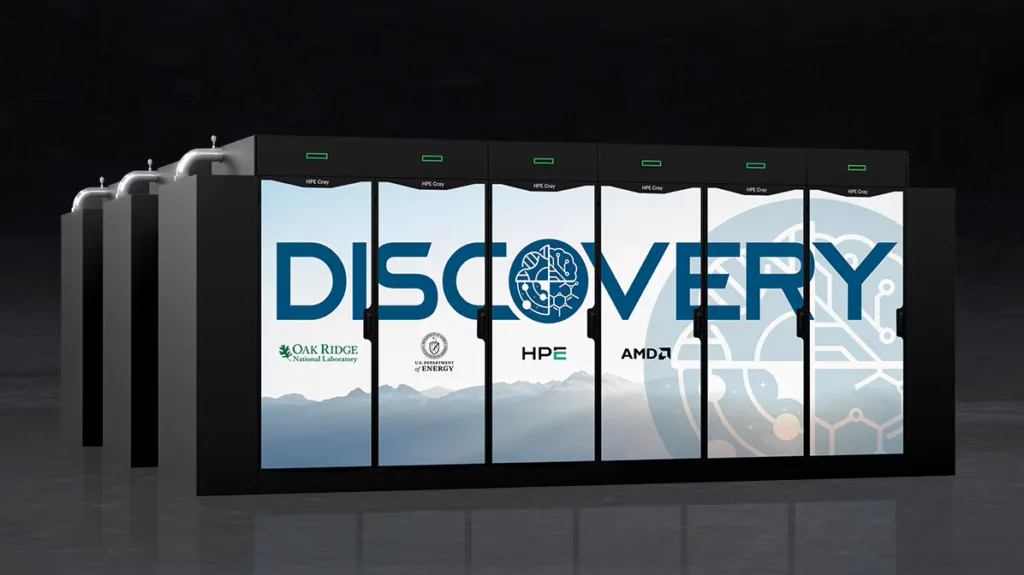
With the Instinct MI430X, AMD isn’t just selling hardware; they’re offering a key to unlock new frontiers across various scientific and industrial domains. You’ll soon see its impact ripple through industries traditionally reliant on massive compute power.
Scientific Research and Discovery
You’re at the forefront of scientific research, and the MI430X promises to accelerate breakthroughs in ways previously unimaginable. Consider the implications for fields that demand extreme computational resources.
Climate Modeling
You know that accurately predicting climate patterns and understanding complex atmospheric phenomena requires immense computational power. The MI430X’s ability to process vast datasets and run intricate simulations at high fidelity will allow you to build more precise models, leading to better predictions and more informed policy decisions regarding climate change.
Drug Discovery and Genomics
You’ve seen the revolution in genomics and the challenges of discovering new drugs. The MI430X will drastically speed up molecular dynamics simulations, protein folding predictions, and AI-driven drug compound screening. This means you can identify potential drug candidates faster, accelerate clinical trials, and ultimately bring life-saving treatments to market sooner.
Astrophysics and Cosmology
You’ll find the MI430X invaluable for simulating the formation of galaxies, the dynamics of black holes, and the evolution of the universe. The ability to handle complex N-body simulations and analyze astronomical datasets will open new avenues for understanding the cosmos.
Artificial Intelligence and Machine Learning
The AI revolution is in full swing, and you’re well aware that the backbone of this revolution is powerful computational hardware. The MI430X is specifically designed to be an AI powerhouse, driving innovation in both training and inference.
Large Language Model (LLM) Training
You’ve seen the rise of LLMs and the extraordinary compute requirements for their training. The MI430X’s specialized AI accelerators and high-bandwidth memory are perfectly suited for training these mammoth models, enabling you to build more sophisticated and capable AI systems with reduced training times. This means faster iteration and quicker deployment of new AI capabilities.
AI Inference at Scale
Beyond training, the MI430X is also poised to excel at AI inference, particularly for large, complex models used in real-time applications. Imagine the possibilities for autonomous vehicles, real-time medical diagnostics, and advanced recommendation engines where immediate, accurate responses are critical. You’ll be able to deploy more intelligent systems with lower latency.
Reinforcement Learning
You’ll also find significant benefits for reinforcement learning research and development. The MI430X can accelerate the extensive simulations and model evaluations required for training intelligent agents, leading to faster progress in robotics, game AI, and other areas where agents learn through interaction.
Engineering and Manufacturing
The MI430X will also have a profound impact on sectors that rely heavily on simulation and modeling for design and optimization. You’ll see direct benefits in faster design cycles and more innovative products.
Finite Element Analysis (FEA)
You know that FEA is crucial for designing everything from airplanes to microchips. The MI430X’s raw compute power will accelerate complex FEA simulations, allowing you to test more design iterations, identify potential weaknesses earlier, and optimize performance before physical prototyping. This means reduced development costs and improved product quality.
Computational Fluid Dynamics (CFD)
For tasks like aerodynamic modeling, weather forecasting, and engine design, CFD is indispensable. The MI430X will enable more detailed and faster CFD simulations, providing engineers with deeper insights into fluid behavior and leading to more efficient and innovative designs. You’ll be able to create better performing vehicles, turbines, and countless other fluid-interacting systems.
Material Science
You’ll find the MI430X invaluable for simulating the behavior of new materials at the atomic and molecular level. This will accelerate the discovery and development of advanced materials with tailored properties for various applications, from aerospace to electronics.
Software Ecosystem and Developer Support
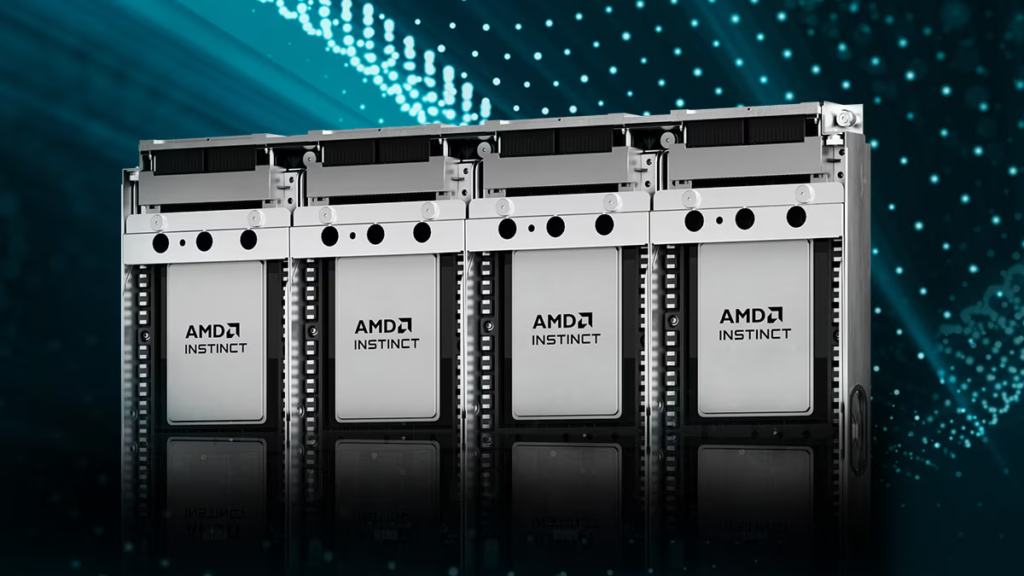
Hardware is only as good as the software that runs on it. AMD understands this implicitly, and they’ve invested heavily in building a robust open-source software ecosystem and providing comprehensive developer support for the MI430X. You’re not just getting a chip; you’re gaining access to a mature, evolving platform.
ROCm: The Open-Source Foundation
You’re familiar with ROCm (Radeon Open Compute platform), AMD’s open-source stack for GPU computing. The MI430X is fully integrated into the latest iteration of ROCm, ensuring compatibility with existing codebases and providing a powerful set of tools for developing new applications.
Comprehensive Libraries
You’ll find that ROCm provides a wealth of optimized libraries for various domains, including linear algebra (rocBLAS), deep learning (rocFFT, MIOpen), and parallel programming (HIP). These libraries are meticulously tuned for AMD GPUs and allow you to leverage the full power of the MI430X without having to program at the lowest hardware level.
HIP for Portability
You’re likely aware of HIP (Heterogeneous-Compute Interface for Portability), AMD’s C++ programming environment that allows you to port CUDA code to AMD GPUs with minimal effort. This is a game-changer for you if you have existing CUDA-based applications, as it dramatically lowers the barrier to entry for utilizing the MI430X. You can leverage your existing knowledge and codebase, accelerating your transition.
Developer Tools and Documentation
You’ll discover a rich suite of developer tools, including compilers, debuggers, and profilers, all designed to help you optimize your applications for the MI430X. Furthermore, AMD provides extensive documentation and community support, ensuring that you have the resources you need to succeed.
Collaboration and Partnerships
AMD isn’t working in isolation. They are actively collaborating with leading researchers, universities, and industry partners to ensure that the MI430X and its associated software stack meet the evolving needs of the HPC community. You’ll benefit from a continuously improving ecosystem driven by real-world demands.
Academic Engagements
You’ll see AMD fostering strong ties with academic institutions, providing early access to hardware and supporting research initiatives. This collaboration ensures that the next generation of scientists and engineers are well-versed in developing on AMD platforms.
Enterprise Solutions
You’ll also observe AMD partnering with major enterprise software vendors and cloud providers to integrate the MI430X into their offerings, making its power accessible to a wider range of users and organizations. This means you’ll find the MI430X increasingly available in the computing environments you rely on.
At the recent HPC User Forum, AMD showcased its Instinct MI430X GPU, emphasizing its potential impact on future high-performance computing systems. This announcement aligns with the growing trend of optimizing hardware for enhanced computational capabilities, which is crucial for various industries. For those interested in exploring design considerations that improve user experience, a related article discusses important aspects of accessibility in digital environments. You can read more about it in this insightful piece on designing for dark mode.
The Road Ahead: Challenges and Opportunities
| Event | AMD Highlights Instinct MI430X GPU, Future HPC Systems at HPC User Forum |
|---|---|
| Date | October 2021 |
| GPU Model | Instinct MI430X |
| Focus | Future HPC Systems |
| Highlights | AMD’s latest GPU technology and its application in high-performance computing |
While the Instinct MI430X represents a remarkable achievement, you understand that the journey in HPC is never-ending. There are always challenges to overcome and new opportunities to seize.
Competitive Landscape
You’re well aware of the intense competition in the HPC accelerator market. NVIDIA’s strong ecosystem and entrenched position pose a significant challenge. However, AMD’s continuous innovation, open-source approach, and commitment to a unified CPU-GPU architecture offer a compelling alternative that you should seriously consider.
Energy Efficiency
You know that power consumption is a growing concern in large-scale HPC deployments. While the MI430X aims for high performance, AMD is also focused on improving its performance per watt. Future iterations will undoubtedly push these boundaries further, which is crucial for building sustainable exascale systems.
Addressing Emerging Workloads
You’ll see the HPC landscape constantly evolving with new algorithms and computing paradigms. AMD must continue to adapt the MI430X architecture and ROCm software stack to address these emerging workloads, ensuring its longevity and relevance in a rapidly changing field. This means continuous updates and forward-thinking design choices to remain at the forefront.
In summary, the AMD Instinct MI430X GPU is more than just a piece of hardware; it’s a strategic move by AMD to cement its position at the vanguard of high-performance computing. You’re witnessing the unveiling of a powerful tool that promises to accelerate scientific discovery, revolutionize AI, and transform industries. Its innovative architecture, robust memory subsystem, and scalable design, backed by a strong open-source software ecosystem, position it as a formidable contender for the future of demanding computational tasks. As you look toward the next generation of HPC systems, you’ll undoubtedly find the MI430X at the heart of many groundbreaking endeavors.
FAQs
What is the AMD Instinct MI430X GPU?
The AMD Instinct MI430X GPU is a high-performance computing (HPC) accelerator designed for data center and HPC workloads. It is part of AMD’s Instinct MI series of GPUs, which are optimized for machine learning, artificial intelligence, and other HPC applications.
What are the key features of the AMD Instinct MI430X GPU?
The AMD Instinct MI430X GPU features a next-generation AMD CDNA 2 architecture, which provides significant performance improvements for HPC workloads. It also includes high-speed HBM2e memory, advanced compute capabilities, and support for industry-standard programming models such as HIP and ROCm.
How does the AMD Instinct MI430X GPU contribute to future HPC systems?
The AMD Instinct MI430X GPU is designed to deliver exceptional performance for HPC workloads, making it well-suited for future HPC systems. Its advanced architecture and compute capabilities enable researchers, scientists, and engineers to tackle complex simulations, data analytics, and other demanding HPC tasks.
What are some potential applications for the AMD Instinct MI430X GPU?
The AMD Instinct MI430X GPU is suitable for a wide range of HPC applications, including weather modeling, computational fluid dynamics, molecular dynamics simulations, and deep learning. It can also be used for accelerating scientific research, drug discovery, and financial modeling.
How does the AMD Instinct MI430X GPU compare to other HPC accelerators?
The AMD Instinct MI430X GPU offers competitive performance and features compared to other HPC accelerators on the market. Its advanced architecture, high-speed memory, and support for industry-standard programming models make it a compelling choice for organizations and research institutions seeking to build powerful HPC systems.
