


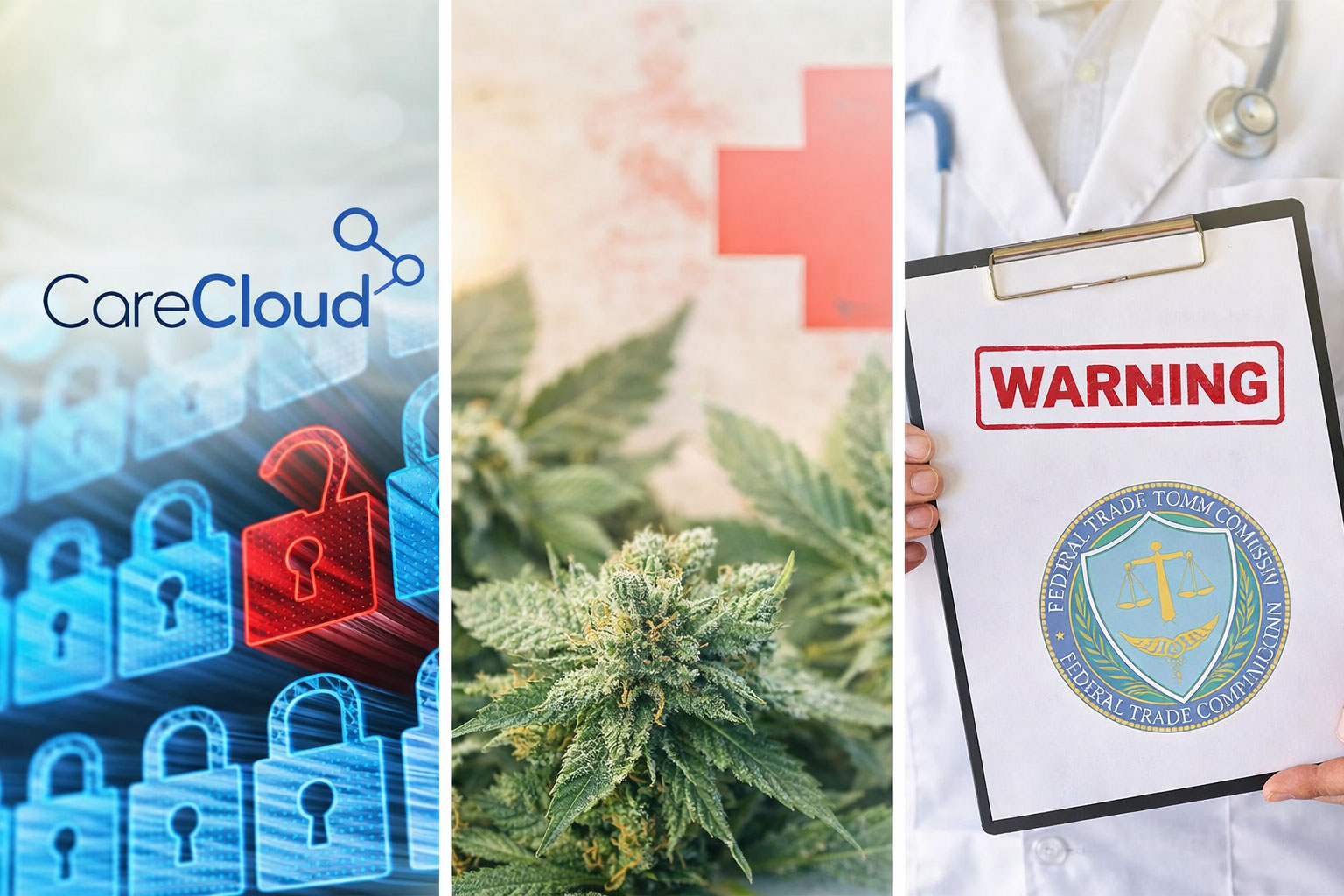
You’ve been following the healthcare news, haven’t you? The landscape shifts constantly, presenting challenges and opportunities that directly impact your professional life and the care you deliver. This past period has been particularly eventful, with significant developments across data security, career trajectories, regulatory frameworks, and the very systems funding medical services. Let’s break down these crucial headlines and understand what they mean for you.
The news of a breach at CareCloud, a prominent provider of cloud-based healthcare solutions, should send a chill down your spine. This event isn’t an isolated incident; it’s a stark reminder of the persistent threats to patient data and the integrity of the systems you rely on.
The Scale of the Problem
When a healthcare organization like CareCloud experiences a cyberattack, the implications are far-reaching. You want to know the specifics, the extent of the damage. What data was compromised? Was it protected health information (PHI) that could lead to identity theft or medical fraud? Understanding the scope helps you assess your own vulnerabilities and the potential ripple effects within your practice and for your patients. The sheer volume of sensitive information handled by these systems makes them prime targets for malicious actors.
The Immediate Fallout
The immediate aftermath of such a breach involves a flurry of activity. You’d expect to see notifications, investigations, and attempts to contain the damage. However, the actual experience for those affected, including providers and patients, can be prolonged and stressful. This includes understanding what steps you need to take to secure your own systems, review your own data security protocols, and prepare for potential patient inquiries.
Lessons for Your Practice
The CareCloud breach serves as an urgent call to action. It’s not enough to have basic security measures in place. You need to be proactive.
Auditing Your Security Infrastructure
Take a critical look at your practice’s cybersecurity. Are your firewalls robust? Is your data encrypted both in transit and at rest? Are your employees trained on phishing attempts and other social engineering tactics? Regular security audits are no longer a luxury; they are a necessity.
Vendor Risk Management
Your reliance on third-party vendors like CareCloud makes vendor risk management paramount. You need to thoroughly vet any service provider you engage, understanding their security practices and their data breach response plans. This includes reviewing contracts and ensuring they meet industry standards and regulatory requirements.
Incident Response Planning
A data breach is not a matter of if, but when. You need a well-defined incident response plan. This plan should outline the steps your practice will take to mitigate the damage, notify affected parties, and comply with legal obligations. Practicing this plan, perhaps through drills, can make a significant difference in a real crisis.
In light of the recent CareCloud breach, which has raised concerns about data security in the healthcare sector, it’s essential to consider the broader implications of workforce changes in this industry. As lucrative jobs in healthcare continue to evolve, particularly with the rise of artificial intelligence, organizations must also navigate the complexities of regulatory changes, such as those surrounding medical marijuana. Furthermore, the ongoing cuts to healthcare funding due to war efforts highlight the urgent need for innovation and adaptability in the field. The FTC’s warning about potential pitfalls in healthcare practices serves as a reminder for professionals to stay informed and proactive. For more insights on retaining knowledge and expertise as the industry transforms, you can read the related article here: Navigating the Expertise Gap.
The Allure of the In-Demand: Lucrative Jobs in Healthcare
Amidst the anxieties of data security, the healthcare sector continues to present compelling career opportunities. Several specialized fields are experiencing a boom, offering lucrative positions and the chance to make a substantial impact. Recognizing these trends allows you to strategically position yourself for growth.
The Rise of the Data Scientist and Analyst
The explosion of healthcare data, driven by electronic health records, wearable devices, and genomic sequencing, has created an insatiable demand for individuals who can make sense of it. Data scientists and analysts are no longer confined to tech companies. Their skills are critical for identifying trends, predicting disease outbreaks, optimizing treatment plans, and improving operational efficiency within hospitals and clinics. These roles often command high salaries due to the specialized knowledge and analytical prowess required.
Telehealth: Expanding Horizons
The widespread adoption of telehealth during recent years has cemented its place in modern healthcare delivery. This has opened up new avenues for professionals. Physicians, nurses, and therapists can now offer their services remotely, reaching patients in underserved areas and providing greater convenience. The demand for skilled remote healthcare providers, coupled with the ongoing development of telehealth platforms, signifies a robust and growing job market.
Advanced Practice Providers (APPs)
The roles of Nurse Practitioners (NPs) and Physician Assistants (PAs) continue to expand and gain prominence. As physician shortages persist in many specialties and geographic areas, APPs are increasingly taking on greater responsibilities, diagnosing and treating patients, ordering diagnostic tests, and prescribing medications. This growing autonomy and demand translate into attractive compensation and significant career fulfillment for these professionals.
Specialized Medical Technicians
Beyond the core clinical roles, the demand for specialized medical technicians continues to rise. Think about roles in areas like radiology, surgical technology, and diagnostic imaging. Advances in medical technology require skilled professionals to operate and maintain sophisticated equipment. These positions often offer competitive salaries and a stable career path with opportunities for specialization.
Navigating the Shifting Sands: Medical Weed Changes

The legal and regulatory landscape surrounding medical cannabis is in a state of perpetual evolution. These changes directly impact how you can approach patient care, research, and even business ventures within this emerging field. Staying informed is essential for navigating these fluid conditions.
State-by-State Divergence
You’ve likely noticed the patchwork of regulations across different states. What is permissible in one state might be strictly prohibited in another. This divergence creates a complex environment for practitioners and patients alike. You need to understand the specific laws in your jurisdiction, which often dictate permissible conditions for treatment, dispensing methods, and physician recommendations.
Evolving Research and Evidence
While medical cannabis is gaining wider acceptance, the scientific evidence supporting its efficacy and safety for various conditions is still developing. You observe ongoing research aimed at understanding its mechanisms of action, identifying optimal dosages, and evaluating its long-term effects. This evolving body of evidence will undoubtedly shape future clinical guidelines and regulatory decisions.
The Insurance Conundrum
One of the persistent challenges in the medical cannabis space is insurance coverage. For the most part, health insurance providers do not cover medical cannabis products. This places a significant financial burden on patients. You might anticipate a future where broader insurance acceptance could increase access and reduce out-of-pocket costs, but that transition remains a work in progress.
The Impact on Prescribing Practices
For you as a practitioner, the changes in medical cannabis laws necessitate a careful approach to understanding patient needs and legal boundaries. You must be aware of the specific conditions for which medical cannabis is approved in your state, the proper documentation required, and any ethical considerations related to recommending or facilitating its use.
Austerity Measures: War Healthcare Cuts

Budgetary constraints emanating from national defense priorities can have significant and often detrimental impacts on healthcare funding. When national budgets are reallocated for military spending, you often see a corresponding reduction in allocations for public health initiatives, research, and even direct patient care services.
Impact on Civilian Healthcare Infrastructure
Cuts to healthcare budgets can directly affect the resources available to civilian hospitals and clinics. This could manifest as reduced staffing levels, outdated equipment, or limitations on access to specialized services. You would likely observe increased waiting times for appointments and procedures, and potentially a decline in the quality of care in some areas.
Neglect of Public Health Programs
Preventive care and public health initiatives often fall victim to budget cuts. Programs focused on disease prevention, health education, and community outreach may be scaled back or eliminated entirely. This can lead to a rise in preventable illnesses and chronic conditions, placing a greater strain on the healthcare system in the long run.
Research and Development Funding
Funding for medical research and development is another area frequently impacted by austerity measures. Reduced investment in research can slow the pace of medical innovation, hindering the development of new treatments and cures for diseases. You might see fewer clinical trials and a slower uptake of promising new therapies.
The Vulnerability of Underserved Populations
These cuts disproportionately affect underserved populations who rely on publicly funded healthcare services. Reduced funding can exacerbate existing health disparities, making it even more difficult for vulnerable communities to access the care they need. You should be aware of how these policy decisions can widen the gap in health outcomes.
The recent CareCloud breach has raised significant concerns about data security in the healthcare sector, especially as lucrative jobs in healthcare continue to grow amid evolving regulations. In addition to this, changes in medical marijuana laws are impacting patient care and treatment options. Meanwhile, funding cuts for healthcare due to increased military spending have sparked debates about the prioritization of resources. As the Federal Trade Commission (FTC) issues warnings about potential scams targeting vulnerable populations, it is crucial for professionals in the industry to stay informed. For more insights on how collaboration and quality assurance can enhance healthcare practices, you can read this related article on contract-first design here.
Regulatory Watchdogs: The FTC Warning
| Topic | Metrics |
|---|---|
| CareCloud breach | Number of affected patients: 7,700 |
| Lucrative jobs in healthcare | Median salary for healthcare administrator: 100,980 |
| Medical weed changes | States with legalized medical marijuana: 36 |
| Healthcare cut for war | Amount of healthcare budget cut for military spending: 35 billion |
| FTC warning | Number of healthcare data breaches reported to FTC: 615 |
The Federal Trade Commission (FTC) serves as a crucial regulator, issuing warnings and enforcing guidelines to protect consumers and businesses. Their recent pronouncements on healthcare practices underscore the importance of ethical conduct and compliance. Heeding these warnings is vital to avoid legal repercussions and maintain professional integrity.
Data Privacy and Security Mandates
The FTC has consistently emphasized the importance of data privacy and security, particularly in the healthcare sector. Their warnings often relate to the impermissible use or disclosure of sensitive health information. You must ensure your practices align with regulations like HIPAA and any newer mandates concerning data handling and breach notification.
Deceptive Advertising and Marketing Practices
Healthcare providers are also subject to FTC scrutiny regarding their advertising and marketing. You want to avoid making unsubstantiated claims about treatments or services. The FTC actively pursues cases involving deceptive or misleading marketing, which can damage your reputation and lead to significant penalties.
Combating Healthcare Fraud
The FTC plays a role in identifying and prosecuting healthcare fraud. This can encompass a wide range of illicit activities, from billing for services not rendered to kickback schemes. You are expected to operate with transparency and integrity, and any deviation can attract the attention of regulatory bodies.
Understanding Enforcement Actions
Familiarize yourself with past FTC enforcement actions within the healthcare industry. These case studies offer practical insights into what constitutes a violation and the potential consequences. This knowledge helps you proactively adjust your own operational procedures to remain compliant.
The Importance of Due Diligence
When engaging in partnerships or with third-party vendors, thorough due diligence is crucial. Ensure that any business associates or partners adhere to the same high standards of ethical conduct and regulatory compliance that you are bound by. The FTC’s oversight extends to the entire healthcare ecosystem.
Staying Ahead of the Curve
Regulatory landscapes are not static. The FTC regularly updates its guidance and priorities. You need to make a commitment to ongoing education and professional development to stay informed about the latest warnings, guidelines, and best practices for healthcare organizations and individual practitioners. This proactive approach is your best defense against potential regulatory challenges.
FAQs
What is the CareCloud breach and how does it affect healthcare?
The CareCloud breach refers to a cybersecurity incident where sensitive patient data was compromised. This breach can have serious implications for healthcare organizations and patients, including potential identity theft and privacy concerns.
What are some lucrative jobs in the healthcare industry?
Some lucrative jobs in the healthcare industry include physician, surgeon, pharmacist, nurse anesthetist, and healthcare administrator. These roles often require advanced education and training, but can offer high salaries and job stability.
What changes are happening in the medical weed industry?
The medical weed industry is experiencing changes such as increased legalization at the state level, expanded research into its medical benefits, and evolving regulations for cultivation and distribution. These changes are impacting the availability and use of medical weed for patients.
How is healthcare being affected by cuts for war efforts?
Healthcare is being affected by cuts for war efforts as resources and funding are redirected towards military operations, potentially leading to reduced access to healthcare services, medical supplies, and support for healthcare workers in conflict-affected areas.
What is the FTC warning related to healthcare?
The FTC has issued a warning related to healthcare, cautioning consumers and healthcare providers about potential scams and fraudulent practices, particularly in relation to COVID-19 testing, treatments, and medical equipment. This warning aims to protect individuals from falling victim to healthcare-related scams.
