


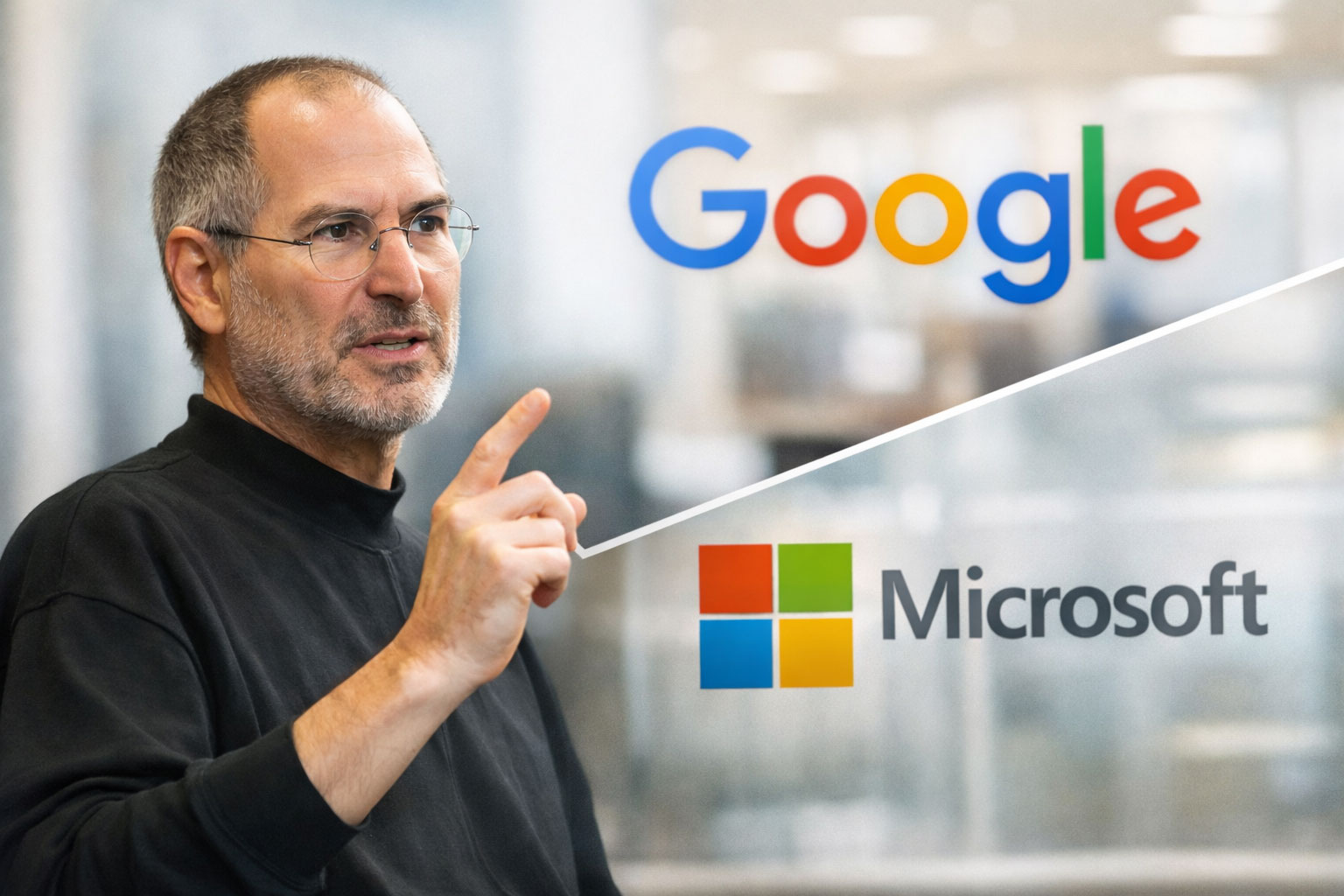
You’ve watched Google. You’ve seen its evolution from a nimble search engine to a sprawling empire, a colossus bestriding the digital world. Yet, beneath the veneer of perpetual innovation and market dominance, you sense a familiar specter emerging – a risk, a trajectory, eerily reminiscent of Microsoft’s past struggles. This isn’t about outright failure; it’s about stagnation, about a diminished return on your immense talent and resources. It’s about being good enough, when you once aspired to unrivaled.
You are, by nature, an organization that thrives on exploration. Your “20% time” ethos, while contributing to breakthroughs like Gmail and AdSense, has also fostered a culture of unrestrained project initiation. Look around you. How many messaging apps do you maintain? How many different ways do you offer cloud storage? How many streaming services have you dabbled in?
A Fragmented User Experience
You’ve likely heard the complaints. Users, your lifeblood, are often bewildered. They encounter Google Duo, then Google Meet, then Google Chat, struggling to discern the distinctions, often defaulting to competitors who offer a clearer, more unified proposition. This isn’t a sign of innovation; it’s a sign of a lack of strategic pruning.
Internal Competition and Resource Dilution
Internally, this proliferation creates more than just confusion; it sparks unnecessary competition. Teams vie for resources, for executive attention, ultimately duplicating effort and diluting your collective focus. Engineers, designers, and marketers are spread thin across a multitude of projects, many of which overlap in functionality or target audience. You are building multiple mediocre solutions when you could be dedicating those same resources to one or two truly exceptional ones. This internal battle for diminishing returns is a drain on your most valuable asset: your human capital.
In a world where technology companies constantly vie for dominance, Steve Jobs once cautioned that Google risked becoming like Microsoft, losing its innovative edge due to a lack of focus. This warning highlights the importance of prioritization in maintaining creativity and efficiency within a company. For those interested in strategies for effective prioritization, the article on the Eisenhower Matrix offers valuable insights on how to navigate the complexities of decision-making in an age of constant urgency. You can read more about it here: Eisenhower Matrix 2.0: Prioritizing in an Age of Constant Urgency.
The Search for the “Next Big Thing” Blind Spot
You are a company born from a foundational technology – search. Your successive triumphs, from Android to Chrome, stemmed from recognizing crucial shifts in computing paradigms and executing brilliantly. However, you now exhibit a consistent pattern of chasing fads, sometimes with a lack of conviction, and often arriving late or departing too early.
The Graveyard of Ambition
Think about Google+, Stadia, Google Glass, or even Project Ara. These were not small investments. You poured billions into these ventures, yet a clear strategic vision often seemed absent. You entered markets where established players were deeply entrenched or where the market simply wasn’t ready. Your willingness to experiment is commendable, but your ability to critically assess and gracefully exit, or more importantly, not enter, these ventures leaves much to be desired.
Superficial Innovation vs. Foundational Breakthroughs
Your current innovation often feels like iteration rather than true disruption. While incremental improvements are necessary, you seem to struggle with identifying and committing to the foundational shifts that will define the next decade of technology. You are reactive to perceived threats or opportunities rather than proactive in shaping them. The “next big thing” isn’t found by throwing everything at the wall; it’s discovered through deep technological insight, sustained investment, and a singular commitment to a transformative vision.
The Enterprise Enigma: A Reluctant Player

For all your consumer-facing dominance, your journey into the enterprise market, particularly cloud computing, has been a protracted struggle. While Google Cloud Platform (GCP) has grown, it lags significantly behind AWS and Azure, despite your immense technical prowess and infrastructure.
A Consumer-First Mentality in a B2B World
Your culture, deeply ingrained with a consumer-centric ethos, often clashes with the demands of enterprise customers. These clients prioritize stability, long-term support, clear roadmaps, and robust service level agreements (SLAs) above rapid iteration or experimental features. You’ve historically struggled to provide the consistent hand-holding and predictable roadmap that large enterprises demand, often adapting your consumer-driven approaches to a market that requires a fundamentally different engagement model.
Lack of Ecosystem Strength and Third-Party Integration
Enterprise customers rarely operate in isolation. They need strong partnerships, a vibrant ecosystem of independent software vendors (ISVs), and seamless integrations with existing legacy systems. While you’ve made strides, you still lack the comprehensive partner network and the deep integrations that AWS and Azure have cultivated over years, giving your competitors a significant advantage in securing and retaining large enterprise contracts.
Regulatory Scrutiny and the Cost of Dominance

Your unparalleled success has made you a prime target for regulatory bodies worldwide. Antitrust concerns, data privacy regulations, and market dominance investigations are now a constant drumbeat in your operations. This is not merely a nuisance; it’s a significant drain on your resources and a potential impediment to future growth.
Compliance Over Innovation
A substantial portion of your legal, policy, and even engineering talent is now dedicated to navigating these complex regulatory landscapes. This necessitates a shift in focus from pure innovation to ensuring compliance, often delaying product launches, re-architecting systems, and redesigning features. The threat of punitive fines or forced divestitures looms large, forcing a cautious approach that can stifle risk-taking.
Public Perception and Trust Erosion
Beyond legal battles, you face a growing challenge in public perception. Accusations of monopolistic practices, data exploitation, and algorithm bias erode trust, which is a critical currency in the digital age. This erosion impacts not only your ability to introduce new products but also your standing with policymakers and, ultimately, your users. You are no longer seen as the benevolent innovator; rather, you are viewed with a healthy dose of skepticism, demanding a reactive and defensive stance that is antithetical to your innovative spirit.
In a thought-provoking discussion about the future of technology, Steve Jobs once warned that Google risked becoming like Microsoft if it lost its focus. This sentiment resonates with the ongoing debates surrounding the ethical governance of AI and its implications for major tech companies. For a deeper understanding of how these issues intersect, you can explore an insightful article on the ethical governance of AI-generated content, which highlights the importance of maintaining a clear vision in the rapidly evolving digital landscape. You can read more about it here.
The Talent Drain and Cultural Drift
| Company | Issue | Warning |
|---|---|---|
| Lack of Focus | Risk of becoming like Microsoft |
You have long been lauded for your ability to attract and retain top talent. Your compensation, perks, and intellectual challenges are legendary. However, signs of cultural drift and potential talent drain are emerging, reminiscent of established giants who struggle to maintain their identity in the face of immense scale.
Loss of Agility and Bureaucratization
As you grow, so does your internal bureaucracy. Decision-making processes become slower, layers of management proliferate, and the ability of individual engineers or small teams to quickly execute on novel ideas diminishes. The “startup within a corporation” ideal becomes increasingly difficult to sustain when faced with corporate policies, compliance hurdles, and inter-departmental politics. This creates frustration among your most ambitious and entrepreneurial employees.
The “Golden Handcuffs” Syndrome
While you still offer attractive compensation, the drive for impact and genuine innovation can be dulled by the sheer scale of the organization. For some, the opportunity to truly make a foundational difference feels diluted, leading to a phenomenon of “golden handcuffs” – employees stay for the benefits and compensation, but their passion and innovative drive are redirected elsewhere, perhaps to smaller, nimbler startups where their individual contributions feel more significant. You risk becoming an employer of choice for comfort, rather than for cutting-edge development.
To avert the Microsoft trajectory, you must consciously and aggressively re-center your operations. This isn’t about halting innovation; it’s about strategic innovation. It demands ruthless prioritization, a willingness to sunset beloved but underperforming projects, and a renewed commitment to a clear, actionable vision beyond short-term market reactions. Your past success was built on focus and a relentless pursuit of a clear objective; your future demands a re-embrace of those very principles.
FAQs
1. Who is Steve Jobs and what was his role in the tech industry?
Steve Jobs was a co-founder of Apple Inc. and played a significant role in the development of the company’s products, including the iPhone, iPad, and Macintosh computer.
2. What did Steve Jobs warn Google about in relation to Microsoft?
Steve Jobs warned Google about the risk of losing focus and becoming like Microsoft, which at the time was criticized for being too broad in its product offerings and lacking innovation.
3. What was the context of Steve Jobs’ warning to Google?
Steve Jobs’ warning to Google was made during a meeting between him and then-CEO Eric Schmidt, where Jobs expressed concerns about Google’s increasing number of product offerings and lack of focus.
4. How did Google respond to Steve Jobs’ warning?
Google took Jobs’ warning seriously and made efforts to streamline its product offerings and focus on core areas such as search, advertising, and mobile software.
5. What was the significance of Steve Jobs’ warning to Google in the tech industry?
Steve Jobs’ warning to Google highlighted the importance of focus and innovation in the tech industry, and served as a cautionary tale for companies to avoid becoming too broad in their product offerings.
