


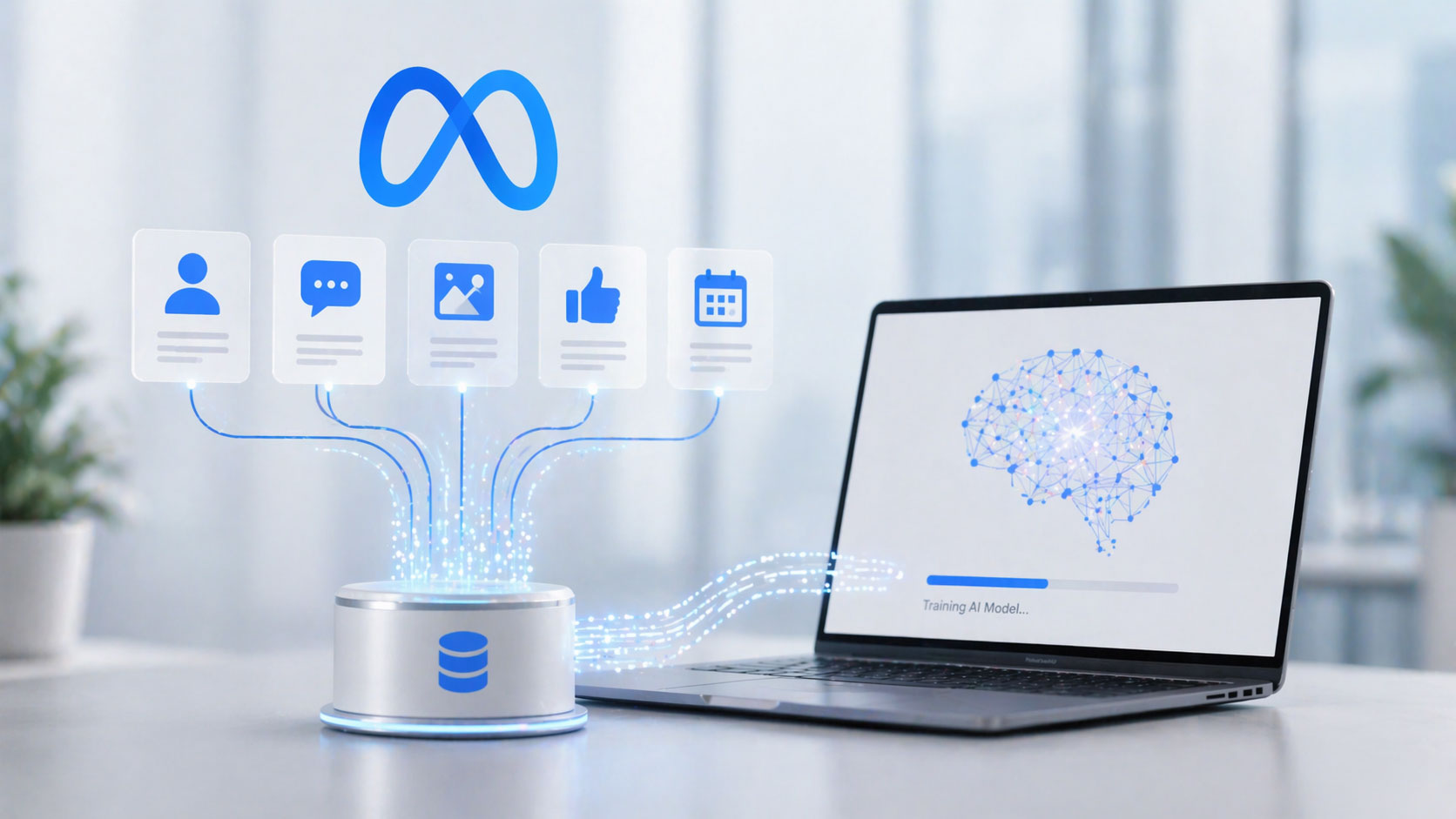
You are reading this because you are an employee of Meta, or you are considering becoming one, or you are simply interested in the ways large technology companies operate and innovate. Today, you are exploring a topic that directly impacts your professional life, your data, and the future of your work experience within Meta: the company’s initiative to gather employee data for Artificial Intelligence (AI) training. This is not a distant future scenario; it is an ongoing process designed to enhance internal operations, improve internal tools, and, by extension, shape your daily workflow.
You might wonder, with a natural curiosity, what exactly ‘employee data’ entails in this context. The breadth of information Meta is collecting is significant, and it extends beyond what you might traditionally consider payroll or HR information. This data is not simply demographic; it is transactional, behavioral, and performative.
Communication Logs: Your Digital Conversations
Your internal communications, whether through instant messaging platforms, email, or collaborative documentation tools, are a rich source of data. The content of these communications, the participants involved, the frequency of exchanges, and even the sentiment expressed within them, can all be analyzed.
- Email Content Analysis: Meta’s systems can process the text within your work emails. This includes identifying key topics, recognizing patterns in communication style, and even assessing urgency or priority without direct human intervention. This analysis aims to streamline information flow and potentially automate responses or categorize messages.
- Internal Messaging Threads: Your conversations on internal chat applications are also part of this data set. The language used, the questions posed, the solutions discussed, and the collaborative problem-solving processes are all valuable inputs for training AI models. These models can then learn to provide relevant information or suggest solutions to common queries.
- Meeting Transcripts (Audio and Visual): For virtual meetings conducted on Meta’s internal platforms, AI can transcribe audio, identify speakers, and even analyze non-verbal cues from video feeds. This data is then used to summarize meetings, identify action items, and create searchable archives of discussions.
Performance Metrics: Quantifying Your Contributions
Your professional output, the metrics tied to your projects, and the feedback you receive are all being considered for AI training. This category of data paints a picture of individual and team performance.
- Project Completion Rates: The success rate of your projects, the time taken for their completion, and the resources utilized are all quantifiable metrics that AI can learn from. This data helps identify potential bottlenecks, optimize project allocation, and predict future project timelines.
- Code Contributions and Quality (for Engineers): If you are an engineer, your code commits, the number of lines written, the bugs introduced and fixed, and the peer review feedback you receive are all valuable data points. AI can analyze coding patterns, suggest improvements, and even identify common errors.
- Feedback and Review Data: The formal feedback you receive during performance reviews, peer reviews, and 360-degree assessments are also incorporated. This qualitative data, when anonymized and aggregated, can help AI understand effective team dynamics, leadership qualities, and common areas for development.
Behavioral Data: Understanding How You Work
Beyond explicit communication and performance, your interactions with internal tools and systems provide a wealth of behavioral data. This reveals how you navigate your digital workspace.
- Application Usage Patterns: The frequency and duration of your use of various internal applications, the features you interact with most, and the sequence of your actions are all tracked. This helps AI understand workflow efficiencies and identify areas where tools might be improved for better user experience.
- Internal Search Queries: Your internal search history provides insights into the information you seek, the challenges you face, and the resources you require. This data is crucial for training AI systems to provide more relevant search results and proactive information delivery.
- Network Activity: While typically associated with security, your network activity within Meta’s internal systems—the resources you access, the internal wikis you visit—can also contribute valuable insights into information consumption patterns and collaboration networks.
In the context of Meta’s initiative to gather employee data for AI training, it’s interesting to consider how technology can enhance workplace efficiency. A related article that explores this theme is “Maximizing Efficiency with Windows 10,” which discusses various features and tools within the operating system that can streamline productivity. You can read more about it here: Maximizing Efficiency with Windows 10. This connection highlights the broader implications of data utilization in improving both individual and organizational performance.
The Stated Purpose: Why is Meta Doing This?
You might naturally ask: what is the overarching objective behind this extensive data gathering? Meta’s stated intention is to leverage AI to create a more efficient, productive, and ultimately, a more streamlined work environment for you and your colleagues.
Enhancing Internal Tools and Systems
A primary objective is to make the tools you use daily smarter and more responsive to your needs. This involves integrating AI at a fundamental level across Meta’s proprietary software.
- Intelligent Search and Information Retrieval: Imagine asking a system a complex question about a past project or a company policy, and receiving an accurate, concise answer instantly. AI, trained on your collective internal data, aims to make this a reality by improving the precision and relevance of information retrieval.
- Automated Task Assistance: For repetitive or time-consuming tasks, AI can offer assistance. This could range from drafting preliminary emails based on meeting notes to summarizing lengthy documents or categorizing incoming requests, freeing up your time for more complex work.
- Personalized Recommendations: Based on your past projects, interests, and skill set, AI can recommend relevant training modules, internal teams to collaborate with, or even opportunities for growth within the company. This aims to foster continuous learning and career development.
Improving Collaboration and Productivity
Meta believes that AI-driven insights can unlock new levels of team efficiency and overall organizational productivity. This extends beyond individual tools to optimizing how teams interact and how work flows.
- Optimizing Resource Allocation: By understanding project needs, team availability, and individual skill sets, AI can assist in the more efficient allocation of human resources to projects, minimizing bottlenecks and maximizing output.
- Streamlining Workflows: AI can identify inefficiencies in current workflows, suggesting improvements or even automating steps to reduce manual effort and accelerate project delivery. This could involve optimizing approval processes or improving cross-functional communication.
- Facilitating Knowledge Sharing: AI can act as a central repository for institutional knowledge, making it easier for new employees to onboard, for existing employees to find answers to complex questions, and for best practices to be disseminated across different teams and departments.
Driving Innovation and Problem Solving
Beyond mere efficiency, Meta sees AI trained on employee data as a catalyst for innovation. The goal is to surface novel insights and accelerate the problem-solving process.
- Identifying Emerging Trends: By analyzing communication patterns and project data, AI can a identify nascent trends within internal discussions, potentially highlighting important issues or opportunities before they become widely apparent.
- Predictive Analytics for Project Success: AI can analyze historical project data to predict the likelihood of success for new projects, identify potential risks, and suggest mitigation strategies, allowing for proactive adjustments.
- Generating Innovative Solutions: In certain scenarios, AI can even assist in brainstorming and generating novel solutions to complex problems by drawing connections and identifying patterns that might not be immediately obvious to human analysts.
Ethical Considerations and Transparency: Addressing Your Concerns

You, as an employee, have a right to understand the ethical framework governing this data collection and Meta’s commitment to transparency. This is not a process undertaken without consideration for the implications on individuals.
Data Anonymization and Aggregation
A crucial aspect of Meta’s ethical approach is the commitment to anonymizing and aggregating data wherever possible. The goal is to derive insights from collective patterns, not to scrutinize individual behavior directly.
- Individual Identifiers Removed: When data is used for training, personal identifiers are intended to be stripped away. The focus shifts from “who said what” to “what was said” or “what patterns emerge.” This helps protect individual privacy while still enabling valuable insights.
- Group-Level Analysis: Many of the AI models are trained on aggregated data from teams, departments, or even the entire company. This allows AI to understand large-scale trends in productivity, communication, and collaboration without singling out individuals.
- No Direct Performance Management: Meta states that the primary use of this AI-derived data is for improving internal systems and for strategic insights, not for direct performance management or individual disciplinary action. There is a distinction drawn between improving tools and monitoring individual employees.
Employee Consent and Opt-Out Options
Your agency in this process is also an important ethical consideration. Meta generally aims for a consensual approach to data collection, though the specifics of opt-out mechanisms can vary.
- General Terms of Employment: Often, the broad terms of data collection for improving internal systems are embedded within the general terms and conditions of your employment contract. By accepting employment, you implicitly agree to certain data usage policies.
- Specific Feature-Based Consent: For newer or more intrusive forms of data collection, Meta might implement more granular consent mechanisms, allowing you to opt-in or opt-out of specific features or data streams.
- Transparency in Data Usage Policies: Meta is expected to provide clear and accessible documentation outlining their data usage policies, specifying what data is collected, how it is used, and the safeguards in place to protect your privacy. This documentation should be easily discoverable within internal portals.
Security and Data Protection
The sanctity of your data is paramount. Meta, as a technology company, invests significantly in robust security measures to protect this sensitive employee information.
- Encryption at Rest and in Transit: Your data is encrypted whether it is being stored on servers or actively being transmitted across Meta’s network, making it unreadable to unauthorized parties.
- Access Controls and Permissions: Access to raw or even anonymized employee data is strictly controlled through multi-factor authentication, role-based access, and regular audits. Only authorized personnel have the necessary permissions to interact with this data.
- Regular Security Audits and Compliance: Meta undergoes regular internal and external security audits to ensure compliance with relevant data protection regulations and industry best practices. This proactive approach aims to identify and mitigate potential vulnerabilities before they can be exploited.
Potential Challenges and Unforeseen Consequences: What Could Go Wrong?

While the intentions behind this initiative might be to improve your work life, it is prudent to examine potential challenges and unforeseen consequences that can arise from such extensive data collection and AI application.
Bias in AI Models
AI models are only as unbiased as the data they are trained on, and human data inherently carries biases. This is a significant challenge you must be aware of.
- Historical Performance Bias: If historical performance data is biased against certain demographics or types of roles, AI models trained on this data could perpetuate or even amplify those biases in recommendations for promotions, project assignments, or training opportunities.
- Communication Style Bias: AI might favor certain communication styles prevalent within certain teams or demographic groups, potentially disadvantaging others whose styles are different but equally effective. This could lead to an unfair assessment of communication effectiveness.
- Algorithmic Discrimination: In extreme cases, if not carefully monitored and mitigated, biased AI models could lead to unintended discrimination in resource allocation, career progression, or even the identification of “high potential” employees. This is a risk that requires continuous vigilance.
Privacy Erosion and Surveillance Concerns
Despite assurances of anonymization and aggregation, the sheer volume and granularity of data being collected can raise legitimate concerns about privacy erosion and a sense of pervasive surveillance.
- The “Panopticon” Effect: Even if individuals are not directly monitored, the knowledge that all their digital interactions are being logged and analyzed can create a chilling effect, leading to self-censorship or a reluctance to express dissenting opinions. This could stifle open communication and innovative thinking.
- Re-identification Risks: While Meta aims for anonymization, the combination of various data points, even when anonymized, can sometimes allow for re-identification of individuals, particularly within smaller teams or niche roles. This is a complex technical challenge that requires ongoing research and sophisticated techniques to mitigate.
- Data Breach Vulnerabilities: The more data Meta collects, the larger the target it becomes for malicious actors. A significant data breach involving employee data could have severe consequences for your personal and professional security.
Over-Reliance on AI and Loss of Human Intuition
The increasing integration of AI into decision-making processes could lead to an over-reliance on algorithmic recommendations, potentially diminishing the value of human intuition, experience, and critical thinking.
- Reduced Critical Assessment: If AI consistently provides what appear to be optimal solutions or insights, you and your colleagues might become less inclined to critically evaluate outcomes or question assumptions, potentially missing nuances that AI cannot yet grasp.
- Stifling Creativity and Maverick Thinking: AI tends to identify and reinforce existing patterns. This could inadvertently stifle creative problem-solving or non-conforming ideas that fall outside established norms but might be truly innovative.
- De-skilling of Employees: If AI automates away too many complex analytical tasks, there is a risk that employees might lose opportunities to develop critical decision-making skills, potentially leading to a de-skilling of certain roles over time.
In the context of growing concerns about data privacy and the ethical implications of AI, a recent article discusses the importance of email marketing and how it can be a valuable asset for businesses in 2025. This piece highlights the significance of building a strong email list and how it can empower companies to connect with their audience more effectively. For more insights on this topic, you can read the article titled The Email Renaissance: Why Your List is Your Most Valuable Asset in 2025. As Meta gathers employee data for AI training, understanding the value of direct communication channels like email becomes increasingly relevant.
Your Role in the AI-Driven Workplace: Adaptation and Engagement
| Data Type | Metrics |
|---|---|
| Employee Information | Names, job titles, departments |
| Work Performance | Productivity, attendance, feedback |
| Behavioral Data | Interactions, communication style |
| Skills and Expertise | Technical skills, certifications |
You are not a passive observer in this evolving landscape. Your interaction with these new AI systems, your feedback, and your understanding of their capabilities are crucial for their successful implementation and for shaping your future work environment.
Providing Constructive Feedback
Your direct experience with AI-powered tools is invaluable. Providing well-reasoned feedback can significantly influence the evolution of these systems.
- Reporting Inaccuracies: If an AI-generated summary is incorrect, a recommendation is irrelevant, or an automated task fails, report it. Your specific examples are critical for debugging and refinement.
- Suggesting Improvements: Think about how an AI tool could better assist you. Your practical insights from daily use can lead to innovative feature suggestions that developers might not have considered.
- Highlighting Biases: If you perceive any unfairness or bias in AI recommendations or outputs, it is incumbent upon you to report it. Identifying and addressing bias requires active human oversight.
Understanding AI Capabilities and Limitations
To effectively work alongside AI, you must develop an understanding of what it can and cannot do well. This knowledge will empower you to leverage its strengths and compensate for its weaknesses.
- Leveraging Automation for Repetitive Tasks: Identify areas in your workflow where AI can take over monotonous, rule-based tasks, freeing you to focus on activities that require human creativity, empathy, or complex problem-solving.
- Using AI for Information Synthesis, Not Sole Decision-Making: View AI as a powerful assistant for aggregating data, identifying patterns, and generating insights, but recognize that final decisions often require human judgment and contextual understanding.
- Recognizing AI’s “Black Box” Nature: Understand that AI models can sometimes produce results without transparently explaining their reasoning. This means maintaining a degree of skepticism and validating AI outputs, especially in critical situations.
Advocating for Ethical AI Practices
As an employee, you have a voice within Meta. You can advocate for stronger ethical guidelines and more robust protections regarding the use of AI and employee data.
- Participating in Internal Discussions: Engage in company-wide forums or discussions around AI ethics, privacy, and data usage. Your perspective as a data contributor is vital.
- Raising Concerns with HR or Management: If you have specific, well-founded concerns about data usage or potential misapplications of AI, communicate them through appropriate internal channels.
- Championing Human Oversight: Advocate for the continuous involvement of human experts in monitoring, evaluating, and refining AI systems, particularly those that impact human resources or career progression.
In conclusion, you are at the forefront of a significant evolution in the workplace. Meta’s drive to train AI on employee data is a comprehensive initiative with far-reaching implications. Recognizing the scope of data collection, understanding the stated objectives, engaging with the ethical considerations, being aware of the potential challenges, and actively participating in shaping this future are all crucial responsibilities you hold as an employee navigating this AI-driven landscape. Your proactive engagement will ultimately contribute to whether this technology becomes a beneficial force, or one that introduces unforeseen complexities.
FAQs
What is Meta’s purpose for gathering employee data for AI training?
Meta is gathering employee data to improve its AI systems and develop better virtual assistants for workplace use.
What type of employee data is Meta collecting for AI training?
Meta is collecting data such as audio, video, and other interactions from workplace virtual assistants to train its AI systems.
How will Meta use the employee data for AI training?
Meta will use the collected employee data to train its AI systems to better understand and respond to workplace interactions, ultimately improving virtual assistant performance.
What are the potential benefits of Meta gathering employee data for AI training?
The potential benefits of Meta gathering employee data for AI training include improved virtual assistant performance, better workplace productivity, and enhanced user experiences.
What are the privacy concerns surrounding Meta’s gathering of employee data for AI training?
Privacy concerns surrounding Meta’s gathering of employee data for AI training include potential misuse of personal information, data security risks, and the need for transparent data usage policies.
