


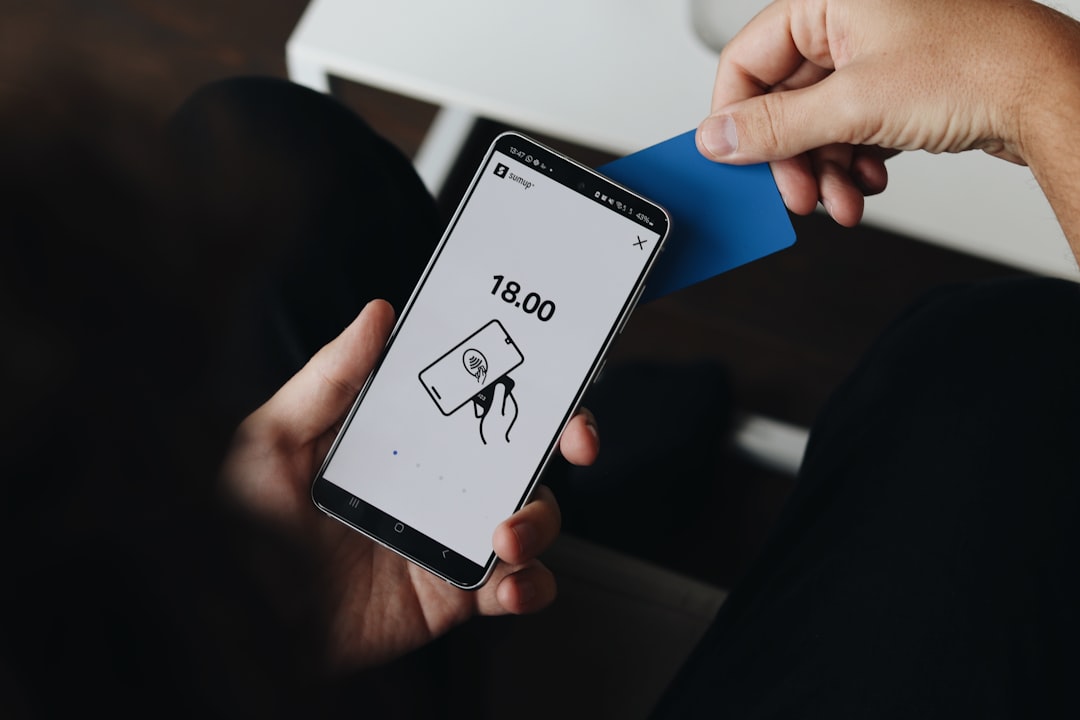
The evolution of mobile payments has been nothing short of revolutionary, transforming the way consumers conduct transactions in an increasingly digital world. With the proliferation of smartphones and the advent of high-speed internet, mobile payment systems have gained traction, allowing users to make purchases with just a few taps on their screens. According to a report by Statista, the global mobile payment market is projected to reach over $12 trillion by 2025, highlighting the growing acceptance and reliance on mobile payment solutions.
This surge can be attributed to several factors, including convenience, speed, and the integration of advanced technologies that enhance user experience. As consumers become more accustomed to digital transactions, traditional payment methods such as cash and credit cards are gradually being overshadowed. The COVID-19 pandemic accelerated this shift, as health concerns prompted many to seek contactless payment options.
Retailers and service providers quickly adapted by implementing mobile payment solutions, further embedding these technologies into everyday life. Companies like Apple, Google, and Samsung have developed their own mobile wallets, while third-party platforms like PayPal and Venmo have also gained popularity. This competitive landscape has driven innovation, resulting in a diverse array of mobile payment options that cater to various consumer preferences.
Key Takeaways
- Mobile payments are on the rise, with more people using their smartphones to make transactions.
- Secure wallets are crucial for protecting sensitive financial information and preventing fraud.
- Integrating secure wallets into your app can improve user experience and increase trust in your platform.
- Biometric authentication adds an extra layer of security to mobile payments, making transactions more secure.
- Contactless payments are the future, offering convenience and speed for consumers and businesses.
The Importance of Secure Wallets
In the realm of mobile payments, security is paramount. As users increasingly rely on their smartphones for financial transactions, the need for secure wallets has never been more critical. A secure wallet not only protects sensitive information such as credit card numbers and personal identification but also instills confidence in users who may be hesitant to adopt new payment technologies.
The importance of robust security measures cannot be overstated; a single data breach can lead to significant financial losses and damage to a company’s reputation. Secure wallets employ various encryption techniques and security protocols to safeguard user data. For instance, many wallets utilize tokenization, which replaces sensitive information with unique identifiers that cannot be reverse-engineered.
This means that even if a hacker intercepts transaction data, they would be unable to access the actual credit card numbers or personal information. Additionally, secure wallets often incorporate multi-factor authentication (MFA) methods, requiring users to verify their identity through multiple channels before completing a transaction. This layered approach to security is essential in building trust among users and ensuring the long-term viability of mobile payment systems.
The Benefits of Integrating Secure Wallets into Your App
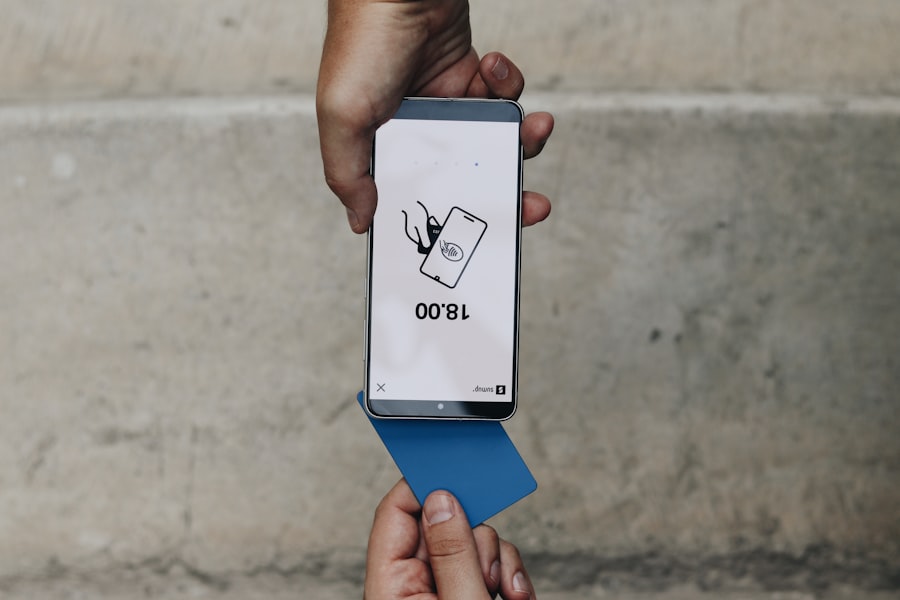
Integrating secure wallets into mobile applications offers numerous advantages for both developers and users. For developers, incorporating a secure wallet can enhance the overall functionality of an app, making it more appealing to potential users. A seamless payment experience can significantly improve user retention rates, as customers are more likely to return to an app that offers convenience and security in their transactions.
Furthermore, by providing a secure wallet option, developers can differentiate their app from competitors, positioning it as a trustworthy platform for financial transactions. From the user’s perspective, the benefits are equally compelling. A secure wallet simplifies the payment process by allowing users to store multiple payment methods in one place, eliminating the need to enter card details for every transaction.
This not only saves time but also reduces the likelihood of errors during checkout. Additionally, many secure wallets offer features such as transaction history tracking and budgeting tools, empowering users to manage their finances more effectively. By integrating secure wallets into apps, developers can create a more holistic user experience that fosters loyalty and encourages repeat usage.
The Role of Biometric Authentication in Mobile Payments
Biometric authentication has emerged as a game-changer in the realm of mobile payments, providing an additional layer of security that is both user-friendly and effective. By leveraging unique biological traits such as fingerprints, facial recognition, or iris scans, biometric authentication ensures that only authorized users can access their mobile wallets and complete transactions. This technology not only enhances security but also streamlines the payment process, allowing users to authenticate their identity with minimal effort.
The adoption of biometric authentication has been driven by advancements in smartphone technology. Modern devices are equipped with sophisticated sensors capable of accurately capturing biometric data. For example, Apple’s Face ID and Touch ID have set industry standards for biometric security in mobile payments.
These features not only provide a seamless user experience but also significantly reduce the risk of fraud associated with traditional password-based systems. As consumers become more aware of security threats, the demand for biometric authentication in mobile payments is likely to grow, further solidifying its role in the future of financial transactions.
The Future of Contactless Payments
The future of contactless payments appears bright as technological advancements continue to reshape consumer behavior and preferences. With the increasing adoption of Near Field Communication (NFC) technology, contactless payments are becoming more prevalent across various sectors, from retail to transportation. This trend is expected to accelerate as businesses recognize the benefits of offering contactless options to enhance customer convenience and streamline operations.
Moreover, the integration of Internet of Things (IoT) devices into everyday life is poised to revolutionize contactless payments further. Smart appliances and wearables equipped with payment capabilities will enable consumers to make purchases without even reaching for their smartphones or wallets. For instance, imagine a scenario where a smartwatch automatically processes a payment when a user picks up a coffee from their favorite café.
Overcoming Security Concerns in Mobile Payments
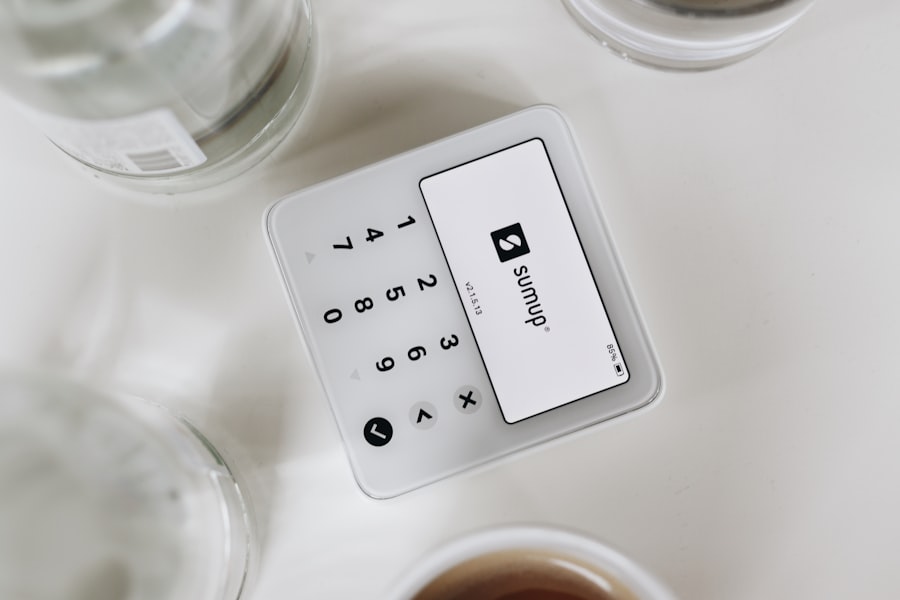
Despite the numerous advantages associated with mobile payments, security concerns remain a significant barrier to widespread adoption. Users often worry about data breaches, identity theft, and unauthorized transactions when using mobile wallets. To address these concerns, stakeholders in the mobile payment ecosystem must prioritize transparency and education regarding security measures.
One effective strategy for overcoming security concerns is to implement robust encryption protocols and regularly update security features to counter emerging threats. Companies should also invest in educating users about best practices for securing their accounts, such as enabling multi-factor authentication and regularly monitoring transaction history for suspicious activity. By fostering a culture of security awareness among users, companies can build trust and encourage greater adoption of mobile payment solutions.
Additionally, regulatory bodies play a crucial role in establishing standards for mobile payment security. Governments around the world are increasingly recognizing the need for comprehensive regulations that protect consumers while fostering innovation in the financial technology sector. By collaborating with industry stakeholders to develop clear guidelines for data protection and privacy, regulators can help create a safer environment for mobile payments.
The Impact of Blockchain Technology on Mobile Payments
Blockchain technology has emerged as a transformative force in various industries, including finance and mobile payments. By providing a decentralized ledger system that enhances transparency and security, blockchain has the potential to revolutionize how transactions are conducted. In the context of mobile payments, blockchain can facilitate faster and more secure transactions while reducing costs associated with intermediaries.
One notable application of blockchain in mobile payments is the use of cryptocurrencies as a payment method. Digital currencies like Bitcoin and Ethereum enable users to make peer-to-peer transactions without relying on traditional banking systems. This not only reduces transaction fees but also allows for cross-border payments that are faster and more efficient than conventional methods.
As more merchants begin accepting cryptocurrencies as a form of payment, the integration of blockchain technology into mobile wallets will likely become increasingly common. Furthermore, blockchain’s inherent security features make it an attractive option for enhancing mobile payment systems. The decentralized nature of blockchain means that data is stored across multiple nodes rather than in a single location, making it significantly more difficult for hackers to compromise sensitive information.
As businesses seek innovative ways to bolster security in their mobile payment offerings, blockchain technology presents a compelling solution that addresses many existing vulnerabilities.
The Potential for In-App Purchases in Mobile Payments
In-app purchases represent a significant opportunity within the mobile payments landscape, particularly as more consumers engage with apps for various services and entertainment options. From gaming apps that offer virtual goods to subscription-based services that provide premium content, in-app purchases have become an integral part of the app economy. The convenience of making purchases directly within an app enhances user experience while driving revenue for developers.
The integration of secure wallets into apps facilitates seamless in-app purchases by allowing users to store their payment information securely within the application. This eliminates friction during the purchasing process and encourages users to make spontaneous purchases without hesitation. For example, gaming apps that offer limited-time promotions or exclusive content can leverage secure wallets to streamline transactions and capitalize on user engagement.
Moreover, as developers explore innovative monetization strategies, in-app purchases will likely evolve beyond traditional models. Subscription services are gaining traction across various industries, from streaming platforms to fitness apps. By integrating secure wallet functionality into these services, developers can create flexible payment options that cater to diverse consumer preferences while ensuring a secure transaction environment.
In conclusion, the landscape of mobile payments is rapidly evolving due to technological advancements and changing consumer behaviors. As secure wallets become increasingly integral to this ecosystem, stakeholders must prioritize security measures while exploring innovative solutions that enhance user experience and drive adoption.
In a recent article on com/generative-ai-explodes-the-tools-and-trends-shaping-creativitys-next-frontier/’>Generative AI Explodes: The Tools and Trends Shaping Creativity’s Next Frontier, the author explores the innovative ways in which artificial intelligence is revolutionizing the creative industry.
This article delves into the potential of AI to enhance the user experience in mobile payments by creating personalized and secure wallets within apps. By leveraging generative AI technology, businesses can stay ahead of the curve and provide customers with a seamless and secure mobile payment experience.
