


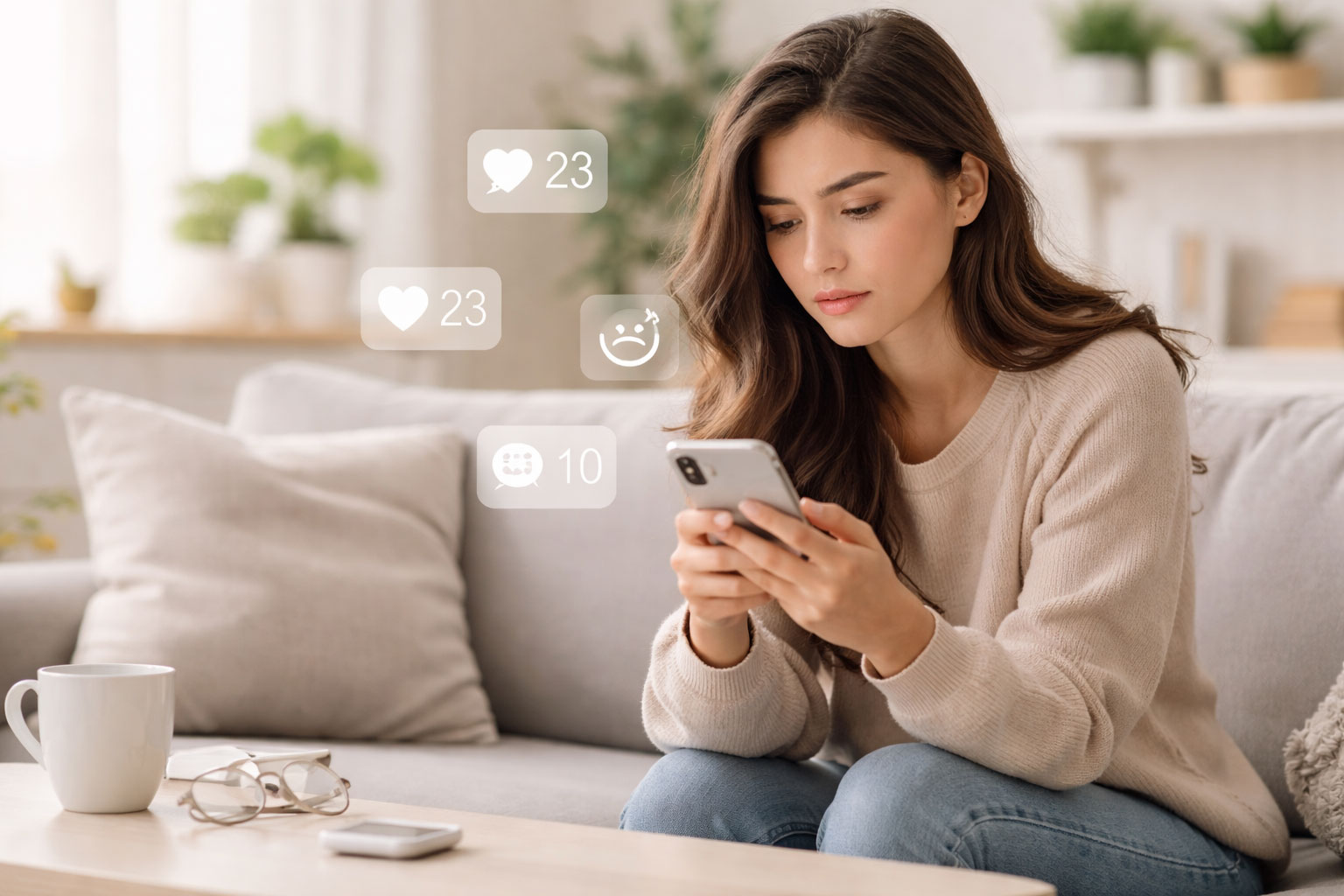
You carry it with you everywhere. It’s the first thing you reach for in the morning and the last thing you see before you close your eyes. This ubiquitous rectangle, your smartphone, has become an extension of yourself, a portal to the world, and a constant companion. Yet, beneath its sleek surface and dazzling capabilities, lies a complex and often challenging relationship with your mental well-being. Understanding this impact is crucial, not for alarmism, but for informed self-management.
The allure of your smartphone is undeniable. It offers instant access to information, entertainment, and social interaction. This constant availability creates a powerful dopamine loop, a reward system in your brain that craves the next notification, the next like, the next piece of news. This creates a subtle but significant pressure to remain connected, lest you miss out on something important.
The Fear of Missing Out (FOMO)
You’ve felt it. That nagging anxiety that others are experiencing something more exciting, more fulfilling, or more important than you are. Your smartphone, in its constant stream of curated highlight reels, is a primary driver of this phenomenon. You witness a friend’s exotic vacation, a colleague’s career success, or a stranger’s seemingly perfect life, and a sense of inadequacy can creep in. This isn’t a flaw in your character; it’s a predictable response to an environment designed to showcase the best, often the fabricated best, of others.
The Comparison Trap
Your social media feeds are a constant barrage of comparisons. You’re juxtaposing your behind-the-scenes reality with the carefully constructed facades of others. This can lead to feelings of envy, dissatisfaction, and a diminished sense of self-worth. You begin to question your own achievements, your own relationships, and your own happiness.
The Illusion of Social Depth
While your smartphone can facilitate social connection, it can also create a superficiality that leaves you feeling more isolated. You might have hundreds of online “friends,” but the depth of those connections may be shallow. The ease of quick, text-based communication can replace more meaningful face-to-face interactions, leading to a sense of loneliness even when surrounded by digital noise.
The Erosion of Present Moment Awareness
Your smartphone actively pulls you away from the present. The ping of a notification, the urge to check an email, or the temptation of a quick social media scroll interrupts your focus. This persistent distraction fragments your attention and makes it harder to fully immerse yourself in activities, conversations, and even your own thoughts.
Diminished Cognitive Function
Studies suggest that constant multitasking, often facilitated by smartphone use, can impair your ability to concentrate, remember information, and problem-solve effectively. Your brain becomes accustomed to rapid task-switching, making it more challenging to engage in deep, sustained thinking.
The Loss of Mindful Engagement
When your attention is constantly divided, you miss the subtle nuances of your environment and your experiences. The beauty of a sunset, the taste of your food, or the genuine emotions in a conversation can pass you by, unnoticed and unappreciated. This lack of mindful engagement can lead to a general feeling of detachment and a diminished sense of fulfillment in everyday life.
In today’s rapidly evolving digital landscape, the intersection of technology and creativity is becoming increasingly significant, particularly in the realm of smartphones. A related article that delves into the challenges of content creation in the age of artificial intelligence is titled “The Authenticity Arms Race: How to Create Content AI Can’t Replicate.” This insightful piece explores the importance of human touch in content creation, emphasizing the unique qualities that set human-generated content apart from that produced by AI. You can read the article here: The Authenticity Arms Race.
The Darker Corners: Anxiety, Depression, and Sleep Disruption
The relentless stimulation and social pressures associated with smartphone use can contribute to more significant mental health challenges, including increased anxiety and depression, and a profound disruption of your sleep patterns, which are foundational to good mental health.
The Impact on Anxiety Levels
The constant influx of information, particularly negative news or social comparisons, can fuel your anxiety. The pressure to respond immediately to messages or to be constantly available can create a state of hyperarousal, making it difficult to relax and unwind.
The Cycle of Worry
When you’re anxious, you may find yourself compulsively checking your phone for reassurances or distractions. However, this often creates a vicious cycle, as the constant exposure to potential stressors or triggers only amplifies your worries.
The Rise of Digital Stress
The sheer volume of notifications, emails, and messages can create a sense of overwhelm. This digital deluge can contribute to burnout and a chronic feeling of being “on call,” even when you’re not.
The Shadows of Depression
While not a direct cause, excessive smartphone usage can exacerbate or contribute to feelings of depression. The isolation that can arise from superficial online interactions, the negative self-comparisons, and the feelings of inadequacy can all chip away at your mood.
The Escapist Trap
For some, smartphones offer an escape from reality, a way to numb uncomfortable feelings. However, this escapism is temporary and can prevent you from addressing the underlying issues that contribute to depression. When you inevitably return to reality, the problems remain, often amplified by the time spent avoiding them.
The Reinforcement of Negative Thought Patterns
Certain online content or interactions can reinforce negative thought patterns. If you’re prone to rumination, social media can provide endless fodder for self-criticism and despair, trapping you in a loop of despair.
The Stolen Nights: Sleep Disruption
Perhaps one of the most universally experienced negative impacts of smartphone usage is its effect on your sleep. The blue light emitted from your screen suppresses melatonin production, the hormone that signals to your body it’s time to sleep.
The “Bedtime Scroll” Phenomenon
You’re tired, you know you should sleep, but the allure of your phone is too strong. You tell yourself it’s just for a few minutes, but soon you’re lost in the endless scroll. This habit not only delays the onset of sleep but also diminishes its quality.
The Impact on Circadian Rhythms
Consistent late-night smartphone use can disrupt your natural sleep-wake cycle, your circadian rhythm. This can lead to a cascade of problems, including daytime fatigue, irritability, and a weakened immune system. Poor sleep is intrinsically linked to a range of mental health issues, creating a significant downward spiral.
The Information Overload and Cognitive Strain

Your smartphone is a gateway to an unprecedented amount of information. While access to knowledge is powerful, the sheer volume can also be overwhelming, leading to cognitive strain and a feeling of perpetual mental busyness.
The News Cycle Fatigue
You’re constantly bombarded with news, often negative or sensationalized. This relentless exposure can lead to a sense of despondency, helplessness, and a general feeling of anxiety about the state of the world. The constant stream of bad news can trigger your fight-or-flight response, keeping you in a low-grade state of stress.
The Distraction from Meaningful Engagement
When you’re absorbed in the news cycle, you can become desensitized to the important issues in your immediate life or community. The digital world can pull your focus away from opportunities for real-world impact or personal growth.
The Spread of Misinformation
The ease with which information, both true and false, spreads on smartphones means you’re often exposed to misinformation. This can create confusion, distrust, and even paranoia, impacting your perception of reality and your decision-making.
The Pressure to “Know It All”
The availability of vast amounts of information can create a subtle pressure to be constantly informed about everything. This can lead to a feeling of inadequacy if you don’t know the answer to a question or aren’t up-to-date on the latest trends.
The Cognitive Load of Constant Input
Your brain has a finite capacity for processing information. When you’re constantly bombarded with notifications, alerts, and endless feeds, you create a significant cognitive load that can lead to mental fatigue, decreased productivity, and a feeling of being overwhelmed.
The Erosion of Critical Thinking
When information is so readily available, you can become less inclined to engage in critical thinking and deep analysis. You might be more inclined to accept information at face value, especially if it’s presented in a compelling way, contributing to a decline in your analytical skills.
The Impact on Self-Esteem and Identity Formation
The curated digital world you inhabit on your smartphone can significantly influence your perception of yourself and your place in the world, impacting your self-esteem and the formation of your identity, particularly during formative years.
The Performance of Self
Social media platforms encourage you to present an idealized version of yourself. You carefully select photos, craft witty captions, and highlight your successes. This constant curating can lead to a disconnect between your online persona and your authentic self.
The Quest for External Validation
Likes, comments, and shares become proxies for validation. You start to measure your worth by the attention you receive online, leading to a fragile and externally dependent sense of self-esteem. The absence of this validation can feel like a personal rejection, impacting your mood and confidence.
The Erosion of Authenticity
When you’re constantly striving to present a perfect image, you can lose touch with your true self. You might suppress aspects of your personality or interests that don’t fit with your online branding, leading to a sense of inauthenticity and a disconnect from your core values.
The Influence of Influencers and Online Trends
You are constantly exposed to the lifestyles, opinions, and aspirations of online influencers and trending content. This can shape your desires, your values, and your perception of what is considered desirable or successful.
The Unrealistic Benchmarks Set
Influencer culture often presents unattainable lifestyles and beauty standards. This can lead to feelings of inadequacy and dissatisfaction with your own life and appearance, as you perpetually strive to meet these manufactured ideals.
The Homogenization of Identity
As you consume similar content and are influenced by the same trends, there’s a risk of your identity becoming homogenized. You may find yourself adopting the same opinions, fashion choices, or aspirations as others online, rather than developing a unique and independent sense of self.
As the smartphone industry continues to evolve, the demand for innovative applications is on the rise. One interesting development in this space is the emergence of low-code platforms, which allow businesses to create applications without extensive coding knowledge. This trend is particularly relevant for enterprises looking to enhance their mobile offerings quickly and efficiently. For a deeper understanding of how low-code solutions are transforming the landscape of app development, you can read more in this insightful article about the low-code revolution in enterprise apps here.
Navigating the Digital Landscape for Better Mental Health
| Brand | Model | Screen Size (inches) | RAM (GB) | Storage (GB) |
|---|---|---|---|---|
| Apple | iPhone 12 | 6.1 | 4 | 64 |
| Samsung | Galaxy S21 | 6.2 | 8 | 128 |
| Pixel 5 | 6.0 | 8 | 128 |
Recognizing the impact of your smartphone on your mental health is the first step towards regaining control. It’s not about abandoning technology, but about developing a more mindful and intentional relationship with it.
Cultivating Digital Mindfulness
Mindfulness is about paying attention to the present moment without judgment. Applying this to your smartphone usage means being aware of why you’re picking it up, what you’re doing on it, and how it’s making you feel.
Setting Intentions for Use
Before you unlock your phone, ask yourself: “What do I intend to do right now?” Is it to check a specific piece of information, connect with a particular person, or simply to decompress? Having clear intentions can help you avoid mindlessly scrolling.
Noticing Your Emotional State
Pay attention to your emotions before, during, and after using your phone. Do you feel more anxious after scrolling through news? Do you feel uplifted after a positive interaction with a friend? Recognizing these patterns is key to making adjustments.
Establishing Healthy Boundaries
Boundaries are essential for protecting your mental space and well-being from the constant demands of your digital life.
Designated Tech-Free Times and Zones
Make conscious decisions to put your phone away. This could be during mealtimes, an hour before bed, or in certain areas of your home like your bedroom. These designated times create space for other activities and for your mind to rest.
Turning Off Non-Essential Notifications
Your phone is designed to grab your attention. Take back control by disabling notifications for apps that are not essential. This reduces the constant interruption and the urge to check your phone unnecessarily.
Prioritizing Real-World Connections and Activities
While your smartphone can facilitate connection, it should not replace it. Actively seek out and nurture genuine, in-person relationships and engage in activities that bring you joy and fulfillment.
Scheduling Face-to-Face Interactions
Make an effort to schedule regular meetups with friends and family. These in-person connections offer a depth of interaction that digital communication cannot replicate and are crucial for combating feelings of isolation.
Engaging in Offline Hobbies and Interests
Rediscover or pursue hobbies that don’t involve a screen. Whether it’s reading a physical book, playing a musical instrument, gardening, or exercising, engaging in offline activities can provide a sense of accomplishment and purpose, while also offering a healthy distraction from the digital world.
Your smartphone is a powerful tool, capable of immense good and significant harm. By understanding its intricate impact on your mental health, you can begin to navigate its digital landscape with intention, safeguarding your well-being and fostering a more balanced and fulfilling life. The power to do so lies in your hands, quite literally.
FAQs
What is a smartphone?
A smartphone is a mobile device that combines the functionality of a cell phone with the features of a computer. It typically includes a touchscreen interface, internet access, and the ability to run various applications.
What are the key features of a smartphone?
Key features of a smartphone include calling and texting capabilities, internet access, email, camera, GPS navigation, and the ability to download and use various apps.
How do smartphones differ from regular cell phones?
Smartphones differ from regular cell phones in that they offer advanced computing capabilities, internet access, and the ability to run various applications. They also typically have larger screens and more advanced cameras.
What operating systems do smartphones use?
The most common operating systems for smartphones are Android, iOS (used by Apple iPhones), and Windows. Each operating system has its own unique features and app ecosystems.
What are some common uses for smartphones?
Common uses for smartphones include making calls, sending texts, browsing the internet, using social media, taking photos and videos, playing games, accessing email, and using various productivity apps.
